







A failing compressor can turn your comfy home into a hot mess, often when you least expect it. So, what is an AC compressor, and why is it so important to your cooling system?
Read on to learn about compressor types, signs of failure, and when to call air conditioning services for installation or replacement. Let’s get started.
What is an AC Compressor?
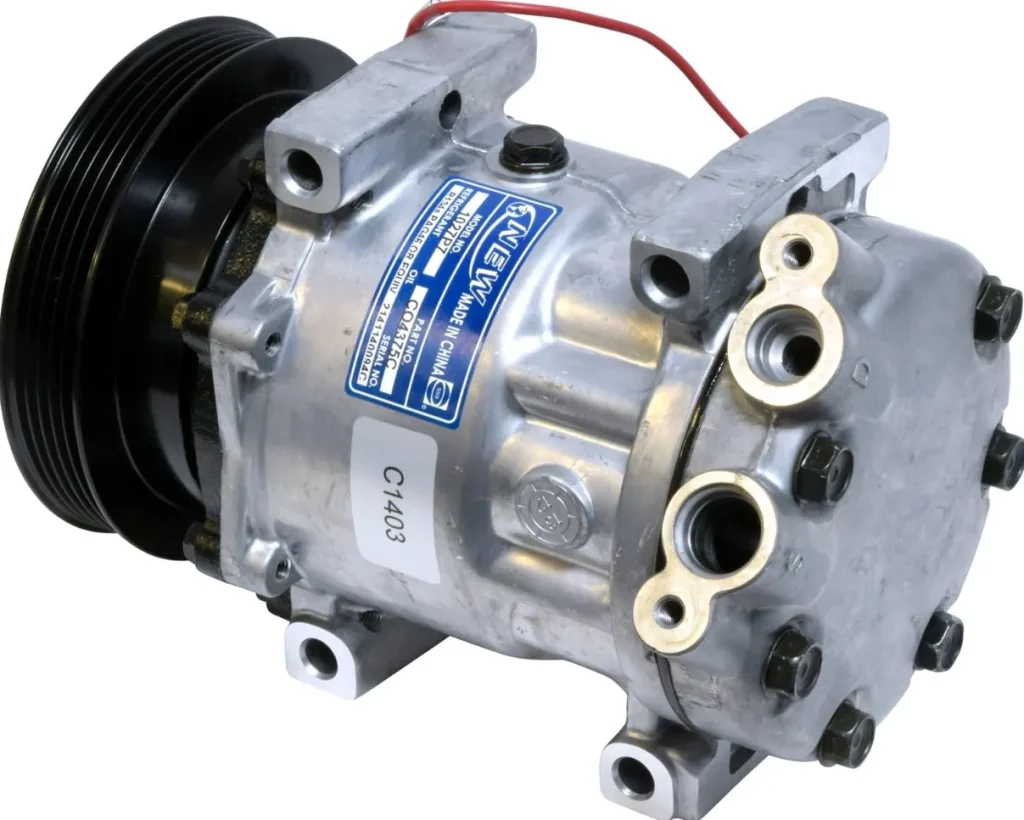
An AC compressor is a vital component of your air conditioning system. It is named for its role in compressing refrigerant, which is the fluid that moves between gas and liquid, absorbing and releasing heat.
The compressor takes low-pressure gas from the evaporator and compresses it into high-pressure gas. This happens through mechanical movement that varies by compressor type.
This compression process is what makes the entire cooling operation possible as part of how an AC system works.
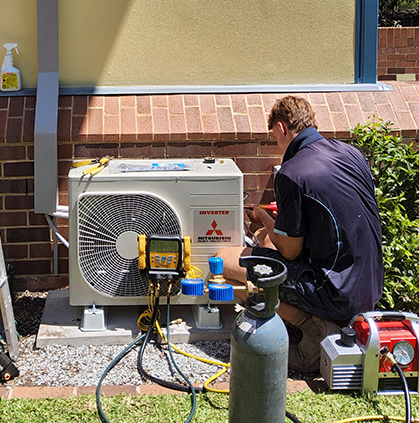
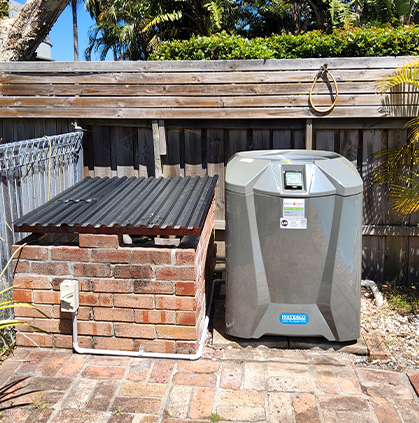
Typically, an AC compressor is housed inside the outdoor unit of a split system, often near the condenser coil. It’s placed there because a compressor produces significant heat during its operation.
That is also why it’s built with durable materials like aluminium alloy and cast iron. Yes, to withstand the high pressures and temperatures generated during operation.
How Does an AC Compressor Work?
Your compressor is a smart pump that creates pressure changes needed for cooling in your HVAC system. Here’s how the cycle works:
- Thermostat Activation — A wall device measures indoor temperature. When it rises above the set point, it signals the AC compressor to turn on.
- Refrigerant Intake — The compressor draws in low-pressure refrigerant gas from the evaporator coil, which has absorbed indoor heat.
- Compression — Inside the compressor, an electric motor drives pistons or scrolls that squeeze the refrigerant. This increases its pressure and temperature, preparing it for heat exchange.
- Discharge — The high-pressure, hot gas exits the compressor into outdoor condenser coils.
- Heat Release — The gas releases heat into outside air through the condenser coils, aided by a fan. As it cools, it turns into a liquid.
- Expansion and Recirculation — The liquid refrigerant passes through an expansion valve, dropping in pressure and temperature. It then enters the indoor evaporator coil, absorbing heat and continuing the cycle.
Types of AC Compressor
Not all compressors are the same, and knowing the types helps you choose better for your system.
1. Reciprocating Compressor
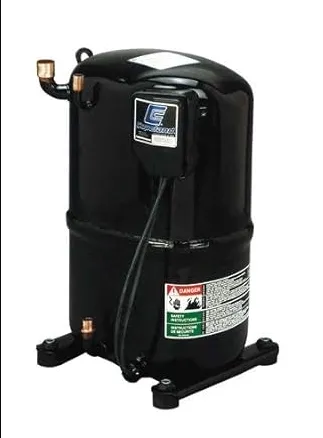
This traditional compressor uses pistons moving up and down, like in a car engine, to pressurise the refrigerant.
When the piston moves down, it pulls in low-pressure gas from the evaporator. When it moves up, it compresses and pushes out high-pressure gas.
Some even have multiple cylinders. And the main drawbacks of these types are that they are loud and have more moving parts prone to wear out.
2. Scroll Compressor
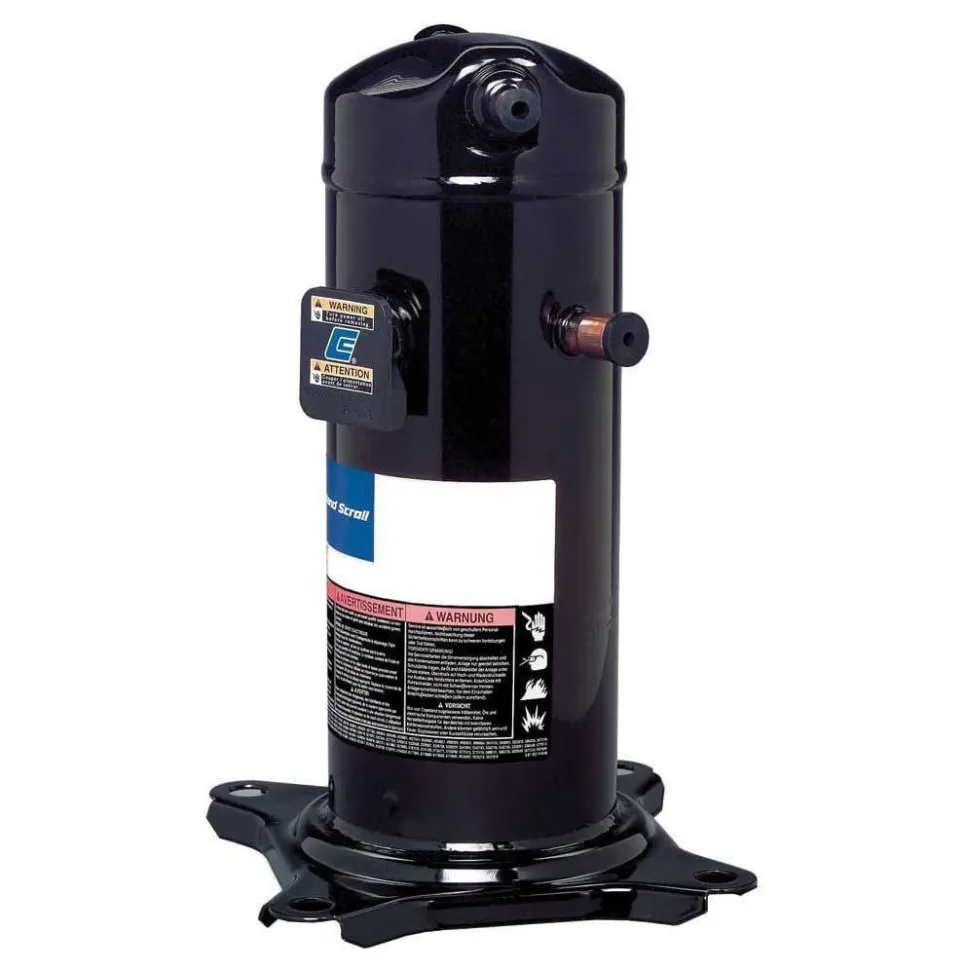
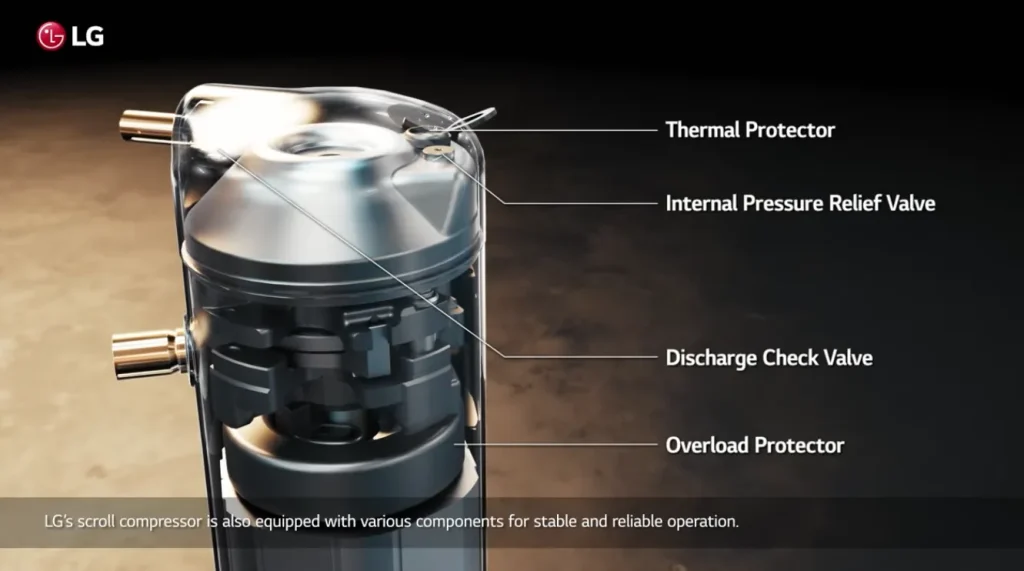
Scroll compressors are newer and more popular. They have two spiral-shaped parts: a fixed one and a moving one.
The moving part spins around, trapping and squeezing gas toward the centre in a smooth, steady motion, unlike pistons. They transfer heat well, are quieter, more energy-efficient, and last longer.
With fewer moving parts, they’re less likely to break. Most high-efficiency home units now use scroll compressors.
3. Rotary Compressor
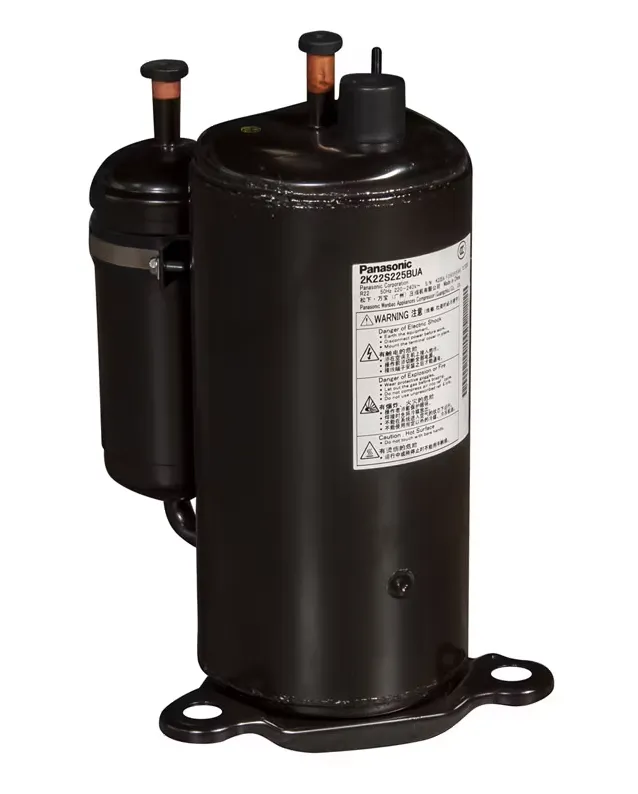
Rotary compressors are compact and efficient, ideal for small home air conditioners. They use a rotating shaft with blades inside a cylindrical chamber.
As the shaft spins, the blades squeeze refrigerant gas against the walls, creating a steady flow of compressed refrigerant and a smoother cycle.
They are quiet and suitable for smaller systems, commonly found in window units and small split systems.
4. Screw Compressor
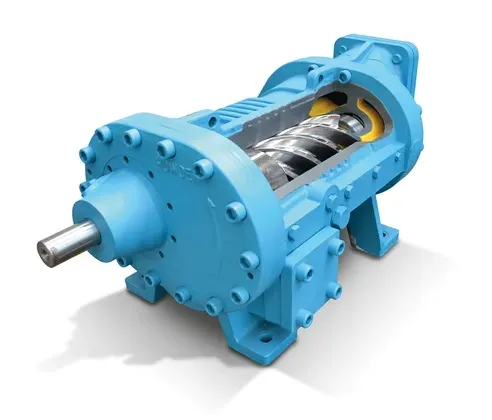
Two helical screws rotating in opposite directions to trap and gradually compress refrigerant between the screws and chamber walls. These are screw compressors.
They are efficient for large air volumes and high heat rejection, making them ideal for big buildings or industrial use. Strong, reliable, and durable, they are not typically found in residential homes.
5. Centrifugal Compressor
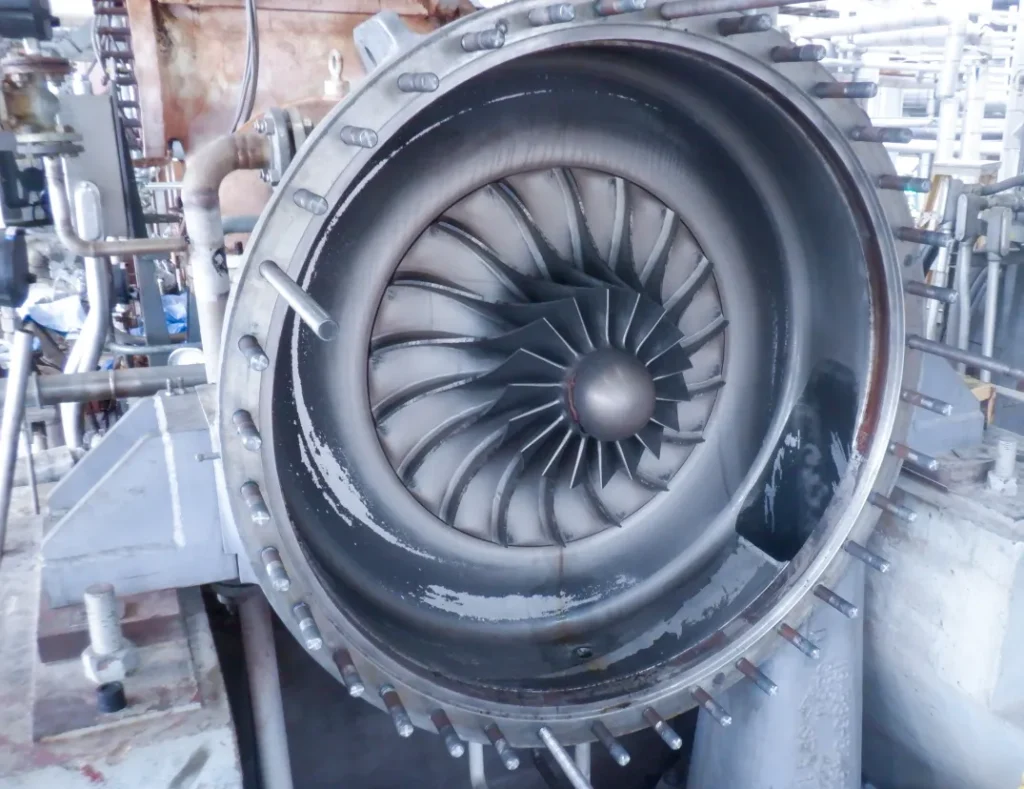
These compressors are big and powerful. They use a spinning impeller to push refrigerant outward quickly, creating pressure with centrifugal force.
Centrifugal compressors are almost exclusively used in large commercial and industrial chiller systems. You won’t find them in residential applications.
But it’s worth knowing they exist, especially if you’re dealing with commercial properties.
7 Signs of a Failing AC Compressor
Your AC compressor is important for cooling. The worst is if it breaks and your AC stops blowing cold air. So, let’s look at the signs that your compressor might be failing:
1. Warm Air Blowing From Your Vents
This is usually the first thing you’ll notice. You turn on your AC, but instead of cold air, it’s warm or barely cool.
This happens because the compressor can’t build the right pressure, disrupting the refrigerant cycle. As a result, your system runs but doesn’t cool your home properly.
2. Strange Noises From the Outdoor Unit
A healthy compressor hums steadily, but grinding, clanking, banging, or screeching indicates a problem.
These noises often signal loose, worn, or broken AC unit parts. Grinding might mean bearings are failing, and banging could be parts knocking around inside.
3. The Unit Struggles to Start
Does your outdoor unit take forever to start after you adjust the thermostat? Or does it try to start, then fail, and try again?
This “hard starting” often points to a failing compressor or electrical issues. The compressor motor may struggle to start due to worn parts or AC capacitor problems.
You might also see your lights dim slightly when the AC tries to start, signalling the compressor is drawing excessive power.
4. Circuit Breaker Keeps Tripping
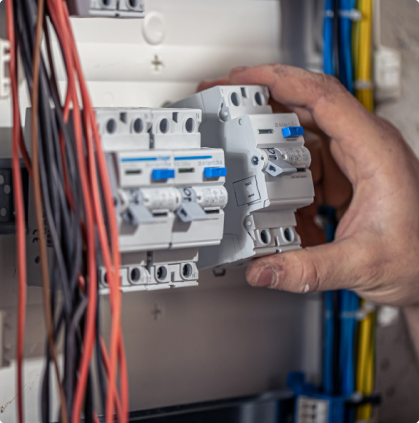
If your circuit breaker keeps tripping when you run your air con, that’s a big warning sign. A failing compressor often pulls too much electricity, which trips the breaker to protect itself.
Don’t just keep resetting it and hoping it’ll be fine. Your electrical system is trying to prevent damage or a fire.
5. Higher Than Normal Energy Bills
Watch your electricity bills this summer. If they’re rising without increased use, your compressor may be overworking. A struggling compressor runs longer and harder to cool, leading to higher energy consumption.
6. Visible Refrigerant Leaks
See any oily residue or moisture around your outdoor unit? That could be refrigerant leaking.
Leaks force the compressor to work harder with less cooling fluid, speeding up wear. If refrigerant drops too low, the compressor may overheat and break down.
7. The Unit Short Cycles
Short cycling happens when your AC repeatedly turns on and off in quick bursts instead of steady cycles, as if it can’t decide what to do.
This often happens when the compressor overheats and shuts down for protection, then attempts to restart once cooled.
The frequent cycling strains the compressor and wastes energy. Other causes include a faulty thermostat or improper system sizing.
How to Choose the Right AC Compressor?

Choosing the right compressor isn’t just about the cheapest or the best specs. Here’s what you should do:
1. Assess Your Cooling Needs
Your home’s size matters, but so do ceiling height, insulation, window count, and which way they face. All these affect how much heat absorption load your system needs to handle.
A professional load calculation takes all this into account. In Australia, cooling is measured in kilowatts (kW). A bedroom usually needs about 2.5 kW, while a big open-plan space might need 5 to 8 kW or more.
Getting this right is key. An undersized compressor struggles on hot days, while an oversized one keeps cycling on and off.
2. Think About Your Climate Zone
Where you live in Australia affects your cooling. Brisbane’s humid climate needs different cooling than Perth’s dry heat or Melbourne’s milder weather.
If you’re in Darwin or Far North Queensland, choose a system that can handle intense heat and humidity daily. In cooler areas like Tasmania, a reverse-cycle system with a heat pump is key for efficient heating and cooling.
3. Choose the Right Compressor Type
Most Australian homes use a scroll compressor in split systems because it’s efficient, reliable, and quiet. They’re great for bedrooms and living rooms.
If you’re replacing a compressor in an older system, you’ll need to match the type and capacity. Using the wrong parts can disrupt the refrigerant cycle.
4. Check Energy Efficiency Ratings
Look at the Zoned Energy Rating Label (ZERL) on any system you’re thinking about. It shows star ratings for three climate zones: Hot, Average, and Cold.
Modern compressors, like inverter-driven scroll ones, are way more efficient than the old fixed-speed piston types. They might cost a bit more at first, but you’ll save on electricity bills in the long run.
5. Compare Brands and Models
Once you know the type and efficiency rating, check out different brands and models out there. Look for trusted manufacturers with reliable compressors and good warranties.
What to do? Reading customer reviews and expert ratings can help you see how well a model works and how long it lasts. Doing this research is important so you pick something that’ll stay reliable over time.
6. Assess Price and Warranty Options
Think about your budget for the compressor, condenser, and installation. You can choose one with a solid 5-7 year warranty in Australia.
That way, you’ll have peace of mind and save money if anything goes wrong later. A solid warranty shows the manufacturer trusts their product.
Make sure your spending matches the long-term benefits and fits your budget.
7. Consult with HVAC Professionals
If you’re not sure about anything while choosing, it’s a good idea to ask an HVAC pro for advice on maintenance and replacements.
They can give you expert advice, explain things like AC pressures, and help find features that suit your climate and preferences. This way, you’ll make a smarter choice.
How to Maintain Your AC Compressor Properly?
Here’s how to keep your AC compressor running longer.
- Clear the area around your outdoor unit. Pick up leaves, grass clippings, and any debris that might block airflow to the condenser coils.
- Trim plants or shrubs within two metres of the unit. Good airflow helps the compressor release heat.
- Change or clean your indoor AC filter every three months in summer. Dirty filters block airflow, making your compressor work harder.
- Don’t push your system too hard. Setting your thermostat to a comfy 24-25°C is always recommended.
- If you’re going away for a while, turn off your system. Running it unnecessarily adds more hours to the compressor.
- Use a surge protector to prevent damage from lightning strikes and grid changes that can harm the compressor’s electrical parts.
- Schedule maintenance once a year, ideally before summer. They will check refrigerant, clean coils, inspect connections, and test the compressor.
FAQ about AC Compressor
Here are some common questions homeowners ask about the AC compressor:
What happens when an AC compressor goes bad?
When your compressor fails, your cooling system stops, so you may notice warm air from the vents. Other parts might keep running briefly, but without a working compressor, the refrigerant can’t circulate well.
What is the lifespan of an AC compressor?
Like any AC system, with good maintenance, it should last 10-15 years, with some reaching 20. But, factors like climate, improper installation, and electrical problems can significantly shorten a compressor’s lifespan.
How much does an AC compressor usually cost?
Replacing a residential AC compressor in Australia costs 1,500-2,000-2,500, with larger units costing more. For older systems, a full unit replacement may be more economical.
Conclusion
All AC parts need your attention, but the compressor is one of the most vital. When it breaks down, you’re in trouble. To ensure it lasts for years, keep the outdoor unit clean, and schedule regular professional tune-ups.
Need help with your AC? Our team at Lightning Bult specialises in HVAC maintenance, repairs, and installation. Contact us today for reliable service.