







It’s the hottest day of the year, and when you turn on your AC, it’s blowing warm air. You check it out and see thick ice on the coils. Yes, your AC is freezing up.
You call for air conditioning services, and they tell you that if you keep running it with that condition, you could damage your compressor. And that’s going to cost a lot to fix.
So, what’s going on? We’ll go over the main reasons why this happens and how to stop it from breaking down. Let’s dive in.
9 Common Causes of AC Freezing Up and How to Fix Them
Before fixing anything, remember AC freezing up isn’t just one cause. Usually, a few issues are involved:
1. Dirty Filters
A dirty air filter can cause your AC to freeze. It’s meant to trap dust but still let air through. But over time, dust, pet hair, and debris build up into a thick layer. That’s when problems start.
Since the blower fan can’t pull air through this “blanket,” warm room air stays outside. Inside, refrigerant runs through the coil, ready to do its job.
But if no warm air comes in, the coils don’t heat up. They get colder, and moisture turns into frost.
What to do if your AC freezes because of a dirty air filter:
- Turn off the AC and switch. Leaving it on wastes power and can damage the compressor with “liquid slugging.”
- Remove the air filters. Open the front panel for split systems or check the ceiling grille for ducted ones.
- Do the “Light Test”. Hold the filter to a window. If no light gets through, dust is blocking airflow.
- Wash filters with lukewarm water, rinse, and dry completely to avoid mould in the AC unit. If replaceable, get a new one.
2. Restricted Airflow
Even if your air filter is clean, your AC can freeze up if airflow is blocked. Things like blocked vents, return grilles, or leaky ducts cause airflow restriction.
Usually, it’s your room setup. Blocking vents with furniture or thick curtains makes the blower work harder, stopping the AC from pulling in enough heat.
Less airflow means less heat exchange. The refrigerant stays cold, but the evaporator coil freezes over. Frost forms, building into ice that chokes the unit
If your AC freezes up because air can’t get through, here’s what you should do:
- Set your unit to “Fan Only” to thaw. It blows air over the ice, melting it safely.
- Keep all vents fully open. Closing vents in unused rooms can cause pressure issues and freeze your unit.
- Make sure nothing blocks vents or return grilles. Move nearby furniture or shelves.
- If you have ductwork, listen for whistling. A loose or bent duct leaks warm air, freezing your evaporator coil.
3. Incorrect Thermostat Settings
Your thermostat controls your compressor, telling it when to turn on or off. It checks the air to hit your set temperature.
If you set it really low, like 16°C or 17°C, it keeps running all the time. That can make the evaporator coil get way too cold.
And a bad sensor can also cause issues. If it thinks the room’s 40°C when it’s only 20°C, the unit blows freezing air. Soon, the indoor coil can freeze solid.
What to do if your thermostat is causing a freeze-up:
- Set your thermostat to 24°C to turn off the compressor and warm up the coils.
- Keep the thermostat or remote away from lamps, electronics, or sunny windows.
- Turn off the outdoor unit at the isolation switch for 10 minutes to reset it.
- Change remote batteries because weak ones can cause signal problems.
4. Obstructed Intake
Most wall-mounted split systems pull in air through a big grille on top. That’s where they take in warm air.
If you mount the unit too close to the ceiling or if dust builds up, airflow gets blocked. That creates a bottleneck when cooling starts.
Without enough warm air, the coils don’t get the heat they need. The refrigerant stays cold, and the metal can even drop below freezing.
What to do if your AC freezes because the intake is blocked:
- Keep at least 10-15cm space between your AC and the ceiling. If not, call a professional to lower it.
- Remove decorations, boxes, or dust covers on top.
- Use a vacuum or long duster to clean the intake ribs. Dust and pet hair block airflow.
- Set the AC to “Fan Only” for an hour to melt any ice safely.
5. Dirty Evaporator Coils
Even if your filters are clean, your AC coils can still get dirty over time. Since they are often wet from condensation, dust and debris can get through the filters and settle on the coils.
Over time, this buildup creates a slimy layer. This layer acts like a barrier, stopping the cold refrigerant from cooling the warm air in your room.
Here’s what to do if your evaporator coils are dirty:
- Turn off the unit and let the ice melt, which may take a few hours.
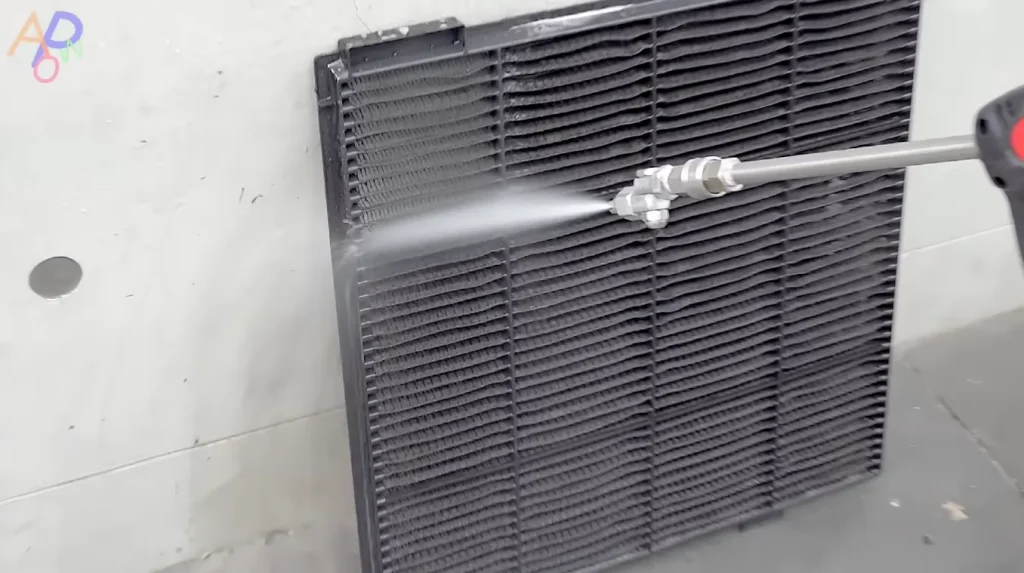
- Use a soft brush to gently remove dust, brushing in the same direction as the fins.
- Spray a no-rinse coil cleaner to break down dirt and clean the AC coils
- Check the drainage tray for sludge or “jelly”
6. Blower Fan Failure
Inside your indoor unit, there’s a cylindrical fan called a blower that pushes air over the cold coils. If it slows down or stops, the cold can’t escape.
This happens when the fan motor wears out or gets dusty blades. If the fan isn’t spinning fast enough, it can’t move the air, so the “heat sponge” stops working.
Without warm air moving over the coils, the refrigerant stays cold, and the coils can even go below zero. That’s often why your AC isn’t blowing cold air.
What to do if your blower fan is causing a freeze-up:
- Check if the fan runs when the system’s on and listen for strange noises.
- Turn off the power. If safe, try spinning the fan with a long tool. If it won’t move, the bearings may be stuck.
- Shine a flashlight into the air outlet. Thick dust on the blades could make them too heavy to turn.
- Call a technician. You might need to replace the motor, AC capacitor, or blades.
7. Low Refrigerant/Leaks
Refrigerant is the working fluid that helps get heat out of your home. It moves in a closed loop and your refrigerant charge only runs out if there’s a leak in the copper pipes.
When the refrigerant level gets too low, the system pressure inside the coils drops, and the remaining gas gets much colder. At those cold temperatures, moisture in the air freezes on the evaporator coil.
Here’s what to do if your AC is freezing up because of low refrigerant:
- Turn off the AC unit to begin the thawing process.
- Check for oily spots on copper pipe connections. That’s a sign of leaks.
- Check the “liquid line” for frost.
- Contact a licensed HVAC technician to check leaks, repair damages, and perform a refrigerant recharge.
8. Kinked Refrigerant Lines
Refrigerant lines connect your indoor and outdoor units. If they get bent, crushed, or damaged, the refrigerant can’t flow right, messing with pressure and temperature.
When pressure drops suddenly, the refrigerant gets cold at the bends and can freeze into ice. That ice then moves to the indoor coils and can freeze them solid, even if your refrigerant levels are okay.
What to do if your AC freezes because of a kinked line:
- Turn off the unit and check the insulated copper pipes for sharp bends or flat spots.
- Look for ice at the connections behind the indoor unit or outdoor valves.
- Don’t try to straighten the pipe yourself. Bending copper can cause it to break and be costly.
- Call a licensed technician to cut out the damage and braze in a new piece.
9. Electrical Failure
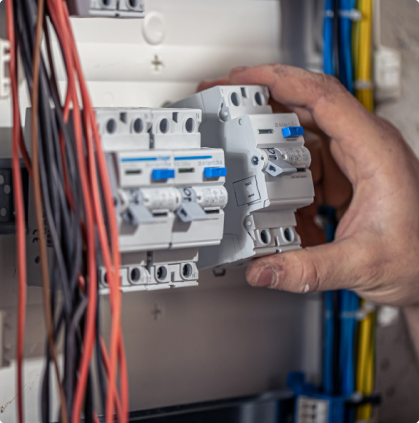
Electrical problems like bad relays, capacitors, or wiring can cause the compressor or fan to not work properly or stop working. This disrupts the refrigerant cycle and can lead to freezing.
Compressor problems are serious and can cause the whole system to break down if you don’t fix them quickly.
Here’s how to fix the electrical glitch:
- If your AC keeps tripping breakers, making weird noises, or won’t turn on, turn it off right away.
- Then, call a licensed tech to check it out and fix the problem.
How to Prevent Your AC from Freezing Up?

Preventing AC freezing up is way easier and cheaper than fixing it later. Here’s what to do:
1. Wash Your AC Filters Regularly
Wash your AC filter every 30 days to prevent “suffocation” that causes ice formation. When air flows well, warm room air keeps the refrigerant from freezing. It’s a five-minute task that avoids costly emergency repairs.
2. Clear Your Outdoor Unit
Each month, clear rubbish or weeds around your outdoor condenser and remove built-up leaves or garden waste. Keep about 30cm of space around the unit to improve fan efficiency and help heat escape more easily.
3. Do a Vinegar Drain Flush
Pour half a cup of white vinegar into your condensate drain line every three months to prevent slime, algae, and “snot” buildup. Water collecting in the drainage tray near the evaporator coils can freeze if it gets very cold.
4. Calibrate Your Thermostat
Thermostat errors are simple to fix but often overlooked. Check its reading against a reliable thermometer.
Also, keep it away from direct sunlight, or cold drafts, as they can affect the sensor. Once a year, gently wipe the sensor with a soft cloth.
5. Do a Visual Check for Leaks
Check copper pipes for leaks every six months. Look for oily spots or dark stains that indicate a leak. It only takes a minute to check.
Low gas levels can reduce pressure and raise coil temperatures. Detecting leaks early saves money and keeps your system running smoothly.
6. Check the Refrigerant Pressure
Once a year, check the refrigerant pressure and make sure gas levels are correct. The technician will use gauges to see if the system isn’t too “lean,” which is a common cause of coil icing.
7. Schedule a Chemical Coil Clean
It’s recommended to do a deep chemical clean of the internal evaporator coils once a year. This removes dirt that builds up over time. The special foam cleans away oily film and dust that water cleaning can’t remove.
8. Run a Fan Speed Test
Have a professional check the blower fan speed, as it must run at the correct RPM to move enough air and prevent freezing.
A tired motor can reduce airflow, keeping the coils cold and leading to ice buildup. Even a 10% drop in fan speed can cause ice to form.
FAQ about AC Freezing Up
Here are quick answers to the most common questions about your AC freezing up:
Should I turn my AC off if it’s frozen?
Yes, turn your AC off immediately if it’s frozen. Running a frozen unit can damage the compressor and other AC unit parts, causing costly repairs. Let the ice thaw completely before checking further or calling a technician.
Can I fix a frozen AC myself?
You can fix small issues like dirty filters or blocked vents yourself. But if the problem continues or you suspect refrigerant or electrical issues, call a licensed technician. In Australia, handling refrigerant or electrical repairs without proper training is illegal.
Can I turn my AC back on after it thaws?
Turn your AC back on only after the ice has melted and you’ve fixed the cause. If freezing happens again, stop running the system and call a professional to avoid damage.
Conclusion
An AC freezing up is more than just a minor issue. If you ignore it, the ice can lead to a sudden, costly compressor breakdown.
Now you see why the ice is forming. You can try to fix simple things like cleaning filters or clearing vents yourself. But if it’s electrical parts or refrigerant levels, you’ll want to call a professional.
Reach out to our team at Lightning Bult today to figure out what’s causing the freezing, fix it, and keep your home cool again.