






Nothing beats walking into a cool house when it’s 38°C outside. That instant comfort all comes down to your cooling system working right, including the AC refrigerant.
But most people don’t think about the refrigerant until it leaks, and it makes them call in an air conditioning service.
So, what is refrigerant, and how do you keep it working right with some good maintenance? Let’s take a look!
What is an AC Refrigerant?

AC refrigerant is a chemical that changes from liquid to gas depending on temperature and pressure. That switch is how it moves heat around.
Because it has a low boiling point, refrigerant turns into gas even at mild temperatures, which helps cool your home. Without it, your AC would just be a fan and couldn’t get rid of heat.
In a reverse cycle system, a reversing valve switches the refrigerant’s direction. When you turn on heating, the valve reverses, causing the refrigerant to absorb heat from the outdoor air and bring it inside.
It flows in a sealed copper loop, so it’s not used up like fuel. But, refrigerant is a dangerous chemical under high pressure. Leaks can harm the environment and damage the system.
And when the refrigerant level drops, there’s not enough liquid to absorb heat. The compressor strains and speeds up to compensate, causing more friction and heat inside. It ends up working harder and longer for only a small temperature drop.
YouTube Word of Advice
In Australia, R32 and R410A are the most common labels on outdoor units. They are different types of chemicals that work at specific pressures and temperatures.
You need to know which one you have. Both R32 and R410A use synthetic (POE) oils, while older systems like R22 used mineral oil. If incompatible oils mix, the oil can turn into sludge and damage the compressor.
How Does an AC Refrigerant Work?
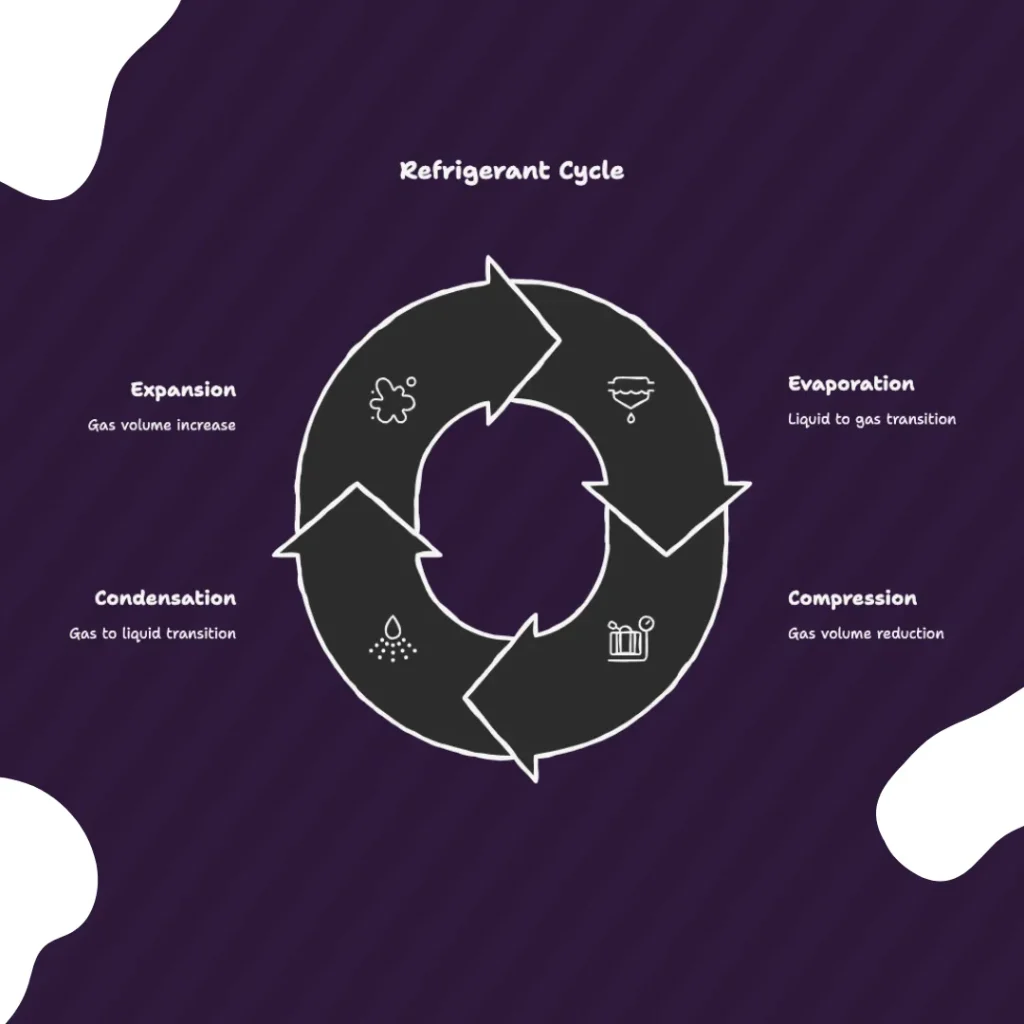
AC refrigerant switches between liquid and gas, absorbing heat when it evaporates and releasing it when it condenses. Let’s break down how AC system works in this refrigerant cycle:
1. Evaporation
It starts at the evaporator coil. Cold, low-pressure refrigerant flows in. And when warm indoor air blows over it, the refrigerant absorbs heat, turning into a gas. This phase change pulls heat from your room air.
The air passing over the coils loses heat and gets cooler, then blows back into your home. The refrigerant gas, now carrying your home’s heat, goes to the compressor.
2. Compression
That cool refrigerant gas flows from the evaporator to the compressor. The compressor squeezes it, making it high pressure and much hotter.
This high temperature lets it give off heat to the air outside. Basically, the pressure makes the refrigerant hotter than the air, so it can easily transfer that heat to the cooler outdoor air.
3. Condensation
That hot gas goes into the coil outside. The fan blows air over it, and the refrigerant releases heat, turning into a liquid. It cools down even more, ensuring it stays liquid.
You might see a little condensation on the brass valves outside, but most water comes from the indoor part and drains away. The heat from the outdoor unit is the energy that was just in your living room.
4. Expansion
That cold, high-pressure liquid goes back to the evaporator coil through an expansion valve. This valve drops the pressure, making the refrigerant get cold fast.
In a Reverse Cycle system, a four-way reversing valve flips it all. This lets your unit pull heat from outside air to warm your home in winter.
Types of AC Refrigerant
There isn’t just one kind of AC refrigerant out there. From the old ones to the newer, eco-friendly options, here are some aircon refrigerant types:
1. R22
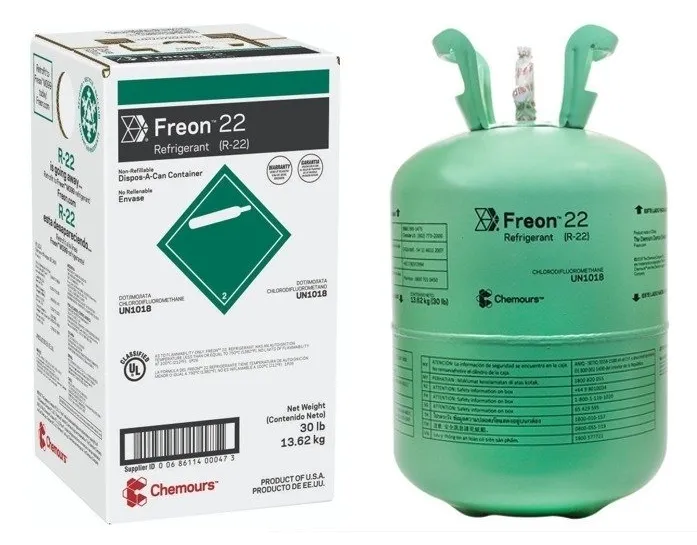
This is the AC refrigerant that was the industry standard for decades. It’s non-flammable, non-toxic, and good at absorbing heat. Known as Freon, it powered most Australian home air conditioners before 2010.
But because it has chlorine, it’s now considered an ozone-depleting substance. New systems can’t use it, and Australia plans to stop importing it by 2030.
Your current unit is still legal, but since supplies are limited, fixing leaks costs more than modern options.
2. R410A
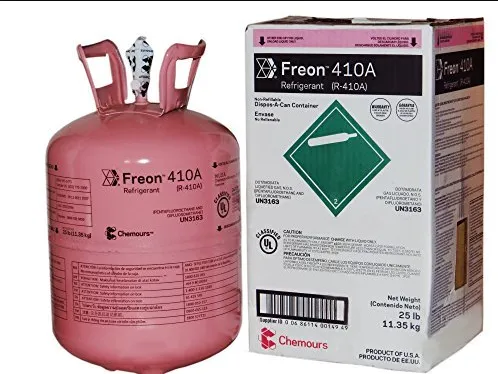
R410A replaced R22 as the standard refrigerant in most Australian systems from 2010 to 2023. Known as Puron, it is non-flammable and absorbs heat more efficiently, helping lower electricity bills.
Unlike Freon, R410A contains no chlorine, so it doesn’t harm the ozone layer. But it is a potent greenhouse gas. Australia started phasing down its imports in 2018 to meet environmental targets.
R410A systems are reliable and legal to service. Still, as supply decreases, the price of this refrigerant is expected to rise, making way for newer alternatives.
3. R32
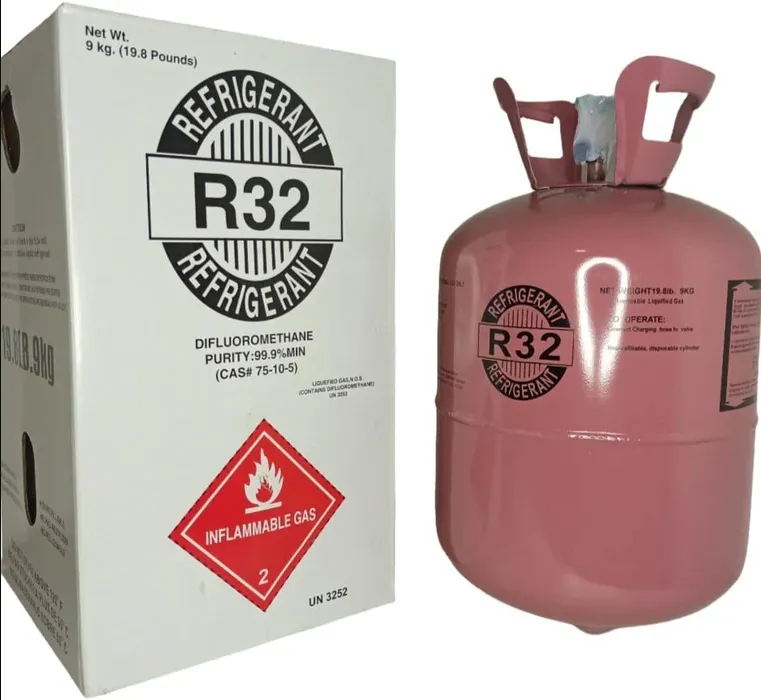
R32 is now Australia’s standard refrigerant for new split systems installation. It’s a next-generation gas that cools faster and uses less electricity.
Its main benefit is environmental: it has zero impact on the ozone layer and a lower global warming potential than R410A. Being a single-component gas, it’s easier for technicians to recycle and reuse.
Although R32 is mildly flammable, it’s safe when installed by a licensed professional. It’s also the most affordable and widely available option nationwide.
4. R290
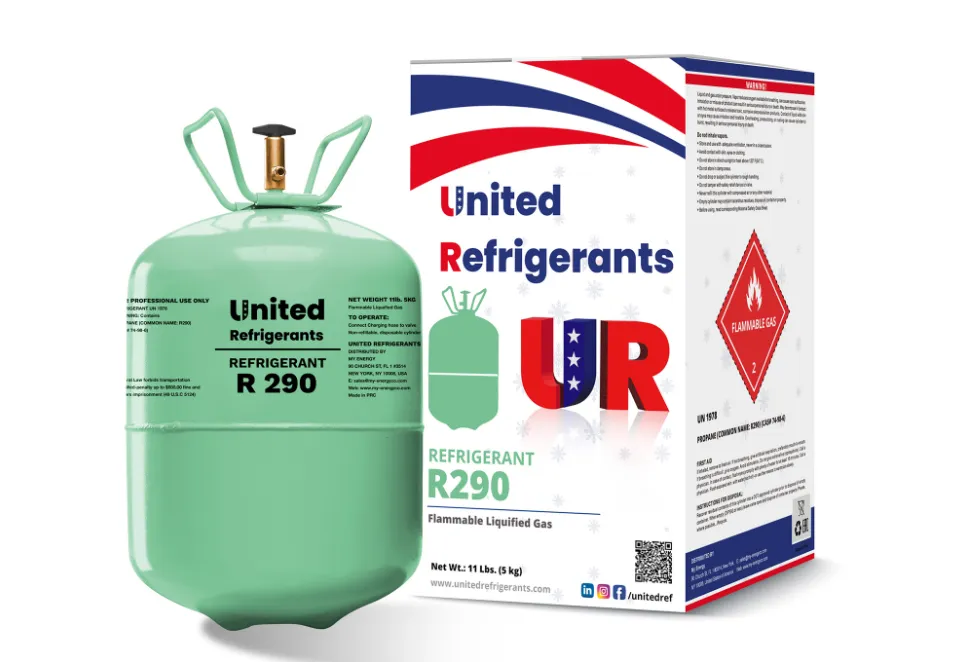
R290 is a natural aircon refrigerant. It is high-purity propane. It’s gaining popularity in Australia for portable air conditioners and heat pumps because it’s eco-friendly and cools well in hot weather.
Unlike synthetic gases, R290 is a natural hydrocarbon. It doesn’t need fancy manufacturing, so it’s more efficient. Units with R290 usually use less energy to cool the same space as older models.
But yes, propane is flammable. Australian safety rules limit how much gas can go into a unit and where it can be installed, ensuring proper ventilation and safety.
5. R454B
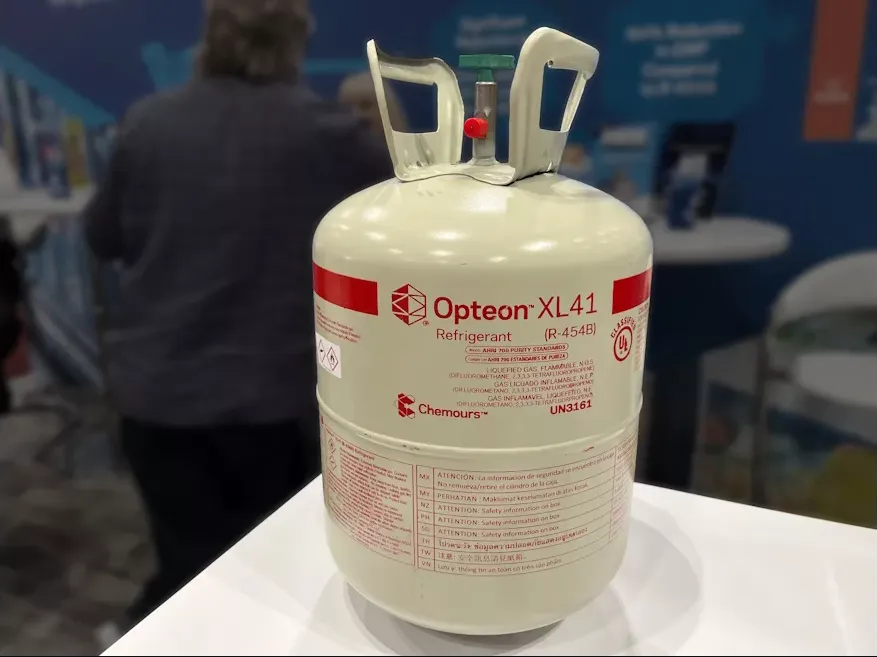
This is Australia’s newest refrigerant, made to replace R410A in large ducted systems. It’s called Puron Advance, a high-tech mix that’s better for the environment and keeps your home cool.
Its main benefit is future-proofing. With approximately 75% lower global warming potential than R410A, it cuts emissions significantly.
Like R32, R454B is a bit flammable. It needs safety sensors and a pro to install it. Picking R454B now makes sure your air conditioner follows Australian environmental rules for the next twenty years.
How to Choose the Right AC Refrigerant
You know the air conditioning refrigerant and its type, but how to choose the right one for your home?
1. Consult the HVAC Technician
Choosing an air conditioning refrigerant isn’t just about what’s better. It’s about what’s safe and legal for your home.
Modern gases like R32 are more efficient but mildly flammable. And only an ARC tick licensed professional can tell if your room’s size and ventilation are safe for it.
Calling an HVAC technician first means you get advice from someone responsible for safety standards. This prevents handymen from using old, less efficient gases simply because they lack the licence for newer ones.
2. Prioritise the Rating for Your Home
Your HVAC technician will explain this. But, you need to know that how your AC performs depends on where you live. The old “one-size-fits-all” star rating is replaced by the Zoned Energy Rating Label (ZERL).
This new sticker splits the country into three climate zones: Hot like Darwin, Average like Sydney, and Cold like Melbourne.
Before choosing a unit, check the blue star rating for cooling in your zone on the label. A system may be 5-star in Sydney but only 3-star in Darwin.
3. Target R32 or R454B
When you buy a new system in 2025, go for a current refrigerant like R32 or R454B. Australia is phasing out the old gases, so using outdated ones could mean expensive repairs or no AC unit parts as replacement.
R32 and R454B meet the 2025 environmental standards and are about 10% more energy-efficient than older options. Picking them now makes your system easier to service and cheaper to run over 15 to 20 years.
4. Think About Your Coil Type
If you’re within 5 km of the ocean, salt air can damage your AC. R32 AC refrigerant saves money, but only if your coils stay in good shape. Salt spray causes corrosion, leaks gas, and makes the compressor work harder.
Look for units with Blue Fin or Gold Fin technology. Blue Fin, common in Australia, blocks rain and salt. Gold Fin is a premium, water-repelling coating that fights salt even better.
5. Budget for the R410A Price Hike
If your AC was installed in the last 10–15 years, it likely uses R410A, or Puron. It’s still legal in 2025, but Australia is restricting imports, making it scarcer and more costly to top up.
A gas recharge costs 200–$500, with prices expected to rise 10–15% annually. If an AC refrigerant leak is found, consider if spending 600 on repairs is worth it or if upgrading to a new system is more affordable.
6. Check the Compliance Plate
Before you agree to a big repair on an old unit, check the silver “Compliance Plate” or sticker on the side of your outdoor compressor. It shows the model number and what kind of refrigerant gas it uses.
If it says R22, it’s a “legacy” system. It’s not illegal to own one, but Australia will stop importing R22 starting in 2030. That’ll make it harder and more expensive to get gas for repairs.
How to Maintain Your AC Refrigerant Properly
Here are some tips to help you keep your AC running smoothly and get it back on the right track:
- Get your system checked once a year — A small gas leak makes the compressor work harder, overheating and risking motor damage. An annual pressure check can save you from costly repairs.
- Keep airflow clear — Dust in your AC filter or furniture blocking vents can trap heat and raise pressure, which might cause leaks. Keeping vents open helps keep pressure stable and protects older units.
- Clear debris and shrubs from the outdoor unit — Things blocking it make it harder to get rid of heat, raising refrigerant temperature. A clear 60cm space around it keeps gas flowing and prevents system strain.
- Listen for hissing or gurgling — Refrigerants under high pressure shouldn’t make noise. If you hear hissing or gurgling, it’s a leak. So catch it early before things get worse.
- Watch for ice on indoor coils — Frost means low refrigerant and pressure drops, turning coils into ice. This can cause water damage, your AC not blowing cold air and lead to costly repairs.
- Keep an eye on your electricity bills — Sudden spikes and less comfort can mean refrigerant leaks. Tracking your costs helps you spot problems early and avoid bigger repairs.
FAQ About AC Refrigerant
Here are the main questions homeowners have about air conditioning refrigerants:
How do I know if my AC is low on refrigerant?
If your AC blows warm air or takes forever to cool, it might be low on refrigerant. But only a pro with gauges can find leaks.
One thing’s for sure, low refrigerant causes hissing sounds, frozen coils, and longer run times, which hikes up your bills. So don’t take this lightly.
What refrigerant is used in AC?
Most modern Australian air conditioners use R-32 or R-410A. R-32 is newer because it works better and is better for the environment.
If you have an older system, it might still use R-22, but this gas is being phased out. Not sure what gas your unit uses? Check the nameplate on your outdoor unit, your system’s manual, or ask your technician.
Is R-134A refrigerant banned in Australia?
R-134a isn’t fully banned for existing units, but new stationary systems with it can’t be imported or made. Australia’s HFC phase-down bans equipment with a GWP over 750.
From July 1, 2025, the ban includes multi-head split systems, after the 2024 ban on single-head units. R-134a remains in some car A/Cs and fridges, but R-32 (GWP 675) is now standard for new home A/Cs.
Can you run AC without refrigerant?
No, an air conditioner needs refrigerant to cool. Without it, the compressor runs, and the fans spin, but it won’t lower the temperature. Even worse, running it without refrigerant can damage the compressor in minutes.
Can you add refrigerant to an AC unit yourself?
No, you can’t just add refrigerant to an AC unit by yourself. It’s actually against the law and unsafe. Trying it yourself risks frostbite, system damage, and voids your warranty.
And penalties are steep. Each penalty unit is $330, and fines for unlicensed handling or illegal discharge of synthetic greenhouse gases can reach tens of thousands of dollars.
Conclusion
You need to know your AC gas. Whether fixing an old unit or installing a new one, the AC refrigerant type can mean the difference between a quick fix and a costly repair.
Regular check-ups catch leaks early. And, if there’s an issue, call us at Lightning Bult. Our technicians can measure your gas level and help you pick the right refrigerant that balances your cooling needs and budget.