






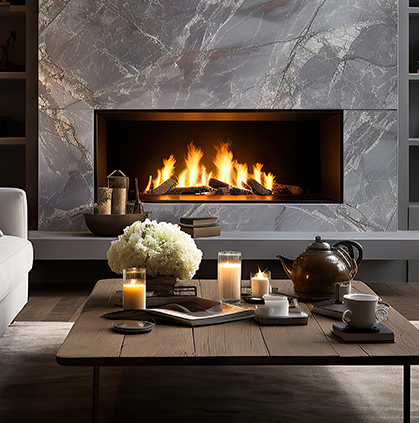

Your open living space is bright and sunny, with tall ceilings and large windows. Probably, a neighbour said, “You’ll need at least a 2.5-ton AC unit to survive summer.”
That sounds legit, but is it the right choice, or are you spending extra on unnecessary power?
We’re here to help you decide if a 2½-ton AC unit is ideal for your home before calling air conditioning services to install it. Let’s begin.
What is a 2.5-Ton AC Unit?
A 2.5-ton air conditioner is one of the choices for cooling your home. It can cool about 30,000 BTU per hour, or around 8.8 kilowatts (kW).
So yes, a tonne is not about how heavy the unit is. It’s about how much heat it can take out of your house.
And a 2.5-ton AC unit is quite common for Australian homes and is usually good for 80–120 m². That’s about the right size for a 3 to 4-bedroom house.
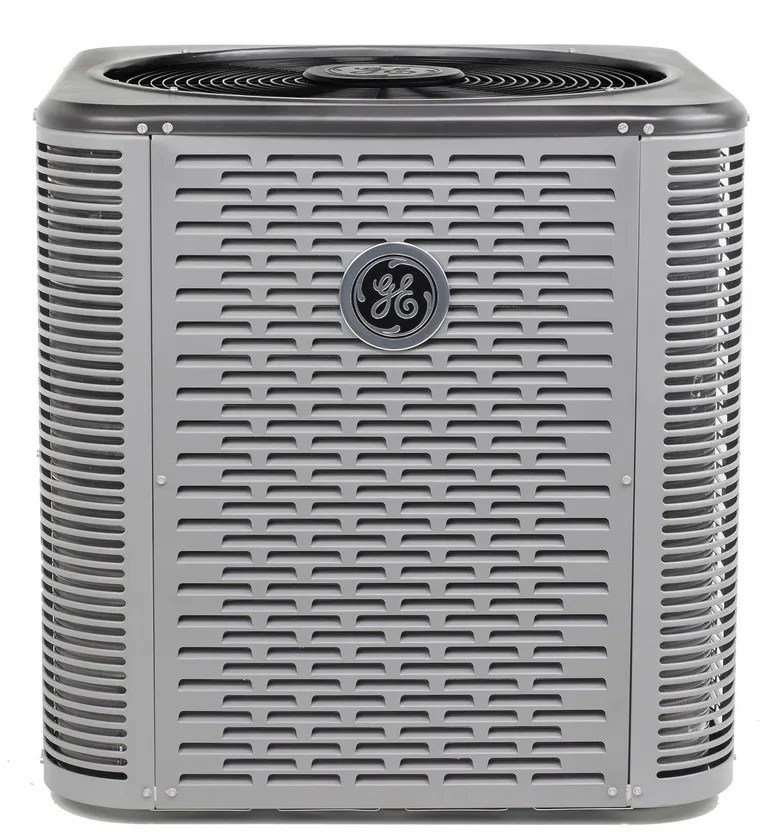
It’s much stronger than the common 2-ton systems you see in smaller homes with 2 or 3 bedrooms. When it’s 35°C outside, this 2.5-ton unit cools faster than the 2-ton one and lowers the temperature to 24°C quicker.
But it’s not as big as the 5 ton air conditioning units you see in houses over 400–500 m² or multi-story buildings.
And what’s great, whether you choose a split system or a ducted one, both have a 2.5-ton option.
What Should You Consider Before Installing a 2.5-Ton AC Unit?

Before you decide on a 2.5-ton air conditioner, please check a few things to see if it’s suitable for your home:
1. Your Home’s Floor Area
Here’s your starting point for installing the right AC size. The 2.5-ton unit can cool about 110–140 m². That is roughly the size of a large modern living room or a regular three-bedroom house.
If your space is larger than that, the AC might have trouble during hot days around 40°C, especially in Western Sydney or regional Victoria.
This estimate is based on ceiling heights of about 2.4 meters. If your ceilings are taller or curved, you’ll need more cooling since there’s more air to cool.
2. Ceiling Height
Floor size shows how big a room is, but the AC has to cool all the air inside. Many Australian homes have ceilings that are 3 meters or higher. This means the AC has to move more air to keep the room cool.
A 2.5-ton AC might not be strong enough for high ceilings. Hot air rises to the top, so the AC has to work harder to cool the lower part.
Pinterest Farmhousehub.com
3. Window Area
Large windows that go from the floor to the ceiling or sliding doors can let in a lot of heat, acting like “thermal holes.”
Before you install an air conditioner, see how much space the glass takes up on the wall. A 2.5-ton AC might not work as well if large, shaded windows let in a lot of heat.
The way your windows face also matters, too. West-facing windows get the most sunlight. If there’s no outdoor shade, sunlight can make the inside get hot quickly.
4. Insulation Quality
Many older Aussie homes don’t have enough roof insulation and just have single-glazed windows. That makes it easy for heat to get in, so your air conditioner has to work overtime.
The rules recommend roof insulation between R4.1 and R6.0 for better energy savings. Wall insulation of R1.5 to R2.5 helps too, but roof insulation matters more.
If your place isn’t well insulated, a 2.5-ton AC unit will struggle more on hot days. You might need a bigger unit or better insulation to save some money.
5. Australian Climate Zone
Where you live really matters because the moisture in the air changes how your 2.5-ton AC works.
In humid areas like Darwin or Brisbane, your AC has to do two things: cool the air and get rid of moisture. So, if you’re in one of those areas, you’ll need more cooling power to make it feel dry and comfy.
But in hotter, drier places like Adelaide or Perth, your 2.5-ton AC can probably cool it down much faster.
6. Many Living Areas
How do you want to use the 2.5-ton AC unit? Will it just cool the main living room, or be part of a ducted system that cools the whole house?
If you have an open-plan home, a 2.5-ton wall-mounted split is great for a big “Great Room” where your family hangs out a lot. But if your house has many hallways and doors, cooler air might not reach the bedrooms.
7. Number of People
The more people in the room, the warmer it gets. So, your AC has to work harder to cool everything down.
Before you choose a 2.5-ton AC unit, think about how you use the space. Do you often have friends over or kids hanging out?
If you don’t think about this, the AC might be fine when it’s just you, but once the whole family is in, it might not keep the room comfortable.
8. Appliances That Make Heat
Kitchen appliances like ovens and cooktops make a lot of heat. If your AC system doesn’t have enough capacity, cooking will still make the room warm, no matter what the thermostat says.
And don’t forget your home office and entertainment gear. Large TVs, gaming consoles, and computers generate heat as they run for hours. In a small room, these devices can raise the temperature fast.
9. Your Budget
A realistic budget for a 2.5-ton AC isn’t just about the purchase price. Bigger units cost more to buy and install, but don’t forget about the long-term costs.
Going with a trusted brand and professional installers can help you avoid issues down the line. And even if an energy-efficient model costs a bit more upfront, it’ll save you money during the summer.
Potential Costs of a 2.5-Ton AC Unit
Installing and using a 2.5-ton air conditioner has several costs. Knowing each one helps you plan your budget
Installation Cost
A typical Australian 2.5-ton ducted unit installation costs between 7,000–11,000, depending on house size, existing ductwork, zoning complexity, and local labour rates.
Cost breakdown:
- Unit (compressor, condenser, evaporator): 2,500–4,000
- Labour (installation, testing, commissioning): 2,000–3,500
- Ductwork modifications or new installation: 2,000–4,000 (if existing ducts are suitable, cost is lower; new ductwork in retrofit installs costs more)
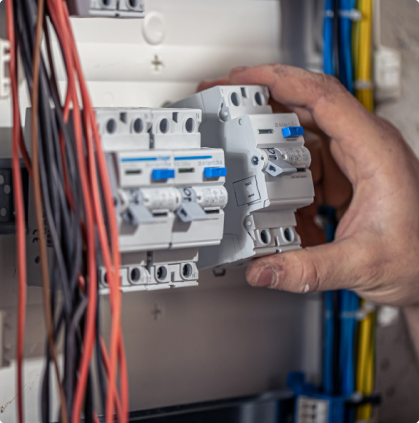
- Electrical upgrades (new circuit, weatherproofing): 300–1,000
- Multi-zone zoning kits (optional): 400–800 per zone
Installation costs depend on where you are. Big cities often cost more. Get quotes from 2–3 licensed installers to compare prices in your area.
Running Costs
In Australia, your summer monthly costs typically range from 100–220, depending on usage, efficiency, and your state’s electricity rates.
Cost calculation:
A modern inverter 2.5-ton unit typically draws between 2.2kW and 2.8kW of electricity. And electricity rates vary by state (Queensland ~20c/kWh, NSW ~28c/kWh, South Australia 34c/kWh).
If you run it for about 8 hours a day and it uses 2.5 kW:
- Cost per day: 2.5 kW × 8 hours × 0.28/kWh = 5.60/day
- Cost per month (30 days, summer): $168/month
- Cost per season (Dec–Feb, 90 days): $504/season
Inverter units use 15–20% less energy than older systems because they don’t constantly turn on and off. Instead, they slow down once the room’s cool to save power.
Maintenance Costs
It’s not just the upfront cost. You need to think about maintenance costs too. Usually, you’re looking at 150 to 300 a year for regular service to keep everything running smoothly.
Typical yearly maintenance includes:
- Professional Service Visit: 150–250 for cleaning AC filter, disinfecting coils, checking drains, testing electrical parts.
- Leak Repairs: Australian law requires technicians must fix refrigerant leaks. Small fixes cost around 225, but bigger repairs, like recharging the system, can go over 1,000.
- Emergency Fixes: 500–2,000 if you have major problems like a failed compressor or control board outside warranty.
Most big brands like Daikin, Mitsubishi Electric, and Panasonic give you a standard 5-year warranty on AC unit parts and labor.
Pros and Cons of a 2.5-Ton AC Unit
Thinking about a 2.5-ton AC unit? Here’s what you should think about:
Pros
Here’s why a 2.5-ton AC might be a good pick:
- Great for big open spaces — It’s perfect for large open-plan areas or smaller 3-bedroom homes with high energy ratings. But it might be too small for a 5-bedroom entire house.
- Cheaper to install — If your home’s heat load matches, it can save you 1,000 to 2,000+ on the initial cost and ductwork compared to a 3.5-ton unit.
- Cools stuff down faster — With about 8.8kW of cooling power, it drops the temperature quicker than smaller 2-ton models. Perfect for Australian heatwaves.
- Keeps things comfortable everywhere — When paired with a ducted multi-zone system, it helps keep the temperature even across rooms, avoiding hot spots.
- Easy to find parts and techs — Since 2.5-ton units are common in Australia, getting parts and hiring experienced HVAC technicians is easy
Cons
Here’s what to keep in mind when you’re thinking about a 2.5-ton AC:
- More expensive upfront — It’ll cost you 15–30% more to buy and install compared to a 2-ton. That’s because the hardware is pricier, and you’ll need a bigger electrical circuit.
- Higher running costs — It uses more power per hour, so your summer bills could be 30–60 more each month, depending on how much you run it and your electricity rates.
- Need more space — Even though “tonnage” isn’t about weight, these units are bigger. You’ll need more wall space inside and a bigger, stable spot outside for the compressor.
- Noise levels — Modern units are quiet (48–55 dB), but bigger 2.5-ton compressors make more hum. Placement is key so you don’t bother your neighbors or break noise regulations.
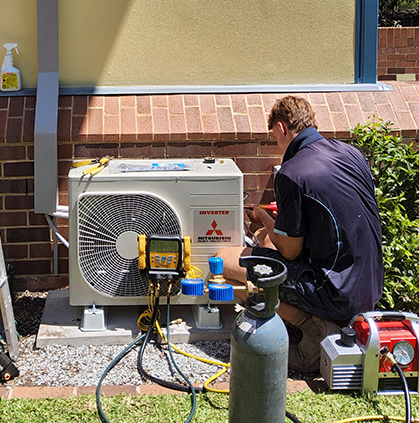
- Professional install only — Because of the refrigerant and wiring complexity, a licensed ARCTick technician has to do it. DIY is illegal in Australia and will ruin your 5-year warranty.
Is a 2.5-Ton AC Unit Right for Your Home?
Figuring out if this 2,5 ton AC unit capacity works for you depends on your situation:
Yes, If..
- Open-Plan Living — Your home has a big open space, about 60 to 85 square meters, with standard 2.4m ceilings. That’s the perfect size for a 2.5-ton (8.8kW–9.2kW) AC unit.
- High Heat-Load Zones — You’re cooling a kitchen-dining area with big north or west windows. The 2.5-ton unit easily handles the hot afternoon sun and cooking heat.
- High Ceilings — Your ceiling is over 2.7 meters high in that large room (around 50–65m²). The extra air volume means you need a larger capacity to keep it comfortable.
- Extreme Climates — You live in Northern Australia or inland areas where it hits over 40°C. You need this bigger capacity so the system doesn’t get overwhelmed during heatwaves.
- Investment Budget — Your budget for a professionally installed ducted system is 7,000 to 2,400 to 4,200.
No, If..
- Smaller Rooms — You’re cooling a typical bedroom or small lounge. A 1-ton or 1.5-ton unit works better for these spaces and stops it from short-cycling.
- Milder Climates — If you’re in Melbourne, the summers are milder. You can usually get a smaller, more affordable unit that focuses on heating efficiency rather than raw cooling power like a 2.5-ton or 3 ton AC unit.
- Tight Budget — You aren’t ready for the 7,000–400–600 yearly electricity cost that comes with running an 8.8kW unit frequently.
- Complex Layouts — If your home has multiple stories, many bedrooms, or really high ceilings like a warehouse, you’ll need a bigger ducted system or several smaller split systems to cool it evenly.
FAQ About 2.5-Ton AC Units
Quick answers to the questions many homeowners have about 2.5 ton AC system:
How many bedrooms or square metres will a 2.5 ton AC unit cool?
A 2.5-ton unit can cool a 3- to 5-bedroom house, about 150 to 200 square metres. That’s for homes with good insulation, normal ceiling height, and moderate weather. Otherwise, it might reduce coverage.
How many kW is a 2.5 ton AC unit?
A 2.5-ton AC unit gives about 8.8 kW of cooling capacity. When running, it uses between 2.5 and 4 kW of power, depending on how efficient it is.
Who uses a 2.5 ton AC unit in Australia?
Most Australian homeowners with 3-5 bedroom homes go for 2.5-ton air conditioners. The same goes for small places like offices, clinics, and shops. This size is popular in suburbs, regional areas, and along the coast.
Conclusion
Many homeowners find out too late that their AC is too small to cool the whole house. So, learn from their mistakes. If you have open spaces and tall ceilings, a 2.5-ton AC unit is usually the minimum required.
Not sure if that size is perfect for your home? Contact us at Lightning Bult. We’ll help you choose the right AC and get it installed so your home stays comfortable and your energy bills stay under control.