



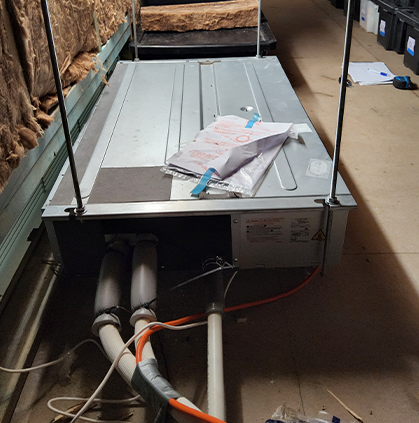
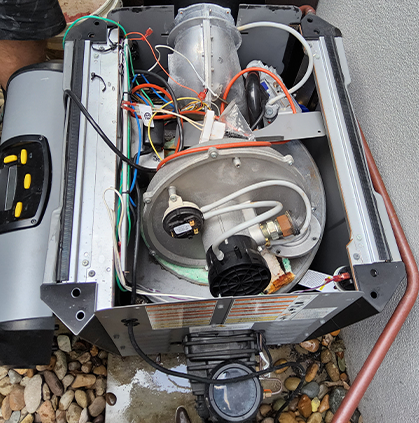
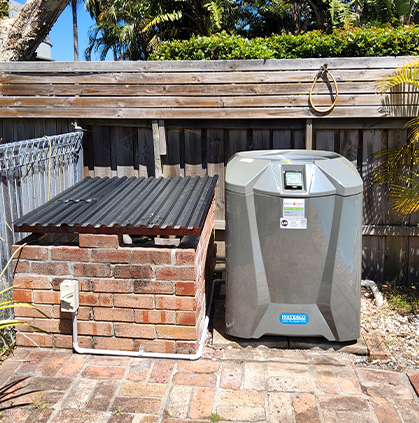

You may ask, “Is my AC supposed to click on and off like this?” It isn’t. And what you’re experiencing is AC short cycling.
It happens when your system runs in quick bursts, not a full cooling cycle. Rooms never reach the desired temperature, and efficiency drops.
So, what causes this stop–start behavior, and how can professional air conditioning services restore comfort? Read on!
What is Short Cycling?
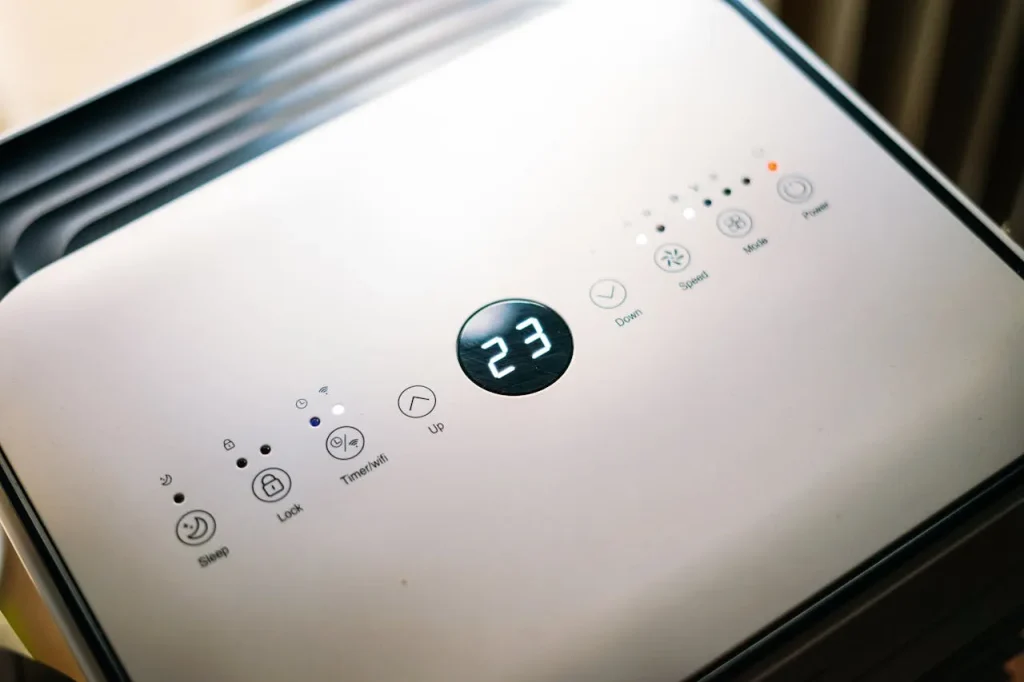
Photo by Geri Tech
AC short cycling is when your air conditioner shuts off before a complete cooling cycle and restarts soon after. It runs only 2–5 minutes, sits idle for 1–3 minutes, then repeats.
That is not normal. Your AC should run in cooling cycles of about 10–20 minutes, around 2–3 times an hour.
Ideally, the thermostat reads that the room is too warm, triggers the compressor, and in the first few seconds it jumps to full power (pulling 6–8 times its normal current). Then it settles into a steady run.
Then the evaporator coil pulls heat and moisture from the air. The air cools and moves around the room until it hits the set temperature. And when the thermostat’s little on/off buffer is satisfied, the compressor stops.
That’s how the AC system works. With HVAC short cycling, that normal sequence keeps getting cut off early.
What are the Common Causes of Short Cycling in an HVAC System?
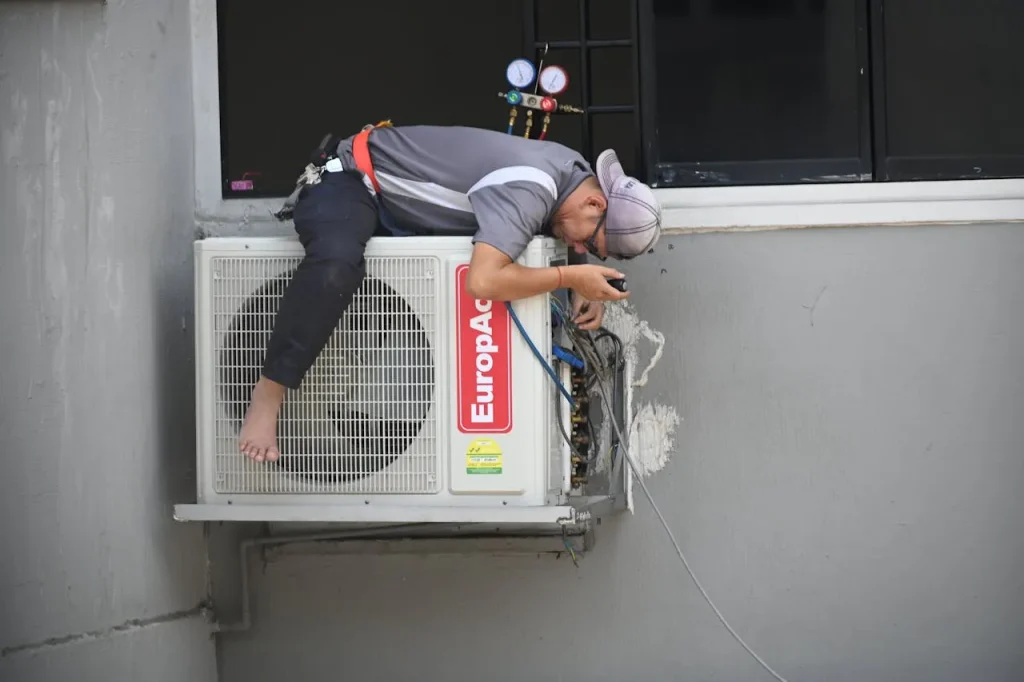
Photo by Richard Low Hong
“Why does my AC turn on and off every 5 minutes?” There are many reasons for that. Here are the common causes:
1. Oversized AC Unit
An oversized system can cause AC short cycling. When the unit is too big, it blasts cold air so fast the thermostat reaches setpoint in minutes. It thinks the job is done and shuts down, but the house hasn’t caught up.
Also, the evaporator coil hasn’t run long enough to dehumidify. This causes cold bursts and quick warming. Instead of smooth cooling cycle, you get a stop‑start pattern that never settles at an even temperature.
2. Thermostat Issues
AC short cycling could be due to a thermostat issue. That device reads the temperature at one point and decides when to start and stop the compressor. If readings are off, the entire cooling pattern fails.
Also, some digital and smart thermostats have short-cycle protection timers. If that logic glitches, they can end up cycling rapidly.
Plus, bad thermostat placement can also affect readings. If it’s in direct sun or near heat, it’ll think the room’s warmer than it really is.
3. Low Refrigerant Levels
Inside the pipework, your AC is supposed to run in a certain pressure and temperature range. Refrigerant is the working fluid that makes this work.
When levels are low, less refrigerant pulls heat, so the evaporator gets colder.
The system reacts: the evaporator frosts, suction pressure drops, and the compressor runs out of its normal range. To prevent damage, built-in protection cuts power to the compressor.
4. Clogged Air Filter
A dirty air filter is like a clogged straw for your AC. It’s meant to catch dust, hair, and debris, but when it’s packed with grime, airflow slows to a sluggish, suffocating crawl.
And when less warm air hits the evaporator coil, it freezes up. The system then has to work harder to pull air, causing pressures and temperatures to drift. Many units respond by shutting the compressor to protect themselves.
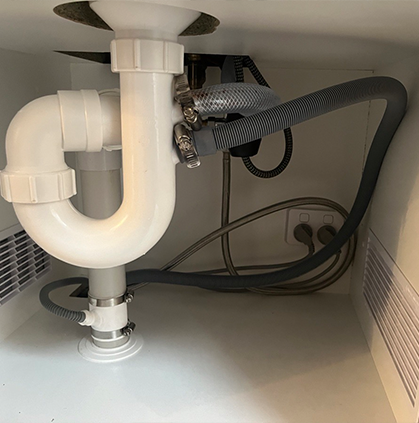
5. Blocked Condensate Drain
Most modern split systems and ducted units have a float switch or water level sensor in that pan. When the water gets too high, the switch trips and cuts power to stop overflow and damage.
The thermostat still wants cooling, but the float safety opens the circuit and stops the compressor mid-cycle.
While the unit sits idle, a little water might seep past the blockage or just evaporate. The pan level drops, the float switch resets, and it starts again
6. Frozen Evaporator Coil
A frozen evaporator coil isn’t just bad, it rewrites how your system runs.
The coil draws heat while the blower passes room air over it. If airflow is weak or refrigerant is low, moisture freezes on the fins, and ice blocks the air.
Each minute, less air passes, the coil grows colder, and pressures drift. Modern units notice the anomaly, and protections shut the compressor before the thermostat senses a real drop.
7. Electrical Component Issues
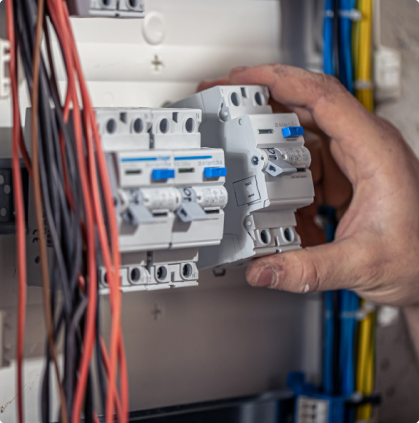
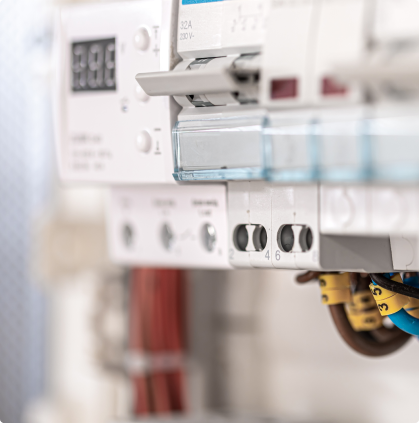
Not all AC short cycling is mechanical. Sometimes the issue is with the electric components. Your AC has many parts that control cycling, such as AC capacitors, relays, and control boards.
A bad capacitor is one of the most common electrical problems. It can stop the compressor or fan motor from starting correctly, so the unit tries to start, fails, shuts down, and restarts over and over.
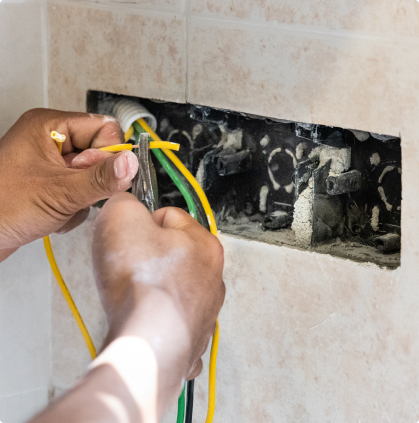
Bad wiring, corrosion, or aging control boards can also send the wrong signals. Your AC might get mixed-up commands, which leads to erratic cycling
8. Condenser Fan Motor Failure
The condenser fan pulls air over the condenser coil to dump heat. If the fan motor dies, runs slow, or stops, heat stacks up in the coil and the high side pressure climbs.
A high-pressure switch or thermal cutoff trips, cutting power to the compressor mid-cycle.
After a quick rest, the pressure drops and the switch resets, but the fan stays faulty, so head pressure rises again and the protection trips again.
9. Power Supply Fluctuations
Your compressor needs steady voltage to start and run. When grid voltage drops well below its rated range (often over 10%), the motor can’t generate enough torque to beat the refrigerant pressure in the lines.
The compressor strains, overheats within seconds, and the internal thermal overload trips to protect the motor windings. Once the voltage stabilizes, the system tries to start again, causing a rapid on-off cycle.
How to Stop Your AC from Short Cycling?
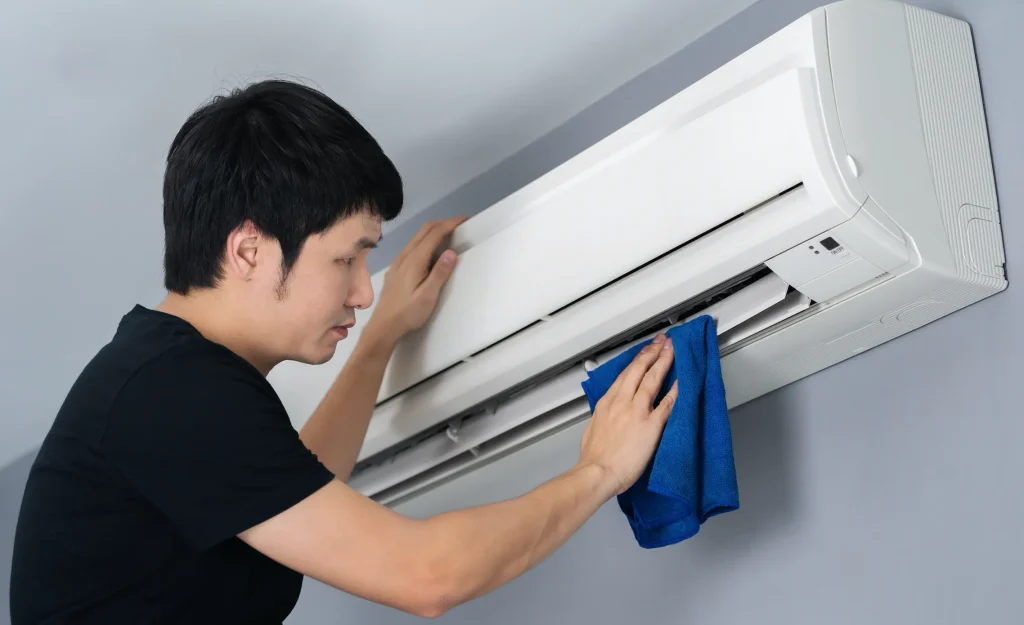
Geargods on Freepik
Now that you know what causes AC short cycling, let’s look at practical fixes to stop it from coming back:
1. Get a System Sizing Evaluation
An oversized system will short cycle unless you fix the root cause: too much cooling.
So, you need a licensed HVAC technician to perform a heat load calculation per AIRAH DA09 or manufacturer charts. If oversized, you can replace it with a unit that fits your load, or upgrade to a variable-speed system.
Inverter upgrades cost 1,500–3,000 more but pay off: 20–40% lower running cost and zero short cycling
2. Clean or Replace Air Filters Every 1-3 Months
Set a monthly reminder to check the AC filter during the cooling season. Turn off the system, open the return air grille, and look for dirt.
Replace disposable filters when they’re grey or clogged every 1–3 months. For permanent filters, rinse from the back under running water, dry completely, then reinstall.
Increase frequency to every 3–4 weeks if you have pets, construction nearby, or dust buildup. Fresh filters cost 20–50 and take minutes to swap. This quick task helps prevent AC short cycling.
3. Calibrate Thermostat
If the problem is a bad reading due to its placement, the simple fix is to move it away from windows, direct sunlight, or heat sources like TVs and lamps.
And if there might be errors, test it. You can tape a thermometer next to the thermostat, wait 15 minutes, then compare. If the gap is over 1–2°C, then you need to recalibrate.
For programmable and smart thermostats, check the app or manual for calibration. If you’re not comfortable adjusting it, a technician can do it in minutes.
Also, don’t forget to replace weak batteries annually, even if the low-battery warning hasn’t appeared yet.
4. Clear Condensate Drains
Clogged condensate drains back up, trip the float switch, and cut power to prevent damage.
So, you need to locate the drain line exit. Then, pour a cup of distilled white vinegar or a drain tablet down the indoor access point to break down biofilm.
If water backs up, use a wet/dry vacuum at the outdoor end. Seal the connection with a rag and run the vacuum 2–3 minutes to pull the clog through.
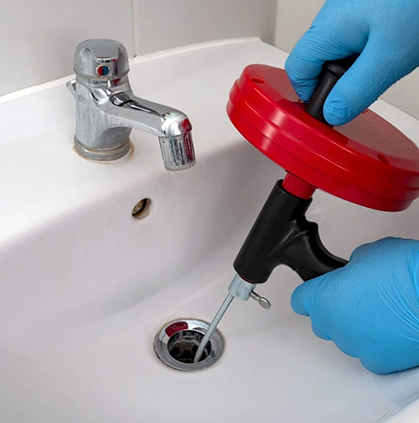
For stubborn clogs, use a plumber’s hand pump or compressed air from the indoor side. If unresolved, call a technician to flush the line.
5. Schedule Refrigerant Inspection
Low refrigerant can cause short cycling, but you can’t just top it up. Refrigerant work needs a licensed technician. In Australia, it’s illegal to buy or handle refrigerant yourself. And DIY can void your warranty.
During a visit, the technician will pressure-test the system, check superheat and subcooling, and use electronic leak detectors or UV dye to locate escapes.
Small leaks at joints or valve cores are repaired and recharged the same day. Coil leaks or major line damage require AC unit parts replacement. Schedule refrigerant checks once a year with routine maintenance.
6. Check Electrical Components
Don’t try electrical fixes unless you’re qualified. Instead, watch for warning signs: clicking or chattering from the outdoor unit, a burning smell near the condenser, or the compressor struggling to start.
Then, call a professional who will test capacitor ratings with a multimeter, check contactor contacts for pits or welds, and look at wire connections and control board outputs.
If a capacitor fails, it’s replaced on the spot. Burned contactors or bad boards get the same treatment.
7. Clean Your Outdoor Condenser Unit
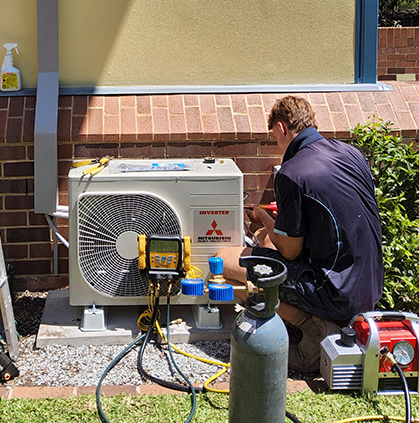
Your outdoor unit collects dust, pollen, and leaves. Five millimeters of debris on the fins blocks airflow and can cause condenser short cycling in days.
First, turn off power at the disconnect box near the unit. Remove the top grille and clear debris from inside with your hands or a shop vacuum.
Then, clean the AC coils from the inside out with a garden hose. Work top to bottom in vertical sections. Trim vegetation so there’s at least 60 cm of clearance on all sides. Clean the unit every 3–4 months.
8. Install a Voltage Stabiliser
This is optional. If AC short cycling comes from voltage fluctuations, you might need a voltage stabilizer or power monitor.
Don’t guess, have the voltage tested first. Call an electrician to measure power at your panel when the issue happens.
If voltage is low, you’ll need a stabilizer or surge protector rated for your amperage. The electrician will calculate the load and verify a model that handles the compressor’s startup surge.
FAQ about Short Cycling
Here are the common questions about AC Short Cycling:
What is the most common cause of AC short cycling?
Dirty air filters are the most common cause and oversized AC units are another major factor. The system cools too fast, hits the setpoint early, and shuts down before removing humidity.
How long will a short cycling AC last?
A short cycling AC runs for 2–8 minutes before shutting off, instead of the normal 15–20 minute cycles. Oversized systems shut off in 2–3 minutes, while low refrigerant, electrical faults, or frozen coils cause 3–8 minute cycles before safety switches trip.
How to tell if an AC compressor is short cycling?
Listen for on-off cycles every 3–7 minutes. If the outdoor condenser keeps starting and stopping, or your home never hits the set temp, those are signs.
Conclusion
Short cycling happens for a few clear reasons—oversized systems, thermostat glitches, or low refrigerant. Most of these issues can be fixed with a DIY check or an affordable pro repair.
So if your DIY troubleshooting doesn’t stop the short cycling within 24–48 hours, call in an HVAC tech for a professional check. We at Lightning Bult can help you find the exact cause and help prevent big failures.