


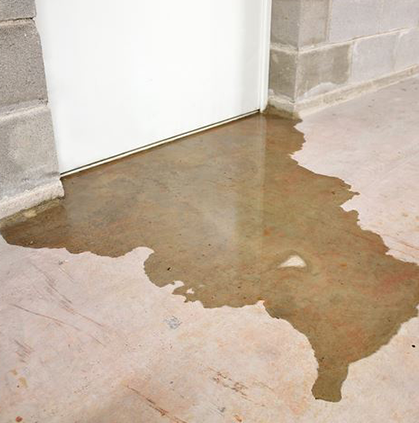



If you notice your pool heater leaking water, don’t panic just yet. Water around a pool heater doesn’t always mean there is a fault.
For some systems, particularly heat pumps, water can simply be condensation produced during normal operation. However, a genuine leak can indicate a damaged connection, internal component or other issue that needs attention.
The first step is working out whether you’re seeing normal condensation or actual pool water escaping from the system. Once you know the difference, you can determine whether the heater can continue operating or needs professional inspection.
Is It Normal for a Pool Heater to Have Water Around It?
Sometimes, yes.
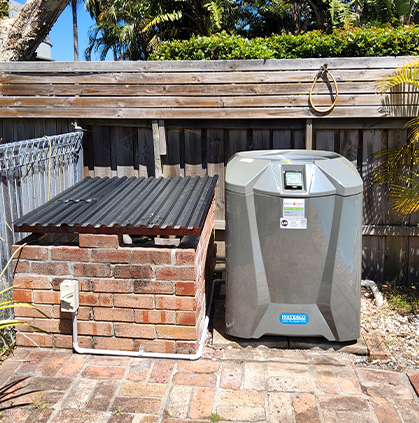
Pool heat pumps naturally produce condensation as warm, humid air passes over their cold heat exchanger. This moisture collects and drains from the unit, which can leave a noticeable puddle underneath it.
The amount of condensation can vary depending on factors such as:
- Outdoor temperature
- Humidity
- How long the heat pump has been running
- The temperature of the pool water
- The efficiency and operating conditions of the unit
So, seeing water underneath a heat pump doesn’t automatically mean it is leaking.
Gas pool heaters are different. While some condensation can occur under certain operating conditions, persistent or significant water around a gas heater should not automatically be treated as normal.
How Can You Tell If It’s Condensation or a Real Leak?
Before assuming your pool heater needs a repair, look at where the water is coming from and when it appears.
A few simple observations can help:
Check when the water appears
If water appears while a heat pump is running and stops after the system has been switched off for a while, condensation could be the cause.
If water continues to collect when the heater isn’t operating, there may be another source.
Look at where the water is coming from
Water spreading naturally beneath a heat pump can be consistent with condensation.
On the other hand, water coming from a pipe connection, fitting, valve or inside the heater cabinet may indicate a plumbing or component problem.
Consider the water itself
Condensation is generally clear and doesn’t contain the chemicals present in pool water.
If the water appears to be coming directly from the pool plumbing circuit, the heater may have a genuine water leak.
If you’re unsure, avoid dismantling the heater to investigate. A professional can determine where the water is coming from without creating additional problems.
Why Is Your Pool Heater Leaking Water?
1. Loose or Damaged Plumbing Connections
Pool heaters have water connections that connect the heater to the pool’s circulation system.
Over time, fittings, unions, seals and connections can become loose or deteriorate. A damaged seal can allow water to escape whenever the circulation system is running.
This type of leak may be easier to identify because water can often be seen around a particular connection rather than simply collecting underneath the entire unit.
2. Cracked or Damaged Internal Components
A more serious leak can occur when an internal component has cracked or become damaged.
Pool heaters contain components that are exposed to water, heat and pressure during normal operation. Age, corrosion, excessive pressure or other installation issues can eventually cause damage.
If water appears to be coming from inside the heater rather than from an external connection, professional inspection is recommended.
3. A Damaged Heat Exchanger
The heat exchanger plays an important role in transferring heat to the pool water.
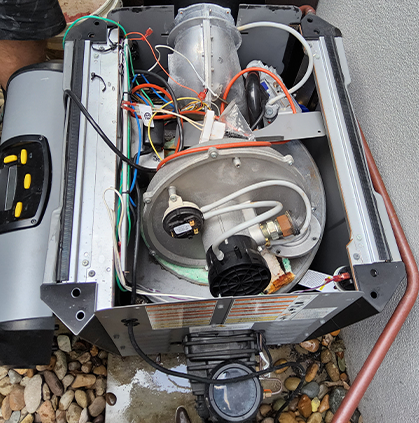
In a gas pool heater, the heat exchanger is exposed to both high temperatures and circulating pool water. Corrosion or physical damage can eventually cause it to leak.
A damaged heat exchanger isn’t something that should be repaired by simply sealing the visible leak. The underlying component needs to be properly assessed to determine whether repair or replacement is appropriate.
4. Poor Pool Water Chemistry
Your pool water chemistry can affect the lifespan of components within the heating system.
Water that is not properly balanced can contribute to corrosion and damage over time. This can be particularly problematic for metal components that come into contact with pool water.
Maintaining the pool according to the heater and pool manufacturer’s recommendations can help reduce unnecessary wear on the system.
5. Blocked or Poor Drainage
For heat pumps, condensation needs somewhere to drain.
If the drainage path is obstructed or the unit isn’t positioned appropriately, water can collect around the base and make it appear as though the heater is leaking.
This is one reason it’s important to identify exactly where the water originates before assuming there’s a failed component.
6. Damaged Pipes or Fittings
The problem may not actually be inside the heater.
A damaged section of pool plumbing close to the heater can release water that then runs underneath the unit, making the heater appear to be the source.
Checking the surrounding pipework and connections can help determine whether the heater itself is responsible.
Gas Pool Heater vs Heat Pump: What’s the Difference?
Gas pool heaters
Gas heaters use combustion to generate heat and transfer it to the circulating pool water. A genuine water leak can be associated with plumbing connections, the heat exchanger or other internal components.
Because gas heaters also involve combustion and gas connections, repairs should be handled by an appropriately qualified professional.
Pool heat pumps
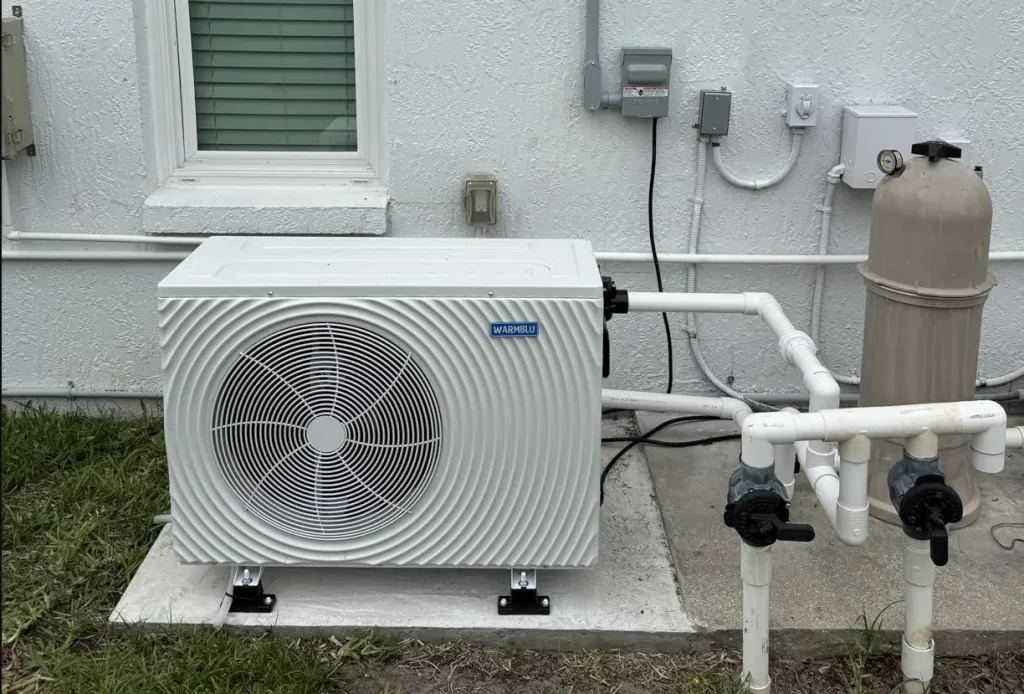
Heat pumps use electricity to move heat from the surrounding air into the pool water.
Condensation is a normal part of this process. Depending on the weather and operating conditions, a heat pump can produce a noticeable amount of water beneath the unit.
This means that water underneath a heat pump is not necessarily a leak.
The important question is whether the water is coming from normal condensation or from the pool’s plumbing system.
Should You Keep Running a Leaking Pool Heater?
It depends on what is causing the water.
If you’ve confirmed that the water is normal condensation from a heat pump and the system is otherwise operating normally, this may not indicate a fault.
However, if you cannot identify the source of the water, the leak is getting worse or water is coming from inside the heater, it’s safer to stop using the system until it has been inspected.
You should also avoid operating a heater if water is reaching electrical components or other areas where it could create a safety risk.
For a gas pool heater, don’t attempt to open the unit or interfere with its gas or combustion components yourself.
What Can You Check Before Calling a Professional?
There are a few basic observations you can make without taking the heater apart.
Check the surrounding area
Look around the heater, nearby pipework and connections to see whether the water is coming from a specific point.
Check whether the circulation system is running
If water only appears while the pool system or heat pump is operating, this can provide a useful clue.
Check the pool water level
An unexplained drop in pool water can indicate a leak somewhere in the circulation system. However, evaporation and other sources of water loss should also be considered.
Check for visible damage
Look for obvious cracks, damaged fittings or signs of corrosion around accessible external components.
Don’t remove covers or panels simply to find the source of a leak, particularly on a gas or electrically powered heater.
How Is a Leaking Pool Heater Fixed?
The repair depends entirely on the source of the water.
A professional may need to:
- Inspect the heater and surrounding plumbing.
- Identify whether the water is condensation or pool water.
- Check external connections and fittings.
- Inspect relevant internal components.
- Assess the heat exchanger where necessary.
- Check for corrosion or other damage.
- Determine whether a component can be repaired or needs replacement.
- Test the system after the repair.
A minor connection issue may be relatively straightforward to resolve. A damaged internal component or heat exchanger can be a more significant repair.
That’s why identifying the source first is important.
FAQs About Pool Heater Leaking Water
Why is my pool heater leaking water?
A leaking pool heater can be caused by condensation, damaged plumbing connections, cracked internal components, corrosion, a damaged heat exchanger or problems with surrounding pipework. If it’s a heat pump, the water may simply be normal condensation.
Is water underneath a pool heat pump normal?
It can be. Heat pumps produce condensation during normal operation, and this water drains from the unit. If the amount of water seems excessive or you’re unsure whether it is condensation or pool water, have the system checked.
How do I know if my pool heat pump is actually leaking?
Look at where the water is coming from and when it appears. Water produced while the heat pump is operating may be condensation. Water coming from a plumbing connection or continuing to appear when the system is off may indicate a genuine leak.
Can a leaking pool heater be repaired?
Yes, depending on the cause. Loose connections and some damaged components may be repairable, while severely damaged heat exchangers or other major components may require replacement.
Does a leaking pool heater mean I need a new heater?
Not necessarily. A leak doesn’t automatically mean the entire heater needs to be replaced. The age and condition of the system, the location of the leak and the cost of repair all need to be considered before deciding between repair and replacement.
Conclusion
Water around your pool heater isn’t always a sign of a serious problem, but it’s important to identify where the water is coming from before continuing to use the system.
If you have a gas pool heater leaking water, or you’re concerned about the condition or performance of your pool heating system, our team can help. Contact Lightning Bult today to arrange professional pool heater service in Sydney.