


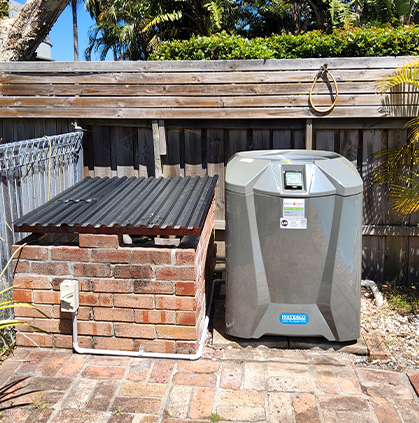

Found the perfect outdoor gas fireplace? Hold that thought. An outdoor gas fireplace installation needs the right location, clearances, gas connection and surrounding setup before the first flame can light.
Fortunately, our gas fireplace specialists can explain what needs to be considered before you commit to a model or redesign your alfresco area. Let’s get into the essentials before you book the work.
Why Outdoor Gas Fireplace Installation Works Differently to Indoor
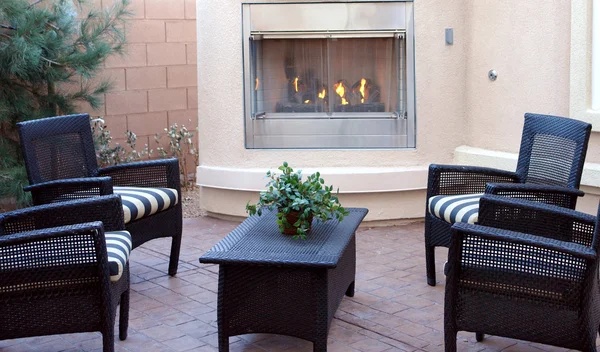
An outdoor gas fireplace follows a different set of installation requirements. Below, we’ll look at what those rules mean for your space.
Most Outdoor Gas Fireplaces Don’t Need a Flue
A fireplace installed in a genuinely open outdoor area can generally discharge combustion products directly into the surrounding air, so a conventional chimney or flue may not be required.
Open decks, uncovered patios and other areas with unrestricted airflow provide the ventilation needed for combustion gases to disperse.
Indoor gas fireplaces operate under different requirements. Under AS/NZS 5601.1:2022, indoor gas appliances generally require an appropriate flue system, such as:
- A flue that discharges through a wall or roof;
- A sealed balanced flue system designed for the specific appliance.
The same principle applies to outdoor gas appliances such as portable patio heaters. Appliances approved for outdoor use should not be brought indoors.
Skipping a flue does not mean skipping safety requirements. Outdoor fireplace installation is still licensed gasfitting work, with the applicable requirements depending on the appliance and installation location.
Covered Alfresco and Patio Areas Change the Rules
A roofed alfresco, pergola, balcony or screened patio can change the ventilation characteristics around a fireplace.
Under AS/NZS 5601.1:2022, gas appliances installed in covered areas may require the flue terminal to extend beyond the covered space and discharge towards an open side.
Some outdoor appliances, including domestic gas barbecues and radiant gas heaters designed for outdoor use, have specific exemptions under the standard.
An outdoor gas fireplace may fall under different requirements, so homeowners should not assume the same exemption applies.
A licensed gasfitter needs to assess the exact fireplace, data plate, installation manual and surrounding space.
Walls, screens and the size of the covered area can all affect whether the space qualifies as genuinely outdoor or requires additional ventilation or flue arrangements.
Types of Outdoor Gas Fireplace and How Installation Differs
The design of an outdoor fireplace can influence everything from its gas connection to the preparation required around it. Let’s compare the main differences.
Freestanding and Portable Units
Freestanding models need little structural preparation compared with built in fireplaces.
Portable units may connect to an LPG bottle, while fixed models can connect to an outdoor gas bayonet or dedicated gas supply.
Their flexibility makes them practical for renters or homeowners who may want to reposition the appliance. However, any fixed gas connection still requires a licensed gasfitter.
Under National Construction Code (NCC) provisions, gas appliances are governed separately from solid fuel fireplaces.
While wood burning units must satisfy specific spatial separation rules under AS/NZS 2918, outdoor gas fireplaces are regulated under AS/NZS 5601 gas installation standards.
Built-In and Linear Feature Fireplaces
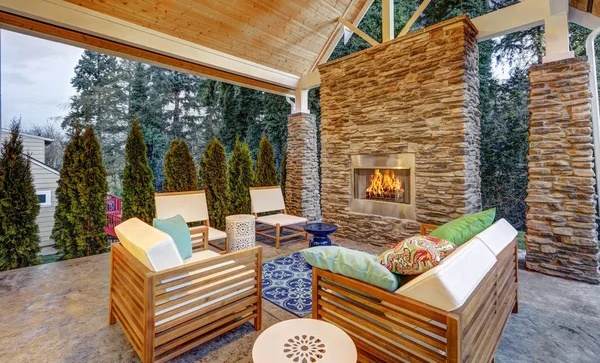
Built-in and linear fireplaces integrate directly into an outdoor wall, feature structure, or custom enclosure. Because they are permanent fixtures, installation requires thorough preparation, including:
- Permanent Gas Supply: Fitting a dedicated gas line installed by a licensed gas fitter.
- Structural Framing & Cladding: Constructing compliant framing with approved, non-combustible building materials.
- Weatherproofing: Protecting the unit and enclosure from water ingress and outdoor elements.
- Clearance Requirements: Maintaining strict clearances to combustible materials as specified by the manufacturer and plumbing standards.
- Service Access: Designing accessible panels for future maintenance, testing, and repairs.
To avoid extra costs, though, we suggest sorting out your gas connections before laying paving or decking. Doing so can save you the hassle and expense of retrofitting the connection later.
Fire Pit and Fire Table Style Units
Fire pits and fire tables are designed to sit within the entertaining area, which makes their location particularly important.
LPG models can suit patios without a natural gas connection, while natural gas versions can provide a practical option for permanent installations.
Since the flame sits closer to ground level, nearby features need to be positioned carefully. Ensure safe distances from lounge seating, dining tables, patio umbrellas, and overhead covered roofs.
To help you weigh up your options, here’s a quick overview of their installation requirements.
| Fireplace Type | Typical Gas Supply | Installation Considerations |
| Freestanding and Portable | LPG bottle or outdoor gas point | Minimal structural work; fixed connections require licensed gasfitting. |
| Built-In and Linear | Permanent gas connection | Framing, cladding, weatherproofing and clearances. |
| Fire Pit and Fire Table | LPG or natural gas | Low flame location requires careful clearance planning. |
How to Connect Gas to Your Outdoor Fireplace
Getting the gas supply right is an important step in your fireplace plans, so let’s look at which option suits your property.
Extending Your Existing Natural Gas Line
Homes with natural gas can usually have their supply line extended to an outdoor fireplace by a gas fitter.
Before running new pipework, the professionals must inspect your current setup to verify that your gas meter and pipe network can support the extra demand.
This capacity check is critical if your home already runs multiple gas appliances, including:
- High-flow hot water systems
- Gas cooktops and ovens
- Indoor central or space heating
If your current lines cannot support the total megajoule (MJ) demand, calling in an expert for gas line installation and repair solves the problem.
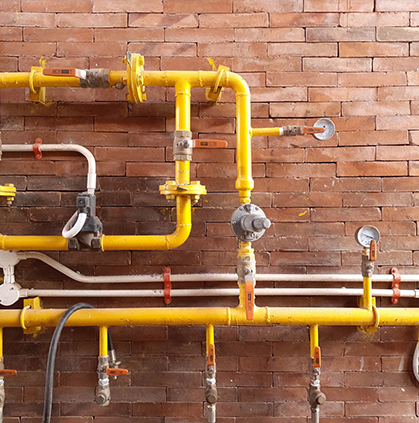
They will upgrade your supply lines, route compliant pipework safely through walls or underground, and connect your fireplace without overloading your system.
LPG for Outdoor Areas Without Mains Gas
LPG provides full flexibility for properties without mains gas or for fire features located far from the house.
On larger Northern Beaches blocks, using LPG avoids the high cost of laying long underground gas lines.
- LPG Bottles: Ideal for seasonal or occasional use, with simple cylinder replacements.
- Fixed LPG Tanks: Built for higher demand and frequent outdoor entertaining.
Site access, available space, and your expected usage all play a part in finding the right fit. A gas specialist will assess your property and install the correct gas supply to keep your outdoor area running safely.
Clearance, Placement and NSW Compliance for Outdoor Gas Fireplace Installation
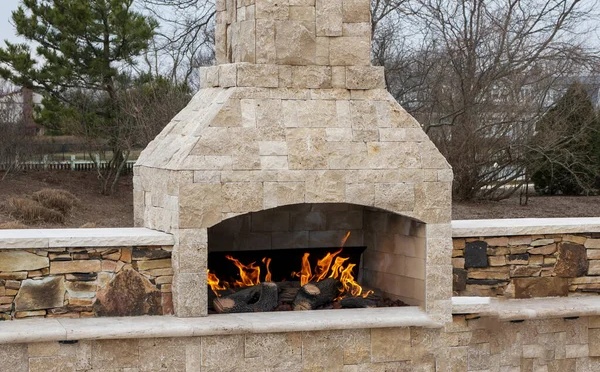
The fireplace location affects the clearances, building requirements and approvals that may apply. For NSW properties, the appliance, surrounding structures and site conditions all need to be assessed before installation.
Clearance to Boundaries, Structures and Combustible Surfaces
The spot that looks perfect for your fireplace may not have enough clearance for safe installation.
Outdoor gas fireplaces generate significant heat, so nearby timber, walls, fencing and other combustible materials need adequate separation based on the specific appliance.
Check the manufacturer’s installation manual before finalising your outdoor layout. The required distances can apply to more than the fireplace itself, including:
- Walls and boundary fences
- Timber decking and flooring
- Pergola posts, beams and roof structures
- Screens and other nearby enclosures
- Furniture and decorative features
Do You Need Council Approval?
An outdoor gas fireplace may not require a NSW Development Application when the fireplace itself qualifies as exempt development.
Gas safety and installation compliance still apply, while any new structure built around the fireplace may have separate planning requirements.
For example, a new pergola, roofed alfresco, enclosure or substantial landscaping structure can have its own rules concerning:
- Building size and height
- Boundary setbacks
- Location relative to the road frontage
- Construction materials
Applicable exempt development standards form part of the planning assessment. NSW provisions set requirements for certain outdoor cooking structures, while the ABCB Housing Provisions set separate construction requirements for open fireplaces and solid fuel appliances.
Bushfire-Prone Land Considerations
Properties located on designated Bush Fire Prone Land may have additional requirements for outdoor fireplace installations.
The level of bushfire risk varies according to factors such as vegetation, distance from vegetation and site slope.
Factors such as slope, vegetation type and distance from bushland contribute to the property’s bushfire risk. Those factors can affect the materials used for structures around the fireplace, including feature walls, decking and alfresco areas.
Before finalising the installation, check the property’s bushfire requirements with your local council or the NSW Rural Fire Service. We’d suggest getting a qualified bushfire consultant involved when your site requires a formal BAL assessment.
What Does Outdoor Gas Fireplace Installation Cost in Sydney?
Different fireplace designs require different installation work. Use the table below to see the main factors that can affect your costs.
| Installation Type | Cost Level | What Affects the Cost |
| Freestanding / Portable | Low | Gas connection |
| Built-in / Linear | High | Structure, finishing and gas connection |
| Gas Line Extension | Varies | Distance, access and pipework capacity |
Exact pricing depends on the fireplace model, site access, existing gas supply and work required for the installation.
A property requiring structural preparation or a longer gas run can have a very different total from a freestanding unit with an existing outdoor gas connection.
For comparison, NSW approval and certification requirements for solid fuel fireplaces can include site plans, elevation plans, manufacturer specifications and an installation certificate.
Separate licensing requirements may also apply to certain solid fuel installations costing more than $5,000. Those requirements apply to solid fuel appliances, so they should not be used as a cost guide for outdoor gas fireplaces.
The best way to establish your installation cost is to have the proposed fireplace and site assessed before work begins. You can then receive a price based on the actual gas connection, pipework, access and installation requirements.
The Outdoor Gas Fireplace Installation Process
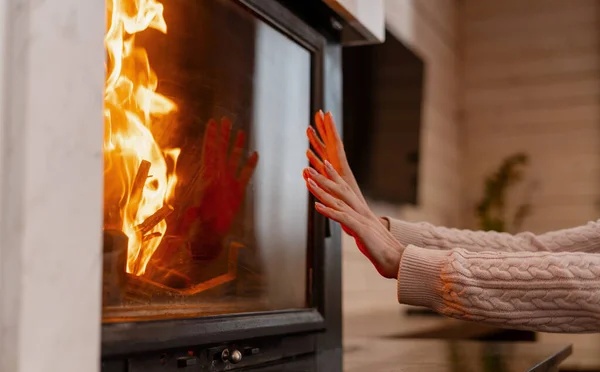
Installing an outdoor gas feature requires careful coordination between site design, safety clearances, and gas fitting standards. To show you how it all comes together, we’ll walk you through the four key stages of the installation process.
Step 1: Site Assessment and Appliance Selection
A qualified gas technician visits your property to evaluate your proposed installation location.
During this check, they measure boundary setbacks, check vertical clearance beneath covered roofs or pergolas, and inspect surrounding materials like timber decking or cladding.
They will also verify that your chosen fireplace model complies with AS/NZS 5601.1 standards and fits the heat output demands of your entertaining space.
Step 2: Gas Supply Assessment and Connection
The technician assesses your property’s gas infrastructure.
For natural gas setups, they calculate total MJ demand across your existing appliances to ensure your meter and supply lines can handle the extra load before trenching and running new hard-drawn copper pipework.
If natural gas is unavailable or cost-prohibitive, they establish a compliant dual 45 kg LPG cylinder or bulk tank layout with proper regulator connections.
Step 3: Installation, Fixing and Weatherproofing
Once the gas line is staged, the fireplace chassis is securely mounted and leveled.
For built-in linear models, this involves constructing non-combustible sub-framing using steel studs and fire-rated cladding board.
The unit is then plumbed into the gas point, sealed against rain and coastal moisture using exterior-grade flashings, and fitted with proper ventilation panels to prevent gas build-up inside the cavity.
Step 4: Testing, Compliance Certificate and Handover
With the unit fully assembled, the installer pressure-tests the entire line for gas leaks and verifies operating burner pressures.
Once safety checks pass, they issue an official Gas Compliance Certificate (or Certificate of Inspection), which certifies that the installation meets NSW gas safety regulations.
Finally, they walk you through ignition procedures, flame control, and routine maintenance before handing over the system.
Choosing a Licensed Gas Fitter for Outdoor Installation
Outdoor gas fireplace installation is regulated gasfitting work under NSW law, regardless of whether the appliance uses a flue or connects to an LPG bottle.
Even though a low-profile fire pit looks like a simple backyard feature, running pipework, calculating gas pressures, and sealing connections must be completed by a professional to ensure safety and insurance compliance.
If you are planning a broader backyard renovation, choosing an experienced team can simplify the process.
Lightning Bult’s team handles complete gas fitting services across the area, including outdoor fireplaces, kitchen connections, pool heating installations and other outdoor heating solutions.
Working with a licensed gas fitter guarantees your new outdoor fireplace meets all NSW safety codes and comes with an official compliance certificate after completion.
FAQ about Outdoor Gas Fireplace Installation
Here’s what you need to know about safety, regulations, and placement.
Does an outdoor gas fireplace need a flue?
Not always. Many outdoor gas fire pits, tables, and open-front fireplaces are engineered to run flueless because outdoor airflow naturally disperses exhaust gases.
However, enclosed models, units installed under deep covered roofs, or partially walled outdoor rooms often require a flue or dedicated ventilation system.
Can I install an outdoor gas fireplace myself?
No. In NSW, all gas installation work must be completed by a licensed gas fitter by law. DIY gas fitting is illegal, highly dangerous, and will invalidate your home insurance.
A qualified professional will ensure correct pipe sizing, leak testing, safety clearances, and compliance with AS/NZS 5601.1 standards.
How much clearance do I need from my fence or a neighbour’s boundary?
Clearance distances depend on the appliance model, its megajoule (MJ) rating, and whether the boundary fence is made of combustible material like timber.
While some low-output units require minimal separation, others need significant space. Your gas fitter will check the manufacturer instructions against AS/NZS 5601.1 standards to confirm safe setbacks for your site.
Can I put an outdoor gas fireplace under a covered patio or pergola?
Yes, provided the space meets mandatory vertical clearance and open-wall requirements.
Under Australian standards, an outdoor area must have adequate open perimeter area to allow gas exhaust to vent freely. If your patio is heavily enclosed, you may need a flued appliance or specialized structural ventilation.
Does outdoor gas fireplace installation need a compliance certificate?
Yes. After completing the installation, your licensed gas fitter must issue an official Gas Compliance Certificate (or Compliance Plate).
The said document proves the work complies with NSW safety regulations and AS/NZS 5601.1 standards, which is essential for home insurance coverage and property sales.
Conclusions
Your outdoor fireplace can be the perfect finishing touch for an alfresco or entertaining area, but outdoor gas fireplace installation needs to meet the right gas, clearance and safety requirements.
When you are ready to kick off your outdoor upgrade, reach out to the team at Lightning Bult! We will ensure your new fireplace is installed safely and ready to light up your next gathering.