




A small fireplace fault can have a very different repair bill from a failed component requiring replacement. That’s why gas fireplace repair costs can vary across Sydney homes, even when two fireplaces show similar symptoms.
No need to guess, though. Our gas fireplace specialists can identify the source of common faults and explain the work involved. Let’s look at realistic price ranges before you book a repair.
What Determines Gas Fireplace Repair Cost in Sydney
Before booking a repair, understanding how Sydney technicians structure their pricing (and the key factors outlined below) will help you budget effectively and avoid surprises on your bill.
Call-Out Fee and Labour Rate
Most Sydney gas fitting jobs begin with a call-out fee, followed by an hourly labour charge for diagnosis and repair work. Since trade pricing can change throughout the year, current rates should be confirmed before publication.
| Service | Typical Sydney Price Range |
| Standard call-out fee | $92–$205 |
| Hourly labour | $115–$230 |
| After-hours call-out | $250–$400 |
| Straightforward repair | $250–$450 |
| Complex repair | $500–$1,000+ |
Because of this base structure, minor fixes like clearing a clogged pilot burner or adjusting a loose connection can often be wrapped up within a single hour, keeping total job costs around $250 to $450.
However, as diagnostic time stretches or major components enter the equation, total costs naturally scale toward $500 to $1,000 or more.
If you want to avoid surprise call-out costs, plans like Lightning Bult’s Homeguard Maintenance Plan waive call-out fees entirely and offer discounted labour rates for $234 per year.
Specific Faults, Parts, and Appliance Brands
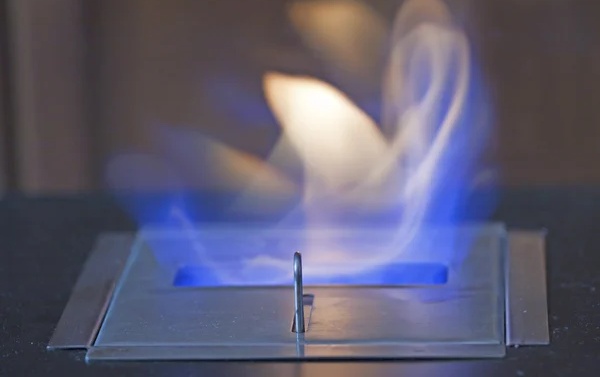
The specific component requiring replacement has a major bearing on both part costs and labor time.
While a universal thermocouple might only cost $20 to $80, high-end components like electronic ignition boards, main gas control valves, or heat exchangers carry much higher price tags.
In addition, the brand and age of your unit dictate how quickly those parts can be sourced. Common models from manufacturers like Rinnai, Real Flame, Regency, Jøtul, and Lopi generally have readily available parts.
On the other hand, older or discontinued models often require specialized components from niche distributors, which can extend both the repair timeline and the overall expense.
Access and Fireplace Type
Built-in, cavity-mounted units usually take longer to access than freestanding models, which directly impacts labor costs.
While a freestanding fireplace can usually be evaluated and serviced within a baseline $150 to $250 labor window, built-in units often require extensive disassembly.
If a technician needs to carefully unmount heavy structural fascias, navigate tightly recessed wall cavities, or deal with restricted ventilation pathways, the labor component alone can quickly add an extra $100 to $300+ to the final invoice.
Common Gas Fireplace Repairs and What They Typically Cost
While every home setup is unique, comparing standard component prices below gives you a clear picture of what a typical gas fireplace repair cost looks like in Sydney:
| Common Repair | Detail | Typical Sydney Price Range |
| Pilot Light or Igniter Adjustment / Replacement | Cleaning pilot jets, re-aligning spark igniters, or installing a new ignition assembly. | $150 – $350 |
| Thermocouple Replacement | Swapping out a failed flame sensor to restore safe, reliable pilot operation. | $180 – $380 |
| Gas Control Valve Replacement | Replacing the main gas valve to restore proper gas flow and pressure control. | $450 – $850 |
| Remote or Control Board Fault | Diagnosing electrical issues, replacing receiver modules, or installing a new PCB unit. | $400 – $900 |
| Glass Panel Replacement | Sourcing and fitting heat-resistant ceramic glass designed specifically for your firebox model. | $350 – $800+ |
| Blower or Fan Motor Repair / Replacement | Cleaning, repairing, or replacing the circulation fan responsible for pushing heat into the room. | $300 – $650 |
Keep in mind, these numbers are just a general guide. A licensed gasfitter will need to inspect your unit in person to check component availability, test the issue, and provide an accurate quote.
Why a Licensed Gasfitter Is Legally Required for Gas Fireplace Repairs in NSW
Gas fireplace repairs are regulated work in NSW, so they should be handled by a properly licensed gasfitter.
Under the Gas and Electricity (Consumer Safety) Act 2017, gasfitting work must also comply with AS/NZS 5601.1. A qualified technician needs the appropriate NSW Fair Trading licence and gasfitting endorsement to work on your fireplace or gas supply.
After the repair, required pressure and safety testing must be completed before a Certificate of Compliance for Gas Work is issued. The certificate provides formal confirmation that the work meets the applicable requirements and can also support your insurance and appliance warranty records.
Signs You Need a Repair (And What Each One Usually Means for Cost)
Let’s now look at the common warning signs and what each one can mean for your repair bill.
Fireplace Won’t Light
A failed ignition can stem from a pilot issue, faulty igniter or interrupted gas supply. Basic fixes generally fall toward the lower end of the repair range.
A faulty gas valve, however, can require additional diagnostic work and replacement parts.
Pilot Light Won’t Stay Lit
A pilot that repeatedly goes out commonly points to a worn thermocouple or thermopile.
Replacing one of these components can be relatively inexpensive, although further diagnosis may be needed when the new part does not resolve the fault.
You Can Smell Gas
A noticeable gas smell should never be treated as a routine fireplace fault.
If it is safe to do so, turn off the gas supply and avoid operating electrical switches or ignition sources nearby. Contact a qualified professional for gas leak repair as soon as possible.
Unusual Noise or Smell When Running
Some smells, such as a brief dusty odour when an appliance is first used after a period of inactivity, can have a harmless explanation.
A persistent smell, unusual burner noise or signs of soot warrant an inspection, particularly where combustion or ventilation could be involved.
Glass Fogging or Turning Black
Foggy or blackened glass can indicate an issue with combustion or ventilation.
Cleaning the glass alone may not resolve the underlying fault, so a technician should inspect the appliance and identify the source.
Remote or Wall Control Not Responding
An unresponsive remote or wall controller can result from depleted batteries, a faulty receiver or an electronic control board problem.
Battery replacement is a simple fix, while receiver and control-board faults can add parts and labour costs..
Repair vs Replace: When It’s Worth Fixing vs Upgrading
As a general rule of thumb, a single, moderate repair on an otherwise sound unit is almost always worth doing.
However, if your fireplace requires repeated service calls or faces a major component failure late in its expected lifespan, sinking money into repairs offers diminishing returns compared to an upgrade.
| Option | Ideal Scenario | Key Financial Considerations |
| Repair | The unit is under 10–12 years old.Repair cost is well under 50% of a new unit.Issues are isolated (e.g., thermocouple or igniter). | Low upfront spend that restores immediate warmth without altering surrounding wall framing, plaster, or joinery. |
| Replace | The unit is 15+ years old.Frequent breakdowns or obsolete parts.Major failure (cracked heat exchanger or control valve). | Higher initial outlay, but delivers modern safety features, higher energy Star Ratings, lower gas bills, and full warranty coverage. |
Most quality gas fireplaces installed in NSW homes have an expected operating lifespan of 10 to 15 years. Beyond the 12-year mark, finding exact replacement components for discontinued models becomes increasingly difficult and expensive.
If a technician has to hunt down rare parts through specialized suppliers, those extended lead times and premium prices often tilt the scale toward buying a new model.
How to Keep Gas Fireplace Repair Costs Down
You can keep your ongoing maintenance costs as low as possible using these strategies:
- Schedule Annual Servicing: Routine maintenance allows a technician to clean burner ports, clear dust build-up, and replace worn thermocouples before a minor component failure causes widespread damage to the system.
- Keep the Surrounding Area Clear: Avoid using your hearth as a temporary storage or clothes drying space. Dust, lint, and blocked air intakes force the burner assembly and blower motor to work harder, accelerating wear and tear on critical electronic components.
- Book Your Service Early: Reach out to your gas fitter in early autumn rather than waiting for the first cold snap. Scheduling service ahead of peak winter demand helps you secure convenient booking times and avoids emergency or after-hours call-out rates.
FAQ about Gas Fireplace Repair Cost
Here are the questions Sydney homeowners ask us most when budgeting for a gas fireplace repair:
How much does it cost to fix a gas fireplace pilot light in Sydney?
Fixing a pilot light generally ranges from $150 to $350. If the issue is a simple blockage, cleaning the pilot jet stays on the lower end.
But let’s say the igniter assembly or control module needs complete replacement, then parts and extra labour will push the final bill toward the higher end of that range
Is it illegal to repair a gas fireplace yourself in NSW?
Yes. In New South Wales, DIY gas repairs are strictly illegal under the Gas and Electricity (Consumer Safety) Act 2017.
All gasfitting work must be completed by a licensed tradesperson holding a gasfitting endorsement from NSW Fair Trading to ensure home safety, legal compliance, and valid home insurance.
How do I know if I need a repair or a replacement?
A repair is usually the best choice for isolated faults on fireplaces under 10 to 12 years old.
If your unit is over 12 years old, needs frequent fixes, or faces a major control valve or heat exchanger failure, investing in a high-efficiency replacement offers much better long-term value.
Does home insurance cover gas fireplace repairs?
Generally, no. Standard home insurance excludes mechanical breakdowns, wear and tear, or general maintenance.
Insurance typically only steps in if your gas fireplace suffers sudden physical damage caused by an insured event, such as a severe storm, house fire, or flash flood.
How often should a gas fireplace be serviced to avoid costly repairs?
You should have your fireplace professionally serviced once every 12 to 24 months, ideally in early autumn before winter demand peaks.
Regular check-ups also allow a gas fitter to clear dust build-up, clean burners, and swap out aging parts before a small, cheap fault turns into an expensive emergency breakdown.
Conclusions
The gas fireplace repair cost can range from a relatively simple service to a larger repair when major components need replacement. A qualified technician can diagnose the fault, explain the required work and provide a clearer idea of the likely repair expense.
Need a professional eye on your fireplace? Reach out to our team at Lightning Bult to book an on-site inspection and clear, upfront quote!