






You’re fine at work, but the moment you walk through your front door, the sneezing starts. What’s the problem? Your ducts could be spreading mould spores and bacteria. So, AC duct cleaning can be the fix you need.
But can you handle it yourself, or do you need an air conditioning service to help?
This guide shows 9 clear signs your system needs attention, when a $30 shop vacuum can do the job, and when you should call in the professional. Read on!
9 Signs Your AC Ducts Need Cleaning
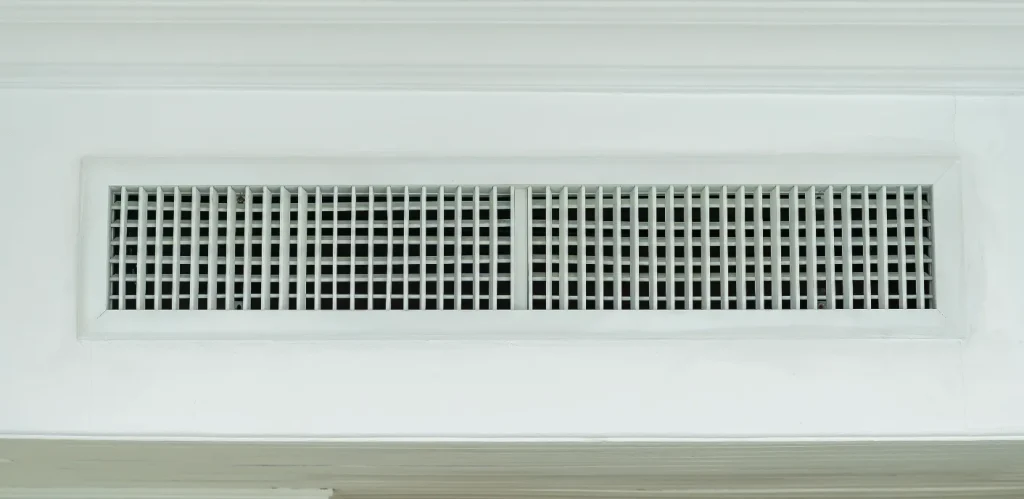
Image by mrs-pichakarn on Freepik
Your ducted AC will signal trouble with clear warnings. But a single sign rarely stands alone, and the clues don’t always arrive in the order on our list:
1. Localised Allergy Spikes
- Category: Health
You’re fine at work or at the shops, but at home sneezing starts. Your eyes water, throat itches, and after 10–15 minutes with the AC on, you’re stuffed up.
Dirty ducts push dust mites, pollen, pet dander, mould spores, and bug debris with every cycle. Reactions happen fast when you breathe in a concentrated allergen mix.
2. The “First Start” Cloud
- Category: Visual
The first sign shows up when you turn the system on. If the fan puts out a small puff or grey dust from the vent, that’s a bad sign.
In a clean system, air pressure changes shouldn’t cause dust. A visible cloud means a lot of loose dirt near the duct opening, ready to blow out.
3. The “Dirty Sock” Odour
- Category: Smell
Another clear sign you need AC duct cleaning is a stale, earthy odour as soon as the air starts moving. Some call it “old wet towels” or “sour feet.”
The smell differs from sharp, mechanical burns like hot metal or ozone. It’s rounder and more organic. It usually fades after about 10 minutes, but isn’t really gone.
4. “Ghosting” Marks
- Category: Visual
Ghosting appears as dark streaks or pale shadows on walls and ceilings, radiating from vents. It’s not dust. It’s thermal tracking.
The pattern spreads because air from the supply vent creates static, choppy air at its edge, which pushes against nearby ceiling plasterboard, a common cold spot.
5. Visible “Velvet” on Louvres
- Category: Visual
If your vent slats show a thick, fuzzy coat of grey or black fur, it’s more than dust. This dense, matted, often oily layer, sometimes called velvet, clings to grilles, unlike normal dust.
So, why does debris stick to louvres even when air blows out? The louvres are cold metal, and condensation from cool air dampens the surface, acting like glue for dust and soot.
Edge turbulence can push particles into the grille, worsening buildup. When this happens, that’s the sign your AC ducts need cleaning right away.
6. “Snowing” Debris
- Category: Visual
Snowing means dust chunks fall from ceiling vents and drift onto tables, counters, or beds.
These chunks get bigger, and the air blows them out of the vent. In many homes, that shows the duct and the ceiling aren’t sealed, so old glasswool insulation or “fairy floss” from the attic sneaks in.
7. Rapid Filter Choking
- Category: Performance
In a healthy system, a filter should last 60 to 90 days. If the filter is already grey with grime or clogged after only 2–3 weeks, the return ductwork is dirty. This can cause your AC not blowing cold air
The filter catches particles in room air before they reach the moving parts. When the return ducts have years of dust, the system acts like a big vacuum that keeps re-cleaning its mess.
8. Mechanical “Rattles”
- Category: Sound
Many people think small ticking sounds from normal duct expansion are nothing to worry about. But metal rattling or sliding noises mean something is stuck in your system.
In many homes, these sounds come from the original construction. Homeowners often hear rattles from metal offcuts, plasterboard screws, or lunch wrappers dropped into floor registers before the grilles were installed.
9. Pest Evidence
- Category: External
You pull a vent cover and glimpse cockroach wings, rodent droppings, or shredded insulation packed behind the grille. A faint, off smell can signal a dead animal decaying somewhere in the duct.
This is the big red flag, one of the most urgent signs on the list. Pest evidence means your ductwork is breached. It usually sits at a roof-cavity boot, a poorly sealed joint, or where a flexible duct has torn.
Can You Clean AC Ducts Yourself?
Yes, you can handle some basic maintenance, but you can’t clean the entire duct system yourself.
A real duct cleaning needs professional tools, access to hidden ducts, and safety steps for mould and debris. What a homeowner can do is limited to visible parts and prevention, such as:
- Remove vent covers and wipe with a damp cloth and a little soap.
- Vacuum the first 30–60 cm of duct behind the vent with a brush attachment.
But you might need a technician for the rest. Why:
- Ductwork is buried in walls, ceilings, and attics, making reach hard.
- Flexible ducts can tear from rigid rods or heavy tools.
- Without a professional-grade negative-pressure vacuum, you can’t extract dust from sealed ducts.
- Mould requires protective gear and EPA-approved cleaners to stop spores from spreading.
How to Clean Your AC Vents & Reachable Ducts
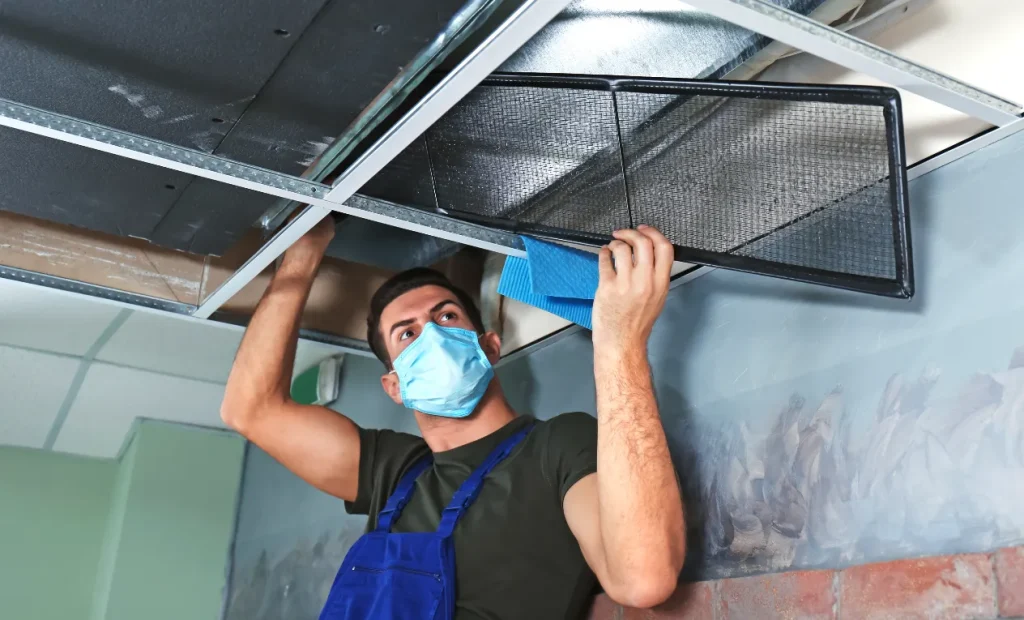
Image by pixel-shot.com on Freepik
If you’re ready to handle the accessible parts yourself, here’s a simple, step-by-step way to clean your AC ducts:
1. Turn Off Your HVAC System
Switch off the thermostat before touching anything. If mould in the AC unit is suspected, flip the circuit breaker to the AC unit.
Running the system while cleaning pulls debris and mould spores into your lungs. A stationary system avoids inhalation risk and prevents dust from blowing around.
2. Remove and Inspect Vent Covers
Grab a screwdriver and loosen the vent grilles. Shine a flashlight inside the duct to spot dust, mould, or debris.
Take a photo if you see mould. You’ll show a professional for assessment. It also helps track changes over time. Dirtier after renovations or cleaner after filter changes.
Don’t reach into the ducts with your hands or tools. This is an inspection, not removal.
3. Soak and Scrub Vent Covers
Fill a tub with warm, soapy water and soak the covers for a few minutes to loosen grime. Gently scrub with a soft brush, then rinse under warm water until no soap remains.
Let them dry completely before reinstalling. Wet covers trap moisture and can foster mould. If possible, place them in direct sun to use UV light against bacteria and mould spores.
4. Vacuum Accessible Duct Openings
Use a shop or household vacuum with a HEPA filter to prevent particle blowback. Then, use a long hose with a soft brush. You can avoid stiff metal nozzles or rigid edges that could snag the duct.
Slide the hose in gently and move slowly so suction grabs heavy debris. Don’t push it deep. Stay within the first 30–60 cm where you can see and reach.
5. Use a Soft Duct Brush
There’s a bendable, soft-bristled dryer vent brush. It reaches the duct to loosen dust that suction misses. Slide in slowly with a gentle turn, but don’t push hard. Stop if it resists to avoid poking the duct wall.
Move the brush in and out 5–10 times to cover the inner surface. Do it with two people: one swirls the dust, the other holds the HEPA hose at the duct opening to capture loosened particles.
Extend the brush only as far as you can see, and don’t push around corners to avoid harming the duct’s wire coil.
6. Wipe Down Grilles
Dampen a microfiber cloth with warm water and a drop of mild dish soap to clean your AC duct.
Then, wipe the duct opening, grille frame, register face, and the surrounding walls. Dust clings to drywall via static electricity, so wipe thoroughly to prevent drift back in.
Use firm, circular motions to lift grime, then dry immediately with a second clean cloth. Ensure it’s bone-dry to prevent moisture behind the grille.
7. Replace or Clean Your Air Filter
Find your air filter behind a return vent or near the indoor air handler. Hold it up to light. Grey/brown means dirty, white/light means clean. Check monthly and replace or clean by condition, not calendar.
For disposable filters:
- Replace every 1–3 months based on use, pets, and air quality.
- In Sydney summers with heavy AC, swap monthly.
- Moderate use: 60–90 days typical.
For reusable filters:
- Vacuum loose dust from both sides if very dirty.
- Wash with mild dish soap and warm water, scrub gently.
- Rinse from the dirty side until water runs clear.
- Avoid harsh cleaners that can damage the material.
8. Reinstall Covers and Restart System
Dry before reattaching vent covers; tighten to prevent dust. Turn the thermostat to ON and reset any tripped breaker. Run for 10–15 minutes and listen for unusual sounds.
Palm-test the registers to check airflow. It may feel slightly stronger, but don’t expect a big change.
When to Call a Professional for AC Duct Cleaning
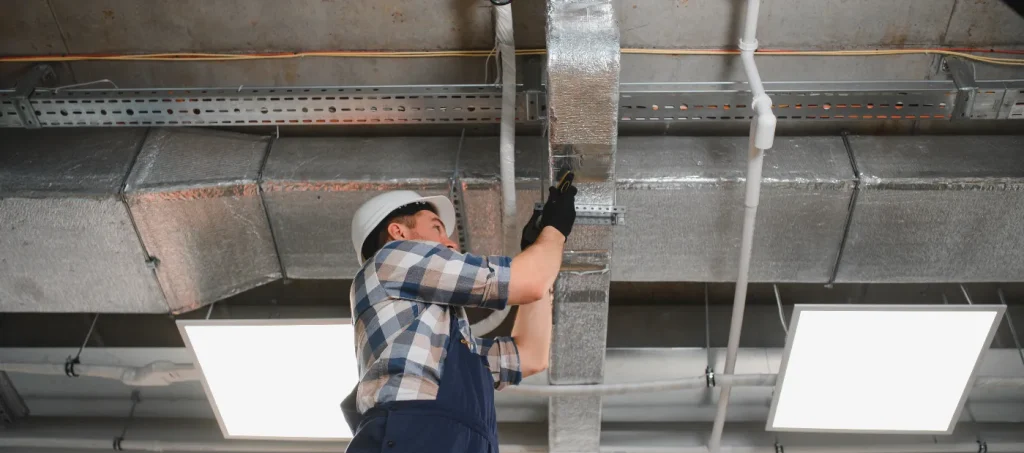
Image hryshchyshen on Freepik
Some duct cleaning tasks are beyond DIY. Here’s exactly when you should call a licensed HVAC professional:
1. Mould Growth in Ducts
If you notice fuzzy patches on vent covers or a musty odour after cleaning reachable areas, call a professional.
Do not scrub deep growth yourself. Disturbing colonies without proper containment can release spores into the air you breathe.
A licensed technician will use camera probes to locate deep colonies and run negative-air machines and HEPA systems to remove contaminants from your home, not push them to other rooms.
2. Pest or Rodent Infestations
If you hear scratching, see droppings, or find shredded insulation, the ducts are damaged and used as a nest.
This is a health risk because pest waste can carry germs like Leptospira and Salmonella, and the contaminated air can spread them through your home.
A professional won’t just vacuum. They’ll clean the paths and waste areas with safe cleaners to reduce the risk, locate exact leak points, and seal the system after cleaning.
3. Post-Renovation Dust
Heavy construction debris like drywall dust, sawdust, and crystalline silica can slip into horizontal duct runs. Regular home vacuums lack the power or negative pressure to pull gritty particles from long ducts.
A technician can connect large vacuum gear to your main plenum, creating a strong negative-air loop that pulls grit from the entire system at once.
This prevents rough dust from prematurely wearing the blower motor or recirculating for months after the project.
4. Inaccessible Ductwork
Most modern homes have flexible, foil-lined ducts that are hard for homeowners to service. DIY attempts are risky. The inner lining is fragile and can tear from standard vacuum hoses or rigid poles.
Technicians will use soft-bristled tools and cameras to move through delicate flexi-pipes, keep the foil safe, and loosen dust from the squishy walls without breaking anything.
5. Collapsed or Disconnected Ducts
If a room has dead zones with poor airflow, ducts are likely damaged, disconnected, or blocked. A whistling sound indicates a leak. A hiss or bubble usually signals a refrigerant leak.
Only an HVAC technician can fix it. They will check the exact choke point or disconnected joint inside walls or ceilings. They can often re-suspend sagging sections or replace damaged duct segments to restore airflow.
How to Prevent Dirty Ducts?
Prevention is cheaper than fixing later. Start these habits to extend deep cleans and keep air fresh:
1. Change Filters Regularly
Keeping ducts clean is all about keeping dust out. Use high-quality pleated filters. They’re key. In Sydney’s hot summers, check the filters every month. If you have shedding pets, change the AC filter more often.
2. Keep a Clean House
The AC system recycles air, pulling dust from floors and carpets into the return vent. You need to vacuum often with a HEPA filter, and mop hard floors to ease the AC’s workload, especially in Inner West homes by busy roads.
3. Seal Your Ductwork
Duct leaks act like a vacuum, pulling in dirty, hot air from your roof cavity or crawl space and dropping insulation fibres and dust into the loop.
You can tell your technician to check duct joints during the regular service. You can also seal leaks with foil tape or mastic to keep dust out and lock the cold air inside.
4. Manage Humidity
Mould needs moisture to grow. If the humidity stays under 60%, mould won’t really take root in duct liners.
Coastal Sydney is always humid. So, use your AC’s Dry mode or a dehumidifier during rainy weeks to keep your system clean inside.
5. Schedule Annual Maintenance
Ask a licensed HVAC technician to check the coils and blower every year. This way, you can hope to catch a small dust build-up early, and you avoid a big blockage.
This preventive move helps your system last about 15–20 years, saving you thousands in early replacement costs. Plus, it makes sure you have no issues like AC won’t turn on.
FAQ About AC Duct Cleaning
How often should AC ducts be cleaned?
For most homes, a professional deep clean is recommended every 3 to 5 years. And if you have shedding pets, severe asthma, or recent renovations, schedule an inspection every 2 years.
Does duct cleaning really help allergies?
Yes, but it’s only part of a bigger strategy. A professional cleaning stops pollen, dust mites, and pet dander from circulating when the fan starts.
Allergy sufferers often notice less hay fever and irritation. To keep the results, pair cleanings with high-MERV filtration to stop new allergens from getting in.
How much does AC duct cleaning cost in Australia?
Prices change with how big the home is and how dirty it is, but here’s a rough guide:
- Basic Service ($150–$300) — Filter change and vacuuming of accessible vents/registers.
- Full-House Deep Clean ($500–$1,100) — Negative-pressure vacuuming of all supply/return runs and mechanical agitation.
- Specialized Remediation ($1,200–$2,000) — Mold removal, animal carcass extraction, or heavy post-construction silica cleaning, often with TGA-approved sanitization.
Conclusion
Your ducts work in the background, moving the air your family breathes. If they clog with dust, debris, or moisture like mould, tackling the source keeps your system clean.
So, finding dirty ducts means maintaining both your system and your indoor environment. If you see mould, pests, or clogged registers, a professional inspection can reveal if cleaning is needed.
Contact Lightning Bult for professional duct services. Our technicians understand Sydney’s climate and follow industry standards to inspect and clean your system properly.