








It’s a nightmare when your AC breaks on a 40-degree day. And that quiet turns into stress as you rush to find reliable air conditioning services.
Many homeowners don’t realise that skipping regular maintenance, like an AC tune-up, is the direct cause of these expensive peak-season failures.
That’s why, in this article, we’ll explain why you need a professional air conditioner tune-up and how often you should book a service to protect your system. Let’s get started!
What is an AC Tune-Up?
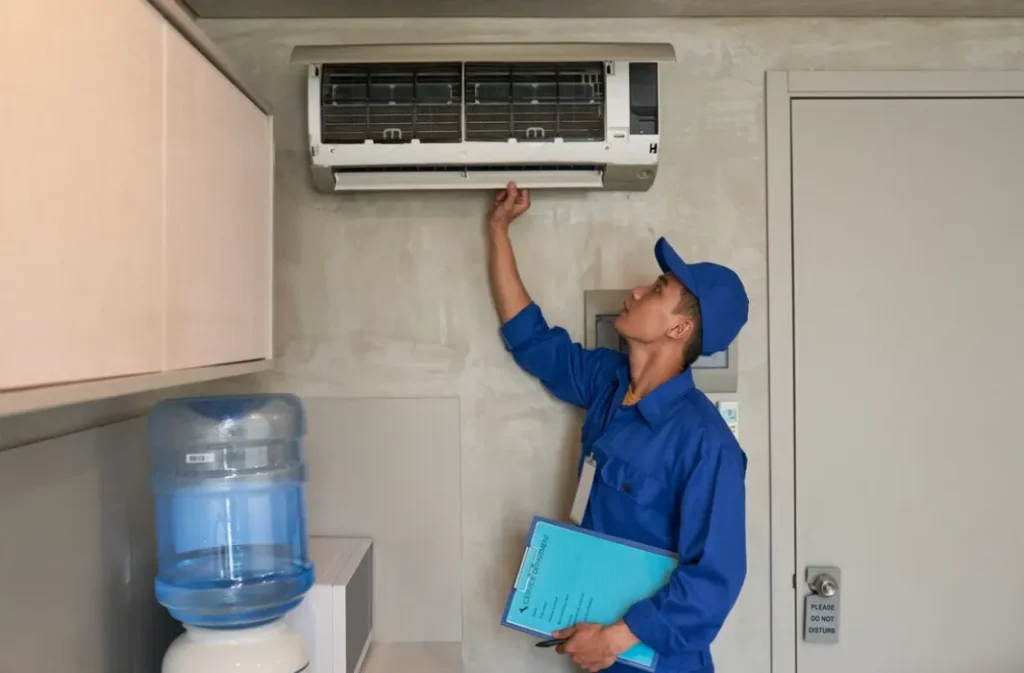
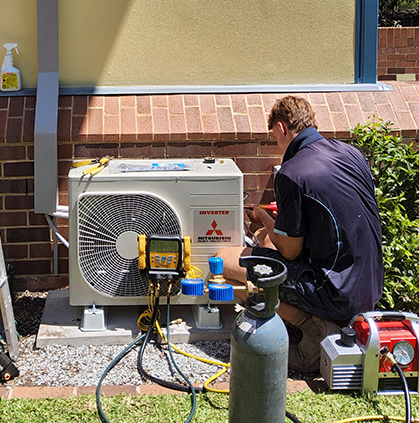
An AC tune-up is a scheduled pre-season service by a licensed HVAC technician to inspect your cooling system, fix minor issues, and restore its declining energy efficiency.
It’s a performance recovery for your air conditioner. This includes cleaning, adjusting, and testing key parts like air filters, refrigerant levels, and both evaporator and condenser coils.
HVAC tune-ups are designed to boost energy efficiency and catch issues early. This prevents expensive emergency repairs and extends your system’s lifespan.
Think of it as an AC health check-up. Like annual doctor visits, your air conditioning system needs regular professional care to stay healthy and run at peak performance.
And yes, an annual air conditioning tune-up is preventative maintenance, not a repair. This will make sure your system works efficiently when you need it most.
What’s Usually Included in an AC Tune-Up?
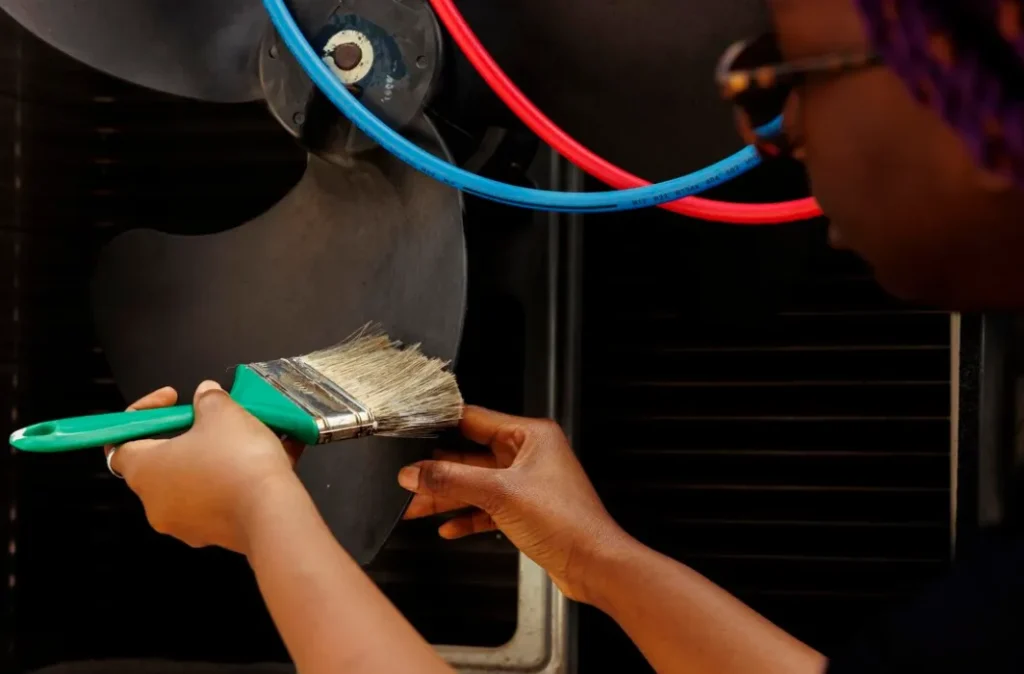
Here is a detailed list of the services and checks included in a normal AC tune-up:
1. Replacing the Air Filter
AC filter inspection is the simplest step to safeguard your airflow and indoor air quality. Your HVAC technician will check the existing filter’s size, fit, and rating (like MERV).
After that, they will replace the dirty element during an AC tune-up. They’ll also seal any gaps causing bypass filtration.
2. Calibrating the Thermostat
What if your AC works, but the thermostat isn’t responding to your set temperature or schedule?
That’s why air conditioning tune-ups include calibrating the thermostat, so it doesn’t misread, causing short-cycling or uneven temperatures.
Your technician will check the sensor placement with a trusted thermometer and adjust it.
3. Clearing the Condensate Drain
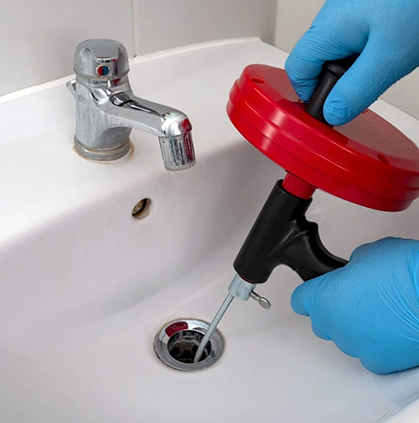
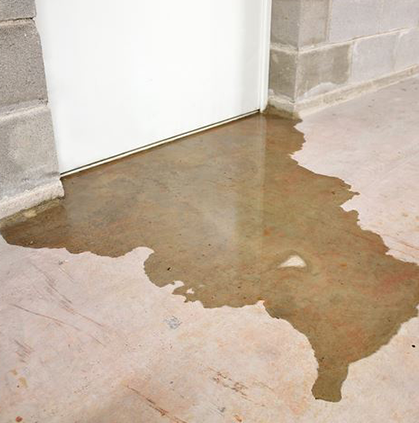
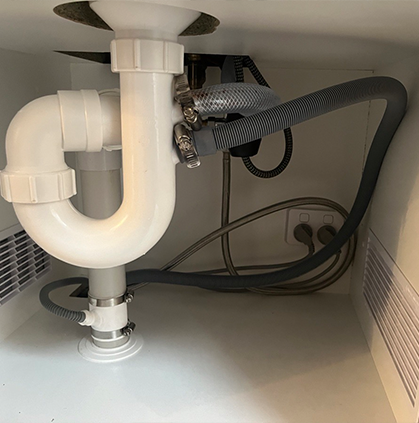
Your AC tune-up isn’t complete without regularly clearing the drain. It helps prevent water from backing up from the evaporator coil’s moisture removal.
In this step, your technician will flush the drain trap with water or safe cleaners, use a wet vac to clear out stubborn debris, and make sure the drain flow isn’t blocked at the end.
4. Cleaning the Coils
This is non-negotiable for AC tune-ups. Cleaning the AC coils restores evaporator and condenser coils for unrestricted heat transfer.
Your HVAC technician will apply approved non-acid foam, gently brush high-risk areas, and straighten bent fins. A low-pressure rinse follows, avoiding debris push and protecting electronics.
5. Checking Refrigerant Levels
Refrigerant verification will make sure your AC has the correct charge for efficient heat transfer. An undercharge or overcharge reduces cooling, increases energy use, and risks compressor damage.
This will include technical measurements like line temperatures and pressures. Superheat and subcool values need to be calculated and compared with manufacturer specs.
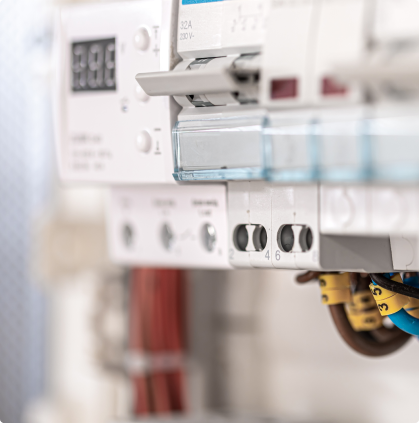
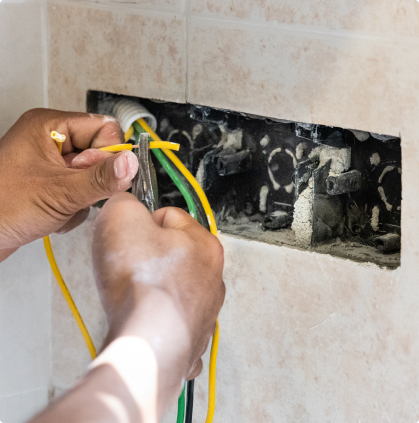
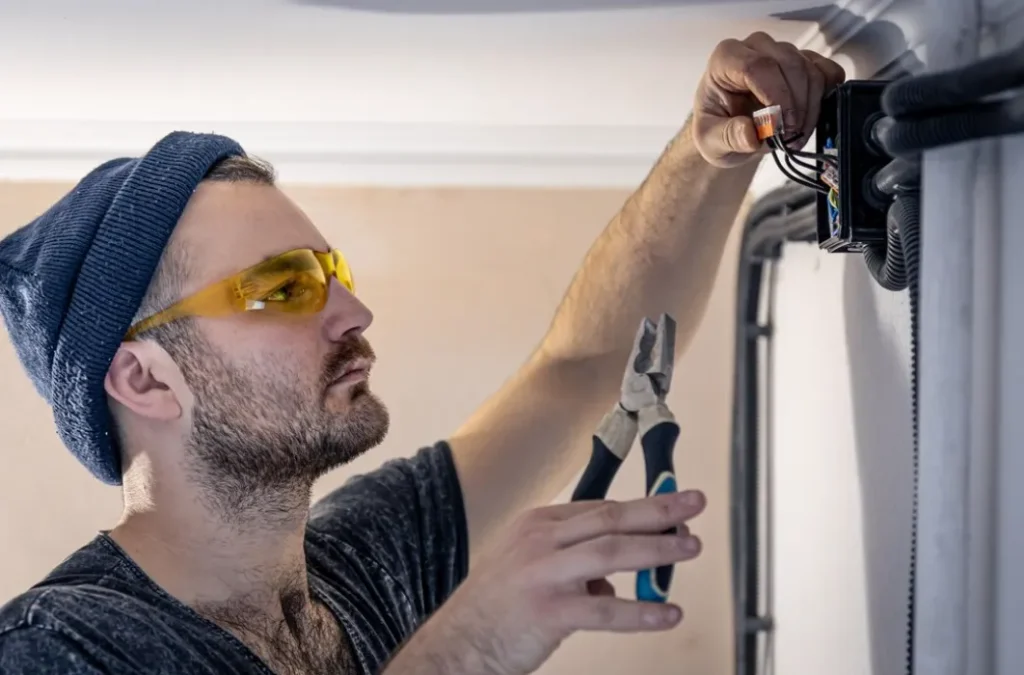
6. Testing Electrical Components
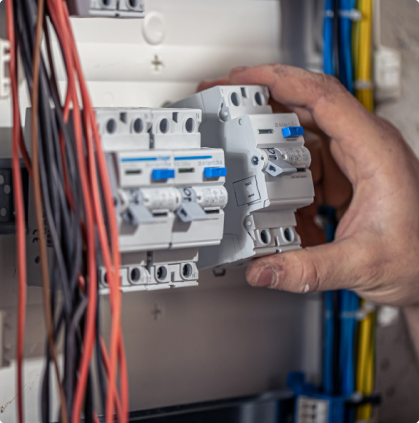
Electrical testing is also critical and part of an AC tune-up. It ensures your AC system starts safely and runs reliably.
Any action to isolate power for safety, inspect terminals, measure capacitance, and assess relays is part of this.
7. Lubricating Moving Parts
Lubrication is a precise AC tune-up step that reduces friction in non-sealed components. This is vital, as dry bearings and misaligned fan shafts significantly increase noise and cause premature wear.
Your HVAC technicians will lubricate older blower and fan assemblies sparingly with manufacturer-approved oils. This is to prevent issues like the AC fan doesn’t spin.
Why Do You Really Need an AC Tune-Up?
You know what needs to be done during an AC tune-up. But perhaps you’re wondering why you even need to do it:
1. Restore Your AC Performance
Over time, your AC system might degrade in its performance. And an AC tune-up is the best way to get it back to normal.
When your air conditioner runs at its best, it reaches set temperatures faster. That means you get relief quicker and don’t have to wait around, which means less discomfort and fewer complaints from the family.
2. Lower Your Energy Bills
An AC tune-up helps lower your power bills by making sure your system runs like it’s supposed to. Compressors and fans don’t have to work as hard. This means less electricity and fewer kilowatt-hours (kWh).
Blocked airflow or dirty AC parts make your system run longer and waste power, which needs an HVAC tune-up to restore peak energy efficiency.
3. Prevent Unexpected Breakdowns
Most major repairs, like a burnt-out compressor, start as small, almost undetectable issues. A loose wire, a wobbling fan, or a struggling AC capacitor are all cheap, quick fixes during a professional tune-up.
If left unchecked, they cause a domino effect of damage throughout your AC system. Preventative maintenance is fundamentally about catching these minor 50 problems before they turn into terrifying 2000 catastrophes.
4. Improve Safety
Electrical faults are a leading cause of AC fires and dangerous failures. And that’s the last thing you ever want to happen in your home.
A professional tune-up specifically inspects your wiring, breakers, and connections to completely remove that high risk before it escalates. This ensures the safety of your home and family.
5. Prolong Your System Lifespan
The average lifespan of a well-maintained AC unit is 15 to 20 years. However, neglected units often fail around the 10-year mark.
This is why regular tune-ups are important. They reduce wear and tear on critical AC unit parts adding years of reliable service to your unit.
6. Protect Your Warranty
Most major brands explicitly state that their warranty is only valid if the unit receives regular seasonal maintenance by a licensed professional.
If your compressor dies after three years and you can’t prove you’ve had any AC tune-up, the manufacturer may void your warranty, leaving you to pay the full replacement cost.
7. Improve Your Home’s Air Quality
Your AC cools and circulates air. Over time, mould, bacteria, and allergens can grow inside. During a tune-up, a technician cleans the internal parts and clears the drain line.
That maintenance prevents these contaminants from blowing into your room. And if someone in your family has allergies, a clean AC makes a difference.
5 Signs That You Need to Schedule an AC Tune-Up Immediately
So, what signs show you need to schedule an AC tune-up right away?
1. The Unit is Blowing Warm Air
When the system runs but your AC is not blowing cold air, it indicates a serious issue. The system isn’t performing its core function due to obstructions, leaks, or breakdowns.
This often points to low refrigerant levels, airflow blockages, or failing components, which can worsen if ignored.
2. You Hear Strange Noises
Did you hear grinding, banging, or squealing sounds while your AC was running? Modern ACs are supposed to be quiet.
So, if you hear a high-pitched squeal or screech, it’s usually a belt slipping or metal bearings that need oil.
And if you hear grinding or scraping, that’s more serious. It could mean a motor bearing has completely failed or the fan isn’t spinning correctly.
3. You Smell Unpleasant Odours Coming from the Vents
Your AC should blow clean, neutral-smelling air. A musty, “dirty sock” smell indicates mould, mildew, or bacteria growth inside the unit or ductwork.
Also, a sharp, burning smell signals an electrical issue like overheating wires or a melting capacitor. If you smell burning, this is an immediate sign of danger and requires an urgent call.
4. The System is Short-Cycling
Short-cycling happens when your air conditioner turns on, runs briefly, then shuts off before reaching the set temperature. This puts stress on the compressor, the most expensive part of your AC
Whatever the reason, short-cycling wears out your system early and requires a professional diagnosis.
5. Your Energy Bills Have Suddenly Spiked
Your electricity bill rising in summer and winter? It is normal. But a sudden spike indicates inefficiency.
So, if your habits haven’t changed but the bill is much higher than last year, your air conditioner is likely to blame. You need to schedule a tune-up immediately.
Factors That Affect AC Tune-Up Costs in Australia
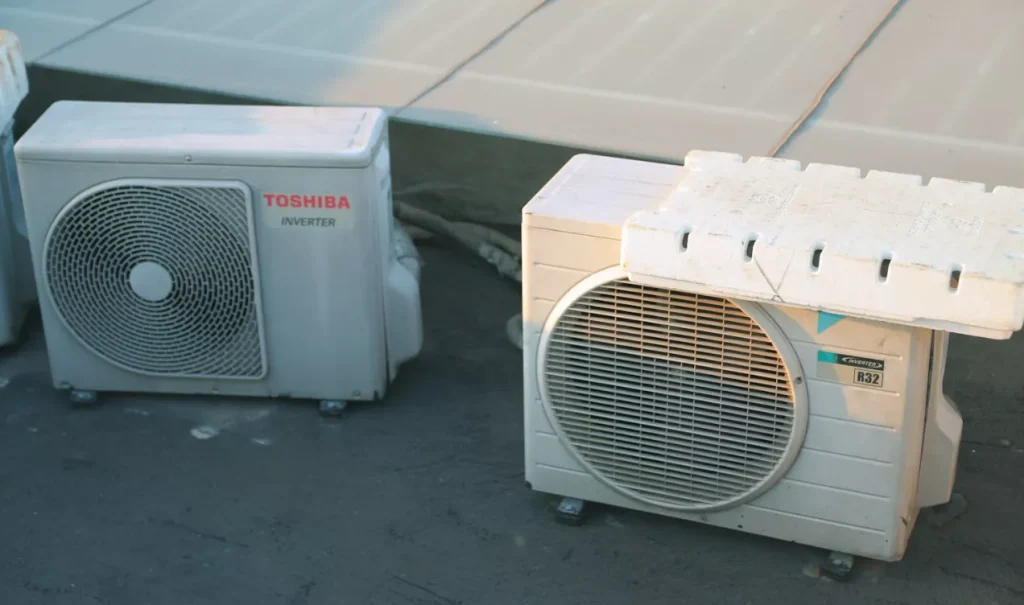
You know when your AC needs a tune-up. But you’re probably wondering what factors influence the cost of maintenance, right?
1. Type and Size
Complexity drives cost. Wall-mounted split systems, the simplest to service, typically cost $ 150-$200. Central ducted systems with multiple heads can exceed 350, depending on home size and ductwork testing.
2. Accessibility
The longer an AC tune-up takes, the higher the cost. Accessibility matters in HVAC maintenance.
If your outdoor unit sits on the ground and the indoor unit is on a clear wall, standard rates apply. But if the outdoor unit is on a second-story bracket, expect extra charges for ladders and harnesses.
3. AC Condition
A well-maintained system with a yearly check-up is quick to service. But a neglected system could make a service become deep-clean. This extra work will increase the final bill.
Also, older ducted air conditioning repair with outdated parts can also be more costly.
4. Tune Up vs. Replacement
The AC tune-up fee includes inspection, cleaning, and testing. It does not cover replacement parts or major repairs.
During a tune-up, a technician might find a failed component. A reliable professional will show you the issue, explain the risks of ignoring it, and provide a separate repair quote before doing any additional work.
5. Seasonality
The HVAC industry depends on supply and demand. During a heatwave, booking a summer tune-up costs more. Technicians are busy with emergency calls, so wait times increase and prices rise for regular service.
How Often Should You Get an AC Tune-Up?
You’re ready to tune up your AC. But when’s the best time, and how often should you do it?
- Every year — You can do it once a year. If you use it mainly for summer, schedule the AC tune-up in spring, September to November. It helps keep your unit clean, efficient, and ready for the heat.
- Twice a Year — For reverse-cycle air conditioners used year-round, a single annual check is insufficient. These systems work double shifts, so they require more frequent maintenance to keep filters clean and parts lubricated.
- Every 4-6 months — If you have an older system and aren’t ready to replace it yet, it needs more frequent AC tune-ups. This helps reduce breakdowns and keeps it running efficiently.
- Every 3 months — If someone at home has asthma or moderate-to-severe allergies, consider an HVAC tune-up every 3 months. This keeps ventilation and filters working at their best, reducing airborne triggers between visits.
FAQ about AC Tune-Up
These are some questions homeowners ask about HVAC tune-ups:
Can you do your own AC Tune-Up?
You can handle simple tasks like cleaning vents and replacing the AC filter. But a full tune-up need a professional. Checking refrigerant, testing electrical parts, and cleaning coils need special tools and a license.
How much does it cost to get an AC tune-up?
A professional tune-up in Australia costs 150 to 300, depending on location, system type, and access. It’s an extra expense. But it’s cheaper than an emergency call-out, which can double or triple the cost.
What is the difference between AC tune-up and maintenance?
A tune-up is a scheduled checkup. It inspects, cleans, and calibrates components before peak season. Maintenance is ongoing. It includes tasks like filter changes and visual checks between tune-ups.
How long is an AC tune-up?
A proper AC tune-up for a single split system takes 45 minutes to two hours. It covers checking, cleaning, and adjusting the refrigerant. More complex or neglected units like multi-head setups may take several hours.
What is the most expensive part of the air conditioner?
It is the compressor. Failure can cost 1,500 to over 600 to 2,400 depending on size and type.
Is an HVAC Tune-Up Worth It?
The lesson is clear: regular maintenance, like an AC tune-up, is important. It can prevent breakdowns that ruin your comfort when you need it most.
Also, you’ll avoid those expensive emergency repair bills that occur when you try to get a technician during busy times.
So, if you haven’t had your AC checked recently, just call us at Lightning Bult. We’ll look at your system and recommend the necessary steps.