




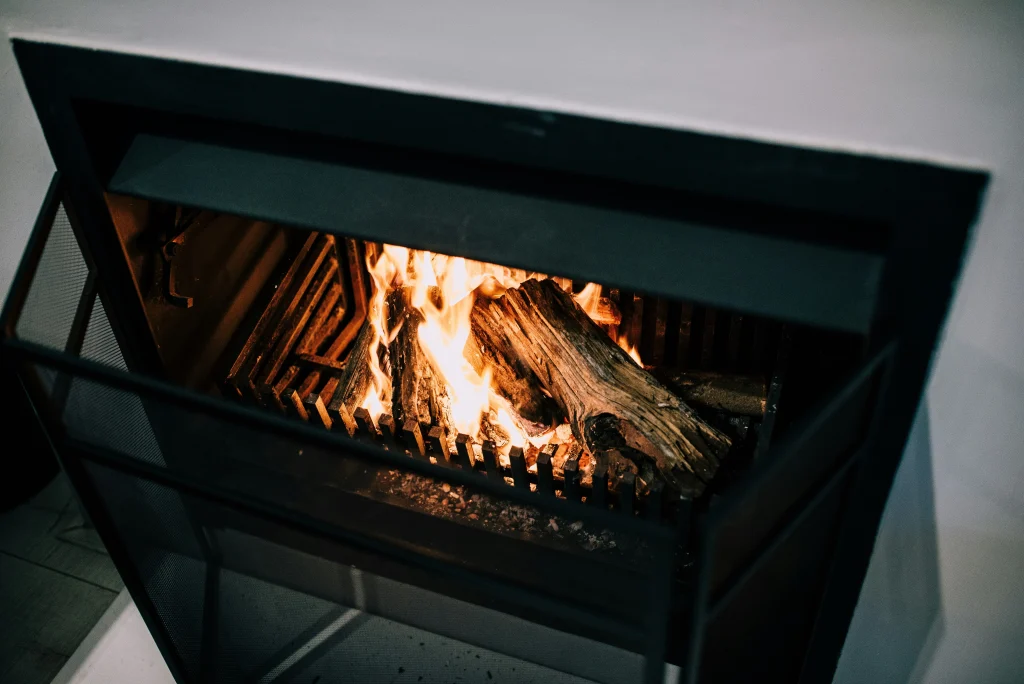
If you’re wondering whether a gas fireplace carbon monoxide risk is something to worry about, the answer is yes, but only under certain circumstances.
A properly installed and well-maintained gas fireplace is designed to burn efficiently and safely vent combustion gases outside your home.
However, if there’s a problem with the appliance, flue or ventilation, carbon monoxide can build up indoors and become a serious health risk.
In this guide, we’ll explain how carbon monoxide is produced, what warning signs to look for, and how you can keep your gas fireplace operating safely.
What Is Carbon Monoxide?
Carbon monoxide (CO) is a colourless, odourless gas produced when fuels such as natural gas don’t burn completely.
Because you can’t see or smell it, carbon monoxide is often called the “silent danger”. Breathing in high levels of the gas can reduce the amount of oxygen reaching your body’s organs and, in severe cases, become life-threatening.
Fortunately, modern gas fireplaces are designed to minimise this risk when they’re installed correctly and serviced regularly.
How Can a Gas Fireplace Produce Carbon Monoxide?
A gas fireplace creates carbon monoxide when combustion isn’t happening as it should.
This can occur if there’s an issue with the appliance itself or the way exhaust gases are being removed from your home.
Some common causes include:
- A blocked or damaged flue
- Poor ventilation around the fireplace
- A faulty burner
- Incorrect installation
- Lack of regular servicing
These issues can prevent combustion gases from venting properly, allowing carbon monoxide to accumulate indoors.
Signs Your Gas Fireplace May Have a Problem
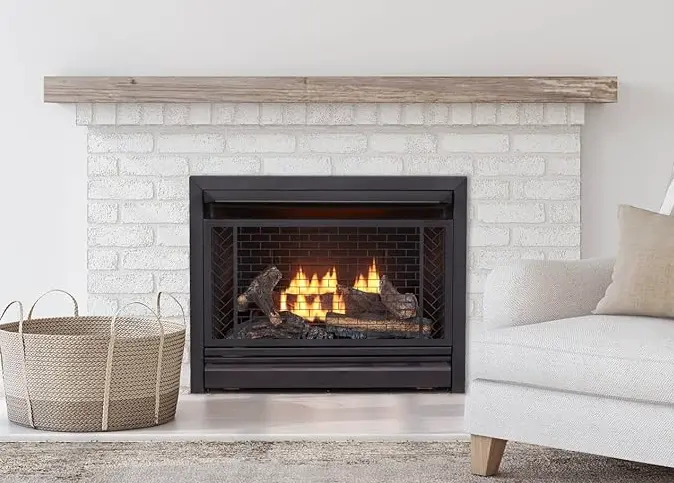
Your fireplace may not always show obvious signs that something is wrong, but there are a few warning signs you shouldn’t ignore.
#1 Yellow or Orange Flames
Most natural gas fireplaces should produce steady blue flames. If the flames appear yellow or orange, it may indicate incomplete combustion.
#2 Soot Around the Fireplace
Black marks or soot around the fireplace or nearby walls could mean the appliance isn’t burning gas efficiently.
#3 Condensation on Windows
Excess moisture around windows or walls near the fireplace may suggest combustion gases aren’t venting as intended.
#4 Pilot Light Problems
If the pilot light frequently goes out or the fireplace struggles to stay lit, it’s worth having the system checked.
#5 Unusual Odours
While carbon monoxide itself has no smell, unusual burning odours or signs that the fireplace isn’t operating normally should always be investigated.
Symptoms of Carbon Monoxide Exposure
Carbon monoxide poisoning can affect people differently depending on the amount of exposure.
Common symptoms include:
- Headaches
- Dizziness
- Nausea
- Fatigue
- Shortness of breath
- Confusion
These symptoms are often mistaken for the flu, particularly during winter when gas heating is used more frequently.
If several people in the home begin experiencing similar symptoms while the fireplace is operating, move to fresh air immediately and seek medical attention.
How Can You Reduce the Risk?
The good news is that there are several simple steps you can take to help keep your household safe.
#1 Have Your Fireplace Serviced Regularly
An annual service allows a licensed gas fitter to inspect the burner, flue, gas pressure and other components to make sure everything is working correctly.
#2 Keep the Flue Clear
Leaves, bird nests and other debris can block a flue over time, preventing combustion gases from escaping properly.
Regular inspections can identify these issues before they become a safety concern.
#3 Never Block Air Vents
If your fireplace relies on room ventilation, make sure vents remain unobstructed so the appliance has enough airflow to operate safely.
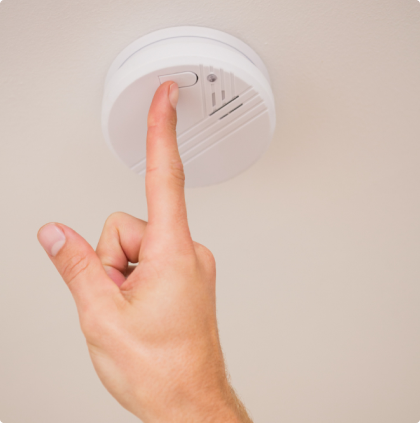
#4 Install a Carbon Monoxide Alarm
A carbon monoxide alarm provides an extra layer of protection by alerting you if CO levels become unsafe.
For the best protection, install alarms in accordance with the manufacturer’s recommendations and test them regularly.
When Should You Call a Licensed Gas Fitter?
It’s a good idea to arrange a professional inspection if:
- Your gas fireplace hasn’t been serviced in the past year.
- You notice soot around the appliance.
- The flame colour has changed.
- The fireplace isn’t operating normally.
- You suspect the flue may be blocked.
- Your carbon monoxide alarm has activated.
Gas fireplaces should only be installed, serviced and repaired by a licensed gas fitter to help ensure they continue operating safely.
FAQs
Do all gas fireplaces produce carbon monoxide?
Gas fireplaces can produce small amounts of carbon monoxide as part of the combustion process. When the appliance is working properly, these gases are safely vented outside.
Is a gas fireplace safe to use every day?
Yes, provided it’s installed correctly, maintained regularly and used according to the manufacturer’s instructions.
Can a blocked flue cause carbon monoxide?
Yes. If combustion gases can’t escape through the flue, carbon monoxide may build up inside the home.
Should I install a carbon monoxide alarm if I have a gas fireplace?
Yes. A carbon monoxide alarm is a sensible safety measure for homes with gas appliances, including gas fireplaces.
How often should a gas fireplace be serviced?
Most manufacturers recommend having your gas fireplace professionally serviced at least once a year to check for safe operation and identify any developing issues.
Conclusion
A gas fireplace can cause carbon monoxide poisoning if it’s faulty, poorly ventilated or not maintained properly. However, when it’s installed by a licensed gas fitter and serviced regularly, it provides an efficient and safe way to heat your home.
If you’re concerned about your gas fireplace or it’s due for a service, the team at Lightning Bult can help.
We provide gas fireplace servicing, flue inspections, gas leak detection and other gas plumbing services across Sydney’s Northern Beaches, North Shore, Eastern Suburbs and Inner West.
Whether you need a safety check before winter or want peace of mind that your fireplace is operating as it should, contact Lightning Bult to arrange an inspection with one of our licensed gas fitters.