








A gas fireplace should provide warmth and comfort instead of leaving your home smelling like gas. Today, we’ll explain why your gas fireplace smells like gas, when it’s considered normal, and when it’s time to call a licensed gas plumber.
A faint gas smell can sometimes occur when a fireplace is first switched on, especially after months of not being used.
However, a strong or persistent smell is never something to ignore as it could indicate anything from a minor issue to a dangerous gas leak that requires immediate attention. Read on!
Is It Normal for a Gas Fireplace to Smell Like Gas?
The answer depends on when you notice the smell.
A slight odour during the first few minutes after lighting the fireplace isn’t uncommon. Dust that has collected on the burners and heat exchanger over warmer months burns away once the unit heats up, sometimes producing a temporary smell that disappears quickly.
A gas smell that lingers after the fireplace has been running, gets stronger over time, or is noticeable even when the fireplace is switched off is not normal.
This usually points to an issue that should be inspected by a professional as soon as possible.
As a general rule, natural gas is odourless, but suppliers add a sulphur-like scent, often compared to rotten eggs, so leaks are easy to detect.
Common Reasons Your Gas Fireplace Smells Like Gas
Several issues can cause a gas fireplace to produce a noticeable gas smell. Some are relatively minor, while others require immediate attention.
1. A Small Gas Leak
A suspected gas leak should always be treated as an emergency.
Gas fittings can loosen over time, seals may wear out, or flexible connectors can deteriorate with age. Even a small leak is enough to create a noticeable smell inside the room.
Signs that may indicate a gas leak include:
- A persistent rotten egg smell
- Hissing sounds near the appliance
- Dead plants near outdoor gas lines
- Physical symptoms such as headaches or dizziness
2. The Pilot Light or Burner Needs Cleaning
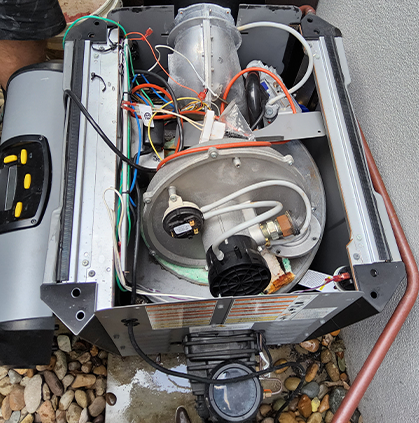
Dust, dirt and cobwebs can build up around the pilot light or burner assembly, particularly after long periods without use.
When the fireplace is switched back on, these deposits can affect combustion and produce unusual odours. In some cases, the flame may also burn unevenly or appear yellow instead of blue.
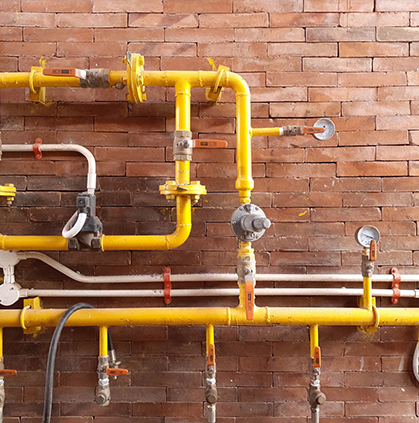
3. Loose or Damaged Gas Connections
The smell may also come from fittings behind the fireplace rather than the fireplace itself.
Gas pipe connections naturally expand and contract with temperature changes over time. Although they’re designed to remain secure, ageing components or accidental movement during renovations can sometimes create small leaks around joints or valves.
4. Dust Burning Off After Months of Non-Use
Gas fireplaces often sit unused throughout the warmer months.
Once switched on for the first time in winter, accumulated dust burns away from the burner and internal components. This can create a temporary smell that usually disappears within 15 to 30 minutes.
The odour should gradually fade as the fireplace reaches normal operating temperature. A smell that remains after this period should be investigated.
5. Poor Ventilation or Flue Problems
A gas fireplace relies on proper ventilation to safely remove combustion gases.
Blocked flues, damaged vents or poor airflow can affect how the fireplace burns, sometimes causing unusual smells or reducing efficiency. In more serious cases, combustion gases may not vent correctly, creating potential safety risks.
What Should You Do When Your Gas Fireplace Smells Like Gas?
The first step is to determine whether the smell is temporary or persistent.
A brief odour that disappears shortly after lighting may simply be dust burning away. However, a strong gas smell should never be ignored.
Take the following precautions:
- Turn the fireplace off immediately.
- Open nearby windows and doors to improve ventilation.
- Avoid using matches, lighters or electrical switches near the suspected leak.
- Turn off the gas supply if it is safe to do so.
- Arrange an inspection by a licensed gas plumber before using the fireplace again.
Avoid trying to locate the leak yourself using DIY methods. Professional leak detection equipment is far more accurate and significantly safer.
Frequently Asked Questions
Why does my gas fireplace smell like gas when I first turn it on?
A slight smell during the first few minutes is often caused by dust burning off internal components after the fireplace has been unused. The smell should disappear once the unit warms up.
Is it dangerous if my gas fireplace smells like gas?
A persistent gas smell should always be treated seriously. It could indicate a gas leak or another fault that requires immediate inspection by a licensed gas plumber.
Can I still use my fireplace if I smell gas?
No. Turn the fireplace off, ventilate the room and have the appliance inspected before using it again.
How often should a gas fireplace be serviced?
Most manufacturers recommend servicing every one to two years, or before the start of winter if the fireplace is used regularly.
Can a dirty burner cause a gas smell?
Yes. Dust and debris around the burner or pilot light can affect combustion and produce unusual odours. Cleaning and servicing usually resolves the issue.
Trust Lightning Bult for Gas Fireplace Repairs and Servicing
A gas smell is never worth taking chances with.
From locating hidden gas leaks to repairing faulty gas connections and servicing fireplace burners, our licensed gas plumbers at Lightning Bult will make sure your appliance operates safely and efficiently.
Contact us today to arrange a professional gas fireplace inspection and enjoy complete peace of mind!