








The debate over heat pumps versus air conditioners is common among Aussie homeowners choosing an HVAC system.
Both keep your home comfortable, but they work differently. One is cooling-only, while the other is a dual-purpose solution.
So, before you contact your air conditioning services for installation, let’s go over what makes them different, their pros and cons, and which one you might choose. Let’s get started.
What is an Air Conditioner?

An air conditioner is a single-purpose, refrigeration-based appliance that takes heat out of the air inside a building and sends it outside.
You heard that right. How the AC system works is the same as your kitchen refrigerator. It gets rid of heat outside through heat transfer, not by producing cool air.
To do this, refrigerant moves through a closed loop of pipes. Inside your home, it takes heat from the indoor air in the cold part.
It then flows to the hot part exposed to outside air, releases the heat, and goes back to where it started to do the whole cycle again.
This refrigeration cycle relies on four key components: the evaporator coil, the condenser coil, the compressor, and AC capacitor.
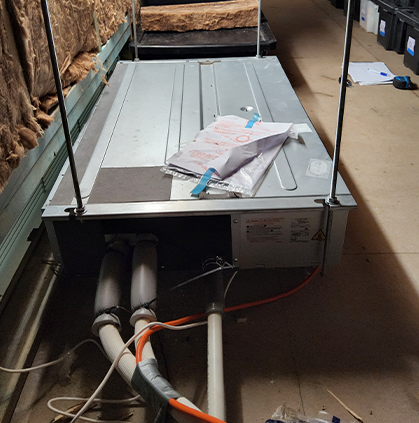
These components can be housed in one cabinet (window/portable units), split between indoor/outdoor units (split system), or connected to ductwork in a central whole-home system or ducted aircon.
What is a Heat Pump?
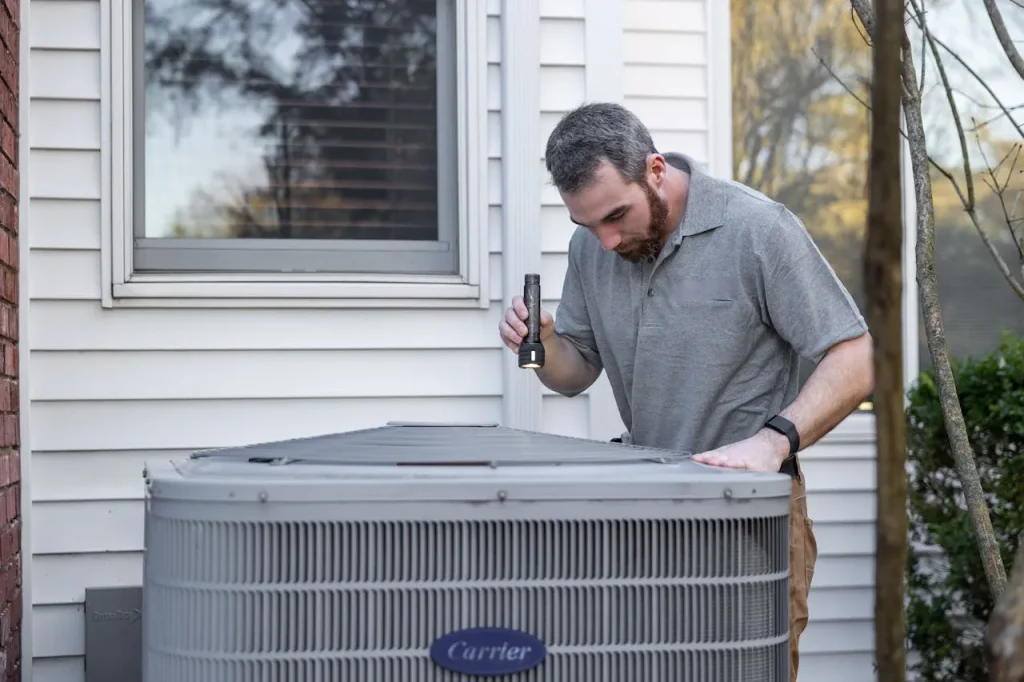
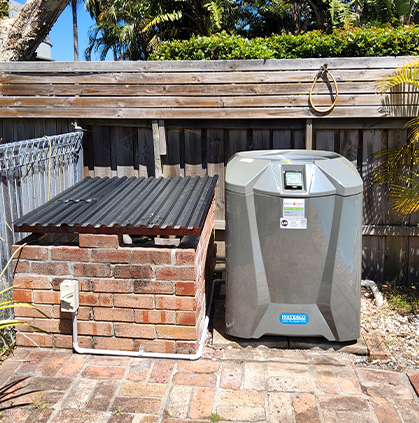
A heat pump is also a refrigeration-based system, but it’s versatile and serves two purposes.
In summer, it acts like an air conditioner, removing unwanted heat from indoors and releasing it outside. When the weather cools, it reverses. It extracts heat from the outdoor air and brings it inside.
And it’s called a heat pump because it moves heat from one place to another using a refrigeration cycle. It can cool well or heat effectively, depending on which way the heat is going in your home’s HVAC system.
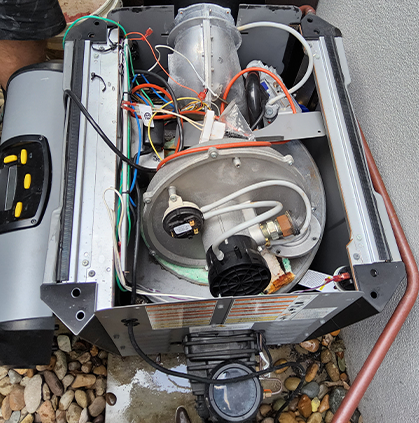
This reversible cycle uses the same four main parts as an air conditioner, plus a reversing valve that switches their roles.
When heating, the outdoor coil acts like the evaporator coil, soaking up heat, while the indoor coil becomes the condenser coil, releasing heat. When cooling, they switch roles. That’s what makes the heat pump so versatile.
Difference Between Heat Pumps and Air Conditioners
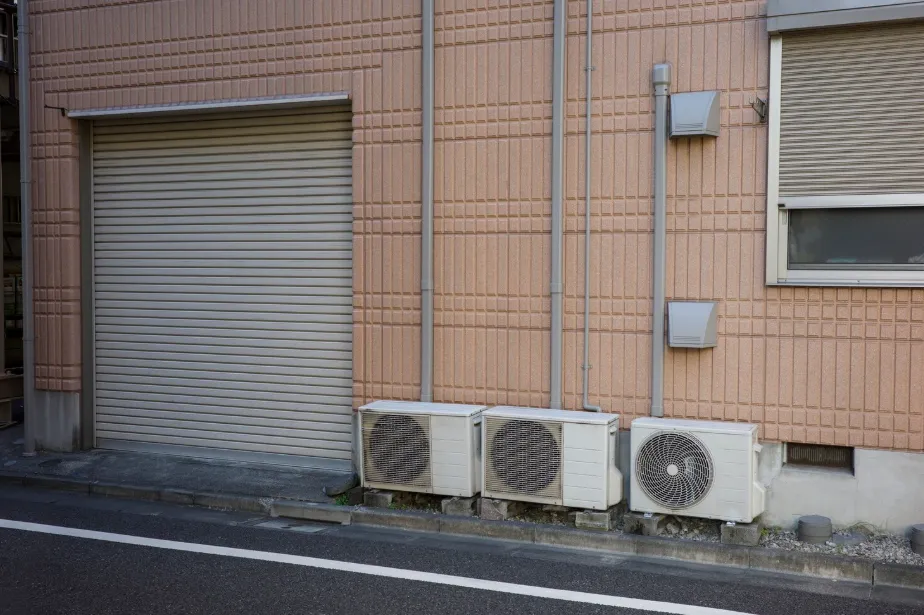
When it comes to heat pumps vs. HVAC, there are always things to compare based on what you need and your budget.
1. Functionality
The main difference between a heat pump and an air conditioner is simple. A standard air conditioner is a single-purpose unit that only cools, so you need a separate system, like a furnace, for winter heating.
This means you’re dealing with two different machines, each with its own controls, maintenance, and season.
On the other hand, a heat pump is a dual-purpose system that handles both heating and cooling in one unit. The reversing valve is what switches the refrigerant flow depending on whether it’s winter or summer.
2. Components
Both systems share core components: a compressor that moves refrigerant, a condenser coil that releases heat, an evaporator coil that absorbs heat, and fans that move the air.
But heat pumps have a few extra parts, like the reversing valve. That’s what makes them different. It switches the refrigerant flow depending on the season. Without it, you’d just have a regular air conditioner.
Also, many heat pumps have extra electric heaters that turn on during cold weather. They automatically start when the heat pump alone can’t reach your set temperature.
3. Cost and Installation
When it comes to heat pump vs. HVAC, cost is also another concern. For a basic split system, it costs between 1,700 and 600 to 1,100.
If you’re going for a dedicated heat pump, it’s around 3,000 to 8,000 to 15,000 fully installed.
4. Heating Efficiency (COP)
When heating, a heat pump is more efficient than traditional heaters. It uses electricity to move heat rather than create it, achieving efficiencies of 300% to 400%.
An air conditioner has no heating efficiency because it has no heating mode. If you pair an AC with a traditional electric heater, that heater is at best 100% efficient.
That means a heat pump can be 3 to 4 times cheaper to run for heating. This heating efficiency is what you need to know when comparing a heat pump vs. an air conditioner.
5. Maintenance
Air conditioners are simple systems. Most HVAC technicians can service them. Maintenance includes annual inspections, AC filter changes, and coil cleaning, costing 70 to 200 a year.
Heat pumps are more complex. Finding a qualified technician costs more. Annual maintenance runs from 120 to 360, reflecting their complexity.
Also, in cold weather, ice forms on the heat pump’s outdoor coil that needs cleaning. Air conditioners don’t face this problem. They don’t operate in freezing weather, so winter is no concern for cooling-only systems.
Pros and Cons of Air Conditioners
Here are the pros and cons of air conditioners you need to know as a homeowner:
Pros
Here are the advantages of using an air conditioner for your home:
- Lower upfront investment — A basic split AC system costs up to $4,800 in Australia. Without needing heating capability, the upfront cost is lower, which is good if you’re on a budget or only staying short-term.
- Proven technology — Air conditioning has improved over the years. Most contractors can install and fix these single-purpose units. AC unit parts are easy to find, and when something breaks, HVAC technicians can fix it.
- Great cooling performance — AC systems quickly cool your home to your desired temperature. In hot climates, they work year-round since they only cool.
- Lower maintenance complexity — ACs are simpler than reverse-cycle systems, with fewer parts and controls, so they break less. Maintenance costs 100–300 per service.
- Works well with existing gas heaters — If you already have a gas heater, adding a cooling-only AC is straightforward. You’re not replacing your whole heating system.
Cons
Here are the disadvantages of using an air conditioner:
- Cooling Only — In winter, you need a gas heater or electric heater. No way around it. With a cooling-only AC and a separate system for heating.
- Higher operating costs — Running separate systems for AC and gas heating is more expensive. In Australia, gas heating costs about $600–$950 per winter, while a heat pump with the same heating costs $350–$550.
- Less Environmentally Friendly – If you rely on gas heating in winter alongside your AC, you’re contributing to higher carbon emissions.
- Not suitable for all-electric homes — If you’re pursuing an all-electric conversion or live in a region pushing electrification, a cooling-only AC plus gas heater doesn’t fit the goal. Reverse-cycle systems do.
- Space inefficiency — You’re maintaining two separate systems with different maintenance schedules. This consumes more mechanical space and coordination than a single all-in-one solution.
Pros and Cons of Heat Pumps
Now, what are the benefits and drawbacks of using a heat pump as your cooling and heating system?
Pros
Here’s why you should choose a heat pump over a cooling-only air conditioner for your home:
- Dual heating and cooling — One system keeps you comfortable all year long. You don’t need two different HVAC systems. It’s also easier to install.
- Lower operating costs — Heat pumps use 65% to 75% less electricity than electric heaters and are cheaper to run than gas in Australia, saving you money long-term.
- All-electric capability — No gas lines needed, no combustion byproducts. Your home runs entirely on electricity, perfect for zero-carbon living and homes in areas without natural gas infrastructure.
- Future-proofing — Building codes increasingly mandate or incentivize heat pumps. Choosing one today means your system meets tomorrow’s regulations without expensive retrofits.
- Superior indoor air quality — No combustion byproducts, no gas leaks, no furnace cycling dust. Heat pumps provide cleaner air throughout your home.
Cons
Here’s what you should know about the downsides of your heat pump:
- Higher upfront cost — Heat pump installation often involves a higher upfront cost than a cooling-only model of the same capacity.
- System lifespan — Heat pumps run year-round, heating in winter, cooling in summer, sometimes both. Depending on the brands and quality, they usually last 15 to 20 years. AC-only systems can last over 20.
- Defrost cycle — When it’s cold outside, ice builds up and you might need cleaning the AC coils. The system defrosts by reversing the refrigerant flow, using more energy that reduces efficiency.
- Electrical panel upgrades — Heat pumps often need higher electrical capacity than cooling AC units. So your electrician might need to upgrade your service panel, adding to the cost.
Should You Choose Heat Pumps or Air Conditioners?
The right choice depends on your climate, upfront budget, and long-term goals. Here’s how to decide:
Choose an air conditioner if:
- You live in a warm climate like Darwin or Far North Queensland where a cooling system is enough, and you almost never need heating.
- You already have a reliable gas heating system that you plan to keep, and you only need to add cooling capability.
- You need a simple, lower upfront cost solution for a specific room, and it doesn’t need to have a heating feature.
Choose a heat pump if:
- You need a system that does both heating and cooling in one. That’s the usual dual-purpose setup for most Australian homes.
- You want to cut your bills; heat pump heating is 65–75% cheaper than electric heaters and 25–40% cheaper than gas, saving you money long-term.
- You live in any Australian climate zone. Modern heat pumps are effective even in cold regions where temperatures drop below freezing.
- You’re planning an all-electric conversion or investing in solar panels, as powering a heat pump with your own solar energy maximizes your savings and energy efficiency.
FAQ about Air Conditioners vs Heat Pumps
Here are some questions homeowners ask about heat pumps vs. air conditioners:
Does a heat pump cool as good as an air conditioner?
Yes. In cooling mode, heat pumps use the same technology and deliver similar SEER2 ratings. Both systems cool effectively and reach your desired indoor temperature.
What are the disadvantages of a heat pump in Australia?
Heat pumps cost more upfront than basic air conditioners. They also lose some efficiency in cold weather, though modern cold-climate models perform well. Noise may also be an issue, especially if the outdoor unit is near bedrooms.
Is it cheaper to run an AC or heat pump?
Both systems cost similar to run for cooling. For heating, a heat pump is much cheaper than electric heaters or gas, but heat pumps are generally more efficient and eco-friendly.
Conclusion
There is no single best system. It depends on your needs and budget.
Heat pumps are great long-term value. They’re affordable for heating, work with solar, and future-proof. But if you already have good gas heating, a cooling-only AC is probably the smarter option.
Still unsure? Contact Lightning Bult for a professional assessment so you can choose the most cost-effective solution for your home.