




You’re ready to swim on a spring day, but the water’s freezing because a dead sensor cable stops your heater. You wish you knew how to fix your solar pool heater to get it working again.
Sometimes, all you need is a quick reset. But that’s only one fix if your solar pool heater isn’t working. This guide helps you figure out what’s wrong before you call for pool heating services in Sydney. Read on!
What Should You Know Before Fixing the Solar Pool Heater?
A solar pool heater is a great asset for your Sydney home. Basic fixes are fine, but poking around without a plan can turn a $200 service call into a $5,000 replacement. Follow these rules to protect your unit:
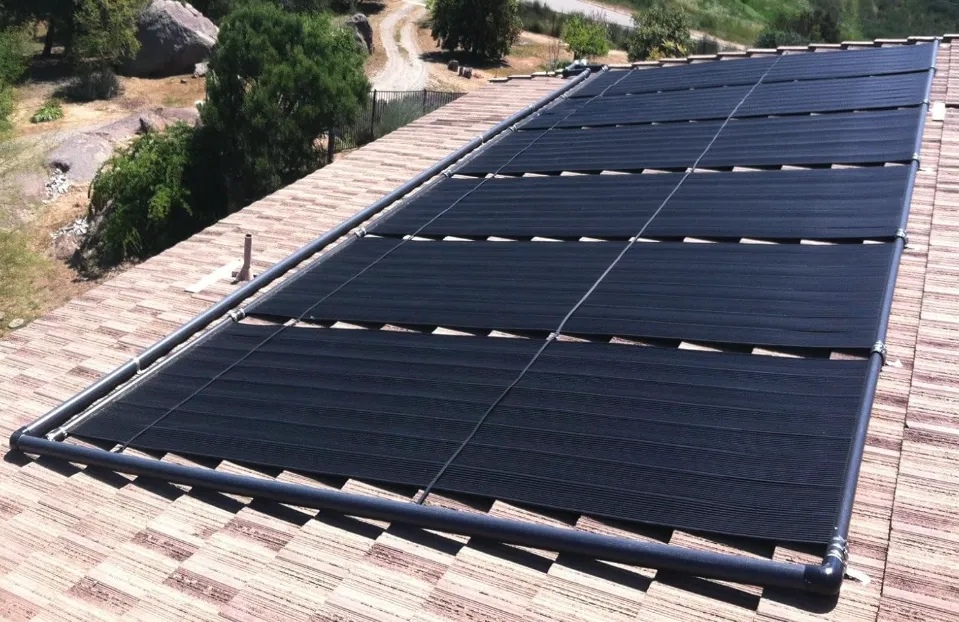
Image by Amazon
- Isolate electronics — Sudden surges or shorts when handling temperature sensors can fry a $600 solar controller. Always cut power at the isolator before checking connections or plugs.
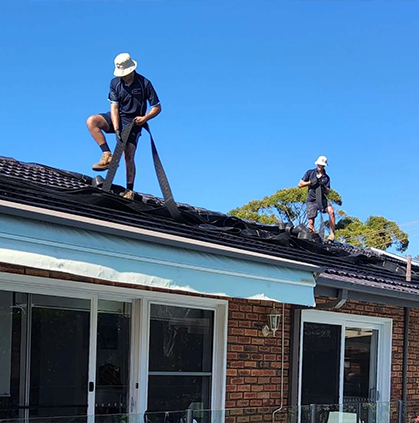
- Protect roof and collectors — Walking on collectors or nearby tiles can cause micro-cracks and leaks later. Professionals use specific paths and gear to keep the roof watertight.
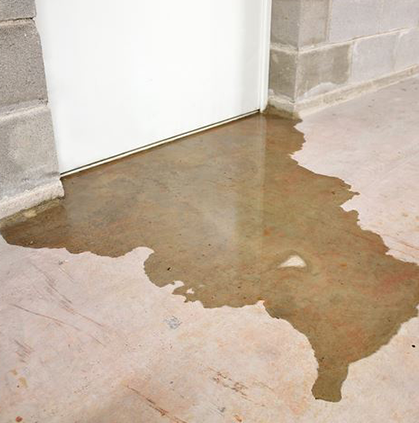
- Spot terminal leaks — Water in gutters or on the roof indicates collectors or manifolds are failing. These parts are precision-made. DIY fixes often cause bigger leaks.
- Don’t ignore the electrical smell — A tripped breaker or burning odour is the system’s last warning. Ignoring it or resetting repeatedly can start a fire or ruin the pool pump.
- Understand hydraulic stress — Solar heating systems handle heavy water weight and pump pressure. A poorly glued joint or stressed manifold can fail badly, flooding eaves or yards.
- Check warranty status — Major brands like Boss or Heliocol require licensed technicians. DIY work can void warranties.
- Don’t double down on failures — If the first fix fails, don’t try riskier fixes. Professionals diagnose quickly; let them handle the job for you.
How Solar Pool Heating Works (So You Know What to Check)
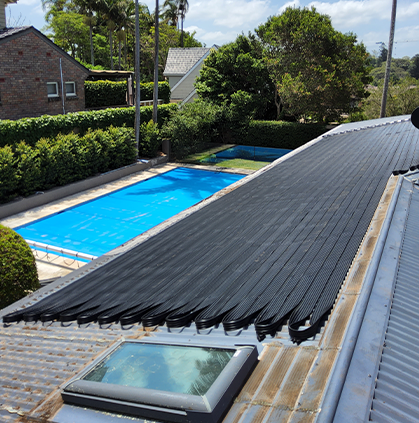
Solar pool heating uses your pool pump to push water through rooftop panels. The sun heats it and it returns to the pool. It’s like a garden hose left in the sun. The solar collectors (panels) do the same thing, just bigger.
Solar pool heating starts with a digital solar controller. It reads two sensors—one in your pool, one on the roof.
When the roof is about 7–8°C warmer than the pool, the controller turns the pump on. Water goes up, picks up heat, and comes back warmer. When the swimming pool water temperature evens out, the pump turns off.
And when you shut it down, a small rubber valve called the vacuum relief valve (VRV) at the top of the rooftop solar collectors opens. It lets air in so the water drains back to the pool instead of sitting in the solar collectors.
Simply put, there are at least 6 parts to make a solar pool heater work:
- the solar controller
- the two sensors
- the solar pump
- the rooftop collectors
- the vacuum relief valve / VRV
- the non-return valve
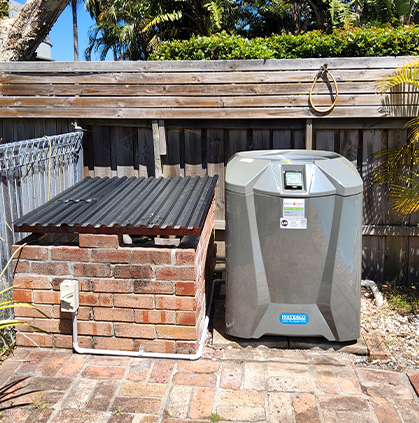
These components are what makes it different from the gas pool heating option.
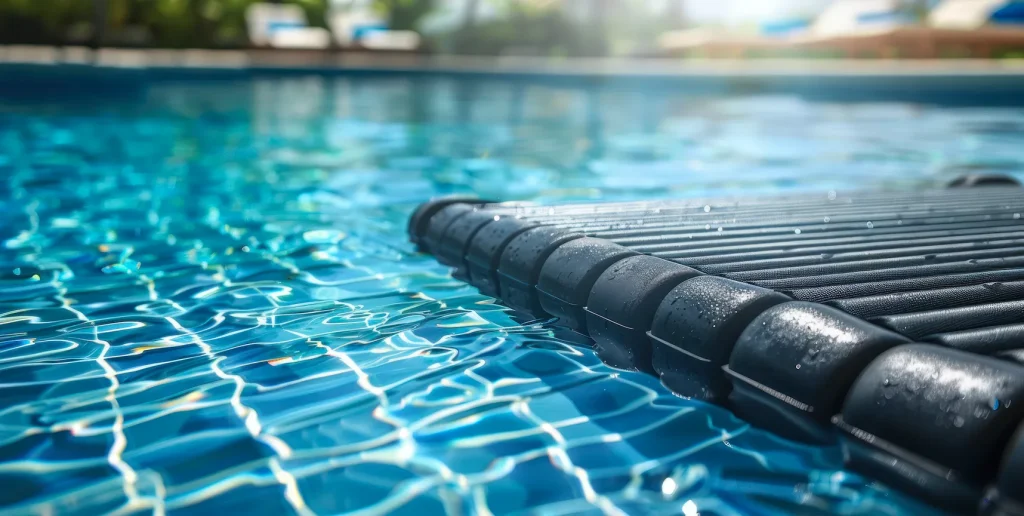
Image by lekchaynam on Freepik
Common Causes Why Solar Pool Heater Isn’t Working
You know what to watch out for before you fix anything, and you know all the parts involved. So, before you fix it, you should learn the common causes of a solar pool heater not working as expected.
1. Seasonal Debris Accumulation
A common solar pool heater problem starts with the filter and pump. Clogged filters make it harder for water to move.
This causes the pump to lose push, so not enough water reaches the rooftop collectors to heat. The pump runs, but the water doesn’t get high enough to keep your pool warm in winter.
2. Air Intrusion
Bubbles in your pool? They come from UV-damaged rubber parts in the Vacuum Release Valve (VRV). The valve should seal with water pressure when the pump starts, but sun exposure makes the rubber diaphragm brittle.
A cracked or warped diaphragm may not seal, letting air in. This air disrupts heat exchange and pushes bubbles out the return jets.
3. Wildlife‑Induced Data Blackouts
Wildlife, like cockatoos, can cause electrical failures in solar pool heaters by chewing the black PVC insulation on sensor cables.
These wires send roof sensor data to the solar controller, indicating panel temperature versus pool water temperature. If the controller loses this signal, it enters fail-safe mode and won’t activate the pump.
4. Storm‑Related Electrical Surges
Summer storms can damage your solar setup. A distant lightning strike can send a voltage spike through the grid, frying the controller’s micro-electronics or blowing the pump motor’s start capacitor.
The controller might look fine, but the relay, which powers the pump, could be burnt out. The system “thinks” it’s heating the pool, but the motor receives no voltage.
This way, the water stays cold as the start signal never reaches the pump.
5. Structural Fatigue
On a 40-degree day, rooftop collectors can reach 70 degrees. When the pump starts, it blasts that hot plastic with cold pool water. This causes expansion and contraction.
This stress wears down PVC glue joints and rubber connections that can lead to cracks. And once you get a leak, the system loses hydraulic pressure.
6. Mechanical Wear
Your solar pump works harder pulling water uphill every day. This creates high pressure that can harm the seal. If it leaks, moisture moves along the shaft into the motor bearings that can cause rust.
So, the heater breaks not from a plumbing leak but from motor lockup due to rust inside. And you’ll see this if the pump hums but the motor won’t move.
How to Fix a Solar Pool Heater That’s Not Heating?
Follow these steps in order. Start with the easy ones, and only try harder steps if the easy ones don’t solve it:
1. Check Your Controller Mode and Settings
Storms can reset digital solar controllers to factory defaults, putting them in “Winter Mode” or shifting the internal clock by 12 hours.
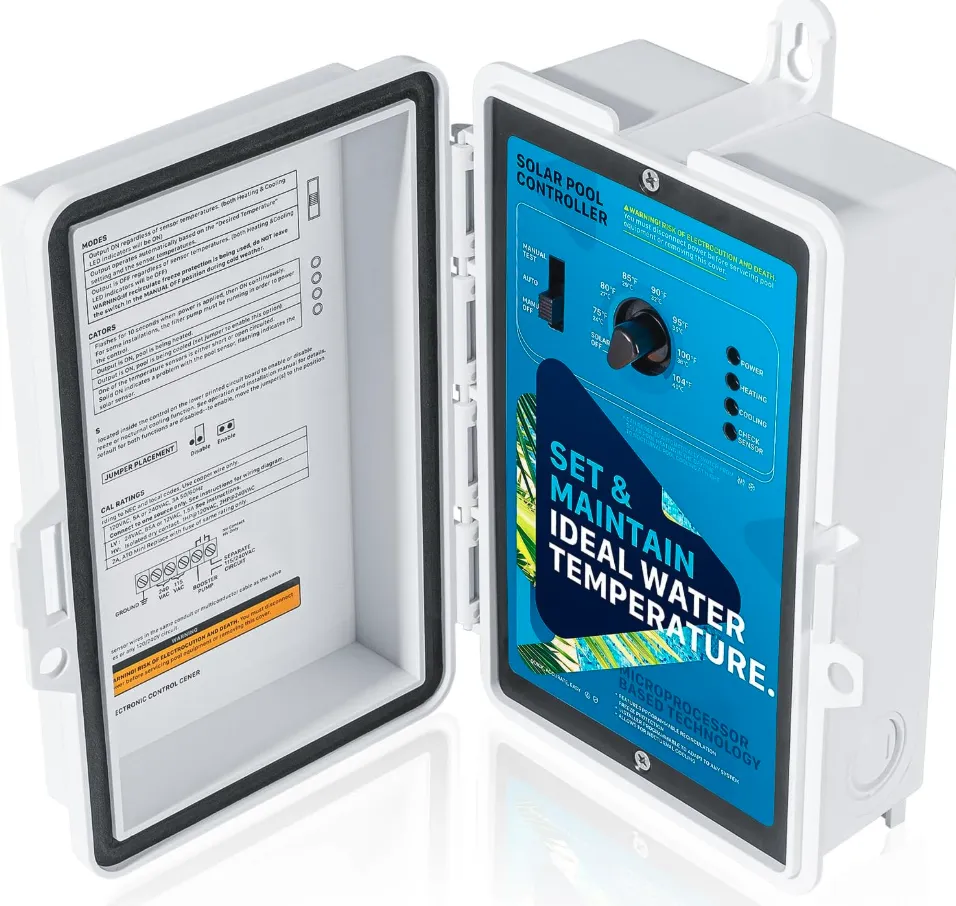
Image by Amazon
And if the controller thinks it’s 2:00 am, it won’t turn on the pump, because it expects no solar energy at night. This makes people compare the effectiveness of gas vs electric pool heaters.
So, try to set the temperature 2–3 degrees above the current pool temperature. If the screen flickers despite correct settings, a voltage spike likely damages the logic board. A professional replacement is needed.
2. Use Manual Mode
If the settings seem right but the pump won’t move, check whether the fault is in the sensors or the pump.
Turn the controller to Manual or On to bypass sensors and send 240 V directly to the pump. Leave it for several hours.
If the pump starts and the pool warms, a sensor is the issue. If the pump hums but won’t spin, or the controller screen goes blank in manual, the problem is likely a stuck motor or a blown internal relay.
3. Clean Pool Filter and Pump Basket
When filters or skimmer baskets clog, the solar pump works twice as hard to push water to the roof. That pressure drop stops the roof VRV from sealing.
What you need to do is to hose out the cartridge filter or backwash the sand filter to restore pressure for the rooftop collectors.
If flow returns to normal and the solar bubbles disappear, the fault is a bottleneck in your pool’s circulation.
4. Watch the Return Jets for Bubble Type
When your solar pool heater starts, big bubbles mean air is leaving the panels. Small, fizzy bubbles all day show the water flow is too low.
This means the Vacuum Release Valve (VRV) might have a bad seal, the filter is dirty, or the roof pipes are leaking.
Check roof edges and gutters for drips. If water runs off the roof on a dry day, the panels are leaking, so shut down the system to stop water loss.
5. Do a “Power Isolation” Test
With the power off, unplug the solar pump from the controller and plug it into a working outlet.
If it runs, the motor is fine, and the controller’s relay fails. If it doesn’t run, the motor’s start capacitor likely failed or water entered the bearings.
This test quickly decides if the controller or pump needs replacement.
6. Swap the Pool Sensor Plug
If your solar controller shows “Sensor Fault,” a cockatoo might have chewed the temperature sensor wire, or the controller could be failing.
Turn off the power, swap the “Pool sensor” and “Roof sensor” plugs, turn the power back on, and check the display.
If the error switches from “Roof Fault” to “Pool Fault” (or vice-versa), the sensor or cable needs replacing. If it stays the same, the problem is the controller’s circuit board.
7. Call a Licensed Technician
After those basic checks, the rest needs a licensed technician. In Australia, you can’t DIY everything for solar pool heating repairs.
Working on a slanted roof to replace a UV-damaged VRV or fix a split manifold is risky without height-safety gear and leak tools.
Also, opening a controller to fix a burnt circuit board or swapping a hard-wired pump motor is electrical work. Only a licensed electrician can do these tasks.
How to Prevent Solar Pool Heater Problems?
A little routine care beats emergency repairs and mid-season shutdowns.
1. Empty All Skimmer and Pump Baskets
Keep water flowing by emptying skimmer and pump baskets, especially in leafy seasons. Five minutes a week on basket cleaning protects the pump from hydraulic stress and helps it last 10–15 years.
2. Check Your Pool Jets for Bubbles
On a sunny day, check the return jets. The water should be warmer than the pool.
Also, watch for bubbles. Two minutes of startup air is normal, but continuous bubbling after five minutes means a seal is failing or water flow is restricted.
3. Re-Check Your Controller Settings
After a big storm, you need to check the clock, temperature, and wind-damaged sensor cables. This prevents small issues from causing roof damage or a cold pool due to the system resetting to “Winter Mode.”
4. Match the System to Your Heating Expectations
If your solar pool heater struggles in cold months, add a heat pump or gas assist instead of overworking it. Talk to a technician about pool heat pump options and realistic outcomes for your swimming habits.
5. Clean Your Filter Monthly
You need to clean your pool filter regularly during swimming season and set a clean baseline pressure. This protects the solar pump from overworking and overheating, and maintains VRV pressure.
6. Replace Your VRV Every Two Years
Replace the Vacuum Release Valve (VRV) every two years. Its roof placement exposes it to Sydney’s UV rays, hardening seals and making plastic brittle.
Having a technician replace it every two years is cost-effective, preventing pool air bubbles, pump priming issues, and roof damage from “hot spots” or stagnation.
Should You Call a Professional to Fix a Solar Pool Heater?
Fixing things yourself can sometimes help. But some problems need a licensed professional. It’s not just hard. It’s illegal and unsafe to do without one and can lead to higher solar pool heating cost to run.
So, you should call a pro to fix a solar pool heater when:
- You’ve done every diagnostic step and nothing changes. Deeper problems like manifold failure, internal pump damage, or a bad controller board can’t be fixed from the surface.
- You have an active rooftop leak. Manifold repairs, pressure valve replacement, and collector patching require licensed plumbing.
- Swapping sensors didn’t clear the error codes. Replacing the controller isn’t a DIY job.
- The pump motor doesn’t respond to any test. Motor replacement needs both electrical and plumbing licenses.
- You see scorched wiring or smell burning near the controller. This is an electrical emergency. Turn off power at the isolator and call immediately.
For all of these, you can contact Lightning Bult for integrated electrical and plumbing support on solar pool heating repairs, upgrades, and add-on heat pumps or gas heaters.
We do VRV replacements, sensor faults, manifold replacements, and pump motor repairs.
FAQ about Solar Pool Heaters
Here are a few quick answers to the most common questions before you book a visit for your solar pool heating unit:
What is the life expectancy of a solar pool heater?
Most good solar pool heaters last about 15–20 years with proper install and regular maintenance. But harsh sun, ignored leaks, or bad water balance can cut that life, while proactive servicing can push it toward the upper end.
Why is my solar pool heater running but the pool is still cold?
If your system runs but the pool stays cold, you might have low flow, dirty filters, or faulty sensors. You can check the settings, clean the filters, and ensure there are no leaks before calling a technician for deeper tests.
How often does a solar water heater need maintenance?
Plan to check annual visual check and filter cleaning, with a professional service every 1–2 years. And in harsh environments, check more often for leaks, worn seals, and flow issues before the warm-water season.
Conclusion
Solving solar pool heating problems follows a step-by-step check, from the filter and baskets to the VRV, sensors, and controller logic. And basic troubleshooting often fixes issues.
But if it’s not working, don’t risk safety by pushing further. The Lightning Bult team offers expert solar pool heating repairs. You can book a service that handles the complex parts for you. Call 0468 263 118.