




Is your pool a blue-lip zone for the kids but a lukewarm bath for your morning laps? We understand. Finding the ideal pool temperature can feel like a choice between shivering or sky-high energy bills.
But, it doesn’t have to be that way. So, with expert guidance on pool heating in Sydney from Lightning Bult, you can learn what the right temperature is for your family. Read on!
What Is the Ideal Pool Temperature for Most People?
For everyday swimming, the ideal pool temperature sits between 26°C and 28°C. That’s the sweet spot endorsed by the WHO and Australian industry standards for recreational swimming.
In that range, the water feels inviting and won’t fight your body’s natural cooling during a workout. And it works for most adults, most of the time.
This sits on the idea of thermal neutrality, where your body doesn’t have to make or lose heat to keep your core temperature steady. When you’re resting in water, that’s about 33°C to 34°C.
But keep in mind that the right swimming pool temperature varies for everyone.
A 27-year-old doing laps wants something different from a 70-year-old doing gentle moves. And both want something different from kids on school break.
The activity and the swimmer shift where your thermostat should land.
Ideal Pool Water Temperature by Activity
Your ideal pool temperature starts with one question: “What will you actually use it for?” Here’s a quick reference before we dive into each one:
| Activity | Temperature Range |
|---|---|
| Exercise swimming | 26–27°C |
| Leisure swimming | 26–28°C |
| Learn-to-swim | 29–30°C |
| Gentle movement | 30–31°C |
| Rehab | 32–35°C |
| Spa relaxation | 36–38°C |
1. Lap Swimming and Exercise
- Recommended Temperature: 26°C to 27°C
You need cooler water when you’re lap swimming. And 26°C to 27°C is the ideal pool temperature for it.
When you push hard, your body makes heat fast. Water that’s too warm can’t pull that heat away well, so your core temperature rises.
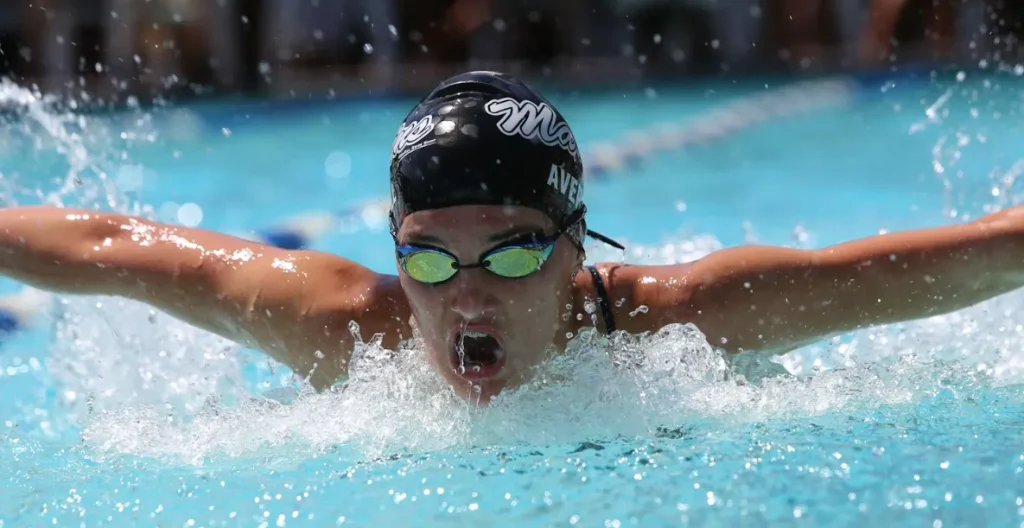
Photo by Brian Matangelo on Unsplash
At 26–27°C, heat is removed at a comfortable pace throughout the session. Below 25°C, muscles stiffen. Above 27°C while going all out, you may overheat.
2. Leisure Swimming
- Recommended Temperature: 26°C to 28°C
You can set the swimming pool temperature up to 28°C for backyard leisure. Think floating around or Sunday swims.
It’s warm enough to step in without gasping and comfortable enough to stay in for hours. And this range is the universal comfort zone for most people worldwide, not just Australia.
But most Sydney homeowners with mixed-use pools set it to this range during warmer months. And if you have both active swimmers and people who just want to wade, go for 27°C. It splits the difference.
3. Learn-to-Swim
- Recommended Temperature: 29°C to 30°C
Children lose body heat faster than adults. A temperature that feels fine to you can make a child shiver in under 15 minutes.
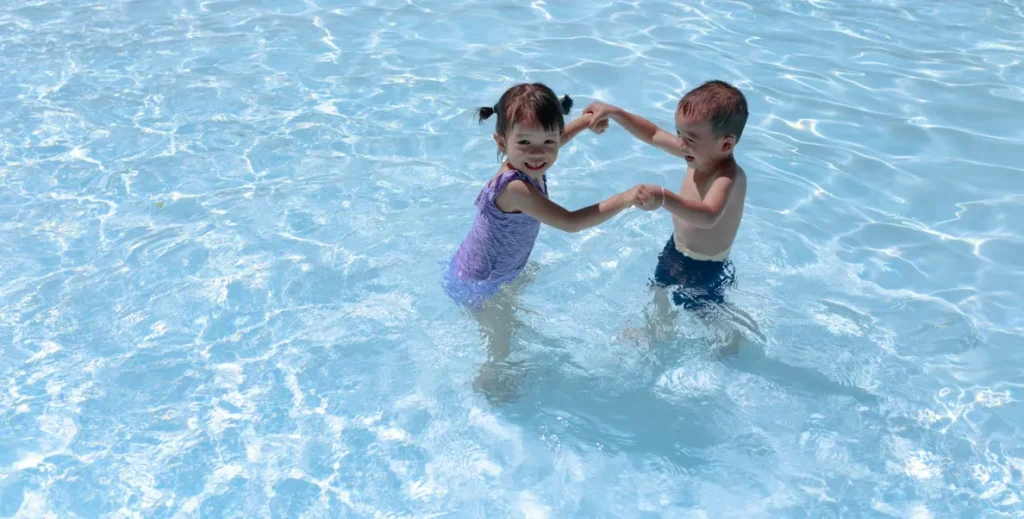
Photo by Cor Dulce on Unsplash
So, for kids’ swim lessons or a pool they use regularly, keep it at 29–30°C. At this temperature, they stay comfortable long enough to learn and enjoy the water.
28°C is okay, but never go below 27°C. You don’t want them to hop out after five minutes because they’re cold, right? And the range matters more for babies and toddlers, who need it warmer, around 30–32°C.
4. Gentle Movement
- Recommended Temperature: 30°C to 31°C
Older people who swim slowly or do easy water exercises get cold faster. So set the pool temperature a bit higher, around 30–31°C.
Cold water can make muscles tighten fast and feel uncomfortable, especially for someone with arthritis or stiff joints. At this range, muscles stay relaxed, joints move more easily, and cramps occur less often.
For an older family member who uses the pool regularly, this temperature range isn’t a luxury. It’s the difference between the pool being useful or being avoided.
5. Rehabilitation
- Recommended Temperature: 32°C to 35°C
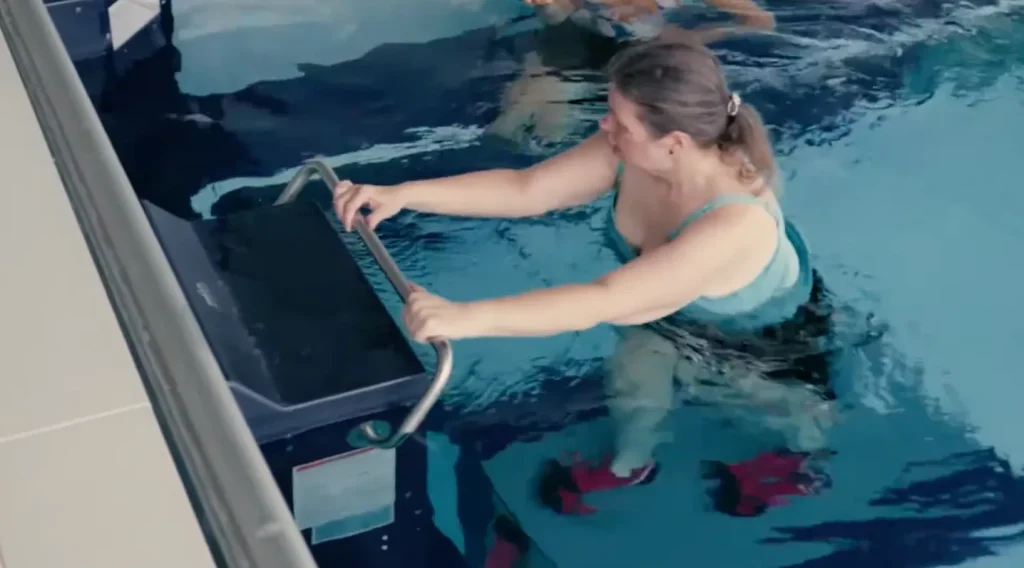
Hydrotherapy pools run warmer than regular pools. A heated pool at 33–35°C eases tight muscles, swollen joints, and improves blood flow.
Turns out, 34°C is the sweet spot for people with rheumatoid arthritis, post-surgery recovery, or even brain and nerve rehab. At that temperature, your body can move freely without wasting energy just to stay warm.
YouTube EndlessPool
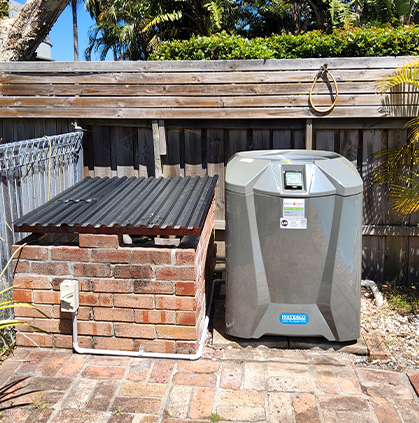
For rehab-focused use at home, you need to size your pool heat pump right for efficient and consistent heating.
6. Spa Relaxation
- Recommended Temperature: 36°C to 38°C
A spa works at a totally different level than a pool.
The 36–38°C range mirrors core body temperature, prompts vasodilation and better circulation. Plus, it delivers that deep-muscle relaxation that makes a spa soak feel restorative.
You can set the safety maximum at 40°C, but 37–38°C is the practical sweet spot for comfort.
What Affects the Right Pool Heater Temperature Setting?
Getting the right temperature is just the start. The real work begins when you try to hold it steady. So, what are the factors affecting your ideal pool temperature?
1. Evaporation
Evaporation keeps your heater from reaching the target temperature. In Sydney, an uncovered pool loses about 5 litres per m² daily, taking heat with it.
Set it to 28°C but don’t cover it? You’ll waste water and energy, and the heater will run nonstop to reach the pool temp.
The costs reflect it. Heating an 8×4 m pool to 28°C with gas is about $855/year when covered, but $1,832 if you don’t control evaporation.
2. Wind Exposure
Wind speeds accelerate evaporation and draw heat from the surface. In a pool exposed to Sydney’s northeast afternoon breezes, the wind defeats your heater setting.
Set it to 28°C and the sensor reads 28°C, but the surface wind-chill makes it feel cooler. So people often raise the temperature to compensate.
3. Overnight Temperature Drops
Sydney winters feel mild by national standards, but unheated pools can dip below 18°C by July. And even in the shoulder seasons, overnight temperatures often fall to 12–14°C in western and elevated suburbs.
Your heater does its best work from sunset to sunrise, battling air that pulls heat from the water. If a heated pool in winter is your need then you need to think about this factor.
4. System Sizing
Your thermostat setting won’t help if the heater is too weak. And this is a common mistake. For a pool heat pump to work well in coastal areas, it needs a COP (efficiency rating) of 5.0–7.0.
If your heater is too small, setting it to 30°C might only get the water to 24°C in cold months. You’ll still pay $60–$130/month without reaching your desired warmth.
5. Pool Type
Indoor pools stay warmer than outdoor ones because they’re protected from wind and weather. That means you can better reach the ideal pool temperature.
Outdoor pools, by contrast, require more effort to heat since they’re exposed to the elements. Or, if you have spa pools, they hold less water and heat up faster, so your settings must balance with the heater’s power.
6. Shade Coverage
Shade affects both your sun exposure. A pool in full sun collects solar heat, making 28°C easy. A shaded pool misses that, so the pump and gear have to work 100%.
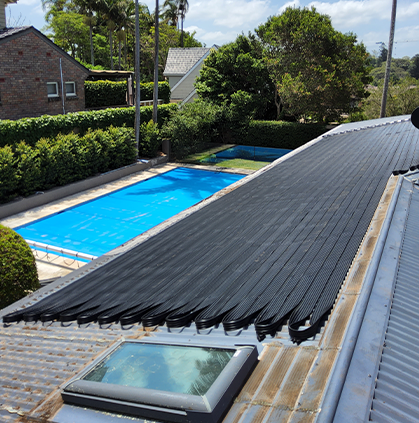
If you’re using solar heating to hit your target, placement matters. In Australia, a north-facing roof with a 20–30 degree pitch offers the best window (9 am to 3 pm) to reach your set temperature.
7. Swimmer Profiles
The pool’s temperature should fit the swimmers, not just the pool. And the best setting depends on who’s using it:
- Young children and seniors may require warmer temperatures for safety and comfort.
- Active swimmers or those doing water exercises may prefer cooler temperatures to avoid overheating.
If your pool serves a few generations, start around 27–28°C for comfort. It keeps everyone happy without boosting costs.
How to Keep Your Pool Warm Without Huge Running Costs
Keeping your ideal pool temperature doesn’t mean a huge bill. Here are the steps that make the biggest difference:
1. Use a Pool Cover
Tomasz Zadja on Vecteezy
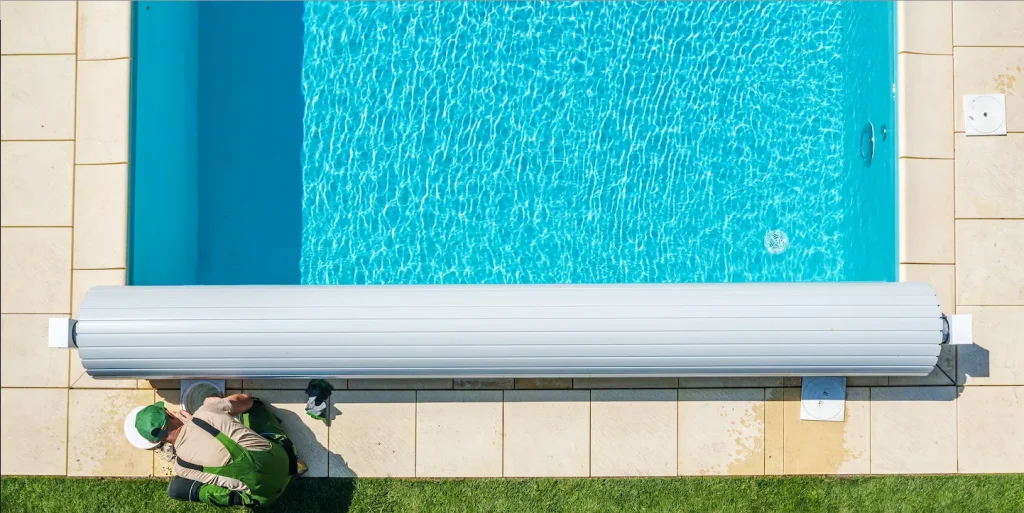
This is one of the best ways to heat a swimming pool a pool owner can take. A pool blanket cuts overnight heat loss by up to 70%. Use it every night, and your heater works far less to hold your morning temperature.
Solar covers soak up daytime warmth and pass it to the water, a free temperature boost on sunny days. Roll it back when you swim. Roll it on when you’re finished.
2. Match Your Setpoint to the Season
In Sydney, you don’t need a constant year‑round temperature. Summer does most of the work. In winter, set the pool to 26°C for laps, not leisure swimming.
Every degree on your thermostat isn’t a linear cost. It’s exponential. A 1°C rise adds about 10% to 15% to running costs.
Choosing 26°C over 28°C for morning laps can save roughly $180 over six months. So, use the “comfort” setting, not “hot,” to trim your quarterly bill without changing equipment.
3. Run Your Heater During the Warmest Part of the Day
If you use a heat pump, run it when the air is warmest, typically 10 am–3 pm. Heat pumps deliver heat by COP at 20°C during the day, about $6 of heat per $1 spent.
At 2 am, when the air is 12°C, efficiency can drop by half, so you pay twice for the same warmth.
4. Run Equipment on Off‑Peak Power
Sydney’s electricity tariffs have become more aggressive. Running a heater during peak hours (2–8 pm) can cost over 60c/kWh, while off‑peak daytime rates (11 am–4 pm) range from 8c–22c/kWh.
By shifting heating to finish before 2 pm, you avoid the “Peak Power Penalty” and can cut that cycle’s costs by over 50%.
It costs nothing to reprogram your timer, but it saves hundreds on your quarterly statement.
5. Service Your System Regularly
A poorly maintained heater works harder to do the same job. And while people keep arguing about gas vs electric pool heater, this situation actually happens to all systems.
Dirty filters, worn parts, and low refrigerant slow performance and raise running costs, cutting efficiency by as much as 19%.
And spending $150 on a yearly service helps you avoid wasting $200 more in energy over the year. It’s a proactive step that keeps your running costs at the manufacturer’s rated minimum.
6. Think About Solar Pool Heating
Solar pool heating remains the cheapest way to warm your pool. While it won’t reach 30°C on a July night, the booster pump costs under $1 a day.
If solar is your main heat from September to April, you’ll keep the pool ready to swim and only top up the last 2 degrees with gas or electric heat.
This dramatically stretches your swimming season without spending thousands. If you’re curious about this system, you can contact Lightning Bult for a chat and get a bit of consultation.
FAQ About Ideal Pool Temperature
These are the questions Sydney pool owners ask the most about the ideal pool temperature:
Is 30°C too warm for a swimming pool?
For active swimming, 30°C is too warm, making your body harder to cool down and causing fatigue. For easy swimming, or older swimmers with joint issues, 30–31°C is fine, but higher temperatures cost more.
What’s a good heated pool temperature in winter in Sydney?
For winter swimming, 26–27°C is just right: warm enough to avoid cold shock, cool enough to save on heating. But, if you prefer a 30°C “therapeutic” soak, treat the pool like a spa. Heat it for the session, not 24/7.
Does a warmer pool cost much more to run?
Yes. Each degree above 28°C raises your heater’s workload, especially in cooler months when it’s battling ambient heat loss. The higher setpoint, overnight evaporation, and wind exposure compound quickly.
Best Swimming Pool Temperature: A Wrap Up
The ideal pool temperature varies by user and purpose. For most adults, 26–27°C hits the sweet spot. For children and babies, go warmer, about 30–32°C.
Beyond the temperature, the heater size and how you deal with evaporation and wind matter just as much as the setting.
So, if you’re not sure your setup can give you the best pool temperature for your needs, have a professional check it. Lightning Bult handles pool heating in Sydney, from sizing the system to full install. Call us now!