





Choosing a heater brand is often the easy part. Problems can start when running costs and pool heater electrical requirements are underestimated.
Those details may not show their true cost until your pool heating installation is underway.
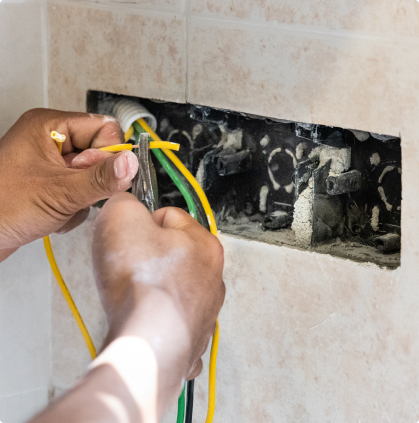
Can your existing circuit and switchboard support the heater you want? Could additional electrical work be required before installation? Here’s what your pool heater actually needs from your electrical system.
Why This Is a Licensed & Safety-Critical Work
Water gives electrical current a near-perfect path. It can sharply reduce the human body’s natural resistance. A wiring fault that might cause only a mild static shock in a dry living room can be fatal around a wet pool.
That risk puts permanent outdoor pool equipment under strict regulatory control. The main standard is the Australian and New Zealand Wiring Rules, AS/NZS 3000:2018.
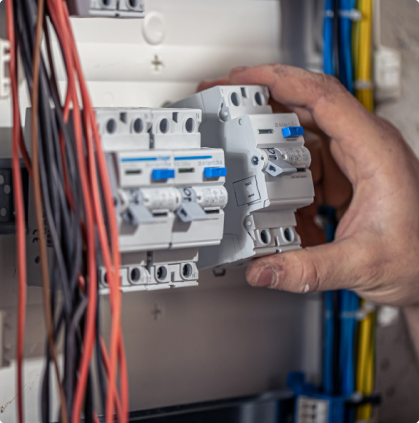
The rules set electrical exclusion zones around the water, weatherproof IP-rating requirements for outdoor outlets and mandatory residual current device (RCD) protection.
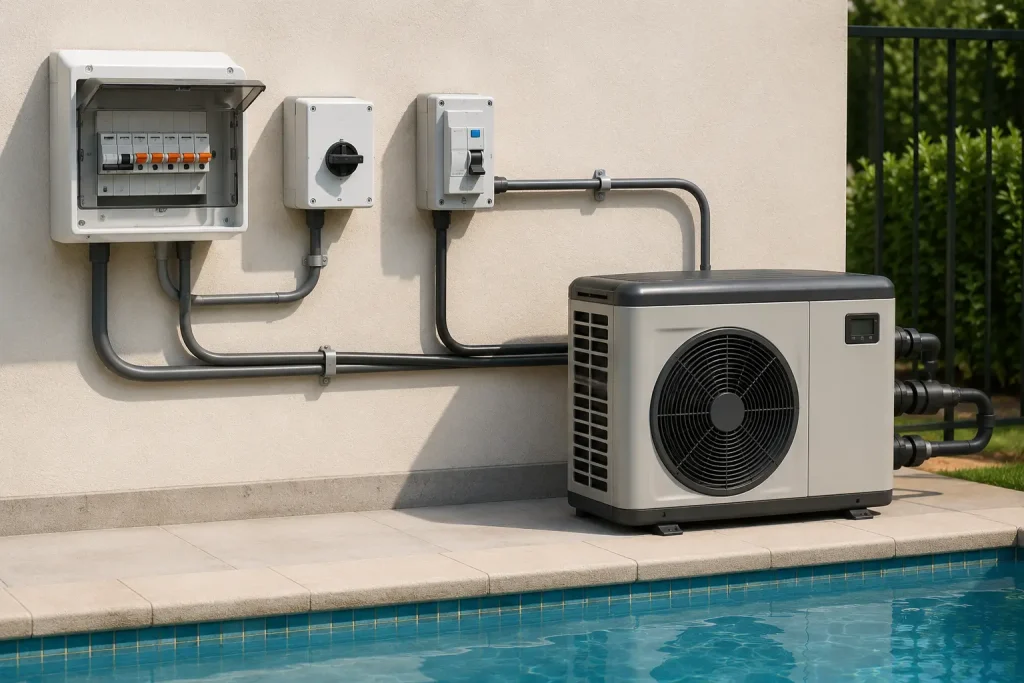
For Sydney homeowners, the rules around RCDs—often called safety switches—have become especially important.
Amendment 2 banned Type AC safety switches on new circuits. Published in April 2021, the ban on installing Type AC RCDs took effect on 30 April 2023.
Why? Modern pool heaters, specifically those with variable-speed compressors, can produce pulsating direct-current leakage.
An older Type AC switch might get “blinded” by that leakage. Its magnetic core can get full, stopping it from tripping when a real AC fault happens.
New dedicated pool-heater circuits wired to older switchboards need modern protection like Type A or Type B RCBOs.
If your switchboard needs checking, professional safety switch installation will sort out the required upgrades before your heater arrives.
Pool Heater Electrical Requirements by Heater Type
Not all pool heaters use power the same way. Gas and solar use very little electricity, but heat pumps and resistance heaters rely heavily on it.
1. Gas Pool Heaters: Lower Electrical Load, Still Licensed Work
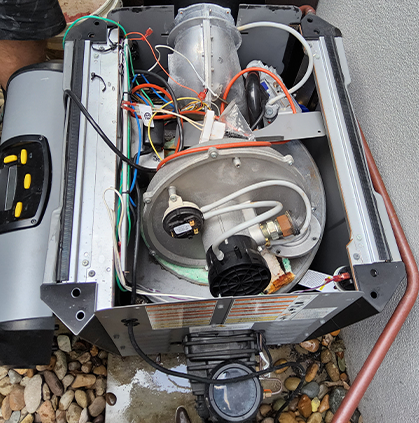
Gas pool heaters run on natural gas or LPG. Electricity just powers the controls, ignition, sensors, and sometimes a fan.
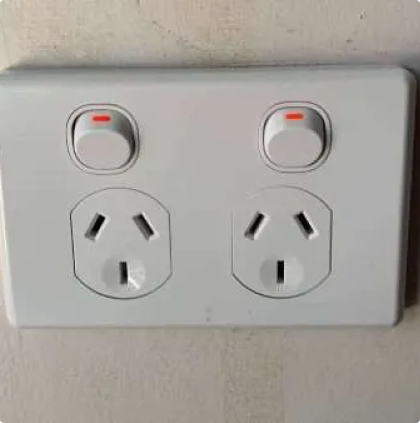
Electrical demand is much lower than heat pumps or resistance heaters. Most residential units draw under 2 amps, needing a standard, dedicated 10-amp weatherproof GPO nearby.
Low power doesn’t mean low safety rules. An electrician has to install the power point at the correct legal distance from water, and a gasfitter has to handle the gas line.
Hiring both a gasfitter and an electrician for one appliance is a scheduling headache. That’s why integrated gas pool heating services cut the friction, handling the plumbing and electrical work in one visit.
2. Heat Pumps: Dedicated Circuit and Higher Amp Draw
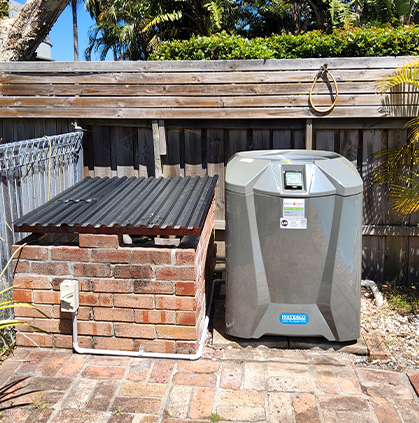
A pool heat pump runs its compressor and fan constantly, drawing heavy current the whole time. That’s different from a gas heater that only uses power for startup and controls.
And the larger the unit, the higher the draw. An 11 kW model might use about 7.9 amps, while a 28 kW unit needs 20 amps or more. Knowing the difference matters when planning your setup.
Australian models require a dedicated electrical supply, with manufacturers specifying voltage, current, circuit protection, isolator, and RCD needs.
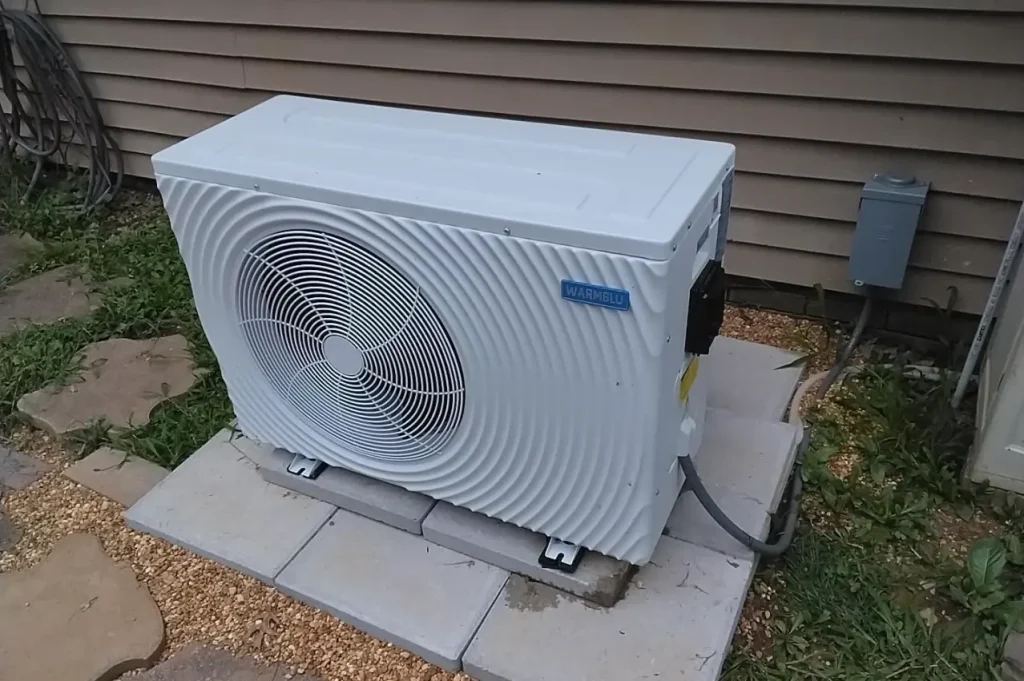
Image: Rick on Amazon
With this type, startup current matters. Standard fixed-speed compressors cause a brief voltage drop with a large power inrush.
That’s why inverter pool heat pumps step up gradually to avoid this surge. However, they don’t create extra home capacity.
That limit is important for Sydney properties with single-phase, 63-amp supplies. A ducted AC uses 25 amps and an induction cooktop 32. Add those up, and you’ll quickly exceed the service threshold.
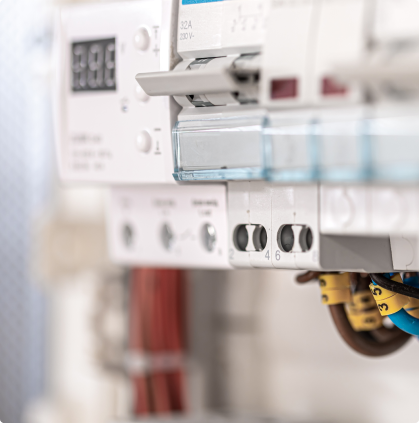
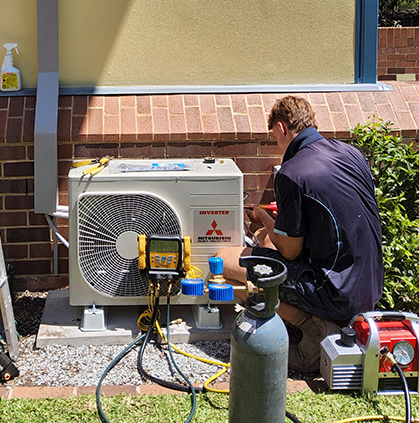
So, before booking a pool heat pump installation in Sydney, have an electrician check your switchboard’s maximum demand to see if it can handle the load or needs an upgrade.
3. Electric Resistance / Inline Heaters: Compact but Regulated
Electric resistance heaters create heat directly through an element, much like an electric kettle. Their small size suits plunge pools and spas. But compact doesn’t mean low power demand.
Unlike heat pumps, they operate at a direct 1:1 ratio: 1 kW of electricity produces 1 kW of heat, leading to high power demands.
- Single-phase units draw around 10–25A. A 6 kW model needs a dedicated 32A breaker and 6 mm² cabling.
- Larger units can draw 15–35A per phase, often exceeding standard residential capacity.
Under NSW standards, inline heaters can’t use a standard GPO. They need:
- A dedicated sub-circuit with Type A RCD protection and a matched breaker.
- A local lockable isolator (at least IP56) in line of sight outside pool zones.
- Equipotential bonding to the pool’s earthing grid to prevent stray-voltage risks.
4. Solar Pool Heating: Uses the Existing Pump Circuit
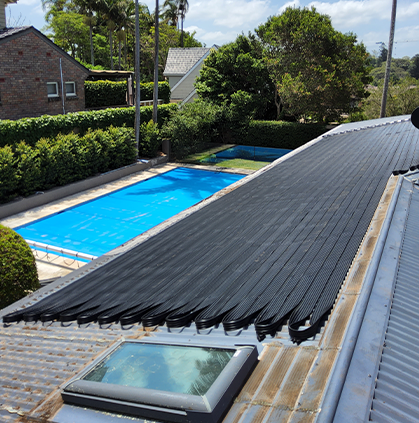
Solar pool heating pumps water through roof-mounted collector mats, using the sun instead of a heavy compressor or electric element.
Because power only moves water and runs sensors, electricity demand stays much lower than a heat pump.
In most setups, you won’t need an expensive dedicated sub-circuit run to the main switchboard. Most systems just tap into the existing pool equipment supply to power the automatic solar controller and sensors.
The electrical impact depends on whether you use an integrated diverter or an independent booster pump.
An integrated setup uses your current filtration pump and a low-draw 240V motorised valve. An independent setup adds a separate solar pump, which will need an electrician to check that your circuit won’t overload.
The real hurdles with solar are hydraulic and physical rather than electrical capacity.
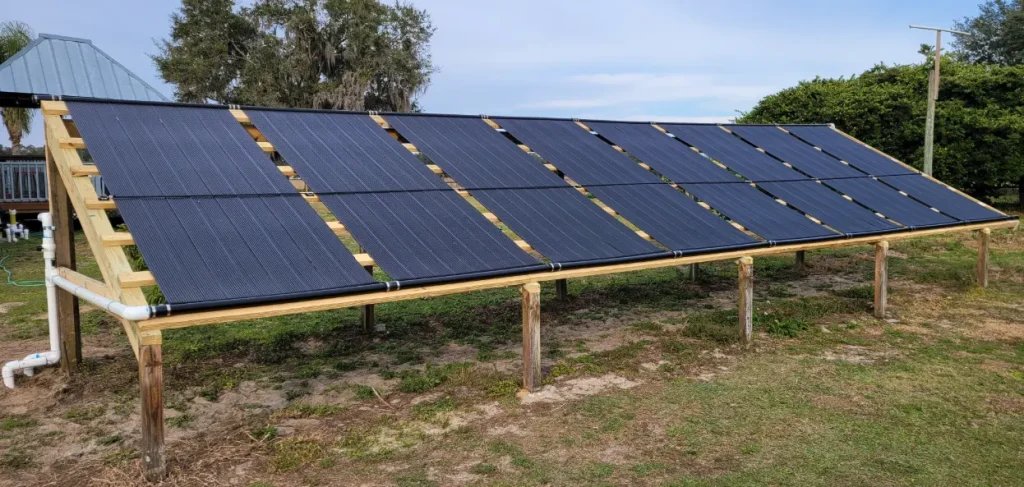
Image: Notsane on Amazon
You need unobstructed, north-facing roof area about 80% to 100% of your pool’s surface, enough pump pressure to reach the roof, and standard vacuum-relief valves to stop pipe collapse on shutdown.
Who’s Licensed to Do This Work in NSW?
In NSW, a licensed electrician must handle any electrical work for a pool heater. That means running a new circuit, modifying the switchboard, or hardwiring the unit.
A pool installer, handyman, or homeowner can’t do this work without the right licence.
And the licensed electrician’s job continues after the wiring is connected. They must test the setup and issue a Certificate of Compliance for Electrical Work (CCEW), confirming the job meets all standards.
You need to keep that certificate with your heater paperwork. It matters for warranty claims, insurance, and future property records.
Please note, since 1 July 2026, electricians have lodged CCEWs through the Building Commission NSW eCert portal.
Skipping licensed installation creates more than a paperwork problem. Manufacturer rules tie warranties to compliant electrical work. Insurance payouts depend on policy and cause.
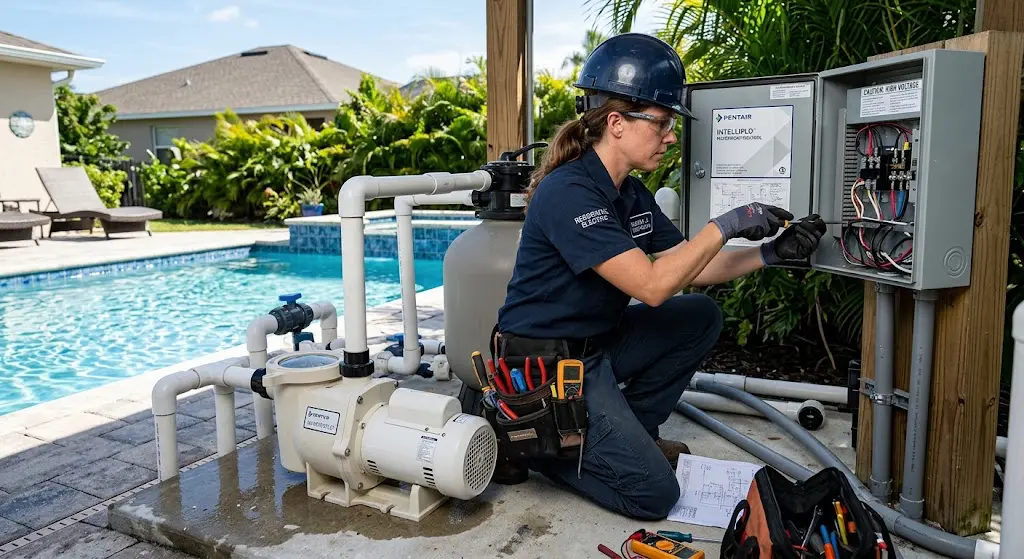
No worries. Lightning Bult has electrical and pool-heating specialists in-house, so you don’t need to juggle separate trades.
Our electrician team checks your power supply and switchboard while the pool-heating team confirms the right system and setup.
FAQ About Pool Heater Electrical Requirements
Here’re the questions Sydney homeowners frequently ask us before getting a pool heater:
Does a pool heat pump need its own dedicated circuit?
Yes. Use a dedicated circuit for a pool heat pump. Manufacturer instructions demand one, with the breaker, cable, isolator and RCD matched to that exact model. Never shared with the filter pump or another appliance.
What size breaker does a pool heater need?
There’s no standard size. Gas or solar controllers need 10A, while electric heat pumps demand 16A–40A RCD circuits. Size breakers by the data plate’s input amps, not kW output, and check switchboard capacity.
Can I use my pool pump’s existing circuit for a heater?
Generally, no. NSW standards demand dedicated, RCD-protected sub-circuits for electric heaters. Sharing standard filtration circuits invites tripped breakers and melted wires.
Gas needs just a standard outlet for fans and ignition. Solar is different. Basic setups piggyback on your existing pump. Independent ones demand a dedicated auxiliary pump.
Do gas pool heaters need any electrical work at all?
Yes. Gas heats the water, but heaters still need electricity for digital controls, sensors, fans, and electronic ignition.
If a suitable outlet is nearby, the electrical work is straightforward. If not, a licensed electrician will need to design and install the supply from the switchboard.
Is a licensed electrician legally required for pool heater electrical work in NSW?
Yes, without exception. Under NSW law, all fixed pool heater wiring including dedicated circuits, RCD protection, and connections in wet zones must be completed by a licensed electrician.
Electricians must test and submit a CCEW to Building Commission NSW. Skipping this wrecks your pool heater’s warranty, ruins insurance, and brings heavy fines.
Ready to Get Your Pool Heater Electrical Setup Right?
The right electrical setup follows the heater. Check the unit and switchboard together before you buy. That way, a missing circuit, unsuitable RCD, or supply limit won’t bring a pricey surprise during setup.
Lightning Bult can assess the electrical needs, suggest a good heater and handle the whole pool heating job with one team across Manly, Mona Vale, Narraweena, and other surrounding areas in Sydney. Get in touch today to discuss your setup.