




Is your pool still slow to heat after a service call? The issue may be the heater itself, not the repair.
There are signs to replace pool heater systems, like visible rust or strange noise. And this could mean more repairs aren’t worth it. Check these issues before calling your pool heating services for a new installation.
Can You Repair a Pool Heater, or Is Replacement the Better Move?

Image: katemangostar on Freepik
Decide whether to repair or replace your pool heater based on its age, condition, safety, and running costs.
If your heater is less than eight years old and needs a cheap fix, just repair it. But if it’s over ten years old or the repair costs more than half the price of a new system, replacement is wiser.
With Sydney electricity rates at 28.5 c/kWh and R410A refrigerant being phased out, it usually costs more to keep an old pool heater running than to upgrade to a modern inverter system.
On top of that, fixing a minor electrical fault or swapping a sensor costs between $350 and $600 and takes under two hours. But if your older unit needs a new heat-pump compressor, you’re looking at around $1,500.
At that price, it’s rarely worth it compared to a new high-efficiency system, which costs between $4,500 and $9,000.
A new 2026-spec unit comes with a five-year full warranty and up to 15 years on the titanium heat exchanger. Plus, a full replacement only takes a day to install, giving you the reliability that a quick patch-up just can’t offer.
So yes, replacement costs more upfront, but it resets the system’s lifespan and warranty. But does that mean you should replace your pool heater right now?
7 Signs to Replace Your Pool Heater
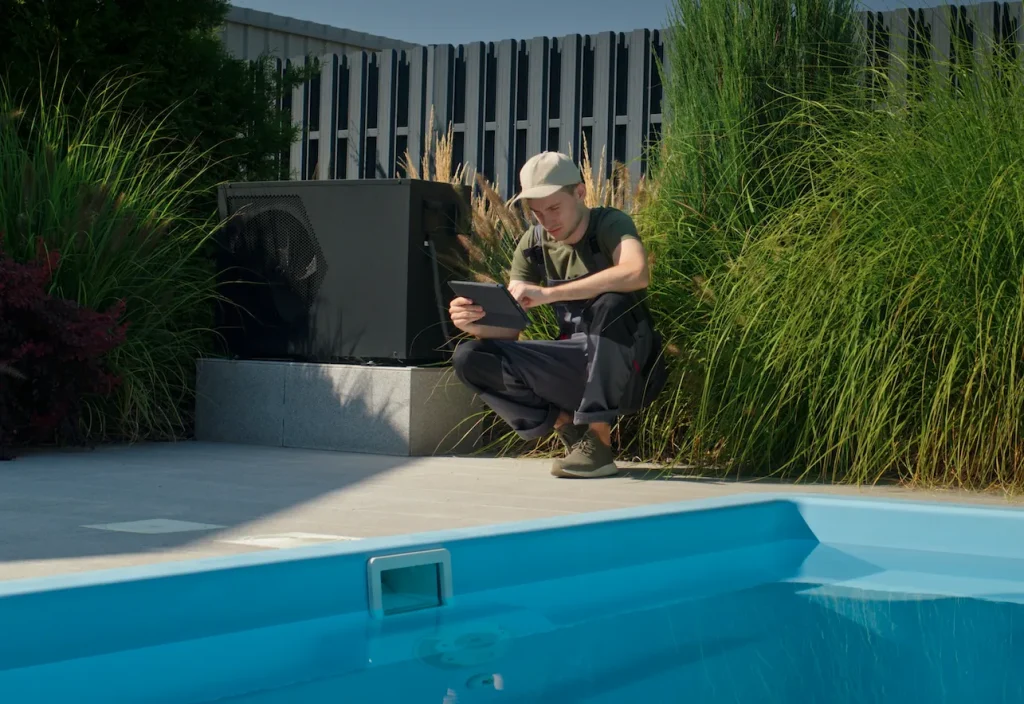
Image: StockSeller on Freepik
Not every heater fault means replacement, but these signs usually mean you should seriously compare repair and replacement:
1. Your Pool Takes Much Longer to Heat Up
“It used to start in about a minute, but now it takes more than 10 minutes before it even tries to ignite.” If this happens to you, it could be a sign that you need to replace your pool heater.
Even worse, if your pool now takes 24 hours to heat instead of 8, your heat exchanger is likely failing. It is probably clogged with minerals, which can cut heat transfer by 20–30%.
That inefficiency hits your wallet hard. Upgrading to a modern heat pump with a COP of 6.0 will pay for itself.
2. The Water Temperature Is Inconsistent
Is your pool temperature inconsistent or your heater shutting off prematurely? This often signals a failing Printed Circuit Board (PCB), causing the heater to “rapid cycle” due to sensor communication errors.
Replacing a PCB for older models costs $800–$1,400. If your heater is nearing the end of its 10-year lifespan, repair may not be cost-effective.
3. Your Bills Keep Climbing
Did you see a sudden rise in your energy bill? Your pool heater might be the reason.
A typical 40,000-litre Sydney heater uses 600–900 kWh monthly. If components like the compressor fail, the unit may run 24/7, adding $630–$840 to your costs at $0.36 per kWh.
And only a failing heater typically doubles your expenses overnight. And you might want to reach out to your pool heat pump services right away to check the issue.
4. You Can See Rust and Corrosion
If you see rust by the burner box, it might be time to replace your pool heater. Rust means the inside is starting to rot.
Keep in mind that salt air ruins copper parts and steel cabinets fast. And if water pools underneath, the core has likely cracked from chemical damage.
5. You Keep Paying for Repairs
Replacing parts isn’t always the answer. Repairs often trap you in a cycle of problems because fixing one issue just puts stress on the next weakest link.
In Sydney, service calls cost about $165–$199. Multiple small fixes can push the total to $1,500. And some premium models have up to 10 years of warranty on key parts. So why not replace it instead?
6. The Heater Makes Strange Noises
A rattling noise often signals failing fan motor or compressor bearings. That means your heater is straining and overheating.
A burnt smell means wires or control boards are overheating, while a rotten-egg smell means there is a gas leak.
Replacing an out-of-warranty compressor or gas valve costs $900–$1,800. And for an ageing unit, replacing the entire system is more cost-effective than such expensive repairs.
7. The Heater Won’t Start
If your pool heater won’t start, it’s usually because the ignition system or the main control board has failed.
If your unit is over eight years old, it’s likely at the end of its life. So, watch for rust on electrodes, green or white powder on terminals, water in the control box, or brittle wiring.
What Affects How Long a Pool Heater Lasts?
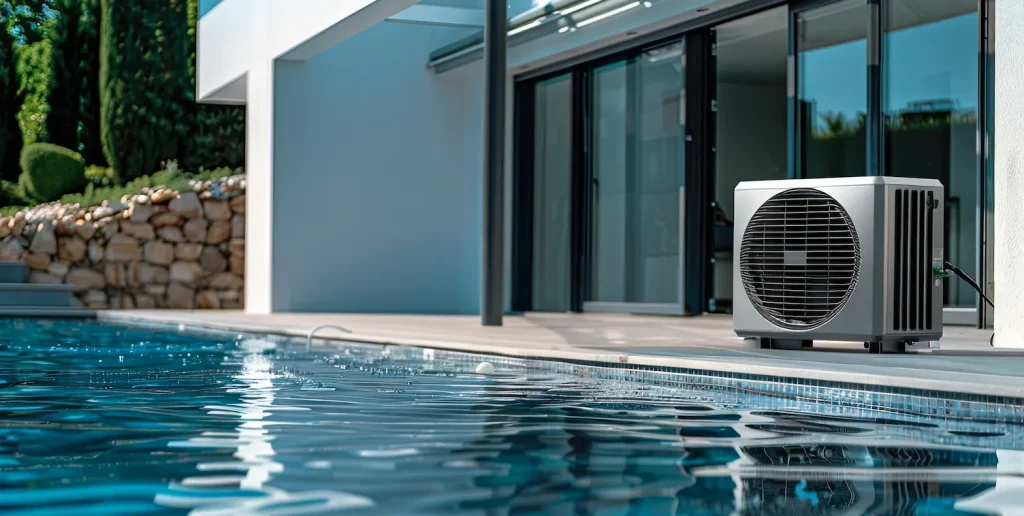
Image: kanpvl07 on Freepik
Pool heaters don’t all age at the same rate. These are the factors that make the biggest difference.
1. Heater Type
A pool heater’s lifespan depends on its technology. Gas heaters use intense fire to heat the exchanger, causing metal to expand and contract. This stress creates cracks, limiting their life to 5–8 years.
Electric heat pumps move heat via refrigerant, keeping internal parts below 50°C. With less stress, they typically last 12–15 years. This is what makes people keep comparing gas vs electric pool heater.
Solar systems can last 20 years, though the Australian sun eventually makes roof components brittle and prone to leaks.
2. Water Chemistry
Pool chemicals do more than sanitise water. They constantly impact your heater’s internal components. If pH drops below 7.2, acidic water can destroy a copper heat exchanger in just two years.
Calcium hardness can cause mineral buildup on heating elements, acting as an insulator. This forces the heater to work harder and increases energy consumption by up to 20%.
3. Unit Surroundings
Do you live near the coast? Salt-laden air is a silent killer, corroding metal and causing unprotected coils to leak within 3–5 years.
Adding to that, heat pumps need 1.5–2 metres of clearance to “breathe.” Tucking units under decks or against walls forces them to recycle cold exhaust, slashing efficiency and shortening compressor life.
4. Sizing and Usage
An undersized heater shortens a system’s lifespan. If a unit rated for 30,000 litres must heat 50,000, it will never reach its set point to cycle off.
This forces the heater to run nearly 24 hours a day, burning through a decade of mechanical life in just three or four seasons.
5. Water Flow and Circulation
A pool heater is only as effective as the water moving through it. Think of water as a conveyor belt for heat. If the belt slows, the system bottlenecks.
Most heat pumps need 50–100 litres per minute. Clogged filters or low variable-speed pump settings prevent heaters from releasing heat. That triggers “overheat” cycles that warp boards and destroy sensors.
6. Maintenance History
So, how long do pool heaters last? It depends on your maintenance. That’s the difference between it lasting eight years or twenty.
Annual professional servicing adds five to seven years to your heater’s life. Beyond cleaning, it prevents costly failures. Replacing a capacitor during a routine check prevents compressor strain that causes motor burnout.
What Should You Replace It With?
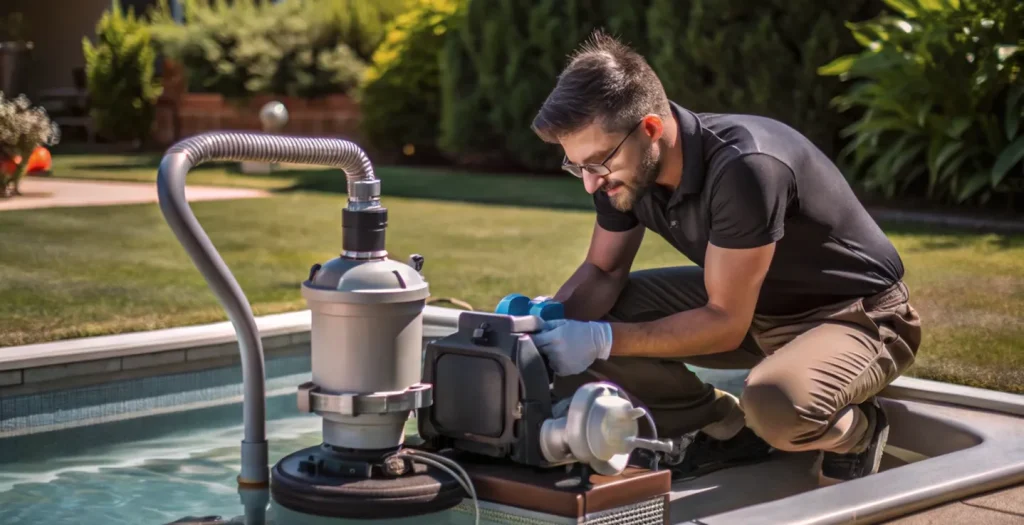
Image: bumathew on Freepik
This is where most homeowners get stuck. And sometimes, they replace like-for-like without checking whether the old system was even the right fit.
Replace It With Gas If Fast Heating Matters Most
Gas is all about speed. You can heat a spa in 30 minutes or a pool in under 6 hours. That’s something heat pumps just can’t do. By using a flame to heat the water directly, gas lets you swim whenever you want.
The trade-off is the cost. Burning fuel isn’t efficient. While a heat pump keeps a pool running for $3 a day, gas costs $10 per hour. So, you’re choosing a system that’s cheaper to buy, but more expensive to run.
Ask your gas pool heater service if you want to choose this option.
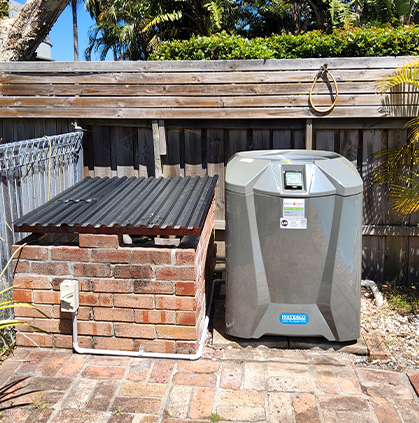
Replace It With a Heat Pump If You Want Lower Running Costs
A heat pump is perfect for swimmers who want warm water without the “bill shock.” You can cut energy costs by over 70% compared to gas because the unit doesn’t “create” heat.
But, you won’t get instant warmth. It relies on the air temperature, so it can’t blast heat like a gas flame. If you forget to turn it on two days before a party, you’re stuck with a cold pool.
Replace It With Solar If You Want the Lowest Ongoing Costs
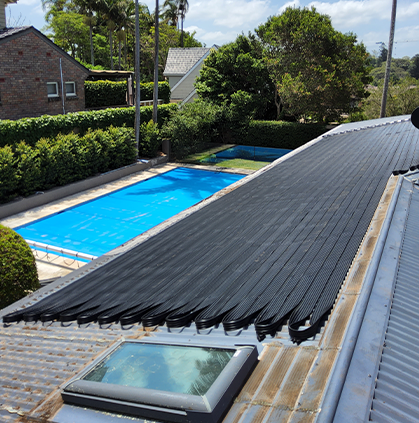
Solar is the closest you can get to “free” heating. Once the panels are on your roof, the sun does 100% of the work.
Because solar systems lack complex mechanical parts like burners, they are the longest-lasting option, often reaching 15–20 years.
The trade-off is that you lose control. Solar relies on the weather. If the sun isn’t out, your pool won’t heat up. And when there are issues, solar pool heater repairs are affordable.
Use a Hybrid System to Save Money and Improve Consistency
A hybrid setup uses free solar energy, with a heat pump providing backup during cloudy weather. While this is the most expensive to install, it guarantees year-round warmth at the lowest long-term cost.
And because the heat pump only provides “top-up” heating, it runs at lower power, reducing strain and often doubling equipment life.
Make Sure the New Heater Is Actually Sized Properly
Even if you replace your gas heater with an identical model, you must size your pool heat pump right. An undersized unit burns out fast by running at 100% capacity.
When sizing, look beyond your 40,000 litres of water. Think about surface area and surroundings.
Why It Is a Good Idea to Hire Professionals to Replace Pool Heaters
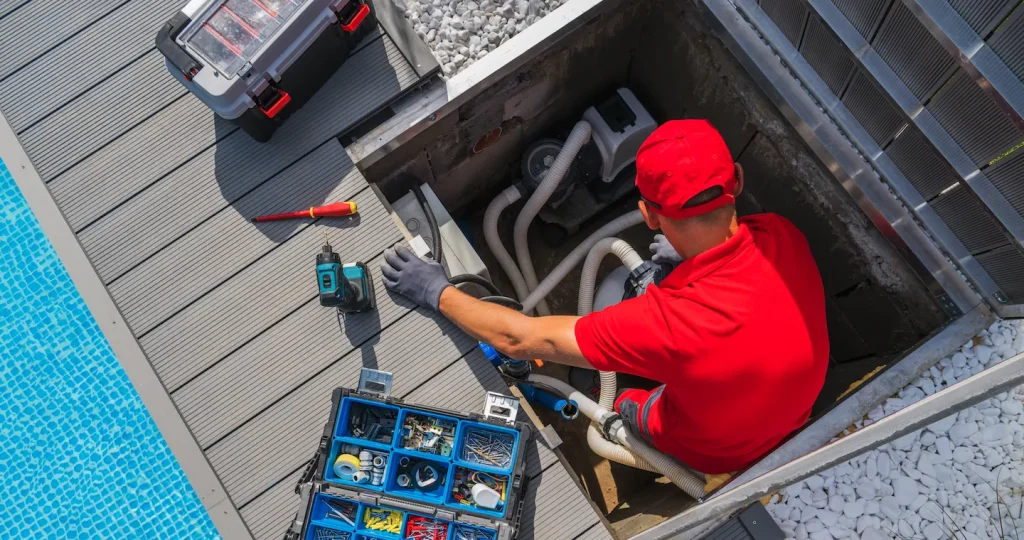
Image: Welcomia on Freepik
A professional can tell if your heater is broken or just needs a quick fix, which saves you from buying a new one when you don’t need to.
And if you do need a new unit, they make sure it is the right size and type for your pool, so you don’t repeat past mistakes.
For gas heaters, Australian law requires you to use a licensed professional to make sure everything is safe and legal. Hiring an expert means you get a clear, reliable plan instead of having to guess.
Not sure what you need? You can contact Lightning Bult for an assessment. We’ll check your setup and give you a straight answer on whether to repair your heater or pick a budget-friendly replacement.
FAQ About Signs to Replace a Pool Heater
Here are some common questions about replacing a pool heater:
Is it better to repair or replace a pool heater?
Repair the unit if the problem is small, happens only once, and the heater is new. Replace the heater if it is old, has a major problem like a broken compressor or if the repair costs more than 50% of the price of a new one.
What is the most efficient way to heat a pool in Sydney?
Solar pool heating is cheapest if your roof suits it. Heat pumps offer the best balance of efficiency and reliability for Sydney’s swim season. Gas is the fastest for “on-demand” heating but the most expensive to run.
Can a pool cover help an older heater work better?
Yes, pool covers retain heat, helping your heater run more efficiently to save costs and extend water warmth. But, it won’t resolve major mechanical issues, corrosion, or heaters nearing the end of their lifespan.
How long should a pool heater last?
Gas pool heaters typically last 5 to 10 years, heat pumps 10 to 15 years, and solar systems 15 to 20 years with proper care. Your actual lifespan depends on local conditions, water chemistry, and usage.
Conclusion
Pool heaters show warning signs before they fail completely. The signs to replace a pool heater include slow heating, inconsistent temperatures, rising bills, corrosion, and frequent repairs
If you notice any of these, reach out to Lightning Bult to book a pool heating inspection. We’ll provide an honest assessment on whether to repair or replace, ensuring you get the best value for your money.