




Is your pool heat pump running constantly, but the water still feels cold? That’s the real cost of choosing the wrong unit—a mistake many homeowners don’t notice until their electricity bills skyrocket.
And it gets worse. The longer an undersized unit runs, the faster it wears out. More repairs. Shorter lifespan. An early replacement bill you weren’t planning for.
Our pool heat pump services team created this guide to help you avoid these traps before you spend a cent. Let’s get into it!
What Is the Real Cost of Choosing the Wrong Pool Heat Pump?
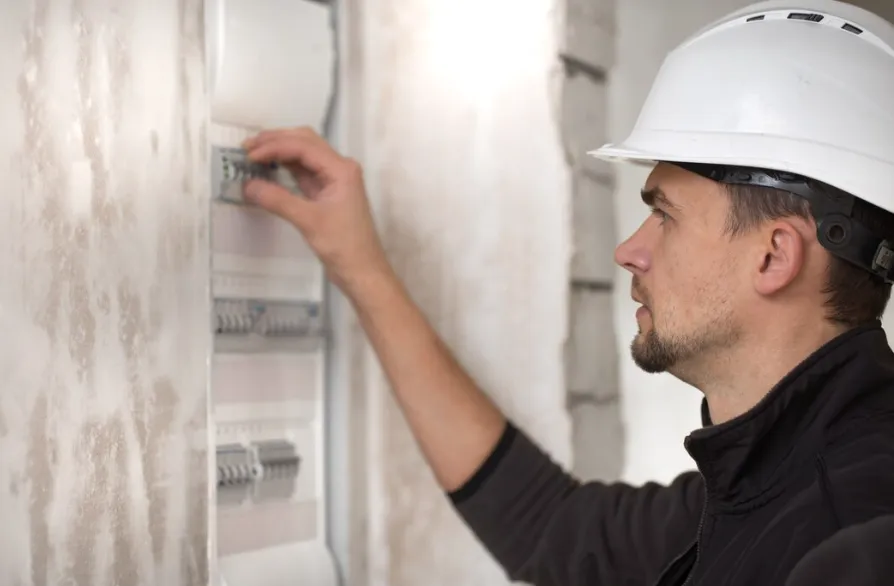
Image: pvproductions on Freepik
The real cost of a pool heat pump isn’t just the price tag. It’s what you’ll spend over its 10–12-year life.
In Sydney, the purchase is about 30% of total cost. The other 70% shows up in electricity, repairs, and replacements. If you buy a quality unit for $7,000, expect $16,000 on power and maintenance over its life.
And keep in mind that a bargain unit often won’t last past year six, working twice as hard to do the same job.
So, buying an undersized pool heat pump unit might seem like a win at checkout, but it’s a high-interest loan you pay back every quarter. Here is why:
- Slower heating: Small units struggle to reach 28°C in shoulder months.
- Higher energy bills: A standard on/off unit often wastes more electricity than a properly sized one.
- More repairs: Running at full power all day wears parts faster.
- Electrical upgrades: 10-amp circuits in many sheds may require expensive upgrades.
- Warranty risk: If the unit is too small, manufacturers may refuse to cover repairs.
- Shorter lifespan: A quality heat pump lasts much longer than a cheap, strained model.
When you add it all up, the bargain buy often becomes the most expensive mistake you can make.
Remember, choosing a high-efficiency, properly sized heat pump isn’t a luxury. It’s a smart decision where you can expect steady comfort, lower bills, and a longer-lasting unit.
6 Hidden Costs of Choosing the Wrong Pool Heat Pump

Image: Freepik
Here’s where each of those costs shows up in real life:
1. The Pool Never Gets Warm Enough to Jump In
Every pool in Sydney loses heat overnight, especially when the air drops to 12–15°C in April and September. A pool heat pump’s job is to add heat faster than the pool loses it.
A well-sized heat pump replaces that lost heat and brings water to a cosy 28°C. An undersized unit will stall at 23–24°C, no matter how long you run it.
Most heat pumps cite a COP at 27°C air. At 15°C outside, heating power drops by 40–50%, so you use more electricity for less warmth.
A smaller unit may seem cheaper upfront, but you’ll pay later with a pool you can’t actually enjoy.
2. Your Electricity Bills Skyrocket
Your electricity bills rise with the wrong heat pump. An undersized or low-efficiency fixed-speed unit can cost you $600 to $1,200 more per year than a properly sized inverter pool heat pump.
For a typical Sydney pool, that’s about $860 to $1,460 annually at current rates of 27–30 cents/kWh.
The issue isn’t just longer runtimes; it’s how the unit runs. Many cheap heat pumps use on/off technology. Once the pool is at temperature, they shut down, then restart at 100% as soon as it drops by half a degree.
This constant cycling is inefficient because startups draw the most power, causing electrical surges that don’t effectively heat water.
3. You’re Always Calling for Repairs
If you don’t use the right unit, it might wear parts fast—fan motors overheat, compressors crack, and sensors fail. It should last 10–12 years, but needs repairs by year three or four.
In Sydney, service calls cost $155–$360. A good unit only needs maintenance every 18 months, but an undersized one needs it every six, costing you an extra $300–$700.
If you live in Bondi or near the coast, salt air speeds up rust and can cause refrigerant leaks, making a cheap unit fail even faster. You’ll end up spending more time waiting for repairs than actually relaxing.
4. You Get an Unexpected Bill From Your Electrician
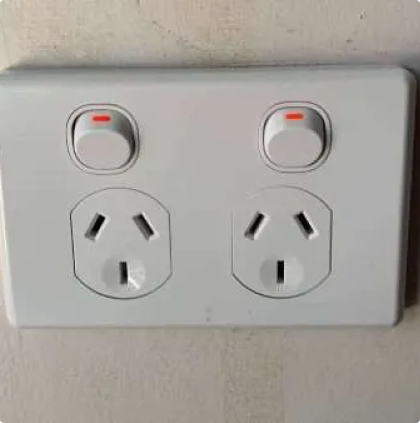
Most Sydney pool sheds use standard 10-amp outlets, which worked fine for simple pumps. But modern heat pumps need more power—usually a dedicated 15-amp or 20-amp circuit.
If you plug one into a 10-amp outlet, the circuit breaker will trip constantly.
You grab a “cheap” heat pump for $4,500 to save money, then face a $1,200 electrician bill before installation. That bargain becomes $5,700, a cost most people learn only after committing to the unit.
5. The Company Refuses to Fix It Under Warranty
Manufacturers put misapplication clauses in warranties. Install a unit in an oversized pool, and they can claim improper use and refuse repairs.
If your heat pump is undersized and runs nonstop, parts wear beyond their designed limits. When something breaks, the manufacturer will call it mechanical abuse, not a product fault.
It gets worse with generic online buys. They lack a local Sydney service network, so there’s no trained technician when it breaks. Even if you find one, you can’t get the exact parts you need.
6. The Machine Dies Years Before It Should
A properly sized heat pump lasts 12 to 15 years with basic maintenance. An undersized unit often fails by year five or six.
If you choose the wrong heat pump, you can think of five years of higher bills, repair calls, and a pool that never works. And then the machine dies.
You’ll buy a new unit, pay for installation again, and remove the old one. You’ve paid twice for a heater you only enjoyed half its life. The same logic applies to any pool heating type like a gas or electric pool heater.
How to Choose the Right Pool Heat Pump the First Time
Image: bojoshophouse on Freepik
Getting it right comes down to seven decisions. You just need to know what to look for
1. Calculate Your Pool Volume
You need to know your pool’s volume so you can size your pool heat pump correctly. An 8m x 4m Sydney pool usually holds 40,000–60,000 litres, depending on the depth.
Try to find your exact volume by multiplying length x width x average depth in metres, then multiply that number by 1,000. To figure out the kilowatts you need, divide your total litres by 1,500.
If your heater is too small, it won’t keep up. If you go too big, you could waste $2,000 on a heater you don’t need.
2. Choose Between a Full-Inverter or Fixed-Speed Model
A fixed-speed heat pump runs at full power, then shuts off. This wastes energy and makes a lot of noise. An inverter model, however, starts at full power but drops to 20–30 percent once it’s running.
Because it avoids power spikes, an inverter heat pump is much quieter and up to 50 percent more efficient.
You’ll pay $500–$1,500 more upfront for an inverter model, but it pays for itself in three years by saving you $600 a season on electricity.
This efficiency is also one of the factors that often make you compare solar pool heating vs heat pumps.
3. Check the Efficiency (COP)
The most important number on your heat pump spec sheet is the Coefficient of Performance (COP). It shows how much heat you get for every kilowatt of electricity you pay for.
A COP of 5 gives you five units of heat for every unit of electricity, so higher ratings save you money. When you compare units, ask for the AHRI-certified COP or 15°C performance data to get the right numbers.
Is it worth paying more for better cold-weather performance? Yes. It’s better to spend $1,500 extra for a unit that keeps a COP of 5 at 15°C than to buy a cheaper one that drops to a COP of 2.
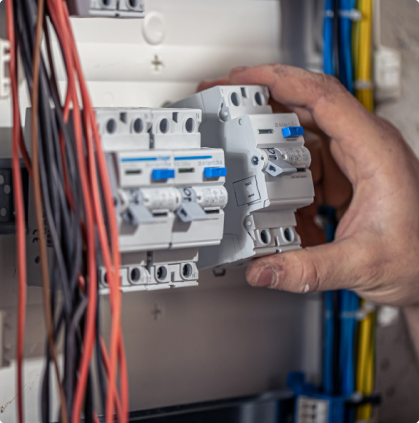
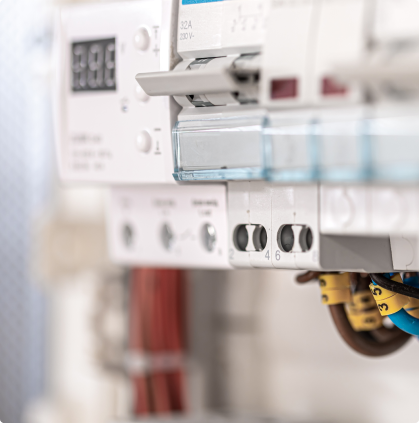
4. Check Your Switchboard Capacity
Before you sign anything, make sure your switchboard can handle the unit. Hire a licensed electrician to check your setup before you buy a unit.
If you don’t check your electrical setup first, you might end up with a $7,000 unit you can’t install without a new dedicated line. In simple terms, your heat pump is not heating as you expected
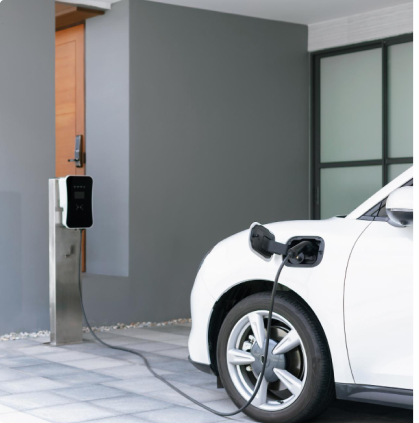
Worse, if your AC or EV charger already pushes your board to the limit, adding a heat pump could trip your main switch. This would force you to pay $2,500–$4,000 for an upgrade.
5. Match the Unit to Your Swim Schedule
The right heat pump depends on how you use your pool, not just its size. If you only look at the volume, you’ll waste money and won’t be comfortable.
- For weekends: You need a high boost capacity to raise the temperature 5–6°C quickly. Don’t buy a small unit; it won’t warm the water in time.
- For daily swimming: A high-efficiency inverter is your best bet. Running it constantly at low power is cheaper than reheating, and it saves you about 30% on energy costs.
- For year‑round use: If you swim in winter, you need an active defrost cycle. This keeps standard pumps from losing power or freezing in the cold.
Choose a unit that fits your actual schedule. If you only swim on weekends but use a “maintain efficiency” model, you’ll be frustrated. If you swim daily but use a “boost” unit, you’ll pay too much for electricity.
6. Decide If You’re Using a Pool Cover
A pool cover is the secret to keeping your pool warm. Without one, you’re losing heat constantly, and your heat pump just can’t keep up.
An uncovered 40,000‑litre Sydney pool loses 1,200 to 1,500 litres of water monthly, taking your paid‑for warmth with it. It’s like running your house heater with all the windows and doors wide open.
If you skip the pool covers, you have two options: buy a larger, pricier heat pump or pay much higher power bills. Decide on this before you buy your pump.
7. Choose a Brand With a Local Service Team
Only buy a brand that has real technicians in Australia. If a $50 part breaks on an unsupported brand, you might have to replace the entire unit because no one stocks or fits the part nearby.
Local service also makes warranty claims much faster. Before you buy, ask: “Who services this brand in Sydney, and how long does it take for a call‑out?” If they give you a vague answer, look elsewhere.
FAQ About Choosing the Right Heat Pump
Here are answers to common questions about choosing the right pool heat pump:
Is a bigger pool heat pump always better?
Not always. An oversized unit will heat your pool too fast and keep turning on and off. This wears out the compressor and wastes energy. The goal is a correctly sized unit for your pool volume, not the biggest one.
Is an inverter pool heat pump worth the extra cost?
Yes, for most Sydney pools. The $500–$1,500 price premium is typically recovered within one to two seasons through lower electricity costs. Over ten years, you’ll save $3,000–$6,000 compared to a standard model.
How much does a pool heat pump cost to run in Australia?
It depends on pool size, unit efficiency, and usage pattern. A correctly sized inverter heat pump for a 40,000 L Sydney pool typically costs $80–$130/month. An undersized unit can exceed $150–$200/month.
Conclusion
The cost of choosing the wrong pool heat pump means more than just a cold swim. It means constant repairs, skyrocketing bills, and premature equipment failure.
Not sure how to choose the right one? Contact Lightning Bult. Our team are experts in Sydney pool heating, and we make sure every unit we install is the perfect size for your pool and your lifestyle.