



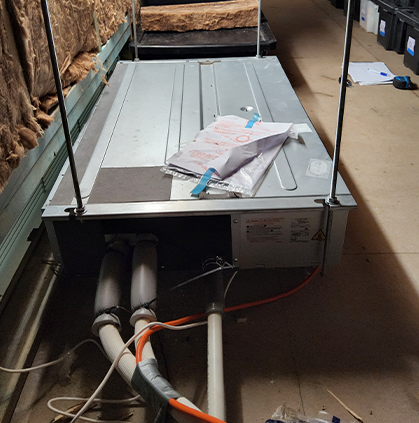
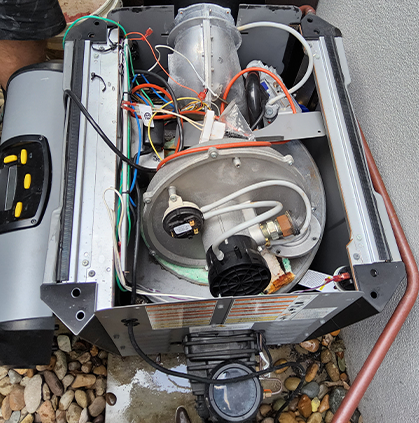
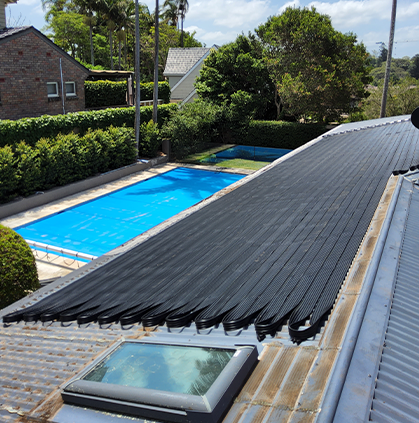
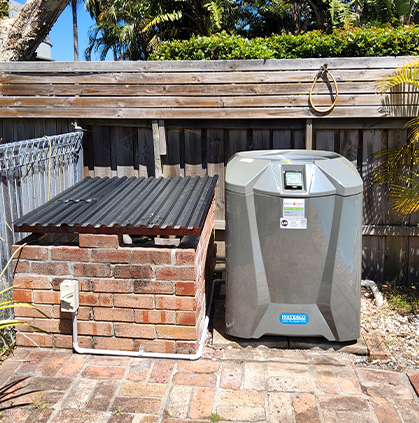

When it comes to pool heat pump costs, it’s easy to just look at the unit price. But remember, you also need to pay for installation, electricity, and maintenance.
If you miss these, you might end up with a system that costs more than you expected. And this guide shows you the real numbers so your pool heating installation decision is based on facts, not guesswork. Let’s dive in!
How Much Does a Pool Heat Pump Cost to Buy?
Pool heat pumps range widely in price and quality. You can even find units under $1,000, but we don’t recommend these cheap models for standard in-ground pools. They cost more to run and don’t perform well.
For a reliable pool, expect to spend at least $2,500. Here is what you can expect:
| Tier | Price Range | Best Suited For | Key Features |
|---|---|---|---|
| Entry-Level Standard | $2,500 – $4,500 | Smaller pools up to 30,000L | 9–13 kW, basic inverter technology, COP 6–10, standard ABS plastic, basic controls |
| Mid-Range Inverter | $4,500 – $8,000 | Most Sydney pools 30,000–50,000L | 13–21 kW, full DC inverter, COP 11–14, tough corrosion protection. Quiet, highly efficient, and offers solid electricity savings |
| Premium Inverter | $7,500 – $10,500+ | Larger pools, coastal homes, year-round use | 21–33+ kW, stepless inverter, COP 15–16+, marine alloy casing, smart Wi-Fi. Lowest running costs, near silent, best durability in salt air. |
Please note, four factors decide the final cost: output capacity, inverter efficiency, COP rating, and build quality.
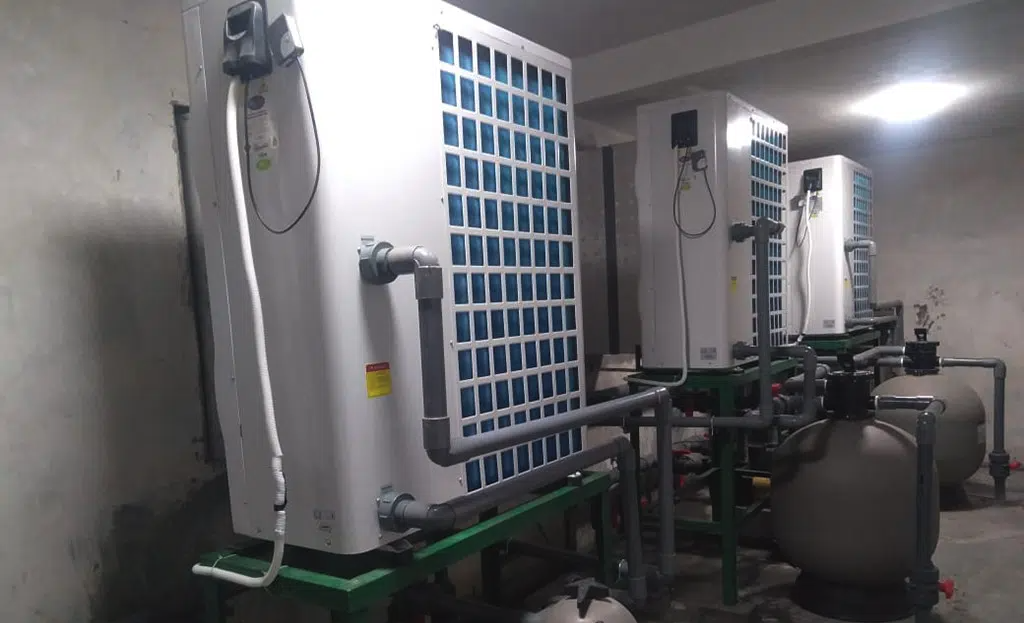
Image: Evoheat.com
Larger pools need more power (kW). High-end 24.2 kW models, like the EvoHeat Force-i 24, cost $9,900–$10,800. Larger 33 kW models, like the Madimack InverELITE V4, cost about $10,800–$14,500.
Basic units use simple stepped inverters with limited speeds. Mid and top-tier models, like the EvoHeat Force-i, use full DC stepless inverters that adjust speeds to cut down on electricity use.
Keep in mind that a higher COP rating means lower power bills. So, building a unit to reach a high COP needs better parts, which increases the upfront price but saves you a lot of money over time.
Top-tier units like the Madimack InverELITE V4 use marine-grade aluminium or anti-corrosion plastics. These materials handle Sydney’s salty air well, though they do make the unit more expensive to buy.
Standard vs Inverter Heat Pump: Is the Extra Cost Worth It?
It’s worth it. While inverter pool heat pump cost $500–$1,500 more upfront, they use up to 50% less electricity.
Standard models cycle on and off at full power. This wastes energy. Inverter heat pumps use a variable-speed compressor to match your pool’s heat loss. This stops power spikes and significantly lowers running costs.
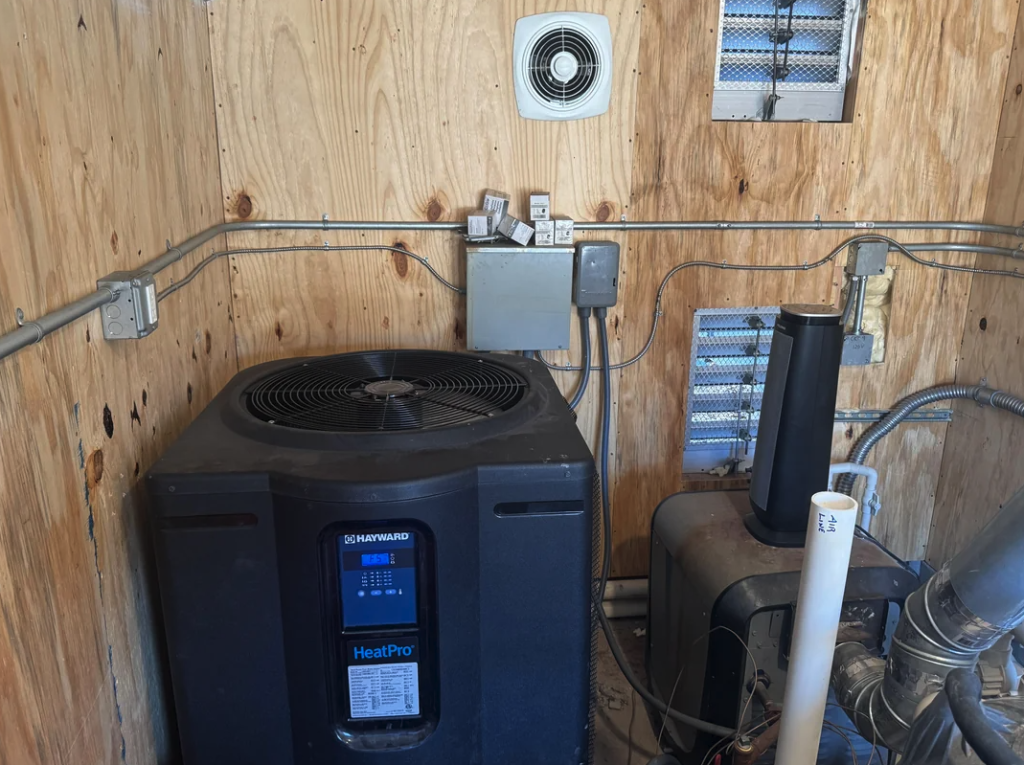
Image: Fil_E on Reddit
In Sydney, electricity costs $0.30–$0.35 per kWh. A standard heat pump will cost you $1,200–$1,400 to run for the season.
Switch to an inverter model and you’ll use half the power, dropping your cost to $600–$700. That saves you $600–$700 a year.
And for a 40,000-litre Sydney pool over a 7-month season, here is how they compare:
| Standard Heat Pump | Inverter Heat Pump | |
|---|---|---|
| Technology | On/off compressor | Variable-speed compressor |
| Upfront Cost | $3,500 | $5,000 – $7,500 |
| Annual Running Cost | $1,200 – $1,400 | $600 – $700 |
| Payback Period | — | 3 – 5 years |
If you only heat your pool during the four-month summer, it takes four to five years to pay off the extra cost. If you swim year-round, you’ll earn that money back faster through consistent monthly savings.
Pool Heat Pump Installation Cost in Sydney
Buying the unit is just the start. You’ll need to budget $700 to $2,200 for installation, depending on your backyard layout and electrical setup.
Most standard installations cover these steps:
- Positioning: Place the unit on a solid base near your pool gear, leaving enough room for airflow and quiet operation.
- Plumbing: Connect the pump to your filtration system. It must go after the filter but before the chlorinator or salt cell to avoid chemical damage.
- Electrical: Run heavy-duty wiring through a weatherproof pipe to your main electrical panel.
- Testing: Set the bypass valves, check the water flow, and sync your Wi-Fi controllers.
Electrical work is critical and must be performed by a licensed electrician. They must provide a Certificate of Compliance, which you must submit via the Building Commission NSW (BCNSW) eCert portal.
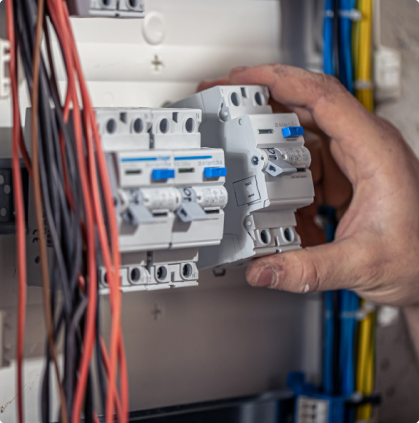
Since pool heat pumps use a lot of power, they need their own dedicated circuit with an isolating switch and a Type A RCD safety switch. You can’t just plug them into a shared outdoor outlet.
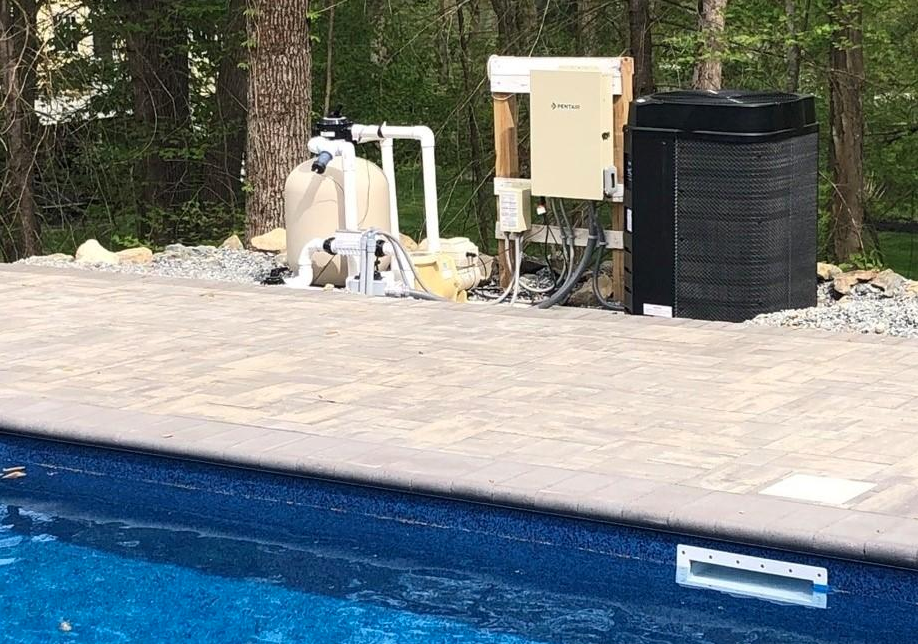
Image: Reddit
Many older Sydney homes only have a 10-amp line. So, if you need to upgrade to a dedicated 15-amp, 20-amp, or 32-amp circuit, you’ll need a new cable from your switchboard, which adds $300 to $1,000 to your total.
To avoid surprise costs, many Sydney homeowners prefer package pricing. Local pool heating services like Lightning Bult offer packages that combine the unit and installation, making it easier to budget.
Hidden Costs to Watch Out For
The cost of choosing the wrong heat pump can be significant. On top of that, you need to know that these hidden costs can add to your final installation bill:
- Electrical circuit upgrade ($300–$1,000): Many older Sydney homes need a dedicated 15-amp to 32-amp circuit to meet AS/NZS 3000 wiring rules. If your switchboard is from the 1980s or earlier and uses old ceramic fuses, you’ll need to budget for this.
- Pool cover ($200–$600): A pool cover can significantly reduce heat loss and running costs. Evaporation causes around 70% of heat loss in backyard pools. A good solar or thermal blanket helps your heat pump run more efficiently.
- Old heater removal ($150–$400): Replacing a gas heater? Disconnection of the gas line and removal of the old unit is licensed gasfitter work. It adds to the scope and the bill.
- Coastal corrosion protection: If you live near the beach, salt air will quickly rust standard steel panels. Before you sign any quotes, make sure you get a 100% titanium heat exchanger and a marine-grade metal or plastic casing.
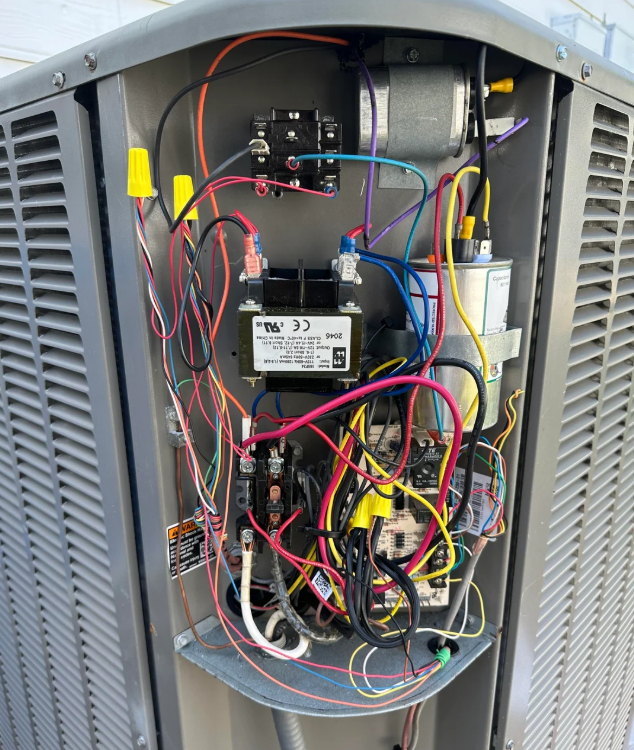
Image: Reddit @unanonymousJohn
How Much Does It Cost to Run a Pool Heat Pump?
You pay once for the unit and installation. What really matters is your running costs. These depend on your pool size, target temperature, how often you use it, and whether you use a pool cover.
With NSW electricity rates at $0.27 – $0.30 per kWh, a standard 10–15 kW heat pump for an average Sydney pool costs you $2 to $5 a day during shoulder months.
Your annual running costs change based on your pool size, heating season, usage habits, electricity tariff, and whether you use an inverter or standard on/off system.
The key difference is the Coefficient of Performance (COP). A COP of 5 means the pump delivers 5 kW of heat for every 1 kW of electricity you use.
Standard systems are usually less efficient than inverter models. Smart inverter pumps can reach a COP of 6 to 10+ in mild weather, which cuts your power bills significantly.
Worked Example: Running Cost for a Typical Sydney Pool
Take a standard 8 x 4 metre Sydney backyard pool. You want to keep it at a comfortable 28°C for a long season, so you use a 25 kW heat pump with a COP of 5 and a pool cover.
Here’s the simple math: 25 kW ÷ COP 5 = 5 kW of electricity drawn per hour. At $0.28/kWh, that’s 5 kW x $0.28 = $1.40 per hour to run the heat pump.
In the cooler months, running the pump for 8–10 hours a day costs $11.20–$14.00. In the heat of summer, running it for 2–3 hours costs $2.80–$4.20.
You can expect to pay about $1,300–$1,900 for the season. Higher power prices or heat loss will push your costs toward the higher end of that range.
A good rule of thumb is to expect your running costs to jump by 65% to 100% if you leave your pool uncovered. Evaporation quickly steals your heat overnight.
What Affects How Much You Pay to Run a Pool Heat Pump?
The example above assumes perfect conditions. Here is what changes those numbers for your specific pool and property:
- Pool size and volume: You need to know how to size a pool heat pump. Larger pools need more kW capacity and longer run times. That said, a 30,000 L pool needs far less energy than a 70,000 L pool.
- Target temperature: Every extra degree uses a lot more energy. In Sydney, heating to 28°C instead of 26°C adds around $150–$300 to your yearly bill.
- Ambient air temperature: Heat pumps work best in warm air. Sydney’s mild winters give you a natural efficiency edge over Melbourne.
- Pool cover usage: A cover prevents surface evaporation, which accounts for 70% of heat loss. Using one cuts annual running costs by 50–70%.
- Wind exposure: Pools in exposed areas, such as the Northern Beaches or Eastern Suburbs, lose heat quickly to wind chill and require longer run times.
- Unit efficiency (COP/inverter technology): A higher COP rating lowers your electricity bill. A premium inverter system with a COP of 10 uses half the electricity of a standard system with a COP of 5.
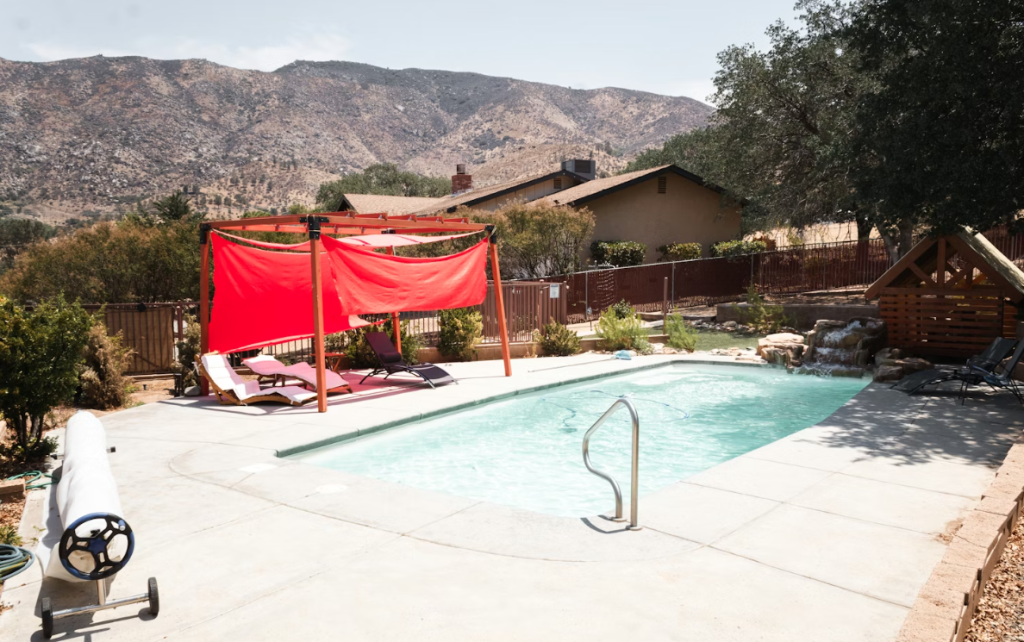
Image: Brian Wangenheim on Unsplash
Pool Heat Pump vs Gas Heater: Total Cost of Ownership
When choosing a heater, look beyond the initial price tag. While gas heaters seem cheaper at first, heat pumps have a lower total cost of ownership.
Here’s what you’re missing when comparing gas vs electric pool heaters:
| Cost Component | Pool Heat Pump | Gas Pool Heater |
|---|---|---|
| Upfront & Install | $4,200 – $9,700 | $3,300 – $9,000+ |
| Annual Running Cost | $700 – $1,500 | $1,500 – $3,000+ |
| Lifespan | 10 – 15 years | 5 – 10 years |
| 10-Year Total Cost | $11,200 – $24,700 | $21,000 – $41,500+ |
Over 10 years, a heat pump can save you $8,000–$20,000. Gas heaters might suffer from shorter lifespans due to chemical wear and burner heat, which often need replacement within a decade.
Even so, gas heaters have one main advantage: speed. They heat a pool quickly for occasional use, while heat pumps are better at keeping a steady, efficient temperature all season long.
Pool Heat Pump Maintenance Costs
Pool heat pumps are easier to maintain than gas heaters because they don’t have gas lines or burners. Just make sure there is steady airflow and water flow.
DIY tasks:
- Clear debris: Keep air intakes free of leaves.
- Monitor flow: Check water flow and filter health regularly.
- Rinse coastal units: Rinse the exterior every few months to remove salt.
Professional servicing:
- Routine check: Schedule every 18–24 months ($155–$360 in Sydney).
- Compressor repair: Replacing a compressor costs $800–$2,000+, though this is rare for quality units within 8 years.
To lower costs, size your unit correctly. Undersized pumps running at full load wear out fast, leading to early compressor failure. Remember to keep the area clear and make sure consistent water flow.
You can also compare pool heating options to make sure you get the best value for your money.
Are There Rebates Available for Pool Heat Pumps in NSW?
Before finalising your budget, check if the NSW government or your installer can reduce upfront costs.
The NSW Energy Savings Scheme may offer rewards for approved upgrades, including high-efficiency pool pumps and heat pump hot water systems.
But, eligibility for a pool heat pump is decided case-by-case, and replacing older gas or electric heaters may qualify under specific rules.
Manufacturers also offer seasonal rebates, promotions, or extended warranties.
Since these change often, ask the Lightning Bult team when requesting a quote to confirm which NSW scheme discounts, manufacturer offers, or warranty upgrades apply to your project.
FAQ about Pool Heat Pump Costs
Here’s what Sydney pool owners ask us most about heat pump costs.
How much does a pool heat pump cost in Australia?
Units cost $2,500–$10,500, plus $700–$2,200 for installation. For a typical 30,000–50,000 L Sydney pool, expect to pay $5,000–$10,000 in total, depending on pool size, unit type, and installation complexity.
How much does it cost to run a pool heat pump each month?
In Sydney, expect to pay $60–$130. This depends on your pool size, the season, and whether you use a cover. Costs peak in winter and drop in summer. For the best efficiency, use an inverter heat pump with a pool cover.
Is a pool heat pump cheaper to run than a gas heater?
Yes, by a significant margin. A gas heater costs $1,500–$3,500 per year, while a good inverter heat pump costs $700–$1,500. Over 10 years, you’ll save $10,000–$15,000 with a heat pump.
How long does a pool heat pump last?
A quality, correctly sized unit lasts 10–12 years with regular maintenance. If you pick the wrong size, it will run constantly and wear out quickly. Look for a unit with a titanium heat exchanger and a corrosion-resistant casing to handle the salt air.
Does pool size affect the cost?
Yes, directly. If your pool holds up to 40,000 L, a 15–20 kW unit works best. For 50,000 L pools, use a 21–25 kW unit, and for pools over 70,000 L, you’ll need a 32–40 kW system.
Conclusion
The numbers in this guide are a good starting point, but your pool is unique. Factors like location, size, winter use, and covers affect actual costs.
A professional assessment is highly recommended before installation. A site visit catches what spreadsheets miss.
Ready to know your real costs? Lightning Bult‘s team can assess your pool, recommend the right system, and handle installation across Sydney. Contact us today!