-
Peter
★★★★★
2 months ago
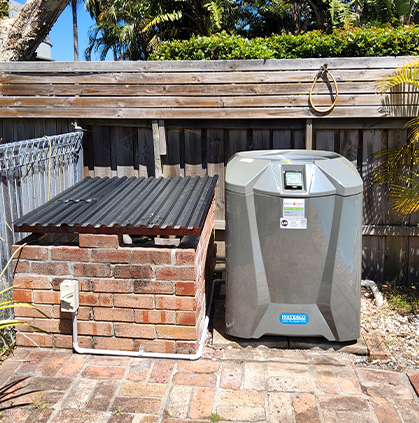
I purchased a Madimack pool heat pump from Lightning Bult and their installation went seamlessly. Rafa and Rob's workmanship was top-notch, despite me wanting the heat pump installed in a tight "dead space" next to a fence … More line, which provided a couple of small challenges. Running PVC piping and an electrical line from the pool filter box to the heat pump in that space was not a problem for them and the whole job only took a few hours. Rob runs a great company to do business with, friendly, courteous and professional from initial quote to installation and clean-up. Rafa, one of Rob's team, is gold!
We are very impressed with the finished product and the family is looking forward to a long swimming season!
-
Trish Kewin
★★★★★
a month ago
Cal installed a new fan/light to replace my old one, and I have to say he was the best service man I have ever had, and I am 8 yrs old. Cal was so friendly and nice, nothing was a bother, we chatted a bit whilst he was working, and he … More did a fabulous job.
also he replaced everything back to where it was, totally cleaned up any mess, also he took absolutely every speck of the old fan and its wrappings away, and left the unit looking like new. He took tie to make sure I knew how to operate the remote, and could not have been more helpful or kind, I will certainly be using Lightning Bult again. Many thanks, Trish Kewin
-
Leanne Hughes
★★★★★
a month ago
Great experience with Lightning Bult, who installed our air conditioning units about 8 years ago and have looked after them ever since. The team is always efficient, professional, and gets the job done properly without any fuss. We recently … More joined their Homeguard Maintenance Plan and it's been excellent value — genuine savings without any drop in the quality of work. Highly recommend if you're after a reliable local team for aircon.
-
CMarcelo Sergio
★★★★★
5 months ago
Rafael and Callahan were great. Friendly and also very professional. Their work removing an old air conditioner and installing a new one was top quality. Great communication from beginning to end, explaining the job to be done and any … More additional work required was explained to us, including cost, before proceeding. No hidden fees.
In general, the whole experience with Lightning Bult was excellent, from the first communication via their website to the end of the job. Honest review.
Highly recommend them.
-
Bronwyn Gould
★★★★★
5 months ago
Jason and Rafa on Rob's crew have done a downside painless day's work, with a really difficult installation of our heat pump.
Tiny terrace yard, tricky access.. and rain.. what rain?, Did they down tools and wait.. ? no! They … More simply donned raincoats and used an umbrella when needed. All made a breeze
Reliable, communicative, punctual and cleaned up brilliantly. Totally recommend this company and these brilliant workers.
-
The Shaw’s
★★★★★
5 months ago
We were very happy with the service Amelia provided. She was punctual, polite and very friendly and most importantly got our old gas fireplace from not working to good-as-new. She also took the time to highlight a safety concern (we don’t … More have a carbon monoxide detector)- sharing knowledge from uk, where they are mandatory due to the high number of fatalities in the UK in the home from old gas appliances. She gave clear information on what the issue had been with our fireplace and how to better maintain it for function and safety.
So refreshing to see a great female tradie too!
-
Kate Button
★★★★★
11 months ago
Rafael from Lightning Bult was extremely professional, friendly, and communicative! Kept us up to date on when he would be arriving, very prompt and carried out the job with ease.
He took away all the old materials and left the place spotless … More when he finished up.
I would highly recommend him and his team!
-
Susana Cox
★☆☆☆☆
3 months ago
On the 29/06/26 my 82 year old father-in-law had scheduled one of your technicians to check the air-conditioner as it had been tripping the switchboard. After 15-20 minutes, your technician said there was nothing wrong, charged him $324.50 … More and left. The issue hadn’t been resolved and he couldn’t use the air-con.
Today I called a technician from another company who was able to fix the problem (at a much lower cost, and after replacing the faulty part, may I add). Extremely disappointing to see the lack of knowledge from the technician and the fee still being charged for a “no service” as the diagnosis was wrong and the problem stayed the same. You may like to know that my father-in-law will be warm tonight though, just not thanks to your company/technician.
-
Deborah Emmett
★★★★★
8 months ago
Tom from Lightning Bult was great! He explained all the options for heat pump hot water heaters when he came to give a quote and then returned for the installation. Very happy with Tom’s service and the completed job. Many thanks, Deb
-
Helen Mason
★★★★★
8 months ago
I used Lightning Bult a few years ago and remember what great service I received.
I spoke to Rob first thing Monday morning to explain that I had a significant solar leak on the roof and that I had to turn the pool filter off. I explained … More that it was urgent as I was concerned about the pool turning green. He was so accommodating and organizing for Raphael to come out in the afternoon on the same day. The office called to let me know they reorganized some appointments in order to accommodate and solve my solar pool leak. Such impressive service and Raphael explained everything beforehand and showed me the leak. Afterwards he showed me how to adjust the pool valves as well. Highly recommend Lighting Bult and will be using them again! Thanks again Rob. Kind regards Helen
-
Marie Pearsall
★★★★★
6 months ago
Rafael was absolutely fantastic...very professional, knowledgeable, well mannered, didnt waste time ... would certainly recommend Rafael and the company for any work required in the future.
Very happy with the reconnection of our solar … More pool heating system.
Thankyou for being so professional!
Marie
-
Tom Reeve
★☆☆☆☆
8 months ago
My Wife has just had a very poor experience with Lightning Bult. They charged 320$ to come out and diagnose the problem with the ducted air-conditioning unit which was causing a leak in the ceiling. The Technician couldn't find the … More problem with the unit and suggested it was the roof. Not sure how running the A/c makes roof leak but anyway we then proceeded to get a roofer in, at further expense and inconvenience, who says the roof is fine. We then complain to Rob Bult who does not return phone calls, promises to call and doesn't and then fobs off my wife with nonsense explanations. The most farcical being that she "directed" the technician to the wrong "area" and hence he did not find the problem. We then get a decent Air-conditioning service in who immediately confirm the problem is the air-conditioner and identifies the exact issues. All the while Rob sends us self serving inaccurate protestations and his solution is to charge us a second time to come out and tell us what we should have been told in the first place. For heavens sake! It is fine to make a mistake. When you do own it!
-
Lucinda Waters
★★★★★
10 months ago
From quite to install these guys were great! They gave us trustworthy advice and a simple solution.
It was incredibly hot on the day of install but the crew still got on with the job. They were very friendly and professional. As someone … More who manages trades for a living, I would highly recommend Lighting Bult.
-
Suzanne Rushton
★★★★★
10 months ago
Having been let down by my usual repair team (and sweltered through a 37C day with an 18mth old whilst waiting for a call back), I went looking for someone with a great network of tradies, solid experience and a proven record… and found … More Lightning Bult.
I filled in the booking form and Rob called within a couple of hours (which is great off of a form!). That same afternoon the booking was made a the next day Mohammad arrived - early - to save me!
And he was brilliant. Not only was Mohammad just a super lovely guy, he knew our old Carrier unit well (it is about 30yrs old) and had it fixed in about an hour. Along the way he explained what was wrong and how much it would cost to fix - and ensured I was ok with that before he went ahead.
With a heatwave on the way I cannot thank Mohammad, Rob (and the rest of the crew at Lightning Bult that help get me booked in) enough, prompt service, easy to book and pay and a great follow up afterwards…
Now I can chill (on every level) even on the hottest of summer days to come!
-
Simon Brookes
★★★★★
a year ago
Excellent service. Notified me before arrival. Turn up on time. Highly professional work-Bult team were expert, remedied the problem and also provided friendly advice. Highly recommend their expertise for pool heating and HVAC. Simon
-
Scott Horwood
★★★★★
11 months ago
The team showed up to deal with my pool solar heating.
Very friendly and helpful. Explained every step and did everything I wanted without fuss.
Would definitely recommend
-
Natasha Pitzer
★☆☆☆☆
10 months ago
HONEST CUSTOMER REVIEW, WARNING TO FUTURE CUSTOMERS.
My husband contacted Lightning Bult, owned by Rob Bult, to repair our pool. At first, he couldn’t do the job as he couldn’t find the parts, after a full month of contacting and pleading … More for repair, we were told today he does have the parts, and the job could be done. BUT only if we wrote a 5-star review and did a video testimonial for them. Once we said this was unethical, Rob refused to repair the pool. laughing at us and making fun of us for wanting heating during Christmas.
He is a scammer. DO not believe any of these reviews. Most people were held over a barrel.
-
Kath Heape
★★★★★
9 months ago
Excellent service. Joel kept in contact regarding his arrival time, was polite, efficient and fixed our plumbing problem quickly.
Happy to recommend this business to others.
-
J J
★★★★★
10 months ago
Sydney Northern Beaches
Jason from LBE called with half hour heads up, attended on time as stated. Very professional, knowledgeable and went above and beyond explaining the issue and advising for the future to help maintain our pool heater. … More Great representative for LBE. I have no hesitation in calling Lightning Bult Electrical again and hopefully Jason as the tech.
-
Phil Slater
★★★★★
a year ago
Our Strata required a full lighting makeover~ a three day job .Rob and his team get the Five Stars for the following.. Punctuality, efficiency, courteous service and foremost ability to to the job without fuss. They completed the job on … More schedule and in budget. The offer to attend to any issues was not warranted as as was in order. Cheers Phil
-
C Glynny
★★★★★
11 months ago
Joel was great, he came out to my place and help me with our pool heating solutions. It’s nice to have found someone that actually knows what they are talking about. 10/10 would recommend
-
Peter Chapman
★★★★★
a year ago
The guys at lightning built saved us hundreds of dollars by making a strip suspended light above our kitchen bench.
Elsewhere the light was $1200 for a similar design and we paid $300.
Regards
Peter Chapman
138 Lagoon st Narrabeen
-
Brian Yee
★★★★★
10 months ago
Technicians arrived on time and completed my new Pool Solar heater in a professional manner. They were friendly and answered all my queries. Very happy with the end result.
-
Peter Martin
★★★★★
a year ago
Rafael and Sandro were very professional with their attitude and communication regarding repair of the Solar system. Jennifer in office was helpful arranging appointment and gave an earlier time. Rafael was helpful explaining best managing … More Solar cf to. Heat pump. He repaired another problem
To be strongly rec.
-
Craig Jackison
★★★★☆
11 months ago
Jason has been great in diagnosing the issues with our pool gas heater. Quick to attend and explained everything thoroughly. Would recommend.
-
Lance & Mandy Muir
★★★★★
a year ago
Lightning Bult were an absolute pleasure to work with. From the phone call with Jenn, the prompt booking for the technician the following day, to Rafa and Sandro’s service on my pool solar system, they were professional, knowledgeable, … More and helpful. I would highly recommend them. Rafa also very quickly sent me quotes for other work I had enquired about.
-
Susan Morris
★★★★★
a year ago
We had Rob come and quote and install a gas line for our pool heating. Rob was super friendly, extremely efficient and made sure it was completed to such a high standard. So much so that he put the gas pipe down in line with our stairs … More (including digging up and then covering with concrete). I cannot recommend them highly enough.
-
Nathan Rigney
★★★★★
a year ago
I'd give Rafael six stars if google allowed it. He arrived when he said he would, found my problem with my solar pool mat, fixed it on the spot, no more leaks, and was happy enough to answer extra questions I had about my solar heating … More pool system. Experience of the company from first calling Ray to completion was seamless and smooth. Text book example of how a good business operates.
-
Baydon Fischer
★★★★★
a year ago
Rob came out and provided an excellent, innovative solution incredibly quickly. He saw the problem and although I’d been told something wasn’t possible by a previous plumber, he brainstormed a way to make it possible for me.
I had a full … More quote within a day and the work started a couple of weeks later. It was great working with Rob and the final product was so much better than what I had envisaged at the start.
I’d highly recommend Rob and his team.
-
Leanne Ryrie
★★★★★
a year ago
Rob’s team came out to do a service on our pool heater. They were very punctual knowledgeable, and did a wonderful job. Outstanding service from start to finish! Will definitely use them again!
-
Terry Donaghy
★★★★★
a year ago
I used the services of lightning Bult Electrical and Plumbing to fix a difficult job under time pressure. They responded in a timely manner were efficient and very professional keeping me updated as work progressed. They knew what they … More were doing and the workmanship was first class. I highly recommend them to prospective customers
-
Ali kojok (Ali Kojok)
★★★★★
a year ago
⭐️⭐️⭐️⭐️⭐️
Outstanding service from start to finish! The team at Lightning Bult Electrical and Plumbing were professional, punctual, and went above and beyond to get the job done properly. Great communication, fair pricing, and quality … More workmanship. Highly recommend to anyone needing reliable electrical or plumbing work. Will definitely use them again!
Let me know if you want it more casual, funny, or specific to the job they did for you.
-
Matthew Carr
★★★★★
a year ago
Tom was extremely thorough and worked through the issues with our pool heater until it was resolved. I have to say this would be our most positive experience with anyone we’ve dealt with over the years when it comes to our pool equipment. … More Both Ray and Tom were very communicative and kept us up to speed with the progress. We will definitely be using them again for both pool and non pool related jobs!
-
Hugo Harmstorf
★★★★★
a year ago
The team at Lightning Bult were terrific! They did a great job of helping us choose the right water heater, and kept us really well informed so there were no surprises. They were lovely guys who worked quickly to install it, and cleaned … More up beautifully afterwards. They also replaced our old fusebox with a fancy new switch box, again doing an excellent job and leaving everything perfect. I thoroughly recommend Rob and the team. They have a really professional approach and do excellent work. 🌟 🌟🌟🌟🌟
-
Viliam Benc
★★★★★
a year ago
We have been using Rob for years and has been great to us. Very reliable electricion, very skilled. I’m recommending his company to all my friends. Thank you for helping us with our renovation. Regards Viliam.
-
Stig Reenberg Hansen
★★★★★
a year ago
Rob and Lightening Bult team are always reliable and can be counted on with great service and responsiveness for any electrical jobs. We have used them for electrician board upgrade, installation of new stove tops and trouble shooting on … More water heating systems. Highly recommend them.
-
Simon de Lisle
★★★★★
a year ago
I am typing this out on my phone because I had such a good experience with this company.
I live in Gladesville and the company initially serviced my gas pool heater for a good price. They then came back and serviced my air conditioning … More unit. After testing they said that it would need some more gas and a technician came back a few weeks later to do that.
However, it turned out we did not need gas. The company invoiced me for that callout but when I questioned it, they reversed the invoice. That is excellent customer service.
I would recommend this company and I will be using them again.
-
Clint Irving
★★★★★
a year ago
I'm thrilled with Lightning Built and in particular Tom from their team. Lightning Built relocated an aircon unit in my house - a complicated task done with high quality and at a very reasonable cost. A minor issue that I found after … More they'd left for the day, had Tom drop everything to attend site the next morning to resolve. Will definitely call their team in future.
-
greg sommers
★★★★★
a year ago
Lightning Bult have reliably delivered quality services to me over a number years. They turn up on time and know what they are doing. I wouldn’t use anyone else. Greg
-
Tavish Golaszewski
★★★★★
a year ago
Tom and Rory did an awesome job installing our pool heater. They were fast to provide a good quote with several options and once agreed on the job quick to carry out the work. They were polite and patient in explaining what was required … More and talking through how to operate the new heater. They were also thoughtful in respect of the positioning of the heater which looks great. Highly recommend.
-
Sarah Ireland
★★★★★
a year ago
Tom and Rory did a great job servicing our pool heater. They arrived on time and carried out the service with professionalism and courtesy. Highly recommend.
-
Berni Barker
★★★★★
a year ago
Lightning Bult Electrical-Plumbing-Air Con. Company provided immediate service for an urgent job- removal of old solar pool tubing from a flat metal roof. They disposed of the solar tubing waste, left the roof & site clean. Tom and … More the crew were polite, fast workers. I have no hesitation in recommending their services.
-
Todd Zhao
★★★★★
a year ago
Best pool heater repairing experience. Ray and Jason solved the problem for us within a week. Professional and friendly! Highly recommend!