



Why compare a gas vs. wood fireplace when both promise the same thing: a warm living room on a cold night?
Well, because that’s where the similarity ends. One gives you instant heat; the other brings an authentic wood fire and daily effort. Either choice can affect your routine, running costs and what your home can legally support.
To help you decide, this guide compares real-world costs, maintenance and NSW regulations. And if gas makes sense, licensed gas fireplace installation in Sydney can help get it done right from the start.
Gas vs Wood Fireplace at a Glance
A gas vs wood fireplace comparison should start with the ownership factors Sydney homeowners consider every winter: heat output, efficiency, running costs, maintenance and installation complexity.
| Aspect | Gas Fireplace | Wood Heater (Slow-Combustion) |
|---|---|---|
| Heat Output | 4–14 kW usable, consistent and controllable | 10–20+ kW raw output; open hearths lose most heat up the chimney |
| Efficiency | 70–90%+ in balanced-flue models | 65–85%+ when properly installed and operated |
| Running Cost | 40–85¢ per hour based on typical Jemena network gas tariffs | $350–450+ per tonne for premium delivered hardwood |
| Maintenance | Minimal daily effort; professional service every 1–2 years | High daily effort; ash removal, chimney sweeps and wood storage |
| Installation Complexity | Licensed gasfitter, AS/NZS 5601.1, correct flue or ventilation setup and NSW gas compliance paperwork. | Council approval is required; installation should meet AS/NZS 2918, and new solid fuel heaters sold in NSW must meet AS/NZS 4012/4013 requirements. |
| Ignition | Switch or remote | Manual |
But numbers this specific rarely tell the whole story. Read on to learn why many Sydney homeowners eventually switch to gas.
How Each Fireplace Type Works
Before comparing costs and rules, it helps to understand how each type actually generates heat.
Gas Fireplaces
A gas fireplace generates heat via continuous combustion. When activated by a switch, an electrical signal opens the gas valve and ignites a pilot or spark. Natural gas or LPG flows into the burner, fuelling an open flame.
In a modern sealed, balanced-flue unit (available as an insert or freestanding model), combustion happens inside an airtight, glass-fronted chamber.
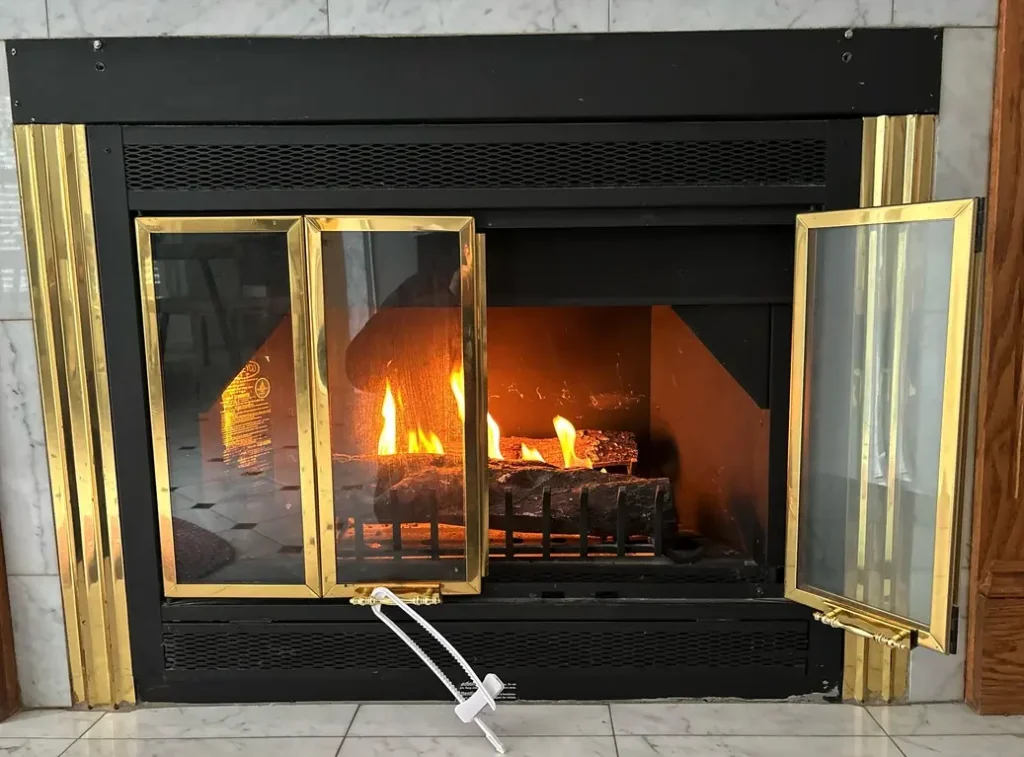
Image: easybugdoctor on Reddit
The process is a closed loop. A dual-layered wall vent draws fresh oxygen from outside through an outer pipe to feed the flames, while an inner pipe forces exhaust fumes back outdoors.
Because this combustion loop is separated from the house, the unit can provide steady radiant heat through the glass and convective heat with internal fans. It doesn’t pull warm air from the room or create cold drafts.
Please note, unflued options burn gas openly and release by-products directly into the room. Therefore, they need permanent ventilation to carry these away.
Wood Fireplaces
A wood fireplace generates heat through the manual combustion of seasoned hardwood, with the firebox’s design controlling how fuel turns into warmth.
In a traditional open hearth, you stack kindling and logs, light the fire, and let the chimney draft carry smoke outside. With this process, the trade-off is efficiency. Much of the heat escapes up the chimney.
That’s why open hearth fireplaces run at 10% to 30% efficiency. They offer the classic flame and feel, but rarely heat a room well because the upward airflow pulls warm air out of your living space.
A slow-combustion stove or insert burns seasoned wood in a sealed steel or cast-iron firebox, with adjustable air controls managing oxygen flow.
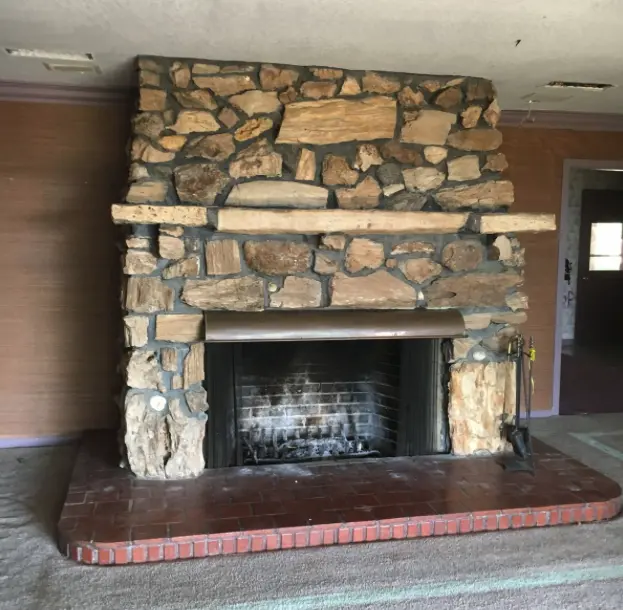
Image: Ginger Allen on Pinterest
Instead of leaving the fire open, this unit traps heat within the firebox to restrict the burn rate. It then releases that heat slowly through the body, glass door, and optional convection fans at 60% to 80%+ efficiency.
With proper installation and dry seasoned wood, the key to this process is correct operation. The fire must receive enough airflow to burn cleanly with a bright flame, not smoulder.
Heat Output: Which Warms a Room Faster?
When comparing a gas vs wood fireplace, raw heat potential tells only half the story. The real difference is in how that heat is controlled and delivered into your living space.
Gas fireplaces produce 4–11 kW of usable heat, delivered evenly and consistently. The heat output is controlled electronically, giving steady, automatic warmth without moving logs or adjusting air dampers.
A well-stocked wood fire can produce a higher 5–18 kW of raw heat, depending on the wood type and amount. However, traditional open hearths lose most of that heat straight up the chimney before it moves into the room.
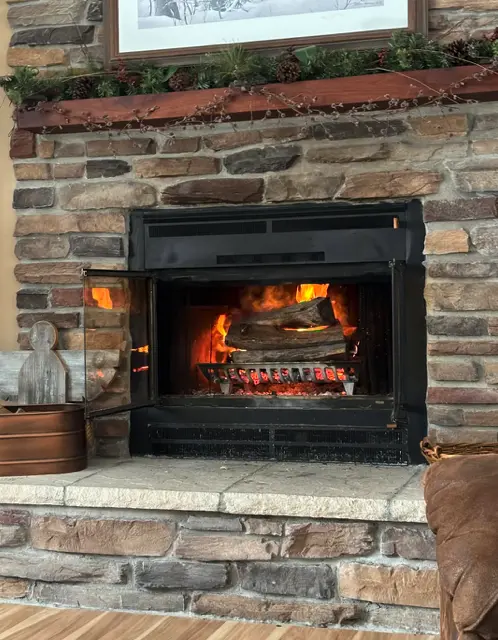
Image: SpiritDeer on Facebook
Wood heaters also have a “thermal lag.” They can take up to an hour of manual building and lighting before the firebox is hot enough to give off real warmth.
For large, open-plan living areas or homes with high ceilings, which are common in Sydney’s Northern Beaches or North Shore, a good slow-combustion wood heater beats a small gas unit on raw heat output.
For instant, adjustable heat in a standard-sized living room, without constant firebox watching, gas is still the more dependable daily option.
Running Costs: Gas vs Wood
For gas, the maths is simple: MJ per hour × gas usage rate = hourly cost. At Sydney rates of 2–3¢ per MJ, a fireplace burning 15–30 MJ per hour costs about 40–90¢ per hour.
Some plans and usage blocks cost more. If your rate is 2.22 to 6.93¢ per MJ, the fireplace could cost 33¢ to $2.08 per hour on usage alone. Daily supply charges apply whether you use it often or only on cold nights.
The main advantage is predictability. Gas is metered, easy to track on your bill, and needs no delivery, stacking, or dry storage.
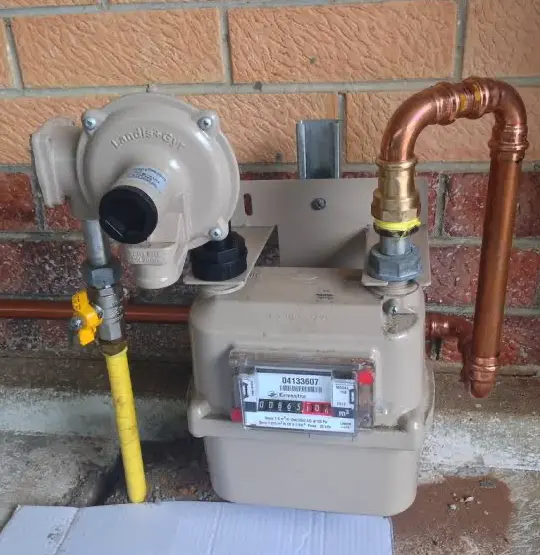
Image: Reddit
What about a wood fireplace? It’s harder to compare fairly. Free or cheap timber makes a wood fireplace cost less, but buying seasoned hardwood in Sydney changes the numbers quickly.
Delivered firewood is priced by cubic metre or weight, typically $250–$300 per tonne commercially, with premium hardwoods costing more. Prices vary by wood type, moisture content, delivery area, and amount bought.
You also need to factor in the physical work of moving, stacking, lighting, and maintaining the fire for efficient burning.
Be careful buying wood in metropolitan Sydney. Unseasoned wood sold by weight means you pay for trapped water. This damp timber wastes heat energy boiling off moisture before warming your room.
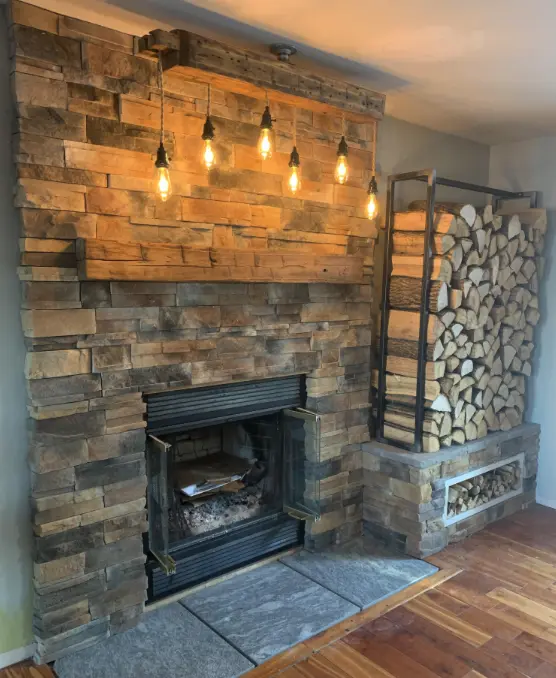
Image: Waterwalker85 on Reddit
In short, gas wins for predictable, low-effort costs; wood is cheaper with reliable access to seasoned timber. For a serious decision, consult a licensed gas plumbing specialist about actual usage, not a generic online calculator.
Maintenance and Effort
Running costs are only part of the picture; maintenance is where the two really differ:
Looking After a Gas Fireplace
If you use a gas fireplace, operation is simple. You can flip a switch, press a remote button, or use a smartphone app. No fire-building skill is needed.
Day to day, a gas fireplace needs little maintenance. No ash pile, no soot-covered hearth, no log debris to clean up, and no heavy firewood stack to store under cover.
But remember, technical maintenance must be done by a licensed gasfitter. In NSW, gasfitting is specialist work that needs the correct licence or certificate, no matter the job size.
A licensed gasfitter should service the unit from time to time. They check the burner assembly, flue, ventilation and gas connections so the fireplace keeps working in a safe and efficient way.
Looking After a Wood Fireplace
A wood fireplace is completely different. It needs regular manual work and careful fuel management.
You need to remove ash, clean the firebox, and keep sourcing, splitting, stacking and storing firewood somewhere dry and sheltered.
Beyond daily effort, the chimney flue needs serious attention. It should be professionally swept every year to reduce creosote build-up, a highly flammable residue that can increase the risk of chimney fires.
A real wood fire can also affect the room around it. Strong heat, ash and fine dust may damage nearby furniture, finishes or wall-mounted electronics over time.
And if you plan to mount a TV above your fireplace, make sure you have enough clearance.
Unlike balanced-flue systems, wood fireplaces release intense heat that rises against the wall. Without a deep, non-combustible mantel shield, this heat can warp plastic, melt displays and damage TV electronics.
Environmental and Air Quality Considerations
Wood smoke harms air quality. Gas combustion burns fossil fuels and release emissions. Neither option is impact-free.
This matters in Sydney, because wood smoke isn’t just a local issue. The NSW EPA reports that home wood heaters cause 47% of Sydney’s yearly PM2.5 pollution. In July, that figure rises to 75%.
NSW Health warns that wood smoke damages indoor and outdoor air. Short-term exposure can worsen asthma or heart conditions. Long-term exposure is linked to heart and lung disease.
And new wood heaters in NSW must meet AS/NZS 4012:2014 and 4013:2014 standards, but compliance doesn’t eliminate smoke. Usage, wood dryness, and home location all determine if smoke impacts neighbours.
On the other hand, gas fireplaces don’t produce wood smoke, ash, or chimney plumes, so they cause fewer smoke problems for neighbours.
Converting a Wood Fireplace to Gas
Got a wood fireplace but gas fits your lifestyle better now? Good news, you don’t need a costly renovation to gut the mantel, hearth, or brick structure. Often, a sleek gas insert or log set slides right into that old masonry cavity.
But a wood-to-gas conversion isn’t a simple plug-and-play DIY job. A licensed gasfitter must inspect the fireplace, gas supply, and pipework capacity, plus perform gas safety checks and verify clearances before starting the work.
Also, a common trap is thinking an existing brick chimney is automatically suitable for a gas conversion. The brick shell might be sound, but it must be carefully adapted to match the appliance’s specific flue setup.
In older Sydney homes, this often means pulling a flexible metal flue liner through the shaft to make sure dangerous gases vent safely outside rather than seeping through worn-out mortar.
Which One Suits Your Home?
Image: Clay Banks on Unsplash
- If you want heat without daily effort, choose gas. It gives you push-button warmth, easier temperature control, no ash cleanup and no firewood storage.
- If you enjoy building and tending a real fire, choose wood. It suits homeowners who value the ritual and have room to store dry, seasoned firewood.
- If you live on a small or tightly packed Sydney block, choose gas. It avoids visible chimney smoke and reduces the risk of neighbour complaints.
- If you want strong heat for a large, open-plan living area, consider a quality slow-combustion wood heater. It can work well if you are comfortable with the cleaning, storage and flue maintenance.
- If your home is a terrace, strata apartment, heritage property or bush-fringe home, check the approval pathway before choosing either fuel type. The right fireplace is the one your property can safely and legally support.
- If you are leaning towards gas, book a licensed site assessment before choosing a model. Lightning Bult’s team can help with compliant gas fireplace installation, servicing and wood-to-gas conversion advice for Sydney homes.
FAQ about Gas vs Wood Fireplaces
Here are the questions Sydney homeowners ask us most when comparing gas vs wood fireplaces.
Is a wood fireplace cheaper to run than gas in Sydney?
It depends on your wood’s source. Free or cheap firewood cuts hourly costs. Buying at retail, gas is more predictable and often competitive, especially when you factor in your MJ rating and current usage rate.
Can I convert my wood fireplace to gas?
In most cases, yes. You can use a gas insert or log set in the existing cavity. However, a licensed gasfitter must check that your gas line can handle it and safely connect the new unit.
Do I need council approval for a wood fireplace in NSW?
Yes. Installing a new solid fuel heater needs Section 68 approval under the Local Government Act and must meet AS/NZS 4012 and 4013 standards. Check with your local council before buying, as requirements vary by area.
Which is better for the environment, gas or wood?
Wood smoke adds to local air pollution, especially in winter. Gas burns cleanly but still releases carbon from fossil fuels. Neither is impact-free, so it is about which trade-off matters more for your home and street.
How often does a gas fireplace need servicing?
Most gasfitters recommend a professional service every one to two years. It covers the burner, flue and gas connections. Regular servicing catches safety issues early and keeps the unit running well.
Conclusion
No option is best for everyone. It depends on your lifestyle, home, neighbours, and how much work you want to do. Wood needs council approval and constant care. Gas needs a licensed gasfitter and lower maintenance.
Either way, expert advice before committing is worth it. Lightning Bult’s licensed gas fireplace specialists can assess your home, talk about installation or conversion, and handle gas safety the right way. We provide services across Sydney, including areas like Beacon Hill, Belrose, and Collaroy Plateau.
Get in touch with our Sydney plumbing services team for a no-obligation quote!