


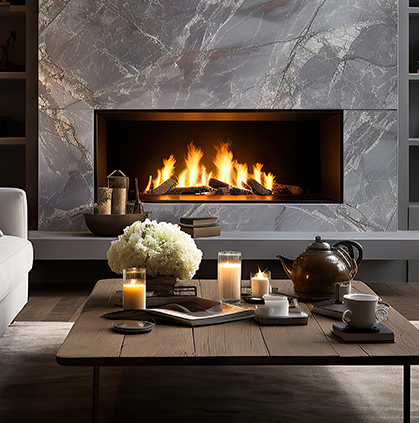


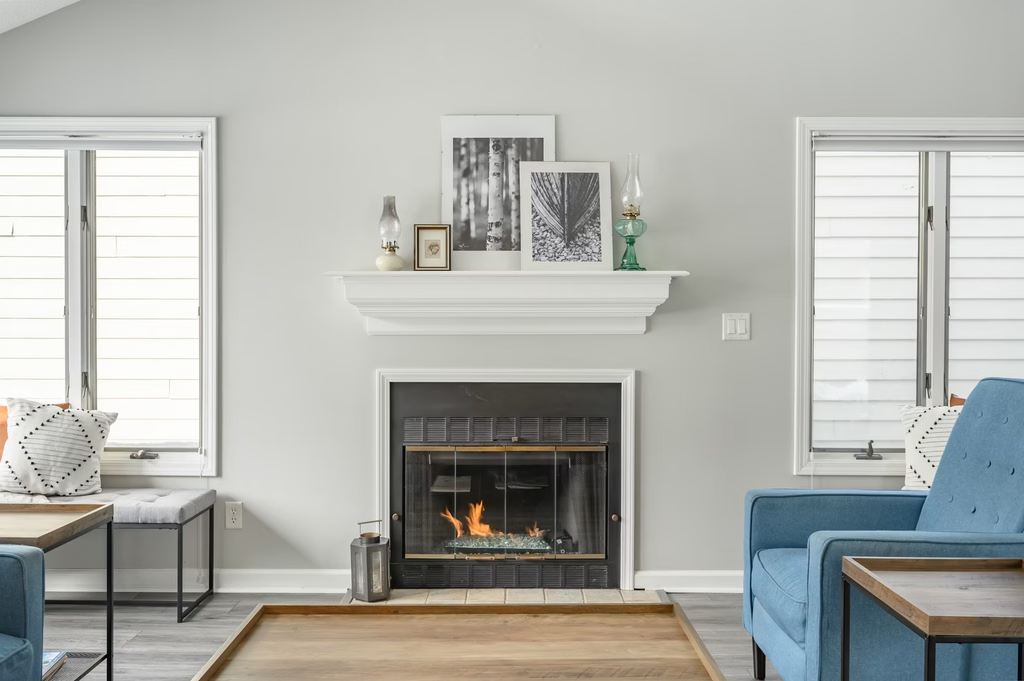
Ever wondered how do gas fireplaces work? Unlike traditional wood-burning fireplaces, gas fireplaces use natural gas or LPG to produce heat without needing to burn firewood. Depending on the type of fireplace, the gas is delivered to a burner, ignited and controlled to create a flame and heat.
Modern gas fireplaces are designed to make heating more convenient, with features such as electronic ignition, remote controls, thermostats and safety shut-off systems.
But what actually happens when you turn one on? Here’s how a gas fireplace works and what you should know about using one safely.
How Does a Gas Fireplace Work?
A gas fireplace works by supplying gas to a burner, where it is mixed with air and ignited to produce a controlled flame.
While the exact design varies between models, the basic process usually involves:
- Gas is supplied to the fireplace.
- The gas valve controls the amount of gas entering the burner.
- An ignition system lights the gas.
- The burner produces a controlled flame.
- Heat is transferred into the room.
- Combustion gases are managed through the fireplace’s ventilation or flue system, depending on the appliance.
What Are the Main Parts of a Gas Fireplace?
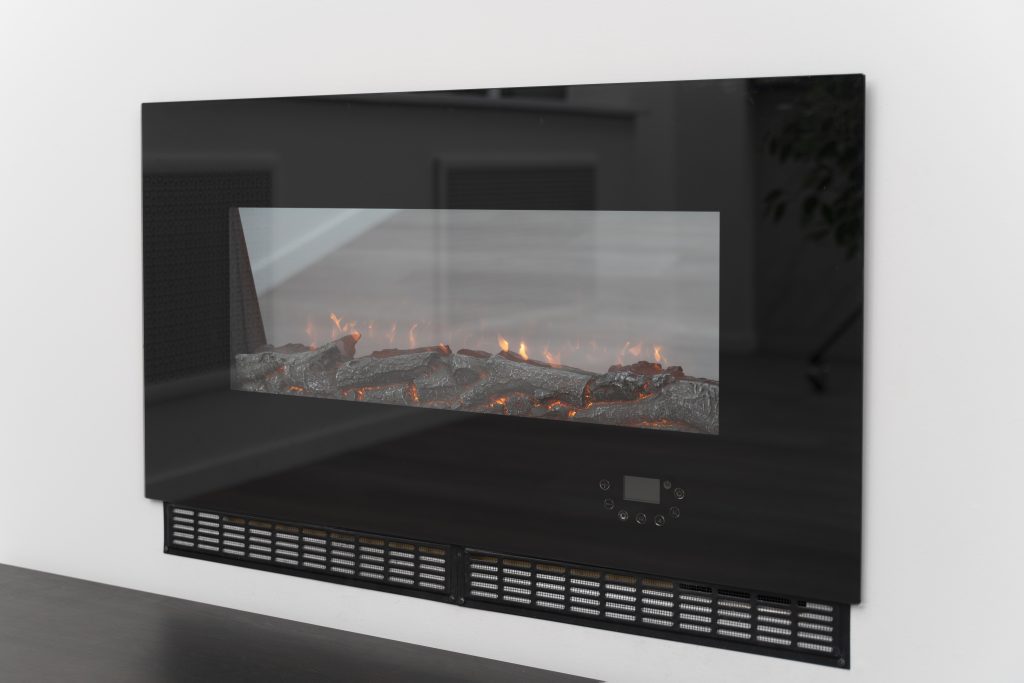
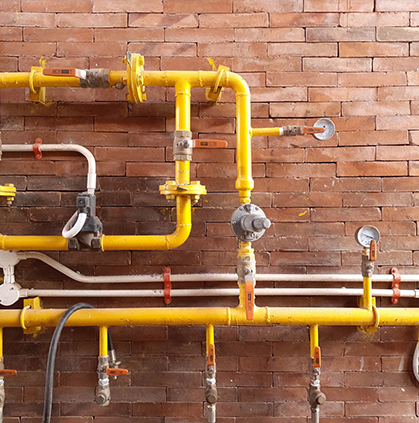
Gas Supply
The fireplace needs a suitable gas supply to operate. Depending on the property and appliance, this may be natural gas supplied through the gas network or LPG.
The gas installation needs to be appropriate for the particular appliance, including the correct gas pressure and connection.
Gas Valve
The gas valve controls how much gas reaches the burner.
When you turn the fireplace on, the valve opens to allow gas through. Modern systems may control the valve electronically, allowing the flame level to be adjusted using a remote or wall control.
Burner
The burner is where the gas is released and ignited.
Its design determines how the flame is distributed throughout the fireplace. Some burners are designed to create a traditional-looking flame around artificial logs or other decorative media.
Ignition System
Gas fireplaces need an ignition system to light the gas.
Older or simpler appliances may use a pilot light, while many modern fireplaces use electronic ignition. The exact ignition method depends on the model.
Heat Exchanger
Some gas fireplaces use components designed to transfer heat from the combustion process into the room while keeping combustion gases separated from the indoor air.
The design varies considerably between fireplace types, so it’s important to follow the manufacturer’s specifications for the particular appliance.
Flue or Ventilation System
A flue or ventilation system manages combustion products produced when gas is burned.
The exact arrangement depends on the type of gas fireplace. This is an important safety component because combustion can produce gases such as carbon monoxide.
What Happens When You Turn On a Gas Fireplace?
For a modern fireplace with electronic ignition, the process generally happens automatically.
The control sends a signal to the fireplace, which activates the ignition system and allows gas to flow to the burner. The gas is then ignited and the flame is established.
Once operating, the fireplace can regulate the flame according to its controls.
Some models allow you to:
- Increase or decrease flame height
- Set a desired temperature
- Turn the fireplace on and off remotely
- Adjust heating settings
- Set timers or schedules
How Does a Gas Fireplace Heat a Room?
A gas fireplace produces heat through combustion, but the way that heat reaches the room depends on the fireplace’s design.
Heat can be transferred through the surrounding materials and released into the room through natural convection. Some systems may also incorporate fans or other methods to help distribute warm air.
The fireplace’s design, size and installation all affect how effectively it heats a particular space.
This is why choosing a fireplace based purely on its appearance isn’t always enough. The appliance needs to be suitable for the room and intended use.
What Is the Difference Between Vented and Unvented Gas Fireplaces?
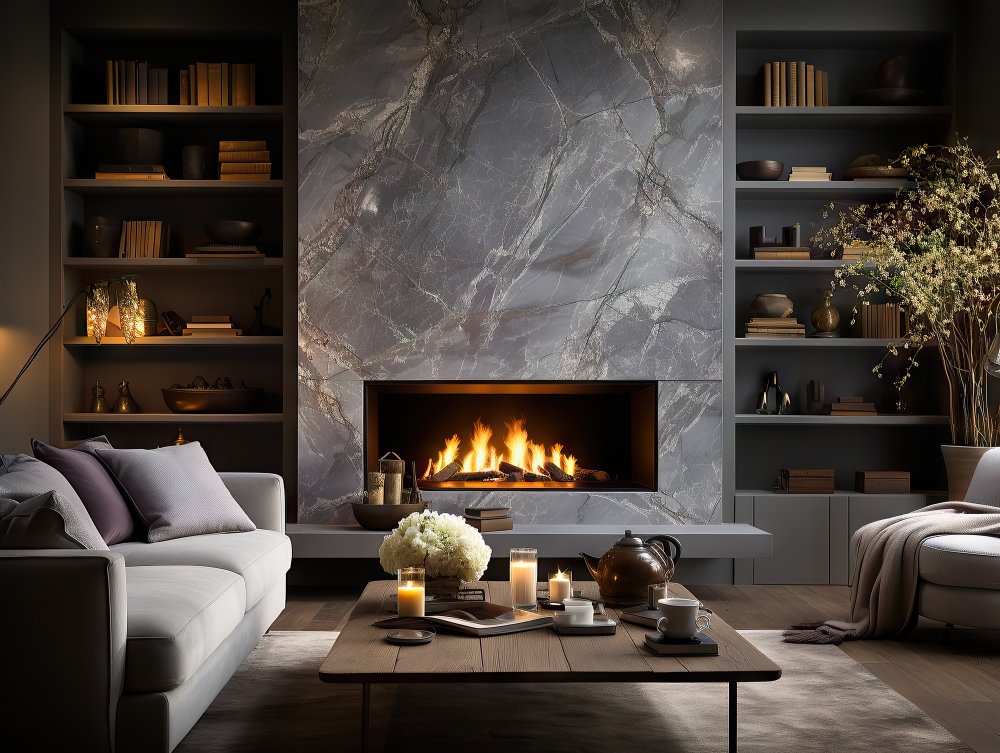
Vented gas fireplaces
Vented fireplaces use a flue or vent system to direct combustion products away from the living space.
The design and installation requirements depend on the specific appliance. A correctly installed flue is particularly important for managing combustion gases safely.
Unflued gas fireplaces
Unflued gas appliances don’t use a conventional flue to remove combustion products outside.
Instead, the products of combustion are released into the room, which means ventilation requirements are particularly important.
The rules surrounding unflued gas appliances can also vary depending on the Australian state or territory and the type of appliance.
If you’re considering a gas fireplace, check the manufacturer’s requirements and relevant local regulations before installation.
Do Gas Fireplaces Need a Flue?
It depends on the type of fireplace.
Some gas fireplaces are designed to operate with a flue, while others are specifically manufactured as unflued appliances.
For a flued fireplace, the flue is an important part of the installation because it manages combustion gases and directs them away from areas where they could create a safety risk.
You should never modify, remove or bypass a fireplace’s flue. If you suspect the flue is damaged, blocked or incorrectly installed, stop using the appliance and arrange a professional inspection.
Are Gas Fireplaces Safe?
Gas fireplaces can be used safely when the appliance is correctly selected, installed, maintained and operated according to the manufacturer’s instructions.
However, like other gas appliances, they need to be treated with care.
Potential issues can include:
- Gas leaks
- Poor combustion
- Blocked or damaged flues
- Incorrect gas pressure
- Faulty components
- Inadequate ventilation
- Carbon monoxide production
Carbon monoxide is particularly important because it is colourless and odourless. A faulty appliance or ventilation problem can potentially allow dangerous levels of combustion products to accumulate.
If you notice unusual smells, soot, discolouration, unusual flames or signs that the fireplace isn’t operating normally, stop using it and have it inspected by a qualified professional.
FAQs About Gas Fireplaces
Do gas fireplaces use a lot of gas?
Gas consumption varies depending on the fireplace’s size, gas input, flame setting, usage and operating time. Check the manufacturer’s specifications for the appliance’s gas consumption.
Do gas fireplaces need electricity?
Some gas fireplaces can operate with electronic controls or ignition systems that require electricity, while others may use different ignition arrangements. The requirements depend on the model.
Can a gas fireplace heat a whole house?
A gas fireplace is generally designed to heat a particular room or living area rather than an entire house. The heating capacity and layout of the property will determine how much of the home it can effectively heat.
Why does my gas fireplace keep turning off?
A fireplace that repeatedly shuts down could have an issue with the ignition system, gas supply, safety controls, ventilation or another component. Don’t repeatedly attempt to restart a faulty appliance. Have it inspected by a qualified professional.
How do I know if my gas fireplace is working properly?
A properly operating fireplace should follow the manufacturer’s specified operating behaviour. Unusual flames, soot, unusual smells, repeated shutdowns or poor heating performance can indicate a problem that requires inspection.
Conclusion
So, how do gas fireplaces work? In simple terms, they supply gas to a controlled burner, ignite it and use the resulting heat to warm the surrounding space. Safety systems, gas controls and ventilation or flue components all play important roles in making the appliance operate correctly.
If your gas fireplace isn’t working properly, you’re concerned about its flue or you’re considering a new installation, it’s best to have the appliance assessed by a qualified professional.
Lightning Bult has more than 30 years of experience helping Sydney homeowners with gas heating and fireplace services. If you need assistance with your gas fireplace, contact our team to discuss your requirements!