


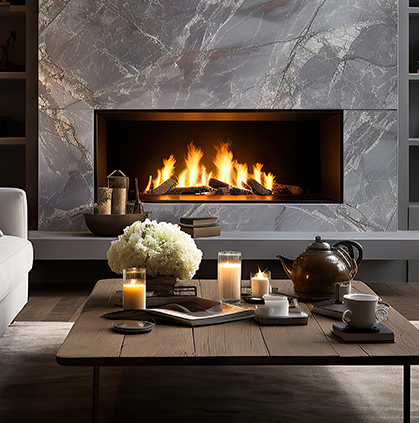

“What is a balanced flue gas fireplace? Does my terrace or semi wall work for one?” These are the first questions many Sydney homeowners ask when researching gas fireplace options.
In short, it’s a sealed unit that vents through an external wall, not a chimney. Whether your home qualifies depends on things like wall access and gas supply capacity.
This article explains how it works and what your home needs, so you know what to ask when you call gas fireplace specialists.
What Is a Balanced Flue Gas Fireplace?
A balanced flue gas fireplace is a room-sealed unit that draws combustion air from outside, burns gas inside a sealed chamber, and vents exhaust gases back outdoors.
No chimney is required. Most balanced flue fireplaces use a twin-wall or concentric flue.
In many Sydney homes, the flue exits through external walls. Depending on the fireplace model and property layout, it may run vertically through the roof or follow another route.
So, the fireplace sits in your room, but it doesn’t use your room’s air, which is the main difference from an open-flued model.
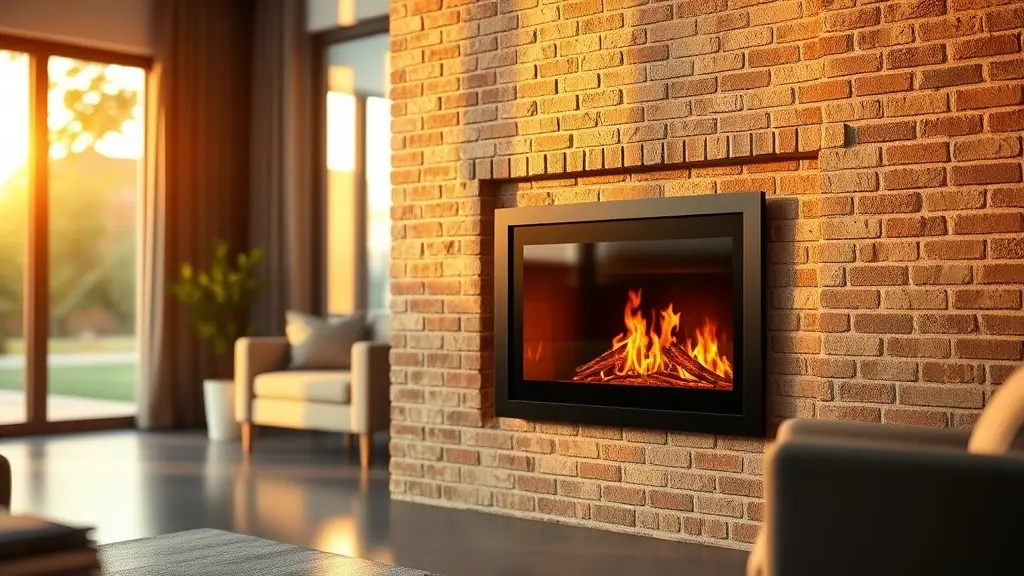
An open-flued unit draws air from the room and relies on a chimney or flue to remove combustion products. This means ventilation, room pressure, and flue performance all matter.
A flueless gas heater works differently. It has no external flue, so it uses room air and releases combustion by-products into the room. That’s why flueless appliances have strict ventilation requirements and location limits.
What about a balanced flue fireplace? This system avoids those issues by keeping the fire separate from the indoor air.
How a Balanced Flue System Actually Works
The name comes from how the fireplace is vented, and this is how it works:
The Twin-Wall Pipe Explained
Most balanced flue gas fireplaces use a concentric, twin-wall flue. The inner pipe vents exhaust, while the outer pipe draws fresh air through the same wall penetration.
Since both paths sit in one assembly, the system looks simple even though it does two jobs.
Because the combustion chamber is sealed from the room, the fire doesn’t compete with your home for oxygen like open flues do.
This sealed design is the main advantage. It reduces dependence on room ventilation and helps avoid pressure issues common in tight homes.
Horizontal vs Vertical Termination
A balanced flue terminates either horizontally through an external wall or vertically through the roof.
Horizontal termination is the simplest, cheapest option. The fireplace sits near an external wall, and the flue exits straight out.
Vertical termination runs through the ceiling and roof. It’s ideal if the fireplace can’t be against an external wall, though it’s more complex and costly.
Depending on the model, you might use 45° or 90° bends to navigate joists or eaves. Your installer will confirm what’s allowed, including if you want to mount a TV above a gas fireplace.
Why It’s Considered a Safer Option for Bedrooms and Small Rooms
Unlike open-flued heaters, a balanced flue fireplace doesn’t use room air for combustion or release by-products indoors. It burns gas in a sealed chamber, drawing outdoor air in and venting exhaust out.
It’s vital for bedrooms, small rooms, and airtight renovations where constant airflow isn’t guaranteed. And since it doesn’t rely on room ventilation, it’s often the better choice.
Even so, not every unit fits every space. A licensed gasfitter must assess your room layout, heat output, and flue route before installation.
Does Your Home Have What It Needs for a Balanced Flue?
Before you choose a model, check if your structure can handle it, including external wall access, flue terminal compliance, and gas line routing.
External Wall Access
Your flue must exit through an external wall or above the roof. In Sydney’s terraces and narrow blocks, finding this exit is often the main challenge.
Many inner Sydney terraces have limited external wall options, especially where party walls restrict placement.
You can’t run a flue through a shared wall or vent into a neighbour’s property. It needs a clear path to an outside wall, roof terminal, or an approved route.
That’s why a site assessment is important. If your fireplace lacks a safe path, your installer might suggest a new location or model.
And if those options don’t meet manufacturer instructions, AS/NZS 5601.1:2022, and NSW requirements, the installation won’t work.
NSW Flue Terminal Clearance Rules
Once your gasfitter finds a path for the flue, you must meet strict clearance rules under AS/NZS 5601.1:2022 and NSW requirements.
The most problematic rule is that the terminal must be at least 450mm from any property boundary. While easy on a normal block, it’s critical for narrow Inner West terraces where it decides if the installation is legal.
Terminals also can’t point toward windows, doors, or neighbour openings. If exhaust enters any home, the installation fails.
And your gasfitter must check and record these clearances. So, it’s not a homeowner’s choice.
If they don’t comply, the fireplace must move. A failed inspection means no required certificate, leaving you with an illegal installation.
Gas Supply Capacity
A new fireplace adds demand to your home’s gas system. Your gasfitter must check if the current gas line, meter, and pipe diameter can supply the fireplace without losing pressure to other appliances.
Some large fireplaces need more capacity than the current line provides. If that’s the case, upgrading the gas line or meter location may be required, which adds cost and complexity.
You need a gas line assessment. Only a licensed gasfitter can install gas supply modifications. NSW law requires this work to be inspected and certified by the NSW regulator.
Once the gas work is complete, they’ll issue a Certificate of Compliance. Without it, the installation isn’t compliant.
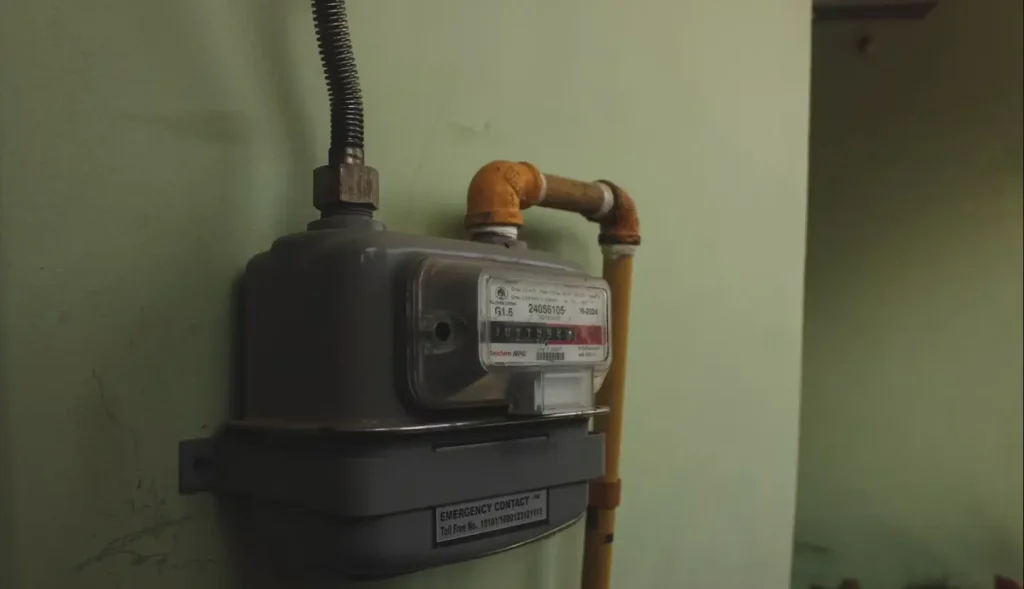
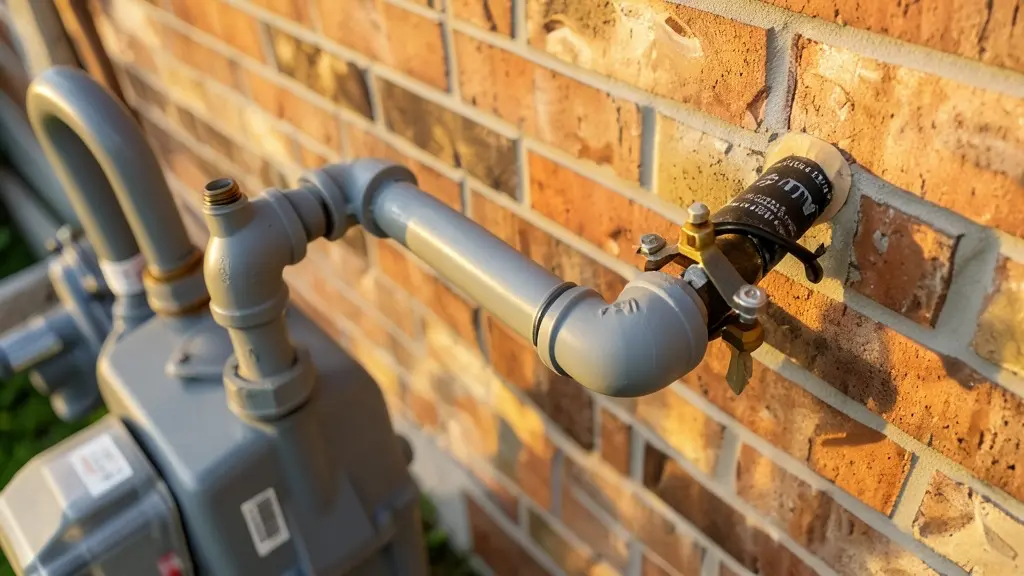
Image: Parth Mishra on Unsplash
What Does a Balanced Flue Gas Fireplace Cost to Install in Sydney?
Prices vary more than homeowners expect. That’s because installation can be a simple wall-mounted unit on an existing gas line, or a custom built-in job requiring new pipework, wall modifications and a vertical flue.
For a standard residential balanced flue gas fireplace in Sydney, you’ll usually find these price bands:
- Entry-Level to Mid-Range Fully Installed ($9,000 to $12,000) — Includes a standard balanced flue firebox, installation, connection to an existing suitable gas supply, and a simple horizontal flue run through an external wall.
- Premium and Custom Built-In Installations ($12,000 to $18,000+) — Applies to wide-format linear architectural models, mock chimney framing, longer vertical flue runs, roof penetrations or multi-storey flue paths, where the unit alone can exceed $11,000.
Sydney installations face structural factors that can push costs beyond standard baselines:
- Flue Complexity — Vertical flues in multi-storey terraces or old roof spaces increase material and labour costs compared to direct external venting.
- Property Architecture — Narrow terraces, shared walls, and heritage masonry often require more careful planning and specialised handling.
- Infrastructure Upgrades — Extending gas lines or upgrading pipe diameters typically adds $500–$2,000, depending on access and existing layout.
- Strata Approval — In apartments, any penetration affecting common property may need owners corporation approval, so check by-laws early.
Once set up, your gas fireplace needs regular care to last. We recommend annual servicing for all units. A licensed gasfitter should check the flue, burner, seals, and operation to make sure it keeps running properly.
How to Install a Balanced Flue Gas Fireplace Safely
Only a licensed gasfitter can install and certify a balanced flue gas fireplace in NSW. This regulation covers three areas: appliance placement, flue termination compliance, and the gas connection.
Only a licensed gasfitter can install and certify a balanced flue gas fireplace in NSW. This regulation covers three areas: appliance placement, flue termination compliance, and the gas connection.
A proper assessment walks through all three before a single pipe goes into the wall:
- Wall Suitability: Checking for an external wall clear of party walls, windows, or cavities.
- Boundary Clearance: Confirming termination clearances against AS/NZS 5601.1:2022.
- Supply Capacity: Verifying the existing gas line can support the appliance load without pressure drops.
Bypassing these steps compromises property compliance. Homeowners should engage qualified specialists for gas fireplace installation in Sydney to guarantee a certified, lawful installation.
FAQ about Balanced Flue Gas Fireplaces in Sydney
Here’s what Sydney homeowners ask most when they’re weighing up a balanced flue gas fireplace.
Can I install a balanced flue gas fireplace on an internal wall?
No. The flue must terminate on an external wall. If you only have an internal wall, a flueless gas fire is usually the alternative to check out, though it has its own set of ventilation requirements.
How close to my neighbour’s boundary can the flue terminal be?
Under NSW rules, a flue terminal that points toward a boundary must sit more than 450mm from it. You also need to follow the other clearance rules in AS/NZS 5601.1. On narrow blocks, it’s smart to check this early.
Do I need a chimney for a balanced flue gas fireplace?
No, that’s the main appeal. A balanced flue system vents through its own twin-wall pipe instead of an existing chimney. Homes without a chimney aren’t ruled out of a real-flame gas fireplace because of it.
How often does a balanced flue gas fireplace need servicing?
You should get a licensed gasfitter to service your unit once a year. They’ll check the flue, the burner, and run safety tests to catch small issues before they grow. If it’s been a while, it’s worth booking a gas safety check before winter.
Conclusion
A balanced flue gas fireplace works for your home if you have external wall access, clear boundaries, and sufficient gas supply. That’s especially true in tight Sydney terraces and semis.
This guide explains what matters, but a site assessment gives you the clear answer.
Not sure if your home is suitable? Lightning Bult‘s licensed specialists will help you check everything and handle your installation to NSW standards. Get in touch today for a no-obligation quote across Sydney.