





The best pool heat pump isn’t the one with the highest COP on the box. It’s the one sized for your pool, and built for Sydney’s 9°C July mornings.
But, many buyers focus on COP alone, then wonder why their pool heating in Sydney struggles in winter. So, if you’re shopping for a heat pump, you need to check these five things first before you spend a dollar.
What to Look for When Buying the Best Pool Heat Pump
Before you compare models, you need to know what separate a good unit from a great one:
COP Rating
COP, or Coefficient of Performance, is the main number used to market heat pumps. A COP of 6 means the unit gives you 6 kW of heat for every 1 kW of electricity it uses.
The formula is simple: COP = Heat Output (kW) ÷ Electrical Input (kW). So if a heat pump produces 18 kW of heat while using 3 kW of electricity, that is 18 ÷ 3 = 6.0 COP. Put another way, that is 600% efficiency.
Higher COP usually means lower running costs. Yes. But there’s a thing that the brochures don’t mention.
Many COP numbers are measured in warm air, controlled humidity, and steady lab conditions at 27°C ambient air temperature. That’s the AHRI Standard 1160 test condition.
Well, that works for a basic comparison, but a Sydney winter is different. On a June morning, when it’s 10–15°C, your heat pump has less heat to pull from the air. The compressor has to work harder.
That’s when efficiency drops. So, that high brochure COP starts looking different beside a real backyard pool. And you should consider this when comparing models.
At COP 10, an 18 kW heat pump draws 1.8 kW. Run 6 hours at 33¢/kWh, that’s about $3.56/day. At COP 6, it draws 3 kW, about $5.94/day. That’s $2.38 more per day. Over 90 days, the difference is roughly $214.
In short, pool heat pump efficiency rating matters but is not the only factor in deciding to buy a certain model.
Inverter Technology
Pool heat pumps are not all built the same. There are three options based on their main technology:
- on/off heat pumps
- single inverter heat pumps
- full inverter heat pumps
On/off heat pumps are fixed-speed units. The compressor runs at full power or is off. That means hard starts, hard stops, temperature swings, and more noise.
The unit heats aggressively, reaches the set temperature, shuts off, then repeats. This cycling wastes power and stresses the compressor.
Single inverter heat pumps are better. Their compressors can slow down or speed up to match the pool’s actual heating demand. No constant stop-start cycle.
As the pool nears the target temperature, the unit slows down to maintain heat rather than running at full power. This technology saves the machine from wear and tear better.
Full inverter heat pumps are more advanced. Both the compressor and fan run at variable speeds, usually with separate controls.
The compressor adjusts heating output. The fan adjusts airflow. That’s how an inverter heat pump works. But remember that full inverter units usually cost more upfront, often around $4,000–$9,500.
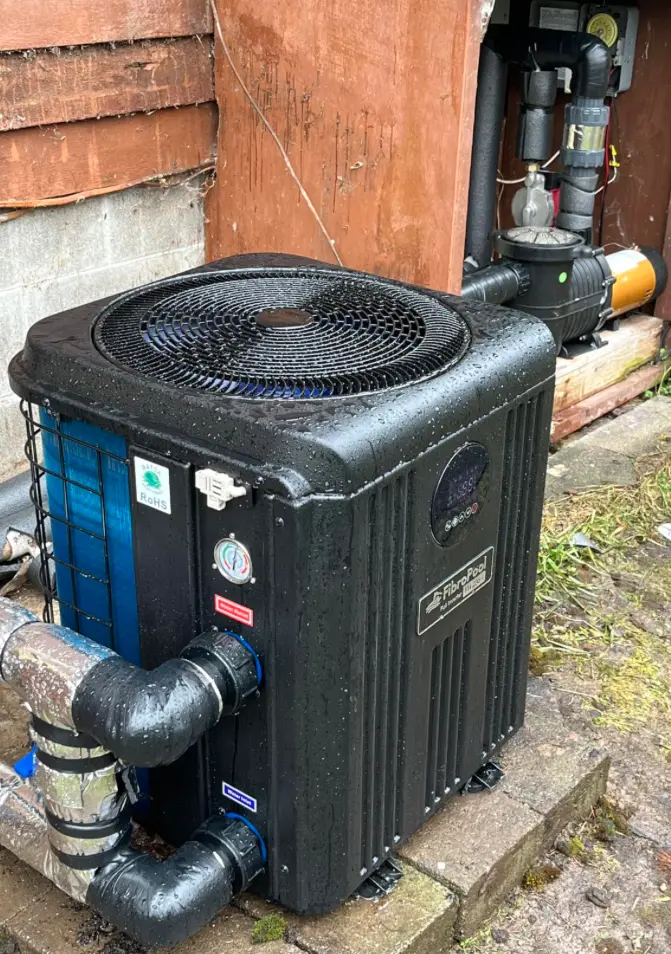
Image: amazon.com
In short, for Sydney homeowners, fixed-speed is the budget option and single inverter is our minimum recommendation. Choose a full inverter if you swim daily, or have a windy coastal pool.
Output Capacity (kW)
The kW output rating tells you how much heat the unit can push into your pool per hour.
An undersized unit runs non-stop without ever reaching your target temperature. The heater can’t generate enough heat to overcome the pool’s ongoing heat loss.
Yes. That’s what happens if you choose the wrong heat pump. You can use this table as a starting point:
| Pool Volume | Recommended Output | Wind-Exposed Sydney Locations* |
|---|---|---|
| Under 40,000 L | 12–18 kW | Add 20–25% to minimum |
| 40,000–60,000 L | 18–26 kW | Add 20–25% to minimum |
| 60,000–80,000 L | 26–35 kW | Add 20–25% to minimum |
| 80,000 L+ | 35 kW+ | Step up recommended |
Northern Beaches, Eastern Suburbs, open backyards, exposed hills, and pools prone to sea breezes or afternoon westerlies.
And don’t forget that a solar blanket can cut your pool heating costs by up to 50%. Since evaporation causes 70% of heat loss, your heat pump spends all night replacing heat that is just disappearing into the air.
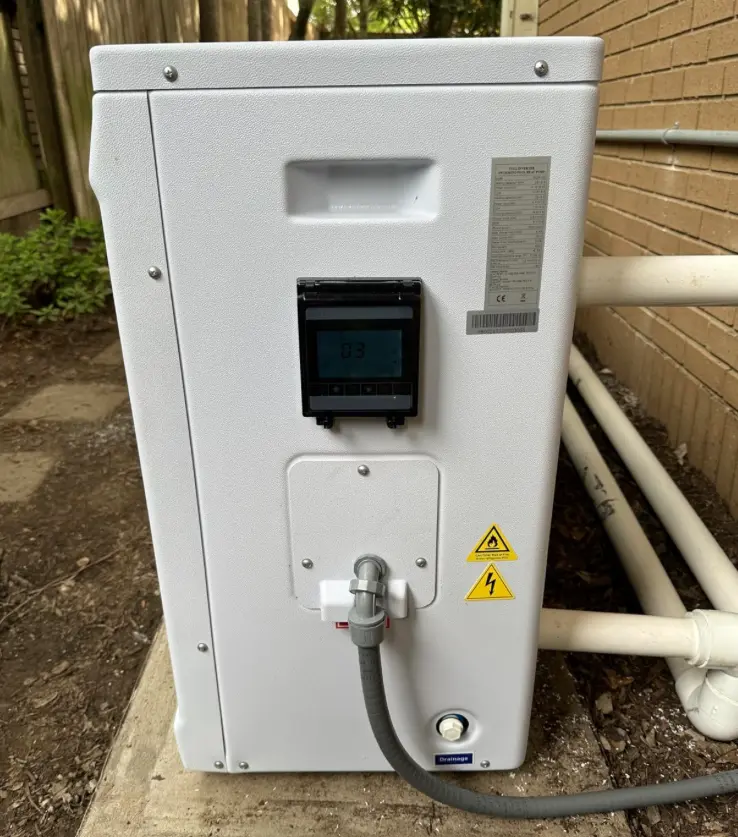
Image: amazon.com
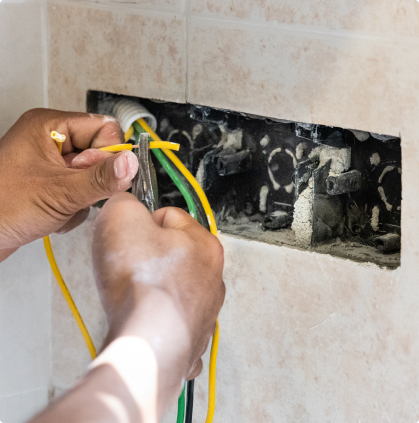
Also, most heat pumps need a dedicated circuit. While most units need a separate 20A circuit, larger models may require 30A or more.
And that means a licensed electrician may need to run a new circuit from your switchboard. So, budget for it from day one. It is one of the most common “why is the final price higher?” surprises.
If you need to know the calculation for your specific pool, you can check out our pool heat pump sizing guide.
Heat Exchanger Material
Your pool water flows through the heat exchanger to warm up. If you have a saltwater pool, which most homes in Sydney do, the material you choose is important.
- Copper and cupronickel — Some units use these metals. Copper corrodes in saltwater, particularly when chlorine levels are high or pH and alkalinity are unstable. While cupronickel outperforms pure copper in certain heating applications, it is rarely the best choice for modern pools that use aggressive disinfection.
- Titanium — This is the top-quality material for pool heat exchangers. Because it resists damage from chloride, it works great in saltwater pools and harsh chemical environments. Titanium is the standard choice for any project where durability is the priority.
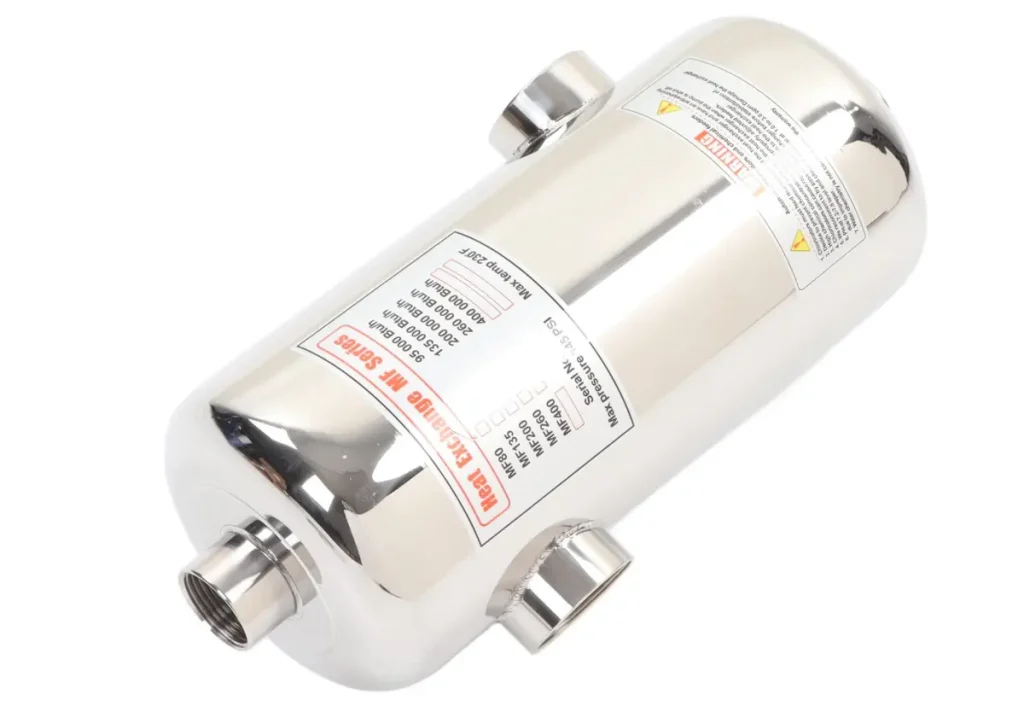
Image: amazon.com
If the spec sheet for a heat pump you’re considering doesn’t mention titanium, ask about it. If it lists copper or aluminium, keep looking.
To check quality, look at the heat exchanger warranty. Good titanium units typically offer 10–30 years on the heat exchanger and 5–10 years on the compressor.
Noise Level
Pool heat pumps list noise in dB(A), measured 1 metre away. That number looks fine on paper, but it’s loud when the unit sits right by your bedroom window, a brick wall, or your neighbor’s fence.
Here is what it feels like in a real Sydney backyard:
- 38–42 dB(A) — softer than most refrigerators. You will barely notice it.
- 45–50 dB(A) — quiet office background noise. Audible up close, not annoying.
- 55–60 dB(A) — normal conversation level. Easy to hear across a small yard.
- 65 dB(A)+ — complaint territory. At 60 dB(A), the noise starts to grate. At 70 dB(A), it can interfere with conversation outside.
Full inverter units usually run at 38–48 dB(A). Fixed-speed on/off units often run at 55–65 dB(A). That gap matters.
Under the NSW Protection of the Environment Operations (Noise Control) Regulation, pool heat pumps are treated like air conditioners.
The rule is simple: the unit must not be heard inside a neighbor’s living space from 10pm to 7am on weekdays, or from 10pm to 8am on weekends and public holidays.
A loud on/off unit running overnight on a small Sydney property can easily become a problem. A full inverter running at 42 dB(A) is a much better choice, especially when the unit is near a bedroom, or outdoor living area.
Placement matters as much as the machine. Placing a heat pump against a brick fence reflects sound into neighboring yards. To block noise, you may need a solid, gap-free barrier like a wall or acoustic screen.
Warranty
A pool heat pump warranty is typically split into two parts: the compressor warranty and the heat exchanger warranty.
The compressor is the most expensive moving part. Quality brands typically offer 5 years of compressor coverage, with premium models reaching up to 10 years.
The heat exchanger is different. It faces constant exposure to pool water, salt, chemicals, and corrosion.
A 10–25 year titanium warranty is a strong indicator of quality. While some manufacturers claim up to 30 years, the fine print is what decides the true value.
Two things to check in the fine print before you buy. First, does your warranty require professional installation?
Pool heat pumps have complex electrical, water, and airflow needs. If you don’t install yours correctly, you might void your warranty. Make sure all work follows the Australian standard, AS/NZS 3000.
Second, does the warranty exclude saltwater pools?
Many cheaper units look fine until you read the exclusions for corrosion or chemical imbalance. If you use salt chlorination and your warranty excludes damage from poor water balance.
Pool Heat Pump Quick Comparison: What to Expect at Each Price Point
Pool heat pump costs depend on capacity, inverter tier, heat exchanger quality, noise levels, and electrical needs. Check out this table:
| Type | Typical COP | Noise | Upfront Cost | Best For |
|---|---|---|---|---|
| On/off (entry) | 5–7 | 55–65 dB(A) | $1,500–$2,500 | Occasional or seasonal use only |
| Single inverter | 10–16 | 45–55 dB(A) | $2,500–$4,500 | Year-round use, solid efficiency balance |
| Full inverter | 16–20+ | 38–48 dB(A) | $4,500–$8,000+ | Daily year-round use, noise-sensitive locations, maximum efficiency |
These are buying tiers, not a fixed price quote. The installed cost changes once you add circuit distance, access, slab or wall penetrations, plumbing alterations, and switchboard capacity.
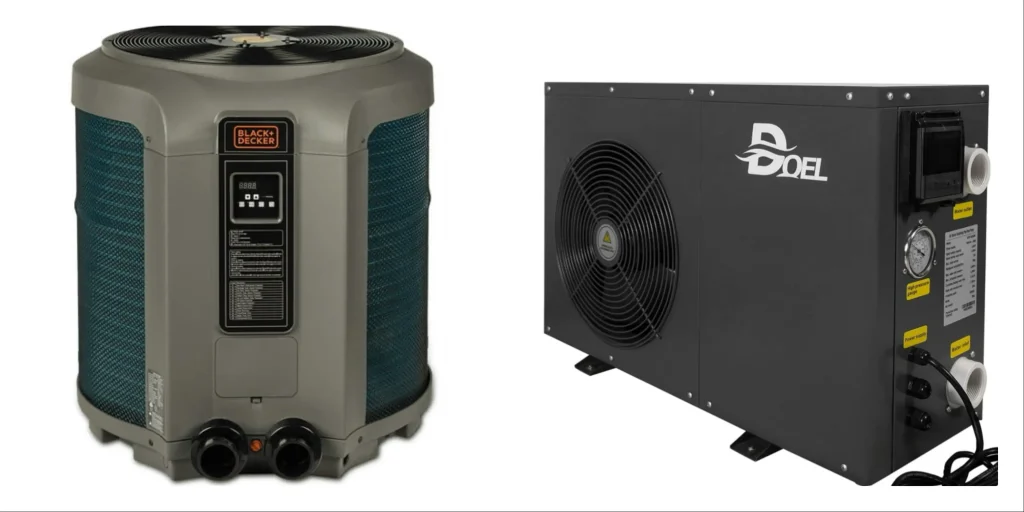
Image: amazon.com and wallmart.com
Lightning Bult’s pool heat pump Sydney work is priced around the actual site. The point is simple: agree on the price before work starts, not after someone opens a wall and finds the existing circuit cannot carry the load.
Heat Pump vs Gas vs Solar: Which Is Right for Your Pool?
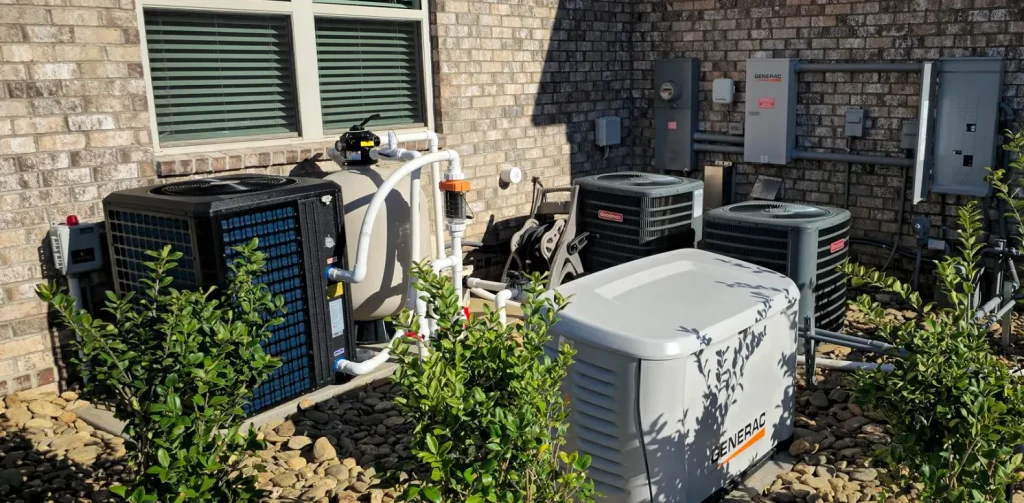
Image: amazon.com
Still unsure if a heat pump is the best way to heat your pool? Read this to help you decide.
- Gas heaters are fast and can warm a cold pool in just a few hours. They are perfect for occasional use, like a birthday or a weekend party. But for regular use, heat pumps are cheaper to run than gas heaters at current NSW prices.
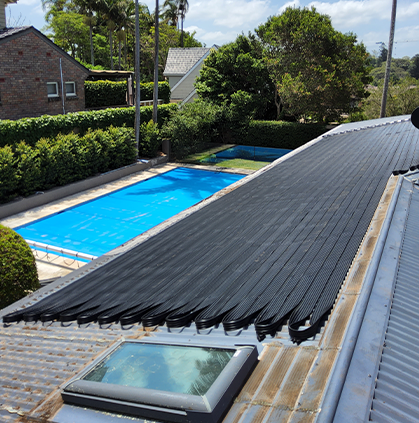
- Solar pool heating is the cheapest to run. It works best in spring and autumn. But in Sydney’s winter, shorter days and colder weather make it perform poorly. It is great for extending your swimming season, but not for keeping the water warm all year.
- Pool heat pumps are the best all-around choice for Sydney. High-quality inverter models work well in cool air, cost much less to run than gas, and keep the water warm even when it is cloudy. Full inverters are also quiet, so they can run overnight if they are the right size and installed correctly.
Simply put, gas is best for occasional heating, while solar suits sunny spring and autumn use. For extended seasons or year-round swimming, a pool heat pump is the ideal choice.
And you can compare solar pool heating vs. heat pump if you are trying to decide which of the two to use.
FAQs about the Best Pool Heat Pump for Your Pool
These are questions people ask about the best pool heat pump in Sydney:
What size pool heat pump do I need for my Sydney pool?
If your pool is under 40,000 L, you need 12–18 kW. For 40,000–60,000 L, go with 18–26 kW. If it’s over 60,000 L, you’ll need 26–35 kW.
Choose your heat pump based on your pool’s volume and location, not just its surface area. If your pool is in a windy coastal spot, add 20–25% to these numbers. If you don’t use a pool cover, pick the next size up.
How long does a pool heat pump take to heat a pool?
Heating a 50,000-litre Sydney pool from 14°C to 26°C takes 24 to 72 hours. Use a pool cover to speed this up.
To maintain the temperature, run your system 8–12 hours a day in summer, 10–14 hours in autumn and spring, and 12–16 hours in winter.
Can a pool heat pump heat and cool a pool?
Some models include a reversible refrigerant cycle that works in both directions: heating in winter, cooling in summer. These inverter heat pumps pull heat from the water to keep it refreshing—perfect if your north-facing pool hits 32°C in a Sydney summer.
How noisy are pool heat pumps?
Full inverter models run at 38–48 dB(A), which is quieter than most fridges and well within Sydney’s noise limits. In contrast, 55–65 dB(A) on/off units are loud and may break NSW rules.
Conclusion
The best pool heat pump is the one sized for your pool in Sydney’s climate. Five parameters like COP, titanium heat exchanger, and noise level make choosing a unit more nuanced than you would expect.
Not sure which heat pump for your pool? Lightning Bult‘s experts install and size heat pumps across Sydney. One team handles plumbing and electrical. No juggling contractors, no hidden fees. Contact us now!