



Planning a DIY gas fireplace installation seems like a smart way to cut renovation costs. However, New South Wales regulations mandate that a licensed gas fitter complete all gas fitting work due to severe safety risks.
Rest easy, though, because our gas fireplace specialists have compiled the ultimate homeowner playbook! Grab a coffee and let’s explore the safe, legal prep jobs you can nail yourself.
Why Gas Fireplace Installation Requires a Licensed Professional in NSW
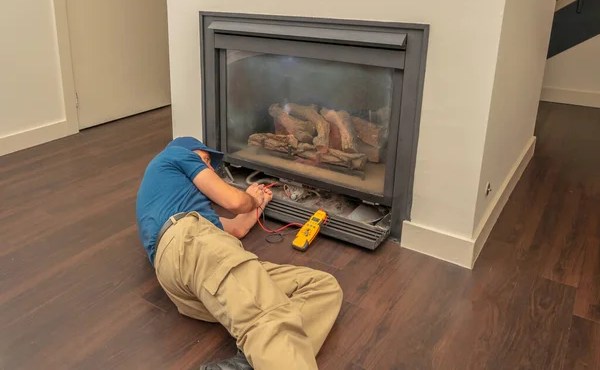
Before you pick up your power tools, let’s look at the strict legal and safety realities governing domestic gas heating in New South Wales.
The Legal Requirement for a Licensed Gas Fitter
New South Wales strictly regulates domestic gasfitting work under the Gas Supply Act 1996 and the Gas and Electricity (Consumer Safety) Act 2017.
Under the licensing requirements administered through NSW Fair Trading and Building Commission NSW, gasfitting work must be carried out by an appropriately licensed person.
For a gas fireplace, this includes connecting the appliance to the gas installation, working on the flue, and carrying out gas leak repair.
The licensing requirements also apply to apprentices and other workers who do not hold the relevant licence. They must work under the required level of supervision.
Ignoring these rules can lead to serious financial penalties, with some breaches attracting fines in the tens of thousands of dollars.
Once the work is complete, the licensed gasfitter must issue a Certificate of Compliance. The certificate provides formal documentation of the completed gasfitting work and can be important for insurance matters and future property sales.
The Real Risks of Unlicensed Gas Work
Attempting to run gas lines or install appliance flues without formal trade qualifications poses extreme health and structural dangers. Gas fitting errors lead directly to gas leaks and toxic carbon monoxide exposure.
The way leaked gas behaves also varies by fuel type. Natural gas, which contains methane, is lighter than air and can rise through a room.
LPG contains propane or butane and is heavier than air, so leaked gas can collect near floors and other low areas.
Even a relatively small concentration can ignite when an ignition source is present:
- LPG: concentrations as low as 2% can ignite the surrounding air.
- Natural gas: concentrations just over 5% can ignite.
The danger does not stop with fire or explosion.
Incomplete combustion can produce carbon monoxide, which may cause headaches, dizziness and nausea. Higher exposure can even lead to unconsciousness, permanent injury or death.
The flue is just as important when it comes to managing combustion safely. Its job is to direct combustion gases outside the home. Faulty installation can interfere with that process and may also expose nearby building materials to excessive heat.
Unlicensed work creates a separate problem because there is no required compliance certificate to document the installation.
Depending on the policy and circumstances, that can lead to serious issues with an insurance claim or property sale.
What You Can Actually Do Yourself
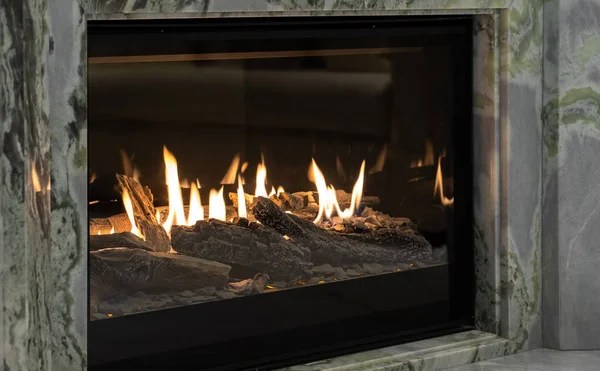
There are still plenty of things you can do before the gasfitter arrives. What are they?
Choosing the Right Fireplace
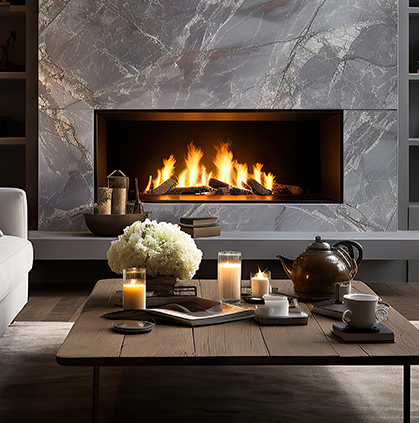
You can research and select your preferred fireplace model before bringing in a licensed installer. Freestanding units, built-in fireplaces and modern linear designs each suit different rooms and layouts.
As you compare models, consider:
- Room size: Check the room’s square metreage against the manufacturer’s recommended heat output.
- Gas supply: Identify the existing natural gas connection or consider where an LPG supply could be located.
- Design: Consider the fireplace style, finish, and how it will fit with the rest of the room.
Before buying, run your preferred model past the installer. The required gas type and flue configuration need to suit both the appliance and your property.
Planning the Space and Layout
You can also decide where you want the fireplace to sit. Think about its relationship with furniture, existing masonry and any proposed wall cavity.
We suggest checking the proposed flue route before purchasing the appliance. Look for structural elements or other obstructions that could interfere with installation.
Your licensed installer can then confirm whether the proposed location meets the required clearances.
Preparing the Hearth, Surround, or Cladding
There are also non gasfitting tasks you may be able to handle yourself. These can reduce labour costs without requiring you to touch regulated gaswork.
| DIY Preparation Task | What You Can Prepare | Trade Verification |
| Hearth Construction | Prepare a stable, non combustible base | Confirm dimensions and material requirements |
| Wall Framing | Prepare the surrounding cavity or enclosure | Check clearances from combustible materials |
| Decorative Finishes | Source tiles, stone veneer, or suitable wall finishes | Confirm materials are suitable around the appliance |
Getting Quotes and Preparing for the Professional Install
You can also handle much of the organisation before installation day. Start by comparing quotes from qualified gasfitters and checking their licence details through the NSW Fair Trading licence check service.
Once you have chosen your installer, prepare the work area by:
- Clearing furniture and other items from the installation zone.
- Providing clear access to the gas meter or LPG cylinder location.
- Having your preferred fireplace model and manufacturer information ready for the installer.
With the planning and site preparation sorted, your licensed installer can focus on the regulated gasfitting work and the technical requirements of the installation.
What a Licensed Installer Actually Does
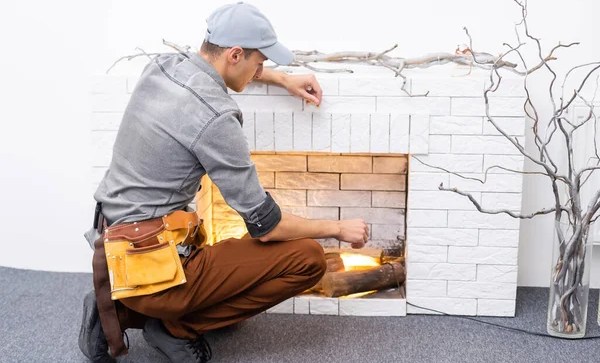
Licensed plumbing and gas fitting in Sydney needs to follow the relevant safety and compliance requirements from the gas connection through to final testing.
The installation typically covers several key stages:
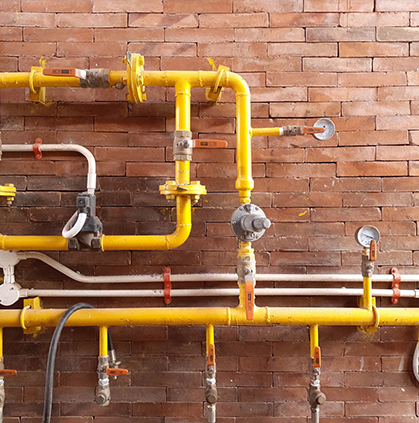
- Gas Line Connection: The installer runs or extends gas pipework from the meter or LPG supply to the fireplace location. This work must be completed by a licensed gasfitter.
- Unit Placement and Fireproofing: The appliance is positioned according to the manufacturer’s requirements. The installer also checks the surrounding materials and required clearances before securing the unit.
- Flue System Installation: The flue directs combustion gases safely outside the property. Balanced flue systems suit many Sydney homes and apartments because they can discharge through an external wall without requiring a traditional masonry chimney.
- Testing and Commissioning: Before handover, the installer checks gas pressure, burner operation, safety controls and thermostat settings. They also inspect the flame to confirm the appliance is operating correctly.
- Compliance Certification: The required compliance documentation is completed after the installation and testing are finished.
The certification process varies according to the type of gas supply. For a network gas installation, the installer submits a Certificate of Compliance to Building Commission NSW through the BCNSW eCert portal within five business days.
Meanwhile, LPG installations require an inspection of the appliance and regulator, followed by the required compliance plate and documentation.
FAQ about DIY Gas Fireplace Installation
Here are detailed answers regarding legal DIY boundaries for your fireplace installation:
Can I install a gas fireplace myself in NSW?
No, you cannot. Gasfitting work in NSW must be carried out by an appropriately licensed gasfitter.
Under the Gas and Electricity (Consumer Safety) Act 2017, the requirements cover connecting gas appliances as well as installing, altering or repairing associated flues. The rules apply to residential, commercial and industrial properties.
What happens if I get caught doing unlicensed gas work?
You could face substantial fines. NSW Fair Trading penalties for individuals can reach $22,000 for certain breaches.
Unlicensed work also leaves you without the required compliance documentation and can raise serious insurance issues if faulty installation leads to property damage. The safety risks include gas leaks, fire, explosions and carbon monoxide exposure.
Can I save money by doing some of the work myself?
Yes. You can handle some preparation and non gasfitting tasks yourself.
For example, homeowners can choose the fireplace, prepare the wall cavity, build a suitable non combustible hearth and install decorative finishes.
However, before closing the cavity or applying final finishes, have your licensed installer confirm the required clearances and material.
How do I check if a gasfitter is properly licensed?
You can check the public licence register through NSW Fair Trading or use the Service NSW licence check tool.
Search for the tradesperson’s details and confirm their licence is current and covers the gasfitting work required for your fireplace.
Conclusions
Thinking about a DIY gas fireplace installation?
You can still play a part in the project by choosing your appliance and preparing the space. Gas connections, flue work and compliance certification, however, need the appropriate licensed tradesperson in NSW.
If you have your fireplace picked out and your space ready, call us and let Lightning Bult’s team bring the plan to life safely. We support homeowners across Eastern Suburbs, North Shore, Inner West, and covering areas such as Elanora Heights, Fairlight, Manly Vale, Oxford Falls, and many more!