





A gas fireplace can provide reliable warmth and comfort throughout the cooler months, but like any gas appliance, it needs regular care to operate safely and efficiently. Following a gas fireplace maintenance checklist can help you identify minor issues early and keep your fireplace ready when you need it.
While some basic cleaning and checks can be done at home, gas components and safety systems should always be assessed by a licensed professional. Here are eight important maintenance tasks to keep your gas fireplace in good condition.
1. Inspect the Gas Fireplace and Surrounding Area
Start by checking the fireplace and the area around it for anything that looks damaged, dirty or out of place.
Keep furniture, curtains, decorations and other combustible materials away from the fireplace. Make sure vents and air openings aren’t blocked, as restricted airflow can affect how the appliance operates.
It’s also worth looking for signs of damage around the fireplace, including cracked components, unusual discolouration or excessive soot.
2. Clean the Glass and Fireplace Interior
Dust and residue can build up on your fireplace glass over time, making it harder to see the flame and affecting its appearance.
Before cleaning, switch off the fireplace and allow it to cool completely. Follow the manufacturer’s instructions for removing and cleaning the glass, and use an appropriate fireplace glass cleaner rather than abrasive products that could damage the surface.
You can also gently remove dust from accessible areas around the fireplace. Avoid disturbing gas components or attempting to dismantle parts that you aren’t qualified to work on.
If the glass is cracked or damaged, don’t use the fireplace until it has been inspected and repaired.
3. Check the Burner and Flame
The burner plays an important role in how your gas fireplace heats your home, so its condition should be checked regularly.
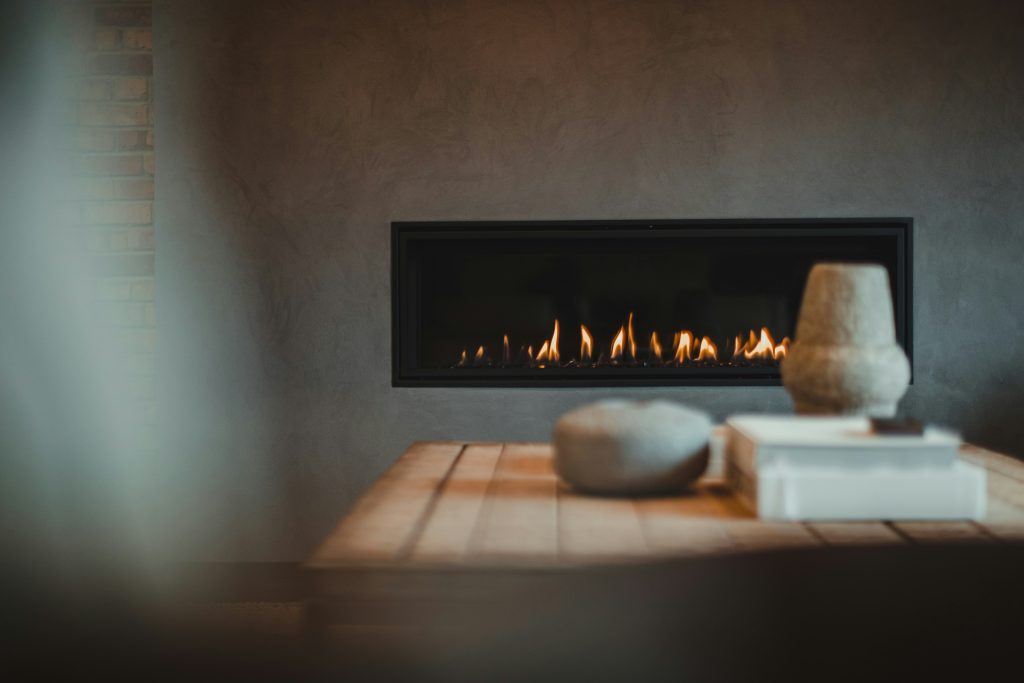
Look for visible dust, dirt, corrosion or unusual deposits around the burner. You should also pay attention to the flame when the fireplace is operating.
A change in the usual flame appearance, particularly a persistent yellow or orange flame, can indicate a combustion or appliance issue. If the flame looks unusual or the fireplace isn’t burning as it normally does, turn the appliance off and arrange a professional inspection.
Don’t attempt to adjust the gas or burner settings yourself.
4. Inspect Gas Connections and Valves
Gas connections and valves should be checked for signs of damage or deterioration.
If you notice a gas smell around your fireplace, don’t attempt to locate or repair the leak yourself. Turn the appliance off if it is safe to do so, avoid flames and ignition sources, and contact a licensed gas professional for assistance.
Gas fittings and connections should be inspected and repaired by someone appropriately licensed to work on gas appliances.
5. Check the Pilot Light and Ignition
If your gas fireplace uses a pilot light, check that it is operating normally and that the fireplace ignites as expected.
Difficulty lighting the fireplace, a pilot light that repeatedly goes out or delayed ignition can indicate a problem with the ignition system, gas supply or another component.
Avoid repeatedly trying to ignite a fireplace that isn’t operating correctly. If the problem continues, have it inspected by a qualified professional.
6. Inspect the Flue and Ventilation
Proper ventilation is essential for a gas fireplace because combustion produces gases that need to be safely discharged from your home.
Check visible external vents for obvious obstructions such as leaves, dirt or other debris. Don’t cover or block the vent while the fireplace is operating.
The flue and ventilation system should also form part of a professional service, particularly if you notice changes in the fireplace’s operation, unusual smells or signs of combustion problems.
7. Test Your Safety Features and Carbon Monoxide Alarm
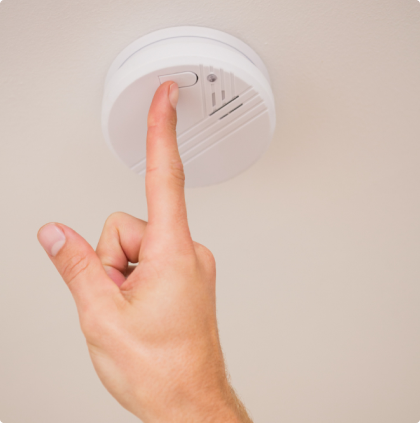
A carbon monoxide alarm provides an additional layer of protection in a home with gas appliances.
Test your carbon monoxide alarm according to the manufacturer’s instructions and replace batteries when required. If the alarm reaches the end of its recommended service life, replace the unit.
If your carbon monoxide alarm activates while your gas fireplace is operating, treat it seriously. Turn off the appliance if it is safe to do so, move to fresh air and seek appropriate professional assistance before using the fireplace again.
8. Schedule Professional Gas Fireplace Servicing
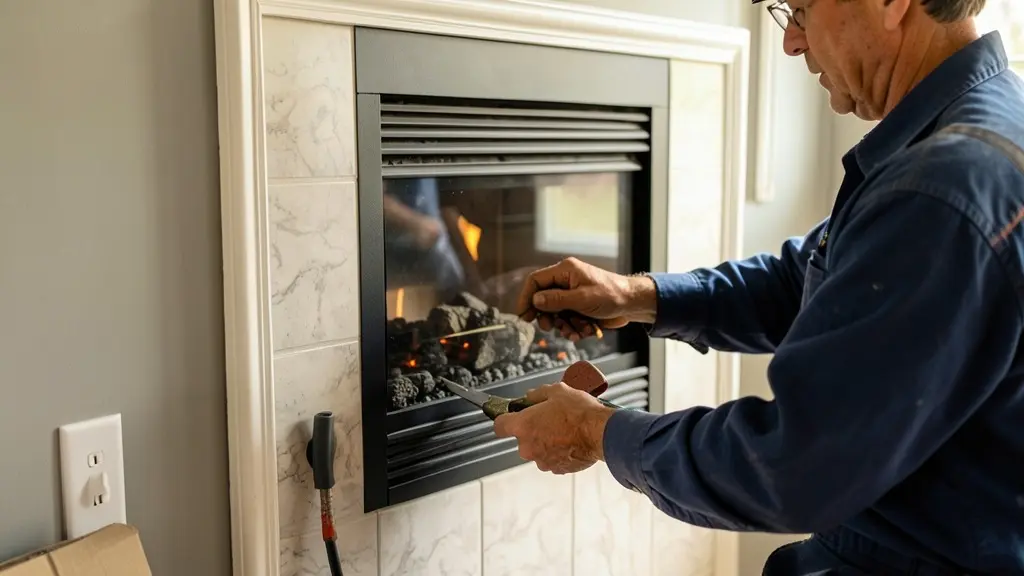
Regular cleaning is useful, but it doesn’t replace a professional inspection.
A licensed gas professional can assess components that aren’t suitable for DIY maintenance, including the gas supply, burner operation, connections, safety controls and combustion performance.
Professional servicing can also help identify wear or developing faults before they result in a breakdown or become a safety concern.
Always follow the servicing recommendations provided by your fireplace manufacturer, as requirements can vary between appliances.
Signs Your Gas Fireplace Needs Professional Attention
Don’t wait for your fireplace to stop working completely before arranging a service. Some warning signs that it needs professional attention include:
- An unusual or persistent flame colour
- Difficulty igniting the fireplace
- A pilot light that keeps going out
- Unusual smells or sounds
- Excessive soot or discolouration
- Cracked or damaged glass
- Poor or inconsistent heating
- Error codes or repeated shutdowns
- A carbon monoxide alarm activating
Frequently Asked Questions
How often should a gas fireplace be serviced?
The recommended servicing frequency depends on the fireplace model, how frequently it is used and the manufacturer’s requirements. Regular professional servicing can help identify safety and performance issues before they become more serious.
Can I clean my gas fireplace myself?
You can generally handle basic cleaning, such as removing dust and cleaning the glass, provided you follow the manufacturer’s instructions. However, don’t dismantle gas components or attempt to adjust burners, gas pressure or other gas-related parts yourself.
How do I know if my gas fireplace is safe?
A gas fireplace should operate normally without unusual smells, noises, excessive soot or abnormal flame behaviour. Regular professional servicing is the best way to check components that aren’t suitable for homeowner inspection.
Should I have a carbon monoxide alarm near my gas fireplace?
A carbon monoxide alarm can provide an important additional safety measure in homes with gas appliances. Test your alarm regularly and follow the manufacturer’s recommendations for installation, batteries and replacement.
Conclusion
Regular maintenance can help your gas fireplace remain safe, reliable and efficient throughout the year. Simple cleaning and visual checks are useful, but gas components, combustion and safety systems should be left to a licensed professional.
If your gas fireplace needs servicing, inspection or repairs in Sydney, our team at Lightning Bult can help. Contact our team to arrange professional gas fireplace assistance and keep your home warm and comfortable when you need it most!