






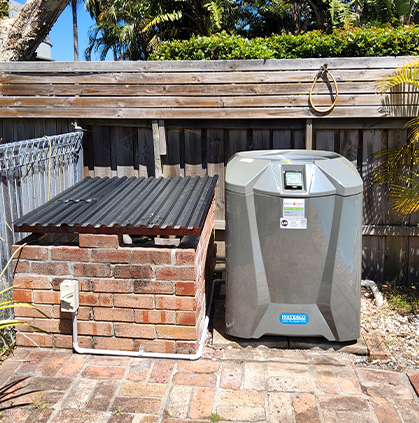

Most people ignore their AC drain line until something goes catastrophically wrong. And what starts as a minor drip can lead to system failure during summer heat, unless you know how to clean your AC drain line.
This guide shows you the warning signs and simple steps to keep things under control, until you hit a wall and need to call in professional air conditioning services. But first, here is what you can do.
8 Signs You Need to Clean Your Air Conditioner’s Drain Line
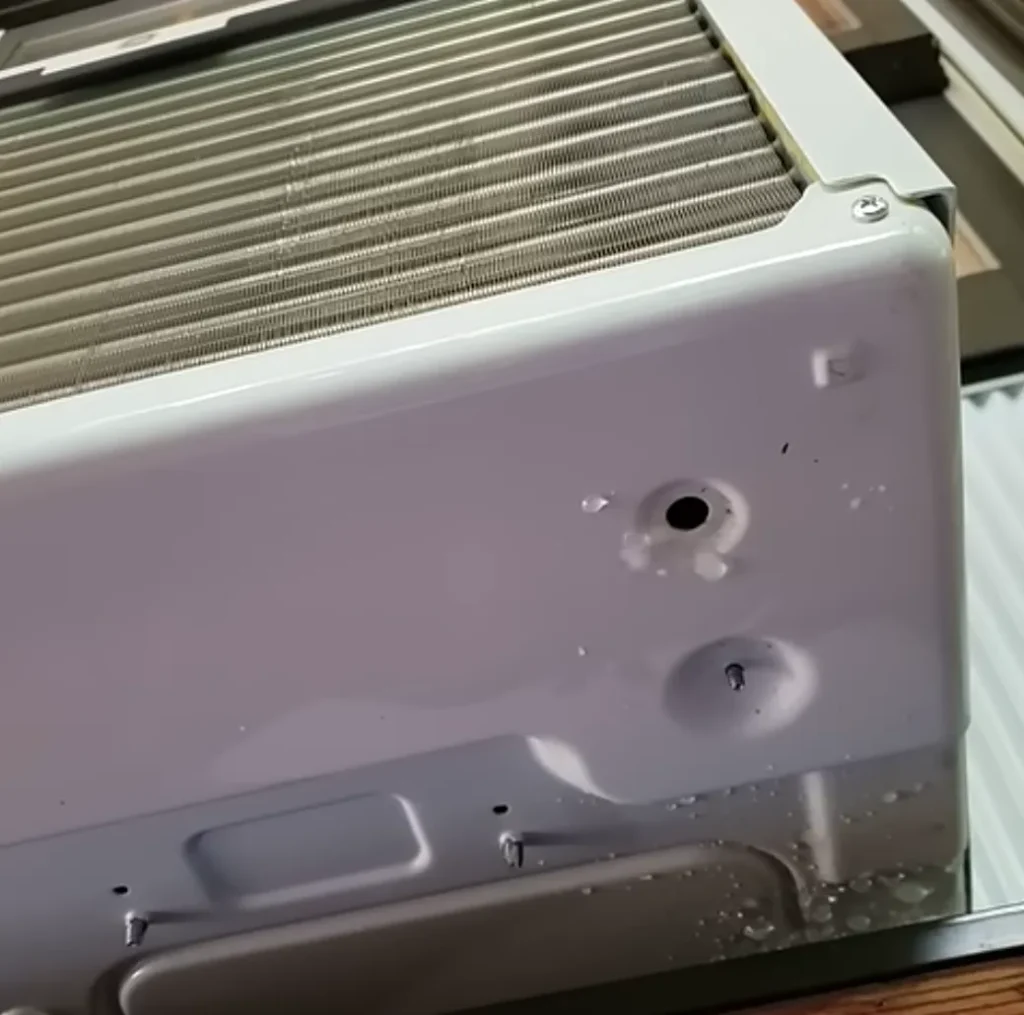
Source: YouTube Nickutis6
Your AC is trying to tell you something’s wrong. You just need to pay attention. If you’ve seen any of these warning signs, your condensate drain might be blocked:
1. Water Pooling Around the Indoor Unit
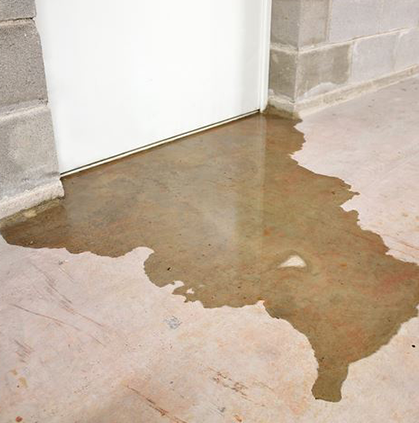
Yes, this is the most obvious red flag. If you see puddles near your split system or ducted AC’s indoor unit, your drain line’s blocked and the water has nowhere to go.
Your condensate drain pan is overflowing because algae, dirt, or mould has blocked the line further down. In Sydney’s humid coastal weather, this can cause ceiling damage and mould to grow within 24–48 hours.
2. Standing Water in the AC Drain Pan
Open your indoor unit’s access panel and check the drain pan under the evaporator coils. If water remains after hours of running your AC, the condensate drain isn’t working properly.
The pan is only meant to hold a small amount of water temporarily. During peak cooling, your AC produces about 2–3 liters of water per hour that must drain constantly or it will overflow.
3. Mouldy Odours from Vents
That earthy, bad smell when your AC turns on means there’s mould and mildew in your drain line.
When water backs up in the condensate drain, it creates a damp spot where mould spores grow. Each time your AC runs, the airflow pushes those spores through your ducts, spreading the smell in your home.
4. Visible Mould Growth on Coils, Pan, or Filter
If you see black, green, or white fuzzy patches on your evaporator coils, drain pan, or air filter, it’s mould in the AC unit. It happens where moisture builds up and stays.
Mould on the coils makes your AC less efficient and releases spores into your home’s air. Mould on the filters clogs them up faster, blocking airflow and forcing your AC system to work harder.
5. Water Stains on Ceilings, Walls, or Attic
If you see brownish-yellow stains on your ceiling or walls below your indoor AC or ductwork, it likely means a condensate overflow from a clogged drain line leaking over time.
This water damage can weaken drywall, cause paint to peel, and promote mold growth.
It’s a delayed sign because water damage happens slowly, so by the time stains show up, a lot of moisture has already gone away.
6. Gurgling or Bubbling Noises from Drain Line
Strange sounds from your drainage system, like gurgling, bubbling, or gulping, indicate partial blockages and trapped air in the condensate line.
As water moves through restricted areas, turbulence and air pockets form. These noises often happen when the AC first starts or during humid periods with heavy condensation.
7. Your AC Unit Behaves Strangely
Did you notice your AC suddenly shutting off or not turning on? It could be a problem with the drain line.
Modern split systems have safety float switches that detect rising water in the drain pan. When activated, the switch turns off the AC to prevent overflow and damage.
The AC won’t restart until the blockage is cleared and water levels drop.
8. Reduced Cooling Performance
Is your AC running constantly but rooms still aren’t cooling? If it takes over 30 minutes to reach the set temperature, more than the usual 15 minutes, you may have a clogged drain.
A blockage can cause water to back up around the evaporator coil, disrupting heat exchange. This makes your system work harder and longer, using more electricity but your AC not blowing cold air.
How to Clean Your Air Conditioner’s Drain Line?
DIY cleaning works for most blockages and takes 30–60 minutes. The methods start gentle and get more intense:
1. Vinegar Flush
This monthly routine is simple, cheap, and effective for maintenance. White vinegar’s acetic acid dissolves algae buildup before clogs form.
To clean your AC drain with this method:
- Turn off the AC at the thermostat and circuit breaker for safety.
- Locate the T-vent access on the drain line near the indoor unit—usually a grey or white PVC pipe with a screw cap within 1 metre of the air handler.
- Remove the T-vent cap by unscrewing or pulling it off; set it aside.
- Pour 250ml of white vinegar into the T-vent using a funnel to prevent splashing; it will reach the drain pan and line.
- Replace the cap to keep dirt out and pressure in.
- Wait 30–60 minutes for the vinegar to dissolve algae and biofilm.
- Test the drain by turning the AC back on and checking the outdoor drain; a steady drip within 10–15 minutes indicates clear flow.
If water still won’t drain after an hour, the clog may be too tough for vinegar alone.
2. Wet-Dry Vacuum Suction
When vinegar fails, suction can remove moderate clogs in reachable drain sections.
To do this:
- Turn off the AC at the thermostat and breaker.
- Locate the outdoor drain exit, usually a PVC pipe near the ground.
- Attach the vacuum hose to the drain, sealing with a damp cloth.
- Use duct tape to improve the seal and prevent leaks.
- Run the vacuum on full for 2–3 minutes, listening for gurgling as it pulls water and debris.
- Check the canister—cloudy water, algae, and dirt indicate loosening clog.
- Repeat steps 2–3 with 5-minute breaks, up to 3 times.
- Test the drain by pouring 500ml of water into the T-vent; it should drain within 60 seconds if clear.
This method works best for blockages within about 3 metres. If three vacuum attempts fail to clear the clog, it’s likely deeper beyond reach.
3. Use Wire Brush
Physical scrubbing removes tough clogs that chemicals and suction can’t tackle, reaching deeper into the drain to clear debris.
To clean your air conditioner’s drain using this method:
- Turn off the AC at the thermostat and circuit breaker.
- Remove the T-vent cap to access the drain line; use a torch to check for blockages within 30cm.
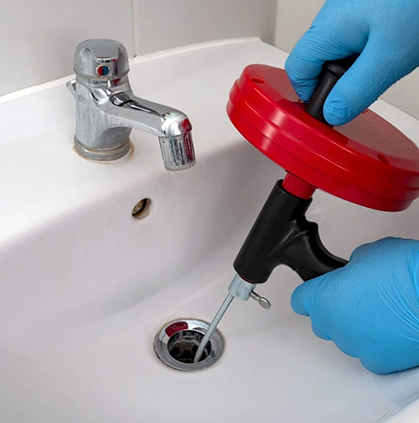
- Insert a drain snake slowly into the T-vent, gently pushing and rotating clockwise to break biofilm and debris.
- Advance the snake, feeling for resistance; push and twist to clear clogs without forcing to prevent pipe damage.
- Withdraw periodically to remove debris; wipe algae and slime before reinserting.
- Use a wire brush on stubborn spots, scrubbing short strokes and rotating to clean the interior.
- Flush with warm water. Pour 1 litre down the T-vent to rinse debris through the line.
- Check the outdoor exit point. Water should flow freely within 30 seconds.
4. Compressed Air Blowout
Compressed air clears blockages by building pressure to force debris out of the drain. It’s quick, but caution is needed to avoid pipe damage.
Steps to follow:
- Turn off the AC system completely.
- Set the air compressor to 2–3 bar (30–45 psi); higher pressure risks damage.
- Insert a rubber cone nozzle into the T-vent, ensuring a snug, gentle seal.
- Cover the area with a towel to protect against debris blowback.
- Use short bursts (2–3 seconds), pausing 10 seconds to assess.
- Check the outdoor drain exit after each burst for expelled debris.
- Repeat 4–5 times if needed; short bursts are safer than prolonged pressure.
- Flush 500ml of water down the T-vent to clear loosened debris.
Never exceed 3 bar pressure. PVC drains aren’t designed for high pressure, and overdoing it can damage joints, crack pipes, or harm the indoor unit.
5. Bleach Solution Flush
Bleach kills algae, bacteria, and fungi much better than vinegar, which is ideal for heavy growth or stubborn clogs.
Here’s what to do:
- Open windows near the indoor unit to vent fumes.
- Turn off the AC at the thermostat and breaker.
- Mix 125ml of bleach in 1 litre of cold water. Never use straight bleach to avoid pipe damage and fumes.
- Remove the T-vent cap and carefully pour the mixture through a funnel to prevent overflow.
- Let sit for 15–20 minutes (no longer than 30) to kill algae and clean pipes.
- Rinse with 2 litres of clean water to remove bleach and protect metal AC unit parts.
- Wipe the drain pan area with water and a cloth.
- Run the AC for 20 minutes and check outside for steady water flow.
Some technicians avoid using bleach on modern AC units. Instead, they prefer products like Drain Liner Cleaner.
6. Professional HVAC Cleaning
Cleaning your AC drain line isn’t always something you should do yourself. Licensed HVAC pros have the right tools and expertise to handle tough clogs and identify ongoing issues.
Scenarios for professional help:
- If a stubborn clog stays after 2–3 DIY tries with vinegar, vacuum, and a wire brush, the blockage is probably deep, hardened, or caused by structural problems like collapsed pipes.
- Before fixing ceiling stains, wall discolouration, or floor damage from a clog, get a professional to check how bad the damage is.
- Visible mould on evaporator coils needs expert cleaning and containment. Doing it yourself could spread spores through your ductwork.
- Complex ducted systems with many zones and drain pans need professional help to make sure everything is cleared properly.
- Many split system warranties require professional maintenance. Doing drain work yourself could void your warranty if problems happen later. Always check your warranty before trying repairs.
How to Prevent Clogs in Your AC Drain Line?
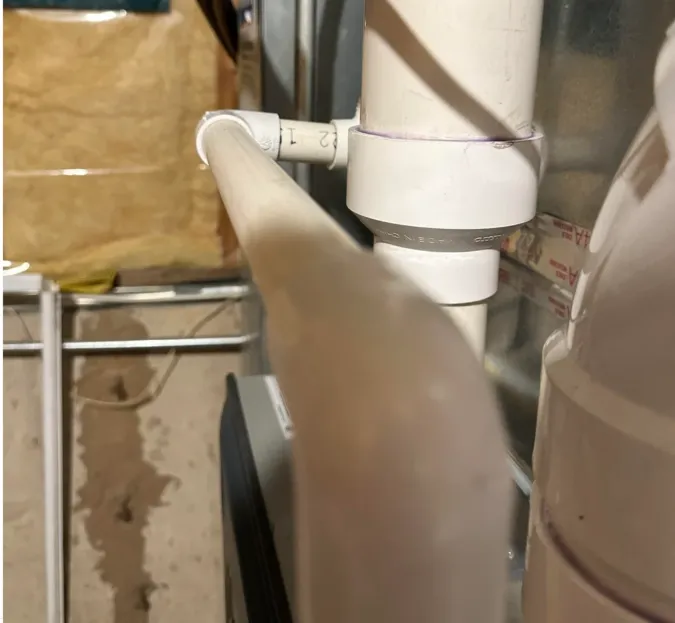
Image from Reddit
These seven tips keep your drain lines clear year-round and extend your AC’s lifespan:
1. Put Algae Prevention Tablet Monthly
Pour 250 ml of white vinegar into your T-vent access point monthly. In peak summer (Dec–Feb), do it twice. Or, add algae prevention tablets to your drain pan monthly to release algaecide and prevent slime.
2. Clean or Replace AC Filters Every 30–90 Days
Dirty AC filters block airflow, causing evaporator coils to freeze and produce excess water, which can overload your drainage system.
To prevent this, clean or replace filters monthly or every 90 days, and during Sydney’s bushfire season, check filters biweekly.
3. Check the Drain Pan for Cracks
Drain pans can wear out over time. Catching cracks early can prevent costly water damage.
Every three months, check for cracks, rust, or corrosion. If you find damage, call a professional—drain pan replacement isn’t a DIY project.
4. Check the Drain Line’s Angle
Condensate drains rely on gravity, requiring at least a 2% slope for proper flow. Kinks, dips, or poor installs can cause puddles inside the line.
Follow your drain line from the indoor unit to the outdoor exit, checking for sags or loops where water collects. A technician can help fix any issues.
5. Install Drain Line Safety Switch
Modern split systems have safety float switches, but older ducted units often lack them. Installing a switch can save thousands in water damage from clogs.
For cheaper options, mechanical float switches cost around 40–80, while more accurate electronic sensors can be up to 150.
6. Seasonal Deep-Clean
A week before November, make sure to do a good drain cleaning. This means running a vinegar flush, changing or cleaning your AC filters, and checking the drain line for any damage.
7. Schedule Annual Professional AC Service
Don’t wait for issues or your AC to stop cooling. Schedule a yearly check-up to keep everything running smoothly, including the drain line.
Licensed HVAC experts can detect problems early with proper tools to inspect, clean, and ensure correct slope.
FAQ About Cleaning AC Drain Line
Here are some questions people ask about cleaning the AC drain line:
Will vinegar unclog an AC drain?
Yes, vinegar effectively clears AC drains caused by algae or light sediment. The acetic acid breaks down organic matter without harming PVC pipes or drain pans, making it the safest, cheapest first-line treatment.
What is the gunk in my AC drain?
Gunk usually includes algae, mould, dust, dirt, and debris that build up over time. Moisture in the drain line promotes organic growth, while airborne particles get trapped in the slime.
Mould spores, algae, dust mites, pet dander, and bacteria biofilm create sludge that blocks water flow.
How often do AC drains clog?
Most homeowners get minor clogs that vinegar can fix every 6–12 months. Larger clogs needing a professional usually happen every 2–3 years with proper care.
Monthly vinegar use and regular filter changes help prevent clogs. In hot, humid months, flush with vinegar every two weeks, as clogs form faster.
Conclusion
Now you know how to clean the drain on the air conditioner before it turns into a costly repair. Vinegar helps prevent clogs, while bleach kills algae, bacteria, and fungi that cause blockages.
And if DIY methods fail or mould appears, you can contact Lightning Bult. We’ll clear your drain, inspect your system, and keep your AC running smoothly all season.