






Replacing an old pool heater with a heat pump in Sydney usually costs somewhere between about $3,500 and $12,000 installed. Where you land in that range comes down mostly to the size of your pool and how much plumbing and electrical work your property needs.
This guide is for you if your gas heater is on its last legs, your old heat pump has stopped heating, or you’re pricing a pool heater for the first time. We’ll break down the pool heat pump replacement cost, what changes when you switch from gas, what it costs to run, and how to tell whether a quote is fair.
We’re Lightning Bult, a family-owned electrical, plumbing, air conditioning and pool heating business based in Brookvale. We’ve been looking after homes across the Northern Beaches and North Shore since 1995, and we handle pool heat pump installation from start to finish.
How much does a pool heat pump cost to replace in Sydney?
Based on published Sydney prices, a pool heat pump typically costs about $3,500 to $12,000 installed, including GST. The bigger your pool, the bigger the heat pump it needs, and the higher up that range you’ll be.
| Pool size | Heat pump size | Where it usually sits in the price range |
| Up to 20,000 L | 9 to 12 kW | Lower end |
| 20,000 to 40,000 L | 13 to 19 kW | Lower to middle |
| 40,000 to 60,000 L | 20 to 26 kW | Middle to upper |
| Over 60,000 L | 26 kW and up | Upper end, and sometimes beyond |
Prices are a general guide based on Sydney cost guides published in 2026. Your own price will depend on your pool and property, so always get an itemised quote.
Not sure how big your pool is or what size unit you need? Our guide on how to size a pool heat pump walks you through it.
What’s included in the price?
A heat pump replacement is more than just the unit. A fair quote should cover four main parts.
The heat pump unit
This is usually the biggest part of the cost. The price depends on how much heat it puts out (measured in kW), whether it’s inverter or fixed speed, and the brand.
Plumbing and connection
The heat pump connects to your pool’s filtration line, so it needs new pipework and fittings. We then test the water flow to make sure the unit works properly. If the heat pump sits a long way from your pool pump and filter, expect a little more time and cost.
Electrical work
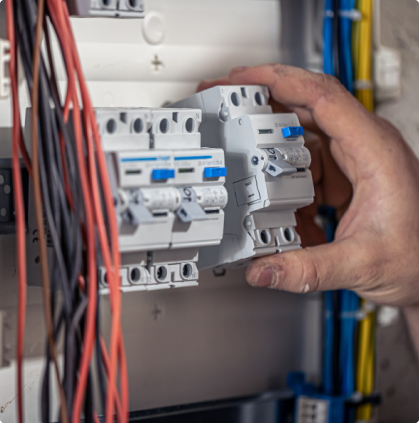
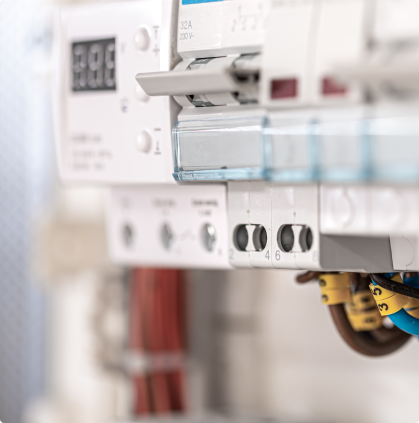
A pool heat pump needs its own circuit and cable run from your switchboard. We’ll also check your switchboard and safety switch while we’re there. Older switchboards sometimes need an upgrade to handle the extra load, which adds to the cost.
Removal and clean-up
We take away your old heater and leave the area tidy. If you’re replacing a gas heater, the gas line also needs to be capped off safely (more on that below).
What changes when you replace a gas heater?
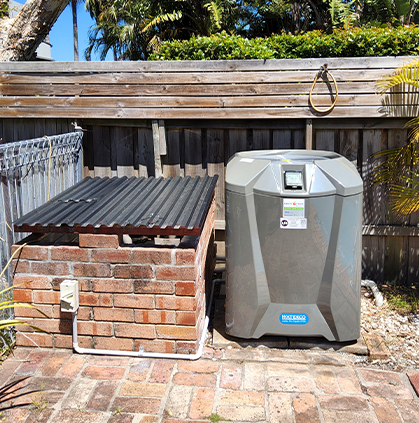
Swapping a gas pool heater for a heat pump isn’t a straight swap, because the two run on different power sources. A gas heater burns gas to heat the water. A heat pump runs on electricity and pulls warmth from the outside air, a bit like a reverse-cycle air conditioner.
That means a few extra jobs:
- Capping the gas line. The old gas supply to the heater needs to be safely disconnected and capped. This must be done through licensed gas fitting.
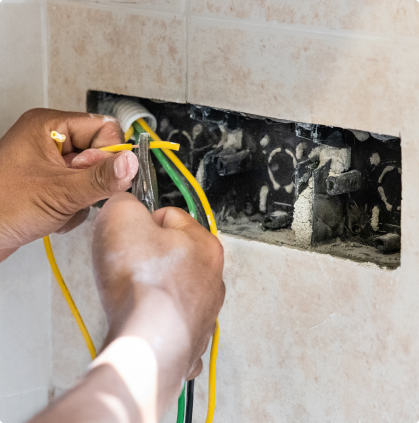
- Adding a power supply. A gas heater uses very little electricity. A heat pump runs on it, so it needs its own dedicated circuit, so an electrician will run a new cable from your switchboard.
- Checking the water flow. Heat pumps need a steady flow of water to work well. Your existing pool pump should be checked to make sure it can keep up.
- Finding the right spot. Heat pumps need plenty of open air around them. The spot where your gas heater sat may not suit, especially if it’s tucked in a tight corner.
What does a pool heat pump cost to run?
The buying price is only half the story. You also want to know what it’ll add to your power bill. The good news is you can work it out yourself with a simple sum:
Power the unit uses (kW) × hours it runs × your electricity rate = cost
You’ll find the power it uses (called “power input”) on the heat pump’s spec sheet, and your electricity rate on your power bill.
Here’s an example using a 13 kW heat pump that draws about 2.5 kW of power, with electricity at 35 cents per kWh.
| How much it runs | Power used per day | Cost per day | Cost per month (approx.) |
| 4 hours a day (warmer months) | 10 kWh | $3.50 | $105 |
| 6 hours a day | 15 kWh | $5.25 | $158 |
| 8 hours a day (cooler months) | 20 kWh | $7.00 | $210 |
Example only. Your costs will depend on your unit, your electricity plan and how warm you keep the pool. A few simple things can bring the bill down:
- Use a pool cover. Most heat escapes from the surface of the water, so a cover helps it stay warm for longer.
- Lower the temperature a little. Every degree counts. Our guide to the ideal pool temperature can help you find a comfortable setting.
- Run it during the day. The air is warmer, so the unit works more efficiently. If you have solar panels, daytime running can also use your own free power.
Heat pump or gas: which costs less over time?
It depends on how you use your pool. There’s no one answer that suits every home.
A heat pump is slower to warm the water, but it’s usually cheaper to run if you keep the pool warm for weeks or months at a time. That’s because it moves heat from the air rather than making it from scratch.
A gas heater costs more per hour to run, but it heats the pool much faster. It can make sense if you only heat the pool now and then, like for a weekend party or when family visits. Its running cost depends on its size (measured in MJ) and your gas price.
If you’re weighing up the two, our gas vs electric pool heater guide goes into more detail. It’s also worth looking at solar pool heating, which costs very little to run but depends on the sun and the space on your roof.
When we quote, we’re happy to talk through which option suits how you actually use your pool.
Will a heat pump be noisy, and where can it go?
A pool heat pump makes a steady hum from its fan, similar to an air conditioner’s outdoor unit. Most modern inverter units are fairly quiet, but placement still matters, especially on smaller Sydney blocks where the pool equipment often sits near the side fence.
NSW has rules about when household equipment like pool pumps can be heard inside a neighbour’s home at night. A new NSW noise regulation started on 28 August 2026, and for household pumps, the night-time restriction now starts at 9 pm instead of 8 pm. If you plan to run your heat pump in the evening, it’s worth keeping this in mind.
A good spot for the unit has:
- Good airflow. The unit needs open space around it to pull in warm air.
- Distance from neighbours. Away from bedroom and living room windows where possible.
- A short pipe run. Close enough to your pool equipment to keep the plumbing simple.
- A solid, level base. This cuts down on vibration and noise.
Who can replace a pool heat pump in NSW?
This isn’t a DIY job. In NSW, the work has to be done by licensed tradespeople:
- Electrical work must be done by a licensed electrician. NSW Fair Trading says you need an electrical licence for any wiring work, no matter how small.
- Gas work, like capping off an old gas heater, must be done by a licensed gas fitter.
The reason is simple: water and electricity sit very close together around a pool, and a gas line that isn’t sealed properly is a serious safety risk.
Before any work starts, ask your installer for their licence numbers. You can check them for free on the Service NSW licence check.
At Lightning Bult, our licensed electricians, plumbers and gas fitters all work in the same team. So you deal with one business from the first quote to the final check.
Are there rebates or discounts in NSW?
We’ll be straight with you: at the time of writing, there’s no NSW Government discount for pool heat pumps.
You might see heat pump discounts advertised, but those are for heat pump hot water systems, which heat the water for your showers and taps. That’s a different product.
There is a NSW discount for high-efficiency pool pumps (the pump that moves water through your filter). If your old pool pump is also due for replacement, it may be worth doing both jobs at the same time. Ask your installer whether the discount applies.
Government schemes change often, so check the NSW Household Energy Saving Upgrades page for the latest offers.
What should a good heat pump quote include?
A cheap quote isn’t always a good deal if it leaves things out. Before you say yes, check that your quote shows:
- The exact model, including its heat output (kW) and the power it uses (kW).
- The total price including GST, with the plumbing and electrical work listed separately.
- Gas line capping and removal of your old heater, if you’re replacing one.
- The warranty on the heat pump itself, and on the installation work.
- Licence numbers for the electrician and gas fitter.
- A start date, and roughly how long the job will take.
Want a quote that ticks every box? Send us an enquiry and we’ll come out, check your setup and give you a clear, itemised price.
Frequently asked questions
How long does a pool heat pump last?
It depends on how well it’s looked after. Regular servicing and keeping your pool water balanced both help, as unbalanced water can wear out the parts inside. Salty coastal air can also be hard on outdoor units, so ask your installer about the warranty and where the unit will sit.
Can I keep my existing pool pump?
Often, yes. The heat pump just needs a steady flow of water to work properly. Your installer should check your pump before quoting, so you know up front if it needs replacing.
How long does installation take?
It depends on your setup. A straight swap is quicker, while a switchboard upgrade or capping a gas line adds time. Your quote should give you a start date and a rough timeframe.
Will a heat pump work in a Sydney winter?
Yes. It works less efficiently on very cold days, so the pool heats more slowly and it costs a bit more to run. Using a pool cover makes a big difference in winter.
Do I need a pool cover?
You don’t have to have one, but we recommend it. A cover keeps the heat in overnight, so your heat pump runs for fewer hours and your power bill stays lower.
Get a clear quote for your pool heat pump
Replacing a pool heater comes down to three things: knowing what the job includes, what the heat pump will cost to run, and whether your quote covers everything. If you’re switching from gas, make sure the gas line, power supply and placement are all part of the plan.
Thinking about swapping your pool heater for a heat pump? Lightning Bult’s licensed electricians, gas plumbers and pool heating team can handle the lot, from the circuit to the connection. Call us on 0468 263 118 or send us an enquiry, and we’ll come back with a clear, itemised quote for your pool heat pump installation!