




Want to turn your spa sessions into real relaxation? You need to choose the right spa temperature. If the water is too hot, your body will be busy fighting the heat, and you’ll never truly unwind.
So, should you set it to 36°C or 38°C? This guide helps you find the ideal spa temperature, adjust for the seasons, and recognise when to call pool heating services if your heater isn’t keeping up.
What Is the Ideal Spa Temperature?
Set your spa to 37°C. That’s basically your body temperature, so it works for most healthy adults most of the time.
You can push it toward 38°C for a hotter soak, or drop it to 36°C if you run warm or want longer sessions. And if kids are getting in, keep it closer to 35–36°C and limit their time, because kids overheat faster than adults.
In short, the ideal spa temperature is 36°C to 38°C. And there is a reason for this.
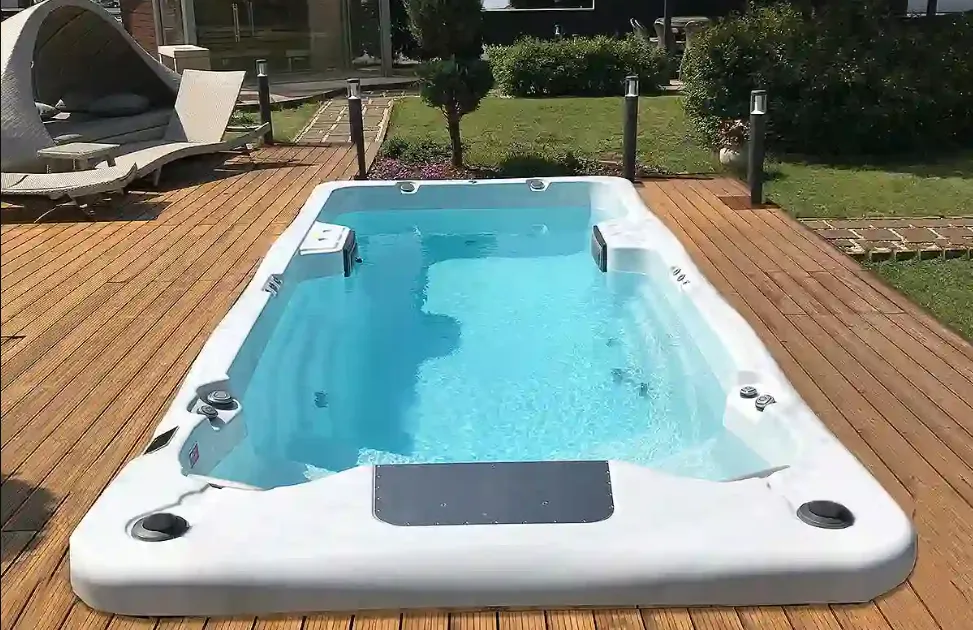
Image by Wellisspa.com
When your water sits in that range, your cardiovascular system doesn’t have to work hard. In this range, your blood vessels open up, circulation improves, and your muscles loosen without the stress of extreme heat.
And that’s why you shouldn’t hit the 40°C safety limit often. At 40°C, your heart rate and core temperature rise fast, which ups the risk of overheating, fainting, and even drowning.
Adding to that, Australian spa retailers recommend 36–37°C for outdoor spas, especially where it’s warm like Sydney. No worries. If you know how to heat a swimming pool, you can handle the spa heater settings, too.
How to Choose the Best Spa Temperature for Your Needs
The right temperature isn’t fixed. It changes with the season, the user, and what you want from the soak.
1. Everyday Relaxation
- Ideal spa temperature: 37°C
If you’re just relaxing after work or on the weekend, start at 37°C. That’s the benchmark most pool heating specialists recommend for healthy adults under normal conditions.
At 37°C, the water matches your body temperature closely, so entry feels natural rather than shocking. No gasp, no adjustment lag.
You can soak comfortably for up to 30 minutes. And if 37°C feels too mild after a few sessions, increase it by 0.5°C little by little. This helps your body adjust safely and comfortably. And don’t jump to 40°C.
2. Active Hydrotherapy
- Ideal spa temperature: 37–38°C
If you want targeted relief for arthritis, muscle soreness, or post-workout recovery, use slightly warmer water (37–38°C). It helps blood flow and loosens joints better than cooler baths.
Keep sessions to 15–20 minutes at most, and drink water before and after. Compared to a regular 37°C soak, hydrotherapy is more focused and shorter, not a long cool session.
3. Winter Soaks
- Ideal: 38°C
With your reliable heat pump pool heating system, set it to 38°C. Sydney winters are milder than in Melbourne or Canberra, but a cool evening makes stepping into lukewarm water uncomfortable.
At 38°C, both the air and the water feel warmer. You’ll feel the therapeutic effects faster. Joints loosen, muscles relax, and the cold stays out of the water.
Most Sydney spa owners raise the water to 37–38°C from June to August. Some people turn it up to 38.5°C to handle the cold. Even so, keep sessions to 15–20 minutes at a time.
4. Summer Soaks
- Ideal: 34–36°C
For this season, you can set it to 35–36°C. And lowering the spa temperature in summer isn’t cutting corners. It’s how you keep the soak comfortable when the air is already hot.
Sydney summers are humid, with evenings often at 24–28°C. At those temperatures, a spa at 38°C becomes uncomfortable fast. You’ll be sweating before you can relax.
At 35°C, you still get the muscle-relaxing benefits without the extra overheating caused by humidity.
5. When You’re Pregnant
- Ideal: Max. 37°C, 10 minutes
Most Australian health and pregnancy tips align with CPSC and WHO guidance: do not let body temperature rise above 38.9°C when you’re pregnant. Spa water should stay around 37°C, and sessions should be brief.
In the first trimester, hot spas should be avoided entirely. After the first trimester, with a doctor’s approval, you can set the spa temperature to about 37°C and limit sessions to 10 minutes. It’s the common safe limit.
Spa Temperature Safety Tips Everyone Should Know
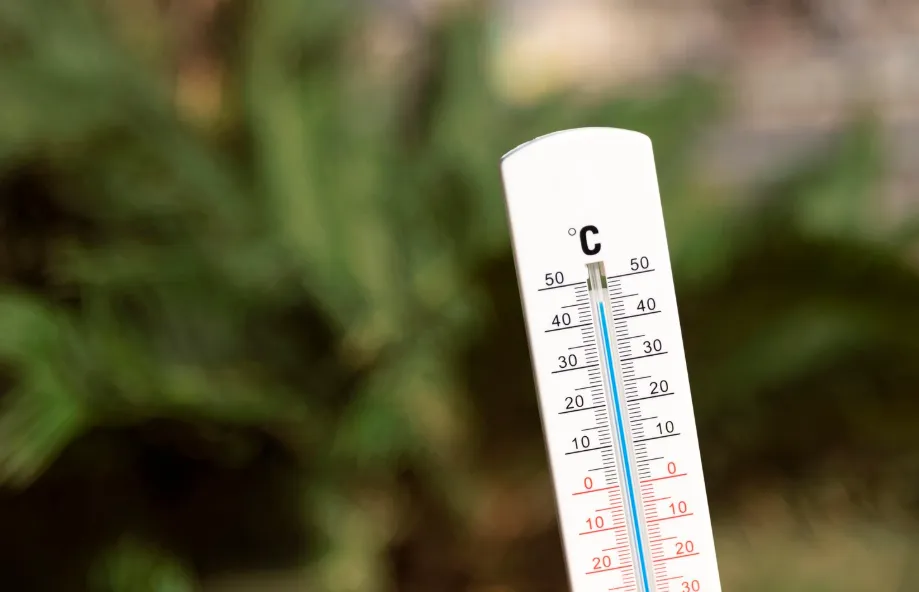
Image by Freepik
Knowing the right temperature range is one thing. Using your spa safely around that range is another.
1. Never Exceed 40°C
The World Health Organization says 40°C is the maximum safe temperature for adult bathers. Beyond that, hyperthermia, dehydration, heat stroke, and cardiovascular strain become real risks.
On top of that, many modern spa models come with a cap that prevents the temperature from exceeding 40°C. If yours lacks this feature, use 38°C as your standard or consult with your gas pool heater service
2. Check Spa Temperature Before Entering
Your display and the real spa temperature don’t always match. Calibration drift, sensor placement, and heating lag can push the actual temperature 1–2°C higher than the panel shows.
Remember, that one degree matters at 38–39°C. So, always check the actual water temperature before you step in. Keep a reliable thermometer near the spa if you’re ever in doubt.
3. Set a Timer and Limit Soak Time
At 36–37°C, healthy adults can soak safely for up to 30 minutes. At 38–39°C, the window shrinks to about 15–20 minutes.
The water feels good, so you stay longer. Your core temperature rises, and by the time you notice the heat, you’re already dehydrated.
So, set a phone timer before you enter, not after. It removes guesswork and makes it easy to step out at the right moment.
4. Drink Water Before and After
Hot water drains heat slowly but speeds up sweat, even if you don’t notice it in the spa. A 30-minute soak can equal a light gym session’s sweat. Many Sydney spa owners don’t drink enough because water hides thirst.
Drink 1–2 glasses before soaking and rehydrate afterward. Skip coffee right before a soak. It’s dehydrating.
5. Avoid Alcohol or Drugs During Soaks
Alcohol makes it harder for your body to control its temperature and can make you dizzy or faint in warm water. This combination leads to a noticeable number of spa accidents.
If you’ve had a drink or two, lower the water temperature, shorten the soak, or skip it altogether.
6. Exit Immediately if Dizzy
If you feel lightheaded, nauseous, or have a pounding headache, your body is telling you to stop. This can be an early sign of heat stress.
Don’t push through your session. Step out slowly and sit on the side or a cooling step to lower your heart rate.
7. Consult a Doctor if You Have Health Issues
Talk to a doctor before choosing a spa temperature if you have heart disease, high blood pressure, or you’re pregnant. They’ll set a safe limit, which might be lower than 37–38°C.
Hot water can strain the heart. Most healthy people handle it, but heart problems increase the risk. Pregnant women should also be careful about rising body temperature, especially early in pregnancy.
8. Shower Before and After Using the Spa
A pre-soak rinse removes sunscreen, lotion, sweat, and other substances that mix with water and can carry bacteria in the heat.
After soaking, shower lukewarm to let your core temperature drop gradually. Keep the post-soak shower warm, not cold, and give your body 5–10 minutes to cool before going back inside.
When to Call a Professional About Spa Heating Problems
panchiosd on Unsplash
A well-tuned spa heater holds its temperature steady. When something changes, that’s when you should call a professional to fix the problem:
1. Your Spa Won’t Reach the Set Temperature
This is the clearest sign something is off. If you set the thermostat to 37°C but the water stays at 29°C or 31°C, the heater or its heating element is likely failing.
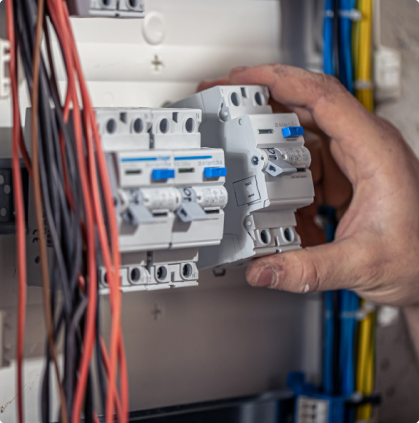
First, check the circuit breaker. Reset it once. If it trips again right away, that means a serious electrical fault. If you use solar heater, you’ll need a licensed technician for your solar pool heating maintenance.
2. Temperature Drops or Fluctuations After Reaching Target
Heat reaches 38°C, then falls 3–4 degrees in one hour. This isn’t only about insulation. It could mean a bad heating relay, a wonky thermostat sensor, or a problem with flow in the pump circuit.
Small changes of 0.5–1°C from day to day are normal. But a drop of 3°C or more quickly? That’s not normal. An expert technician can adjust your sensors and check the signal between the keypad and the heater.
3. The Heater Is Noisy, Slow, or Costs More to Run
A spa heater that grinds, rattles, or hums loudly is basically working way harder than it should to fight internal wear or scale buildup.
So, if your electric bill jumps without a change in your habits, your heater’s efficiency is probably degraded. When this happens you should call a technician to fix the problem.
FAQ About Ideal Spa Temperature
These are some of the common questions asked about spa temperature:
What is the best spa temperature for most adults?
For most healthy adults, the ideal spa temperature is 36–38°C. Start at 37°C and adjust to what feels comfortable. Soak for 15–20 minutes at 38°C, and up to 30 minutes at 37°C. Never go above 40°C.
Is 40°C too hot for a spa?
Yes, 40°C is the limit, not a comfortable daily goal. When it’s that hot, the soak should be only for 10–15 minutes. Luckily, most spa controllers max out at 40°C as a built-in safety feature.
What temperature should a swim spa be?
Swim spas used for exercise or lap swimming are usually set between 26°C and 28°C. For hydrotherapy or relaxation, the temperature can be raised to the normal spa range of 36–38°C.
So, What’s the Ideal Spa Temperature?
37°C is the ideal spa temperature, but it changes with the season and users. The best range is 36°C–38°C. You can go down to 35°C for kids and elderly, and as low as 34°C in summer.
Even the perfect setting won’t help if your heater is failing to reach or hold those temperatures reliably.
Lightning Bult’s team handles spa and pool heating across Sydney, from quick inspections to full system upgrades. If your spa isn’t heating right, contact Lightning Bult and let our experts sort it out properly.