






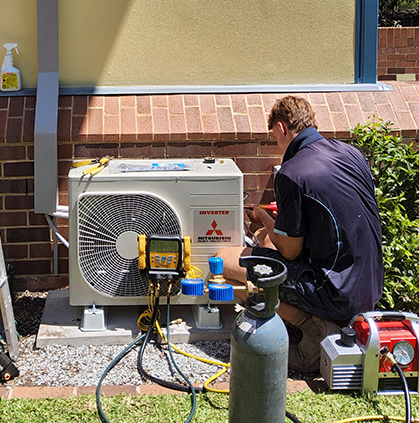
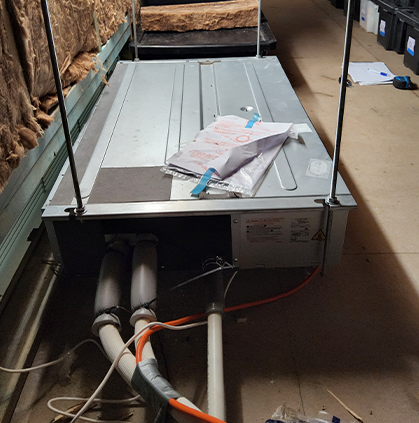
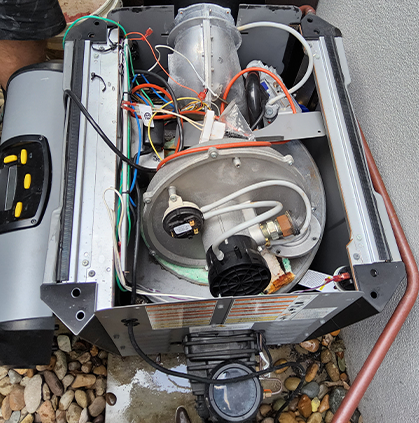

Picking the right AC size is a good start, but single-stage units never feel perfect. That’s why some people look at options like variable-speed air conditioners.
These units don’t just switch on and off. They quietly adjust output to fit your home’s needs. But are these the ones you really need?
Before you call an air conditioning service to help you with upgrades or installations, let’s learn how variable-speed AC works and the pros and cons!
What is a Variable Speed Air Conditioner?
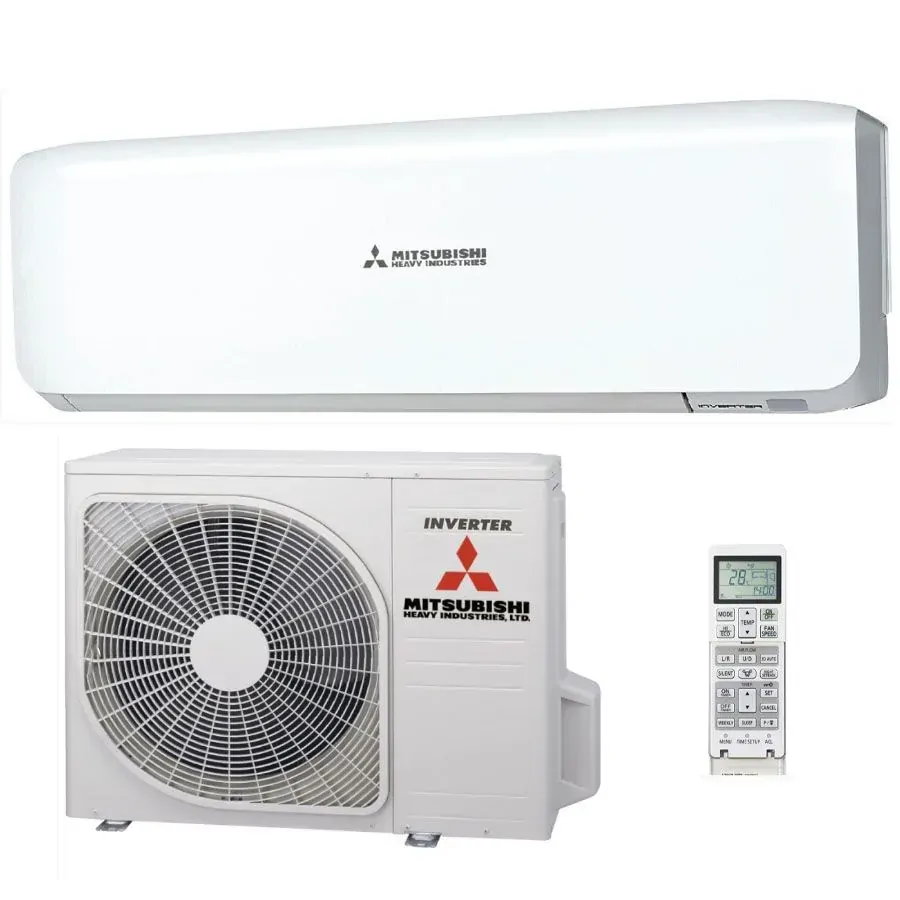
A variable-speed air conditioner is an advanced cooling system that uses a compressor that can run at multiple speeds, not just on or off.
The compressor speed can smoothly go from 25% to 100%, which gives you precise control that single-stage systems just can’t match.
That precision comes from inverter technology. It’s a variable-frequency drive (VFD) that adjusts the compressor’s power in real time based on cooling needs.
Inverter-driven compressors cut startup surge, which can be 5–6 times the normal power draw each time the unit starts. That means less energy waste and less wear on your HVAC components.
By running continuously at lower speeds instead of cycling on and off, variable-speed systems avoid the repeated power spikes that wear down single-stage compressors.
The main difference between variable speed and traditional systems is how they keep the temperature steady.
- Single-stage air conditioners act like a light switch—either full blast or off. That causes noticeable temperature changes and higher energy use because the unit keeps turning on and off.
- Two-stage systems help a bit with high and low settings, but they still don’t have the fine control of variable-speed models.
- Variable-speed compressors can slow down or speed up smoothly to match cooling needs exactly, running at lower speeds most of the time.
Variable-speed tech fits your existing setup. For ducted air conditioning, upgrade to a variable-speed ducted system using the same ducts. For room-by-room control, variable-speed split systems mount on individual walls.
Whether ducted or split, inverter technology works the same. Some installers pair variable-speed units with smart thermostats that learn your cooling patterns and adjust automatically.
How Does a Variable Speed Air Conditioner Work?
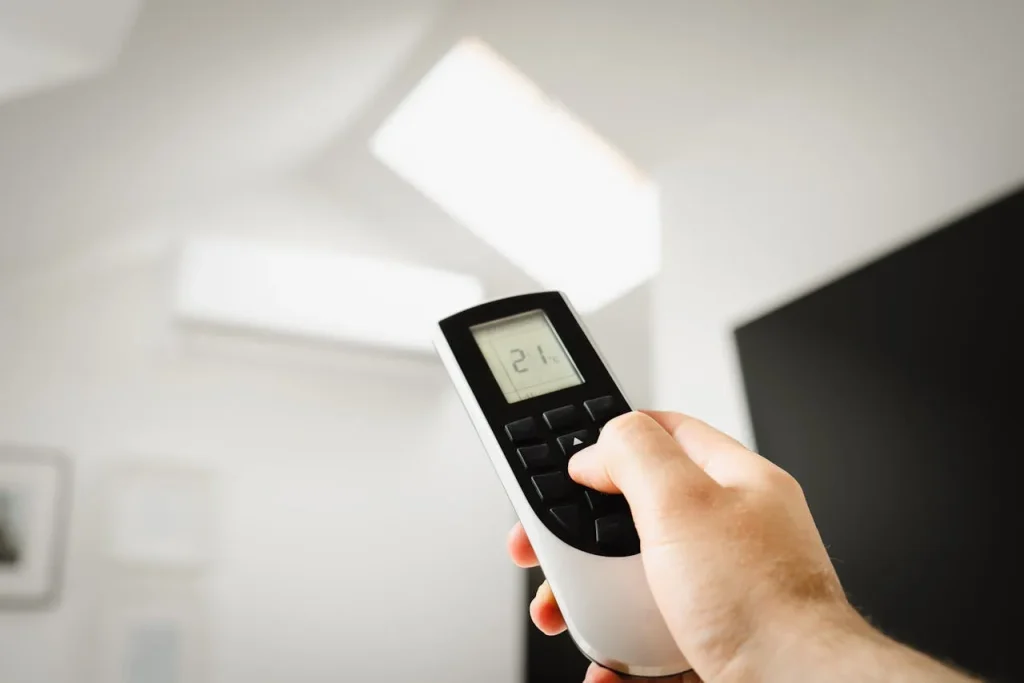
Photo by Jakub Zerdzicki
Understanding how an AC system works helps you see why variable speed technology gives better performance:
1. System Detects Overheating
When the house gets too warm, the thermostat signals the control board to start cooling.
While that’s happening, sensors across the system monitor temperatures at the indoor coil, outside unit, and refrigerant lines.
These sensors keep feeding the control board with detailed data, not just a simple “turn on” command.
2. Mainboard Calculates Cooling Needs
The control board compares current and target temperatures and considers warming speed and outdoor temperature.
It calculates the cooling needed and sets the compressor speed: around 30% if the room is half a degree warm, 80–100% if several degrees warmer.
This decision runs continuously, with recalculations every few seconds as conditions change.
3. Inverter Converts Power
Australian home power runs at a fixed frequency, sending the same signal from your wall outlet every time.
The inverter board solves this by converting household power through stages: changes AC to DC, boosts and smooths the voltage, and converts it back to AC at the frequency requested by the control board.
The result is power that can drive the compressor motor at any speed from about 25% to 100%, not just a fixed speed.
4. Variable-Frequency Controls Compressor Speed
The inverter feeds the compressor motor with tuned power. The motor’s speed follows the power’s frequency. Higher frequency means faster rotation; lower frequency means slower rotation.
Think of it as a dimmer for motor speed. The compressor’s components like scroll, rotary, or piston, run at the exact speed needed to deliver the right cooling.
At 30% speed, less refrigerant flows per minute than at 100% speed, which controls the cooling.
5. Compressor Pressurises Refrigerant
The compressor draws in low-pressure refrigerant vapour from the indoor unit and squeezes it into a much smaller space.
When you compress gas, it heats up. The same reason a bike pump warms while inflating a tyre. Refrigerant entering is cool and low pressure exits hot (70–90°C) at high pressure.
Here’s what sets variable-speed apart: the compressor speed controls refrigerant flow. At low speed, it moves about a third of what it does at full speed, letting the system match cooling output to your home’s current needs.
6. Hot Refrigerant Releases Heat
Hot, high-pressure refrigerant rushes through copper tubing to the outdoor coil. The outdoor fan pushes air across the fins. Heat travels from hot to cold, so the refrigerant gives up heat to the cooler outdoor air.
As the refrigerant loses heat energy, it cools under high pressure. When it cools enough, it condenses—changes from a gas back into a liquid.
By the time it leaves the outdoor coil, it is fully liquid, still under pressure, but much cooler than when it arrived.
7. Expansion Valve Cools System
The high-pressure liquid refrigerant reaches an expansion device, a small valve that creates a controlled bottleneck and suddenly drops the pressure.
When pressure falls quickly, temperature falls too. The opposite of the compressor’s effect. The refrigerant leaving this valve is cold (about 5–10°C) and ready to absorb heat from your home.
In variable-speed systems, this valve adjusts its opening to match the compressor speed. This helps the system run efficiently from 30% to 100% capacity.
8. Cold Refrigerant Absorbs Heat
Cold refrigerant enters the indoor coil, a heat exchanger of copper tubes and aluminium fins. The indoor fan pulls warm room air across it; heat moves from the air (about 26°C) to the cold refrigerant (5–10°C).
As the refrigerant absorbs heat, it evaporates from liquid to gas, cooling the air by pulling heat from it. The air, now about 10–15 degrees cooler, blows back into the room through the vents.
Meanwhile, moisture from the air condenses on the cold coil and drips away, so the AC dehumidifies while cooling. The refrigerant, warmed back to gas, returns to the compressor to repeat the cycle.
9. The System Continuously Adjusts Speed
As your room nears the set temperature, sensors close the gap. The control board slows cooling, the motor and refrigerant use drop, and the chill eases.
The system settles quietly at low speed, within about half a degree. When things change, sensors nudge the compressor up to meet the demand. This loop keeps the system at the right capacity.
Pros and Cons of a Variable Speed AC
You know what a variable-speed air conditioner is and how it works. Now let’s weigh the pros and cons before installing one.
Pros

Image by Benzoix
Here are some advantages of choosing a variable speed AC compressor:
1. Lower Running Costs
A variable speed AC uses 35–50% less electricity than a fixed-speed unit. It stops those energy-wasting startup surges. Instead of blasting full power, it runs smoothly at a low speed.
For a 5 kW system operating 8 hours/day at 0.28/kWh, you’ll save about $300–500 annually. Savings grow even faster in hotter areas like Western Sydney, where systems run hard for over four months each year.
2. Consistent Comfort
Single-stage air conditioners make the temperature swing a lot. They blow cold air until the room is 2°C below your setting, then they turn off until it drifts 2°C above. This creates a constant cycle of feeling freezing.
Variable-speed AC units smooth out swings. Run continuously at the exact speed you need, and they keep the room within 0.5°C of your setting.
3. Superior Humidity Control
Variable-speed units run longer cycles at lower speeds. The airflow stays steady, so the evaporator coil can pull moisture out for longer without overcooling the room.
The result is a drier, crisper indoor vibe with about 45–50% humidity that still feels comfortable at higher temperatures. You can set the thermostat to 24°C and feel cool, instead of needing 21°C.
4. Whisper-Quiet Operation
Variable-speed air conditioners run at 50–60 dB on low, quieter than single-stage units at 72–80 dB. Since the compressor never fully turns off, startup noise isn’t the loud “thump.”
Also, local councils cap outdoor noise after dark at 40–50 dB, and variable-speed outdoor units stay below these limits.
5. Improved Air Filtration
Single-stage air conditioners sit idle for 20–40 minutes each hour after cooling. So no air drifts through the AC filters and dust and allergens settle around the home.
Variable-speed units run continuously at a low speed, keeping air moving through the filtration even when cooling is minimal. If you have allergies or asthma, you’ll notice the air feels fresher.
6. Longer Lifespan
Less turning on and off lowers stress on the compressor, the AC capacitor, and the electrical contactors.
That’s why variable speed air conditioners usually last about 15–20 years. The longer life helps with your total cost of ownership.
7. Faster Initial Cooling
Variable speed air conditioners can reach up to 110% of rated capacity on hot 40–45°C days to lower indoor temperatures, then settle into a steady cruise. Fixed-speed units don’t have this flexibility.
Cons
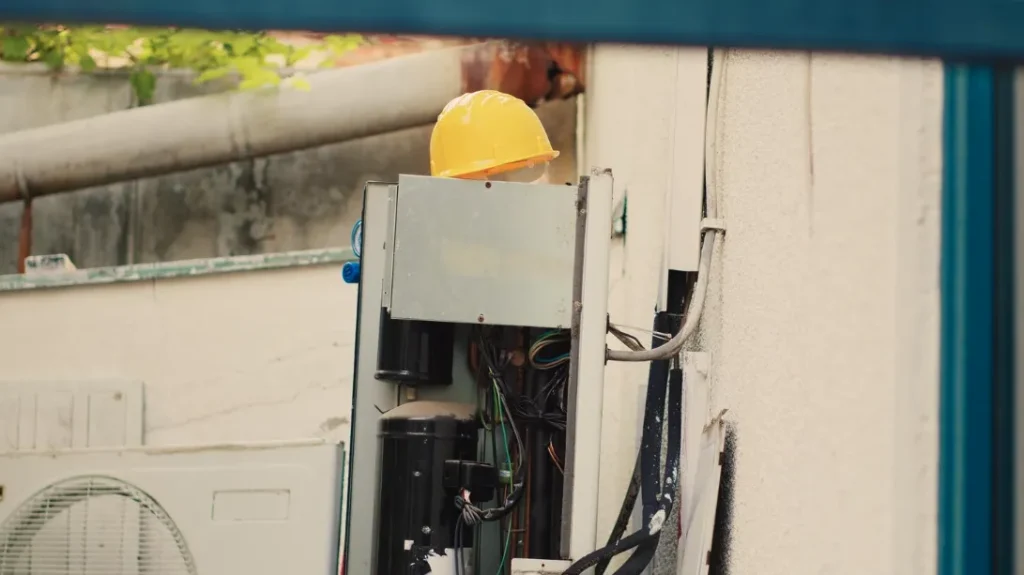
Image by DCStudio on Freepik
A variable-speed air conditioner has many advantages, but you should note these drawbacks before installation:
1. Higher Upfront Cost
A typical split-system install for a variable-speed unit starts at $1,200 for hardware alone, while older fixed-speed units were cheaper. The gap exists because inverter models include AC unit parts like inverter boards and advanced sensors.
While variable-speed air conditioners save energy long term, many homeowners face budget constraints, with an upfront barrier that is often $1,000 to $2,000 higher than basic models.
2. More Expensive Repairs
Not only is upfront installation higher, but repair costs are pricier when components fail. Here’s what Australian homeowners actually pay for common replacements:
- Inverter Control Board — $1,800–$3,000
- Compressor Replacement — $3,500–$5,000
- Outdoor Fan Motor — $800–$1,200
- Capacitors — $150–$350
- Control System — $400–$800
3. Longer Repair Downtime
When a variable-speed air conditioner breaks, you’re without cooling longer than with a standard unit. Technicians stock common single‑stage parts for the same‑ or next‑day fixes.
Variable-speed parts are proprietary and must be ordered from the manufacturer. In Australia, you need to wait 2–4 weeks for inverter boards from Japan. And in some cases, backorders stretch to 6–8 weeks.
4. Ductwork Compatibility Issues
Variable-speed systems need tight, sealed ducts to work, which can be hard when updating older homes.
Unlike single-stage units that blow air full blast, variable-speed air conditioning systems adjust airflow based on exact static pressure readings. If your ducts leak or are too small, the system won’t run properly.
Should You Get a Variable Speed Air Conditioner?
The choice depends on your situation, the climate, and your budget:
YES, you should get a variable speed AC if:
- You live in hot areas like Western Sydney or Perth, where summer temperatures exceed 38–45°C
- Open living spaces bigger than 60 m² need reliable temperature control
- You need strong dehumidification
- You plan to stay 8+ years, to justify a bigger upfront cost
- You focus on energy efficiency and a smaller carbon footprint
- You are replacing an old, inefficient unit; you can pay more for better technology
NO, a variable speed AC might not be worth it if:
- You are in mild climates like Melbourne, or coastal Adelaide
- The AC is used only sometimes or briefly
- Your budget’s tight, and paying $2,000–$5,000 is hard on finances
- You are renting or planning to sell in 3–5 years
- Your home is small (under 40 m²), so a basic split system is enough
- You prefer simpler technology with lower repair costs and easier DIY maintenance
FAQ about Variable Speed Air Conditioners
Here are common questions homeowners ask about variable speed AC units:
Does a variable speed air conditioner run all the time?
Yes, variable-speed air conditioners run all the time but usually at very low speeds. The unit only turns off completely when the thermostat remains satisfied for a long time or you manually turn it off.
How much does a variable speed air conditioner cost?
Variable speed air conditioners cost from $3,500 to $6,000 for a standard 7 kW split system, supply and install. Entry‑level 2.5 kW units start around $2,200, while premium 9 kW systems can exceed $6,500.
Ducted variable speed systems for whole‑home cooling range from $8,000 to $18,000, depending on home size and zoning needs.
How much does a variable speed AC unit save?
Variable‑speed air conditioners save Australian households $300–$800 annually. That’s about $25–$65 more per month in peak summer. Over 15 years, total savings can reach $4,500–$12,000.
Conclusion
Variable-speed air conditioners use inverter technology to adjust cooling, saving energy and offering precise control.
They improve humidity, run quieter, and last longer, but cost more upfront and may take longer to repair.
If you’re unsure which system is right, contact Lightning Bult for a personalised check, accurate sizing, and professional installation backed by local Australian expertise.