


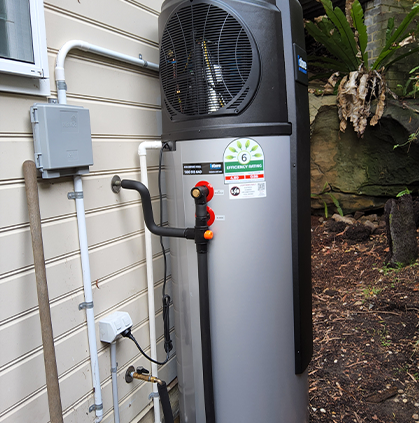



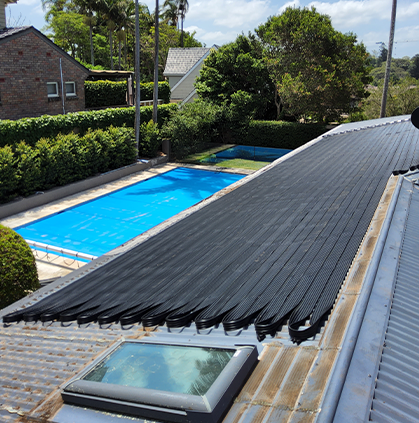
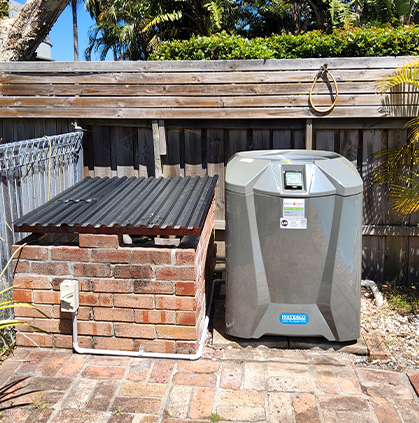

You spent good money on a pool heat pump. Warm water, longer swim season, efficient heating—that was the goal. But if the water is heating slower, skipped pool heat pump maintenance might be the cause.
We’ll cover a clear schedule, exact water chemistry targets, and warning signs to call for a pro, so you can protect the performance and efficiency your pool heat pump installation in Sydney was meant to deliver.
Why Pool Heat Pump Maintenance Matters
A good pool heat pump should last 10–15 years. Neglect it and that number drops fast.
Dirty coils, poor airflow, unbalanced water, salt corrosion, blocked drains, loose connections. That’s how owners end up staring at major repair bills before year six.
Please note, replacing a compressor can cost $1,500–$2,500. And a full pool heat pump replacement can cost between $4,000 and $9,000 installed. An annual professional service? $150–$300.
It doesn’t stop there. A dirty evaporator coil cuts airflow and drags down COP, or Coefficient of Performance.
A clean unit with a COP of 5.0 delivers 5 kW of heat per 1 kW of power. If the coil gets clogged with debris like salt, dust, or leaves, that pool heat pump efficiency can drop to a COP of 3.5.
That means your pool heater needs to run longer to reach the same target temperature. Yes, higher bills.
And your electricity bill shows the truth before your display panel does. As efficiency drops, costs climb from $0.30–$0.35 per kWh to $0.35–$0.40.
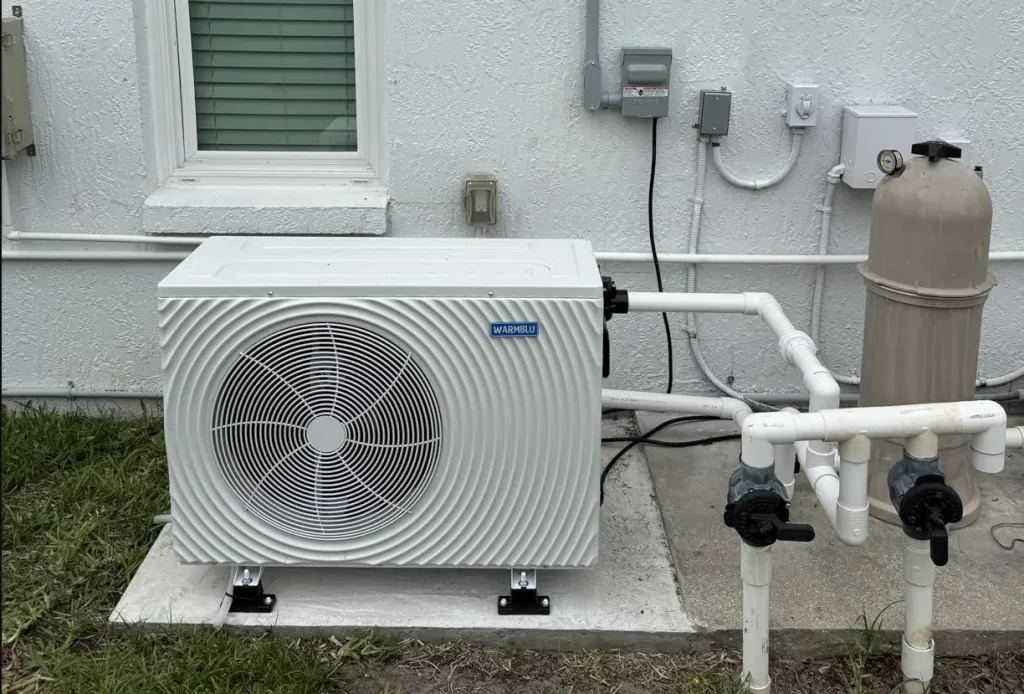
Image: Mike M on Amazon
Sydney’s coastal environment adds another layer. Salt air attacks metal parts like fins, casings, screws, brackets, fan guards, electrical connections.
If you’re in Manly, Coogee, Cronulla, Bondi, Maroubra, or anywhere within a few kilometres of the coast, your heat pump is living in a harsher environment than an inland unit.
Regular checks are not optional here for pool heating in Sydney. They are the difference between a heat pump that runs quietly for years and one that slowly eats power, overheats, and fails early.
Pool Heat Pump Maintenance Schedule: What to Do and When
Not sure how often to check your heat pump? You can check out this schedule for weekly, fortnightly, monthly, six-monthly, and annual tasks.
| Frequency | Task | DIY or Professional |
|---|---|---|
| Weekly | Test pool water chemistry, including pH, chlorine or bromine, alkalinity, calcium hardness, and salt levels. Check the heat pump display for error codes, low flow warnings, temperature issues, or abnormal cycling. | DIY |
| Fortnightly | Check the unit for leaves, mulch, grass clippings, cobwebs, blocked airflow, loose panels, rust, vibration, strange smells, or new noises. Clear debris from the air intake, fan discharge, base, and drainage path. Keep plants, covers, furniture, and fencing away from the airflow zone. | DIY |
| Monthly | Check the evaporator coil for dust, salt film, leaves, fibres, and debris. Check inlet and outlet water connections for drips, dampness, white scale marks, corrosion, loose unions, or staining. Check the condensate drain and base of the unit. | DIY |
| Monthly | Have pool water professionally tested and adjusted if the chemistry keeps drifting, or if the pool is saltwater, heavily used, frequently heated, or close to the coast. | Pool Water Professional |
| Annually | Refrigerant performance, electrical and voltage checks, current draw, pressure or flow switch testing, fan and blade inspection, coil cleaning, condensate drain review, water connection review, and leak detection. | Licensed Technician |
| As Needed | Persistent error codes, pressure faults, fan faults, burning odours, tripped breakers, refrigerant alerts, frost, leaks, flooding, or major heat loss despite basic cleaning and water checks. | Licensed Technician |
This table is just your starting point. If your pool is near a coast, trees, construction, or mulch, check it more often. Don’t wait until your efficiency drops and your pool heat pump running costs rise.
Monthly Checks: Keeping the Coils Clean and Water Balanced
The evaporator coil fins help move heat. When dust, leaves, and pollen build up, airflow drops. The compressor then works harder and runs hotter, using more power while providing less heating.
So, clean the coils with the unit off. Use a soft brush and brush downward. Never use a pressure washer, as it bends the fins and blocks airflow. If the coils are very dirty or oily, hire a professional to clean them.
If you live near the coast, spray metal parts with an anti-rust treatment every month to prevent damage.
Also, keep your pool water balanced. Poor water chemistry causes rust and buildup, which will shorten the life of your heat pump.
| Water chemistry target | Recommended range |
|---|---|
| pH | 7.2–7.6 |
| Total alkalinity | 80–120 ppm |
| Free chlorine | 1–3 ppm |
| Calcium hardness | 200–400 ppm |
| Saltwater pools | 2,500–4,500 ppm salt |
Test fortnightly, especially after rain or heavy use, as pool chemistry shifts quickly. Maintain pH between 7.2 and 7.6 to prevent heat exchanger damage.
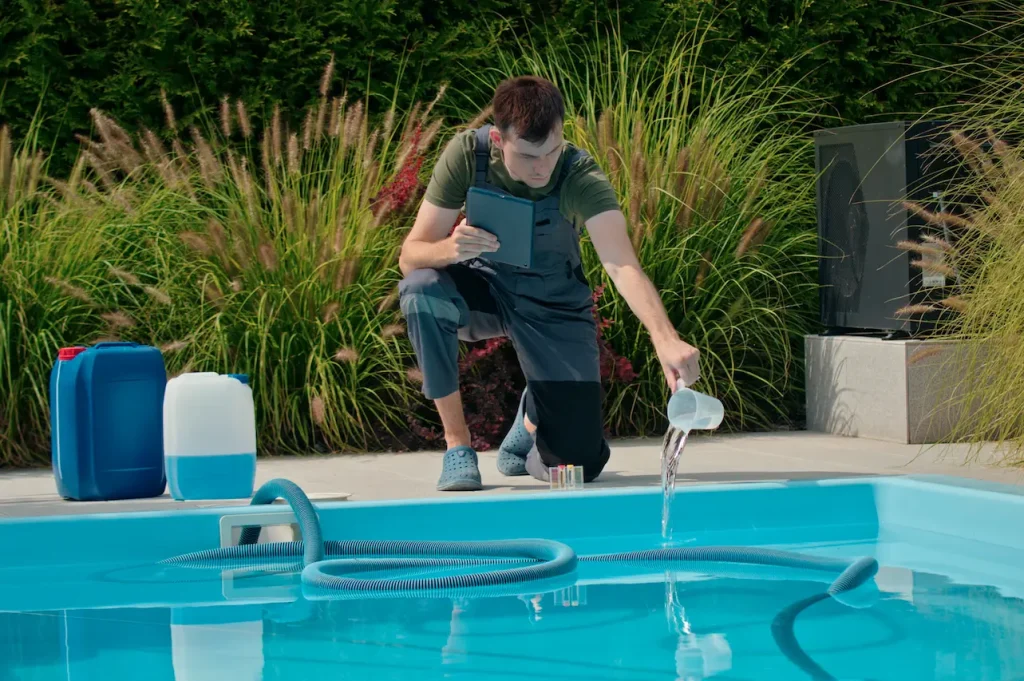
Image: StockSeller on Magnific
Check the inlet and outlet connections monthly for drips, stains, or rust. Addressing these early prevents widespread damage.
Finally, check your timer. A 50,000-litre pool needs 8–12 hours of daily operation in summer and 12–16 hours in cooler months. Don’t run the unit 24/7.
Annual Professional Service: What a Qualified Technician Actually Does
A professional pool heat pump service goes past the safe DIY line. Handling refrigerants, high-voltage components, internal coils, fan motors, and heat exchangers carries significant risk. This is licensed work.
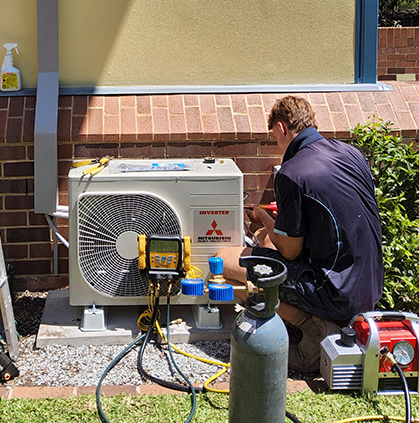
Australia’s refrigerant rules are clear. You must hold a Refrigerant Handling Licence to install, service, maintain, or decommission equipment containing fluorocarbon refrigerants or their components.
A technician checks the refrigerant circuit for leaks and performance loss. Often, the first sign is weak heating rather than a total breakdown.
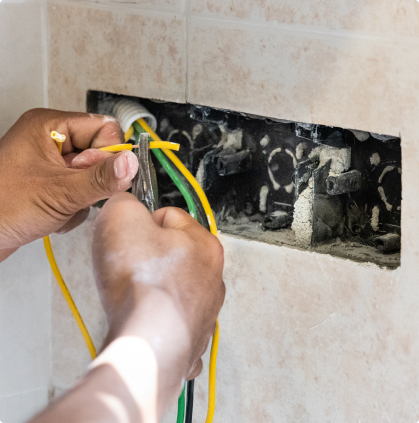
Electrical checks are just as important. The technician checks terminals for corrosion, looseness, heat damage, and early failure.
In NSW, electrical wiring work requires a licence or certificate. Unlicensed work can result in fines of $22,000 for individuals or $110,000 for companies. That alone should end the DIY debate.
Schedule a licensed technician once a year, ideally in late autumn, April, or May, before the winter rush. Avoid July and August. Technicians are overwhelmed then, and wait times grow.
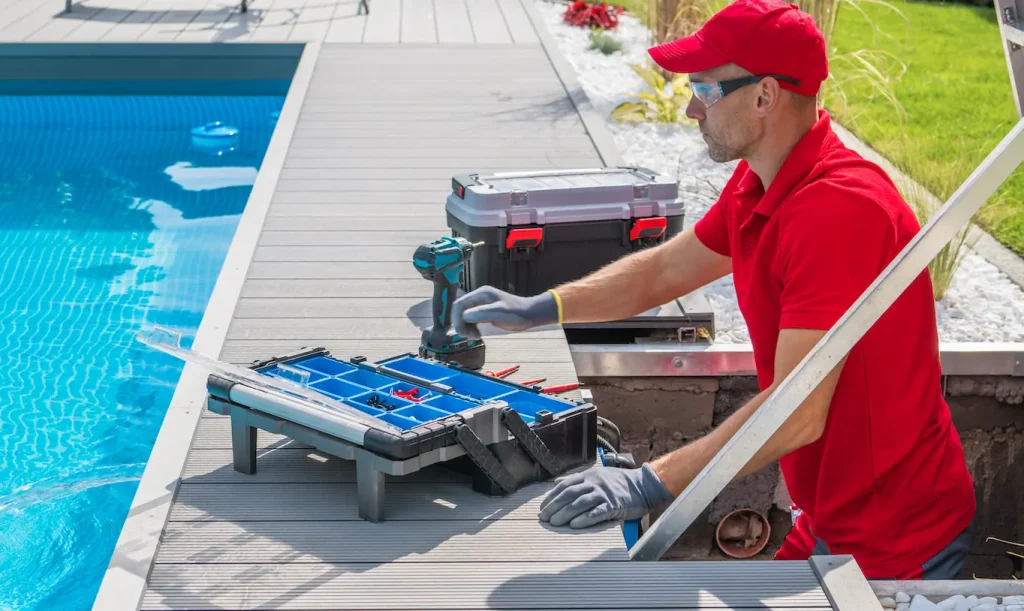
Image: Savchenko Ruslan on Magnific
Signs Your Pool Heat Pump Needs Attention
Watch for changes. Most major heat pump failures give early warnings like these:
- The pool takes longer to heat — You’ll notice it in the water. The fan runs and the display looks normal, but the pool takes extra days to heat. Heat escapes because dirty coil fins block collection, restricted airflow starves the evaporator, weak water flow limits transfer, or low refrigerant reduces output.
- The heat pump runs almost non-stop — Pools lose heat quickly from wind, cold, or heavy use. If your heater runs non-stop but the temperature stays low or drops, that’s a sign of an issue. It could be poor airflow, restricted circulation, refrigerant loss, or incorrect sizing.
- The sound changes — Rattling means loose panels, screws, or debris. Grinding points to worn-out bearings. Squealing signals that the motor is struggling. Heavy vibration suggests the unit isn’t level. Don’t ignore these sounds.
- Ice builds up on the evaporator coil — Most modern units clear ice automatically. But heavy or constant buildup is different. Once ice blocks airflow, heating capacity drops sharply while energy use remains high. Common causes include dirty coil fins or cold operating conditions.
- The display keeps showing an error code — A single error code isn’t a crisis, but a recurring one is. Flow codes signal circulation issues. Pressure codes point to dirty coils, blocked filters, pump failure, or leaks. Record the code and find the root cause. Repeated resets solve nothing.
- The heat pump won’t start — Most units need four things to start: water flow, power, a thermostat call for heat, and permission from timers or safety controls. If your pool stays cold, you likely have a simple lockout rather than a major breakdown.
- Rust or corrosion appears — Corrosion is never just cosmetic. Surface rust on a cabinet is only the start. Inside, it clogs coil fins, choking airflow and heat transfer. At water unions, it invites leaks. Near electrical components, it creates safety hazards.
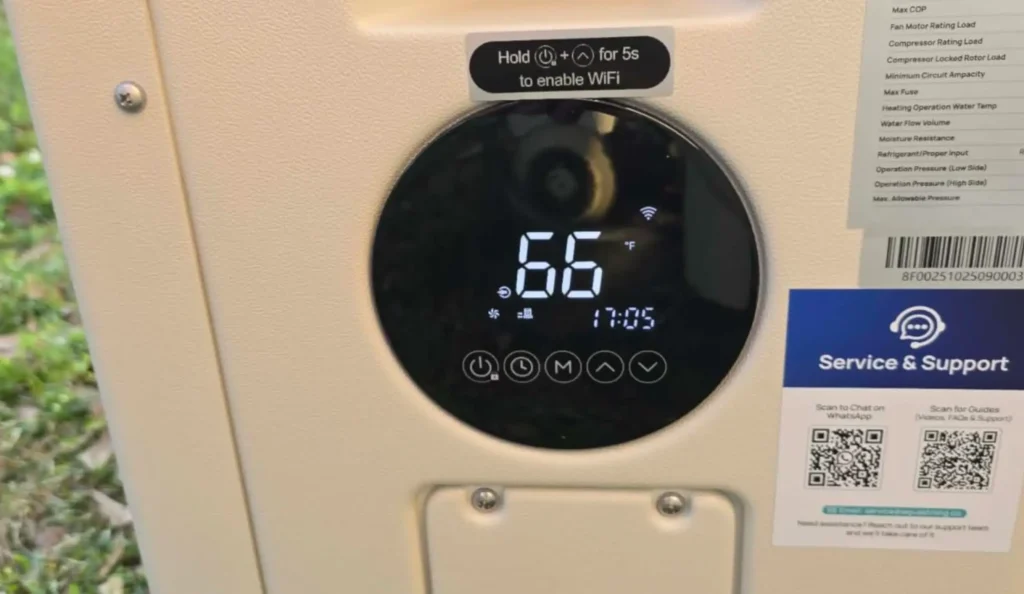
Image: Amazon.com
What You Can Do Yourself vs What Needs a Professional
Sydney pool owners often ask: what can I do myself, and what needs a licensed technician for pool heat pump maintenance? Here’s a clear breakdown.
| DIY Tasks | Tasks for a Licensed Technician |
|---|---|
| Clear leaves, grass, dirt, and debris from around the unit | Refrigerant leak testing, recovery, recharging, or circuit repairs |
| Brush coil fins gently in the direction of the fins | Electrical fault diagnosis and wiring repairs |
| Rinse the evaporator coil with a low-pressure hose | Fan motor replacement and internal component replacement |
| Test pool water chemistry | Internal coil cleaning with chemical cleaners |
| Check for visible rust, leaks, vibration, and error codes | Heat exchanger descaling or replacement |
| Apply approved anti-corrosion treatment to external metal surfaces | Warranty inspections and written service records |
| Adjust timer settings to match swimming habits | Any work involving live electrical or refrigerant components |
| Clean skimmer baskets and maintain water flow | Compressor repairs or refrigerant pressure testing |
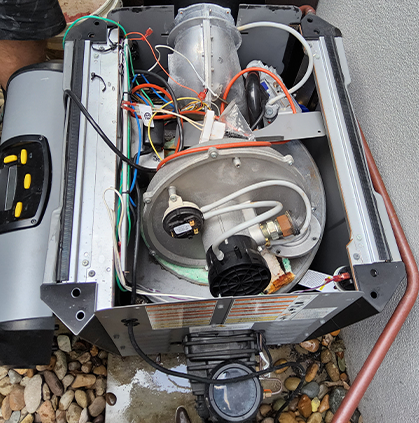
Never open the internal panels unless you hold the right licence. Pool heat pumps combine water, high-voltage electricity, moving fan parts, and pressurised refrigerant. That’s not a hobby repair.
Unlicensed internal work can also wreck the warranty. Manufacturers can reject claims when refrigerant work, electrical repairs, or internal component changes were done by the wrong person.
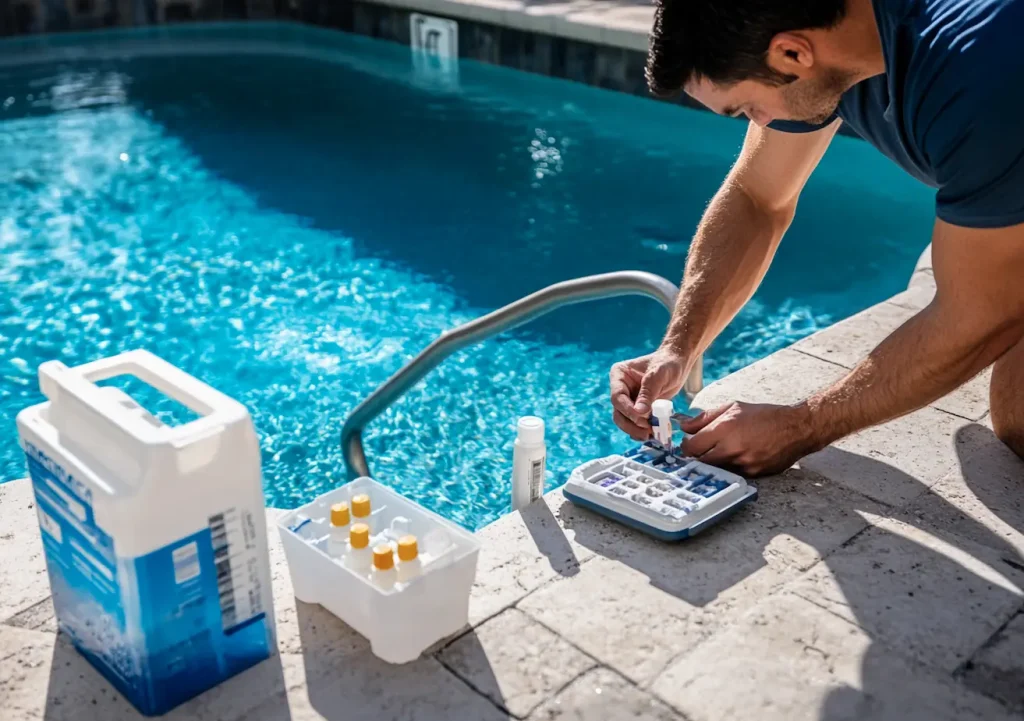
Image: welcomia on Magnific
FAQ about Pool Heat Pump Maintenance
These are the questions pool owners often ask about maintaining their pool heat pump:
How often should a pool heat pump be serviced?
Don’t wait until your pool heat pump is not heating. Get professional service once a year, before the busy winter season. Do visual checks every two weeks and check the coils and chemistry once a month, all year long.
How do I clean pool heat pump coils?
Turn the unit off. Brush the fins downward with a soft brush, then rinse them using a low-pressure hose. If there is stuck-on buildup, a licensed technician should use a coil-safe chemical cleaner.
What water chemistry should I maintain for my pool heat pump?
Maintain pH 7.2–7.6, alkalinity 80–120 ppm, calcium hardness 200–400 ppm, and free chlorine 1–3 ppm. For saltwater pools, keep salt at 2,500–4,500 ppm. Test water every two weeks, and adjust after heavy rain or use.
How long does a pool heat pump last with proper maintenance?
It’s around 10–15 years with proper care. Skip the annual service and let water chemistry slip, and the average lifespan drops to 6–8 years—often with multiple expensive repairs before failure..
How much does pool heat pump maintenance cost in Sydney?
DIY maintenance costs $50–$100 a year, while hiring a professional in Sydney costs $150–$300. If you skip maintenance, you risk much more expensive repairs: thermostats ($150–$300), fan motors ($300–$600), heat exchangers ($600–$1,200), or compressors ($1,500–$2,500+).
Can I service my pool heat pump myself?
Yes, for external cleaning, debris removal, water chemistry checks, and visual inspections. Anything involving the refrigerant circuit, electrical components, or internal panels is off-limits. Working on refrigerants without an ARC licence is illegal in Australia.
So, How to Maintain a Pool Heat Pump?
Pool heat pump maintenance doesn’t have to be complicated. Check the unit every two weeks, clean the coil once a month, test pool water once a month, and book one professional service each year before winter.
This routine boosts efficiency and helps a well-maintained unit get closer to its 10–15 year service life.
Not sure whether your heat pump needs a simple clean or a full service? Lightning Bult can assess your unit, run a seasonal check, and help get it back to peak efficiency. We provide professional assistance across North Shore, Inner West, Eastern Suburbs, and many more.
Get in touch today for a no-obligation quote.