


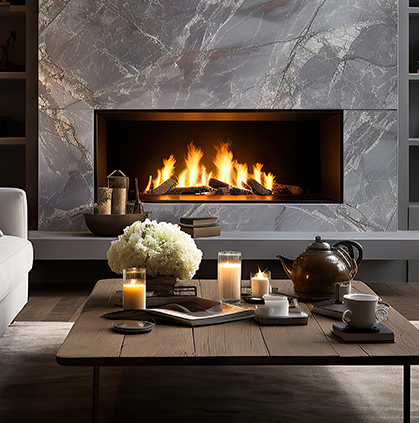


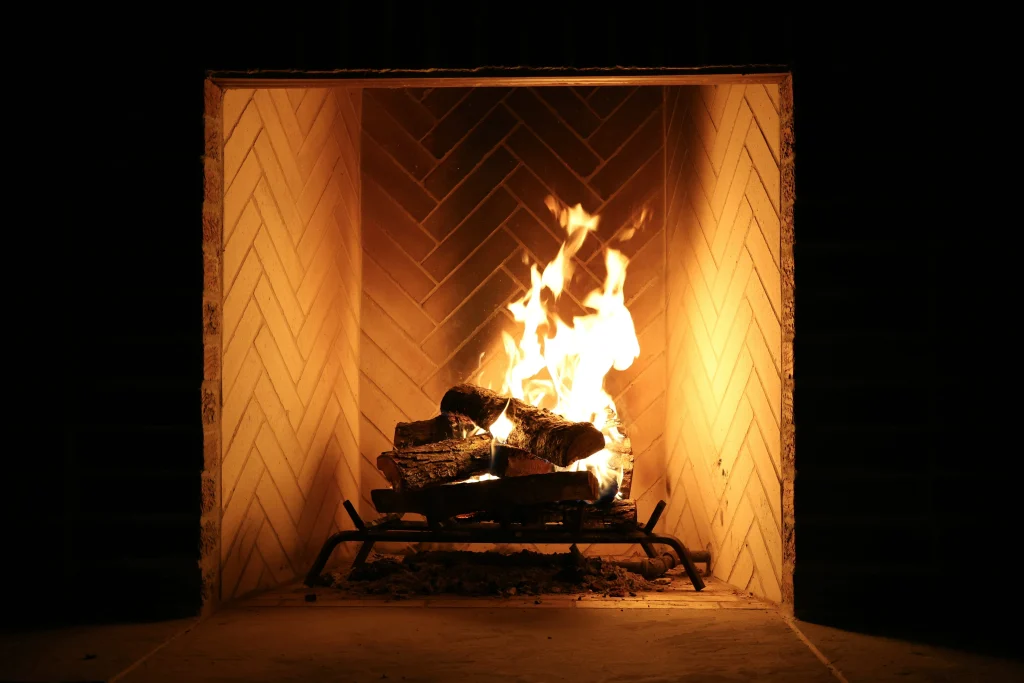
If you’re asking do gas fireplaces need a flue, the short answer is yes, most of them do.
A gas fireplace needs a flue to safely remove combustion gases like carbon monoxide, carbon dioxide, and excess moisture from your home. Even though gas burns cleaner than wood, it still creates harmful by-products that need to go somewhere.
There are some flueless gas fireplaces on the market, but they come with stricter ventilation requirements and are not suitable for every home.
The type of gas fireplace you have will determine what kind of flue is needed.
Why Does a Gas Fireplace Need a Flue?
When gas burns, it produces heat as well as waste gases.
These can include:
- carbon monoxide
- carbon dioxide
- nitrogen dioxide
- water vapour
Without proper ventilation, these gases can stay inside the room. That’s where the flue comes in.
A flue carries those by-products safely outside and helps the fireplace burn properly. It also reduces moisture build-up, which can lead to condensation issues over time.
From a safety point of view, this is one of the most important parts of any gas fireplace setup.
What Type of Gas Fireplace Do You Have?
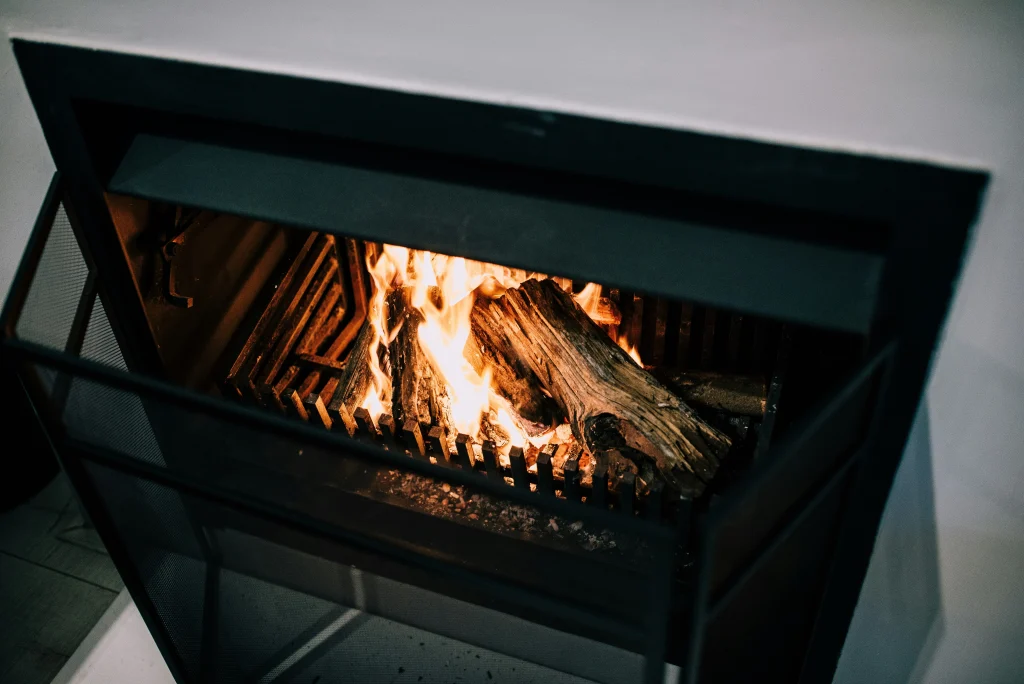
Not all gas fireplaces use the same flue system. Here’s how they usually work.
Open Flue Gas Fireplaces
An open flue gas fireplace uses indoor air for combustion and vents exhaust through a traditional flue.
This style is common in older homes or where an existing chimney is already in place.
Because it pulls air from inside the room, extra ventilation may also be needed to keep fresh air circulating.
Without enough airflow, the appliance may not burn efficiently.
Balanced Flue Gas Fireplaces
Balanced flue systems are one of the most common options in modern Australian homes.
These fireplaces use a sealed glass-front system with a two-way flue.
One part draws fresh air in from outside. The other pushes combustion gases back out.
This setup offers a few benefits:
- better energy efficiency
- improved indoor air quality
- flexible installation options
- no need for extra room ventilation
Balanced flue fireplaces can often vent horizontally through an external wall or vertically through the roof.
This makes them easier to install in homes without a chimney.
Flueless Gas Fireplaces
Flueless gas fireplaces do not use a traditional flue. Instead, they release combustion gases directly into the room.
Because of this, they must meet strict ventilation requirements and room size regulations.
They are less common and not always suitable for smaller or enclosed spaces.
In NSW, a licensed gas fitter will need to assess whether a flueless unit can be installed safely and legally.
Are Flueless Gas Fireplaces Safe?
They can be, but only when installed correctly.
Flueless systems rely heavily on room ventilation to manage combustion gases.
If the room is too small, poorly ventilated, or the appliance is not maintained properly, the risks increase.
This can include:
- carbon monoxide build-up
- poor air quality
- excess humidity
- mould from moisture
That’s why professional installation and regular servicing matter.
Can You Install a Gas Fireplace Without a Chimney?
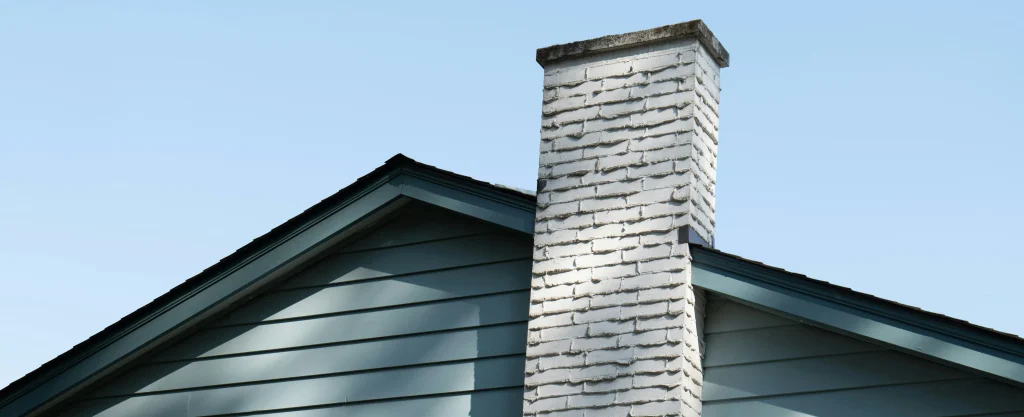
Yes. A chimney is not always required.
Many modern gas fireplaces use balanced flue systems, which can be installed through an external wall instead of using a chimney.
This gives homeowners more flexibility when adding a fireplace to newer homes, renovations, or extensions.
The main thing is making sure there’s a safe path for ventilation.
Does NSW Require a Licensed Gas Fitter for Fireplace Installation?
Yes. In NSW, gas fireplace installation must be carried out by a licensed gas fitter.
This includes:
- connecting gas lines
- pressure testing
- checking ventilation
- installing flue systems
- testing appliance performance
- issuing compliance paperwork where required
This ensures the fireplace meets Australian Standards and local gas safety laws. DIY gas installation is illegal and unsafe.
How Do You Know If Your Flue Has a Problem?
A damaged or blocked flue can affect both safety and performance.
Some warning signs include:
- unusual gas smells
- soot marks around the fireplace
- condensation on nearby walls or windows
- weak flame performance
- yellow flames instead of blue
- headaches or dizziness when the fireplace is running
If you notice any of these signs, stop using the appliance and have it inspected.
How Often Should a Gas Fireplace Be Checked?
Gas fireplaces should be professionally serviced at least once a year.
This helps check:
- burner condition
- flue blockages
- gas pressure
- ventilation performance
- carbon monoxide safety
Conclusion
So, does your gas fireplace need a flue?
In most cases, yes.
Whether it’s an open flue or a balanced flue system, proper ventilation is essential for safety, performance, and legal compliance. While flueless gas fireplaces do exist, they still need careful assessment and proper room ventilation.
If you’re installing a new gas fireplace, upgrading an old one, or concerned about your existing flue, it’s always best to speak with a licensed gas fitter.
At Lightning Bult, our licensed gas plumbers handle gas fireplace installations, gas leak detection, flue checks, and gas compliance work across Sydney. If you need advice or want your gas fireplace inspected, get in touch with our team today.