


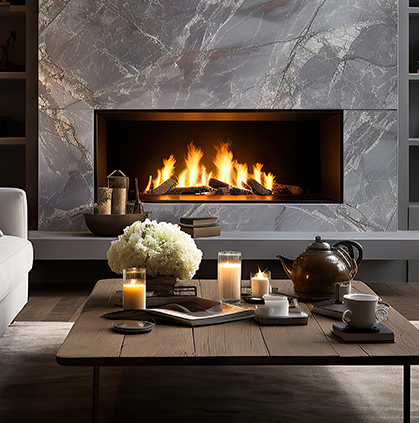


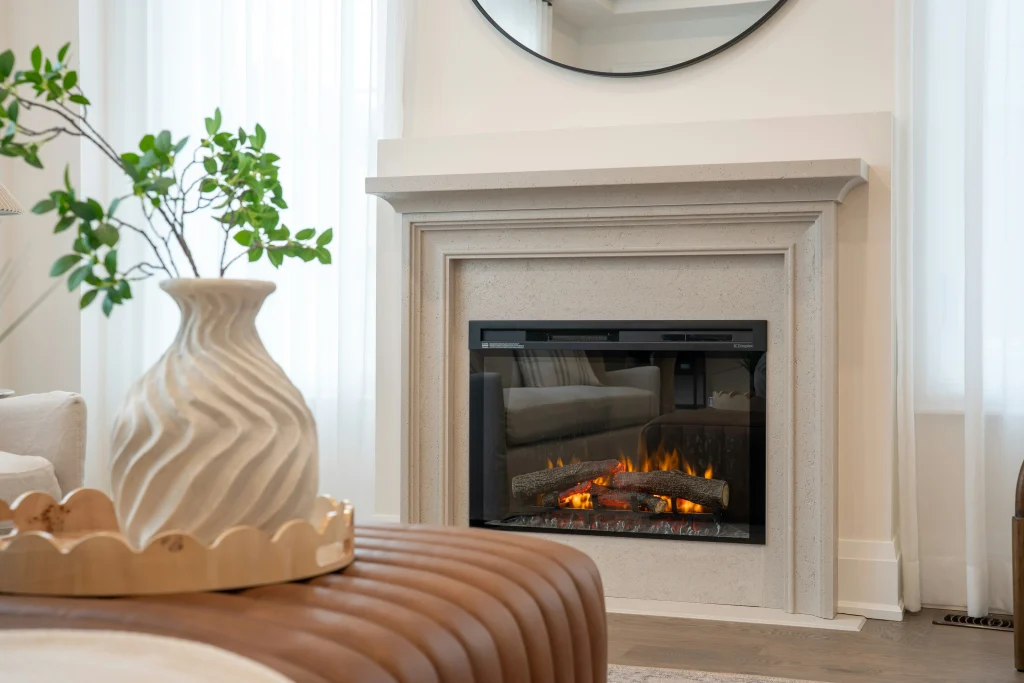
Gas fireplace safety is one of the most important things to consider before using or installing a gas fireplace in your home. While gas fireplaces are convenient, efficient and easy to operate, they still involve an open flame and gas appliances that require proper installation, regular maintenance and safe everyday use.
Whether you’ve recently installed a new gas fireplace or have owned one for years, understanding how to use it safely can help reduce the risk of accidents, improve performance and give you greater peace of mind.
In this guide, we’ll explain practical gas fireplace safety tips, common hazards to watch for, and when it’s time to arrange a professional inspection.
Why Gas Fireplace Safety Matters
Gas fireplaces burn natural gas or LPG to produce heat. When combustion is occurring correctly and exhaust gases are vented properly, they’re a safe and reliable heating option.
However, problems such as blocked flues, poor ventilation, worn components, or incorrect installation can affect performance and create potential safety risks.
Regular servicing and safe operation help ensure your fireplace continues to heat your home efficiently while protecting everyone in the household.
Essential Gas Fireplace Safety Tips
#1 Have Your Fireplace Professionally Installed
A gas fireplace should always be installed by a licensed gas fitter.
Professional installation helps ensure:
- gas connections are secure
- the appliance is correctly commissioned
- ventilation and flue requirements are met
- the installation complies with Australian regulations
Incorrect installation can lead to gas leaks, poor combustion, or reduced efficiency.
#2 Schedule Regular Servicing
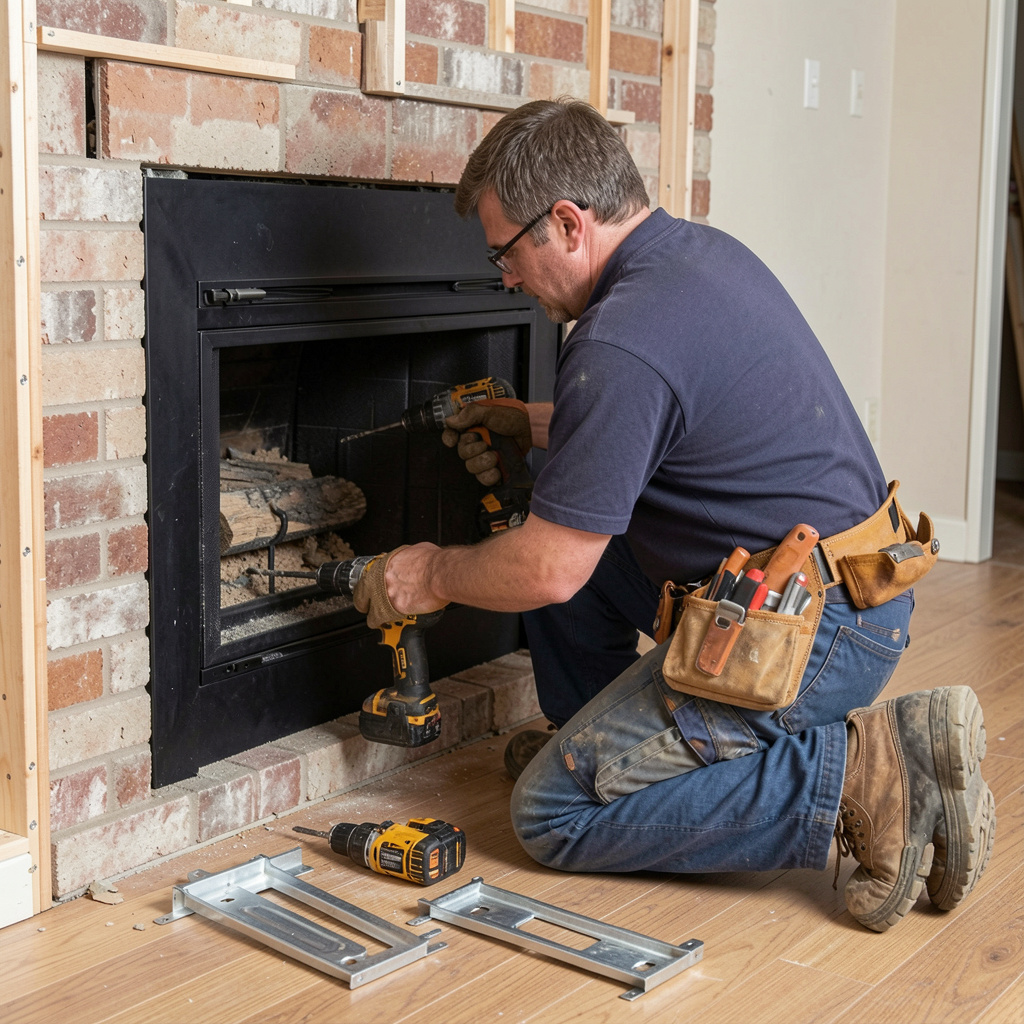
Like any gas appliance, fireplaces should be serviced periodically.
During a service, a licensed gas fitter can inspect:
- burners
- ignition components
- gas pressure
- flue condition
- ventilation
- seals and connections
Routine servicing helps identify worn components before they develop into larger problems.
#3 Keep the Area Around the Fireplace Clear
Gas fireplaces produce significant heat.
Keep furniture, curtains, rugs, cushions, and other combustible materials a safe distance from the appliance, following the manufacturer’s recommended clearances.
Avoid placing decorative items directly on or against the fireplace.
#4 Supervise Children and Pets
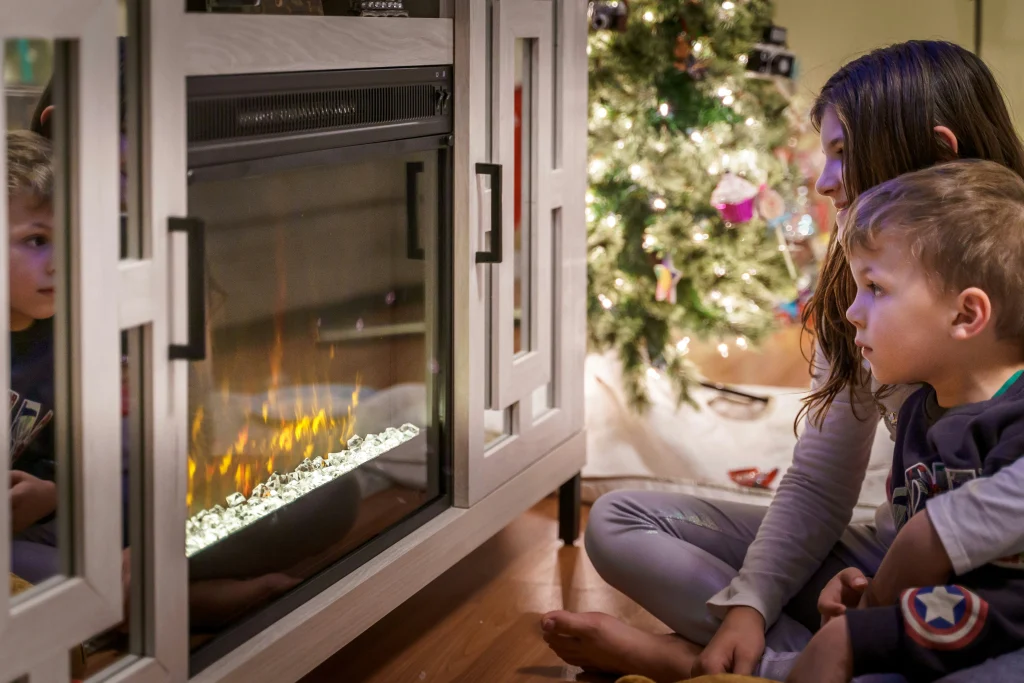
The glass on many gas fireplaces becomes extremely hot during operation and can remain hot even after the fire has been switched off.
Young children and pets should always be supervised around an operating fireplace.
If necessary, consider using a safety barrier to reduce the risk of accidental contact.
#5 Never Block Air Vents
Many gas fireplaces rely on proper airflow to operate safely.
Keep ventilation openings clear and avoid placing furniture or household items in front of vents.
Restricted airflow can affect combustion and reduce the fireplace’s performance.
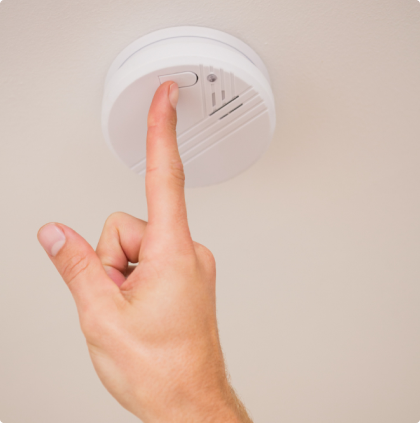
#6 Install a Carbon Monoxide Alarm
Although a properly functioning gas fireplace vents combustion gases safely, installing a carbon monoxide alarm provides an extra layer of protection.
Place the alarm according to the manufacturer’s recommendations and test it regularly to ensure it’s working correctly.
#7 Read the Manufacturer’s Instructions
Every fireplace model operates slightly differently.
Take the time to familiarise yourself with:
- lighting procedures
- shutdown instructions
- cleaning recommendations
- maintenance requirements
- safety precautions
Warning Signs Your Gas Fireplace Needs Attention
If you notice any of the following, stop using the fireplace and arrange a professional inspection:
- the smell of gas
- yellow or orange flames instead of blue
- soot around the fireplace
- difficulty lighting the appliance
- unusual noises
- the pilot light frequently going out
- excessive condensation nearby
- your carbon monoxide alarm activates
Safety Tips During Everyday Use
Simple habits can help keep your fireplace operating safely throughout winter.
Remember to:
- never leave the fireplace running unnecessarily
- avoid drying clothes over or near the fireplace
- keep the fireplace clean and free from dust build-up
- ensure the flue remains unobstructed
- avoid storing flammable liquids nearby
Using the fireplace responsibly helps reduce unnecessary risks.
FAQs
How often should a gas fireplace be serviced?
Most manufacturers recommend having your gas fireplace professionally serviced at least once a year, particularly before winter.
Should the flame be blue?
Yes. A steady blue flame generally indicates efficient combustion. Yellow or orange flames may suggest the appliance needs inspection.
Do I need a carbon monoxide alarm?
Installing a carbon monoxide alarm is recommended for homes with gas appliances, including gas fireplaces, as it provides an additional level of protection.
Can I clean my gas fireplace myself?
You can clean the exterior surfaces according to the manufacturer’s instructions, but servicing internal gas components should always be carried out by a licensed gas fitter.
Conclusion
Following good gas fireplace safety practices helps you enjoy reliable heating while reducing the risk of gas leaks, appliance faults, and carbon monoxide exposure.
Our licensed gas fitters provide gas fireplace servicing, gas leak detection, gas appliance inspections, and gas fitting services across Sydney’s Northern Beaches, North Shore, Eastern Suburbs, and Inner West.
If your fireplace is due for a service or you’re concerned about how it’s operating, contact our team to arrange a professional inspection.