





When your gas fireplace is not working, your living room gets cold fast. And this is frustrating when you need warmth the most.
The good news? It’s often just a dead battery or a dirty sensor, not a broken unit. But before you check things, you need to know what’s safe to do yourself.
This guide walks you through common problems, safe DIY checks, NSW licensing rules for gas work, and when to call licensed gas fireplace specialists for help.
Is It Safe to Troubleshoot a Gas Fireplace Not Working in NSW?
Only partially. You can safely do basic checks like making sure the gas valve is open or looking for blocked vents. But don’t try to repair or replace gas components yourself.
Under the Gas and Electricity (Consumer Safety) Act 2017, you must hire a licensed gasfitter for any work on your gas fireplace. That includes disconnecting it, adjusting controls, or fixing a bad flame.
What you can safely check yourself:
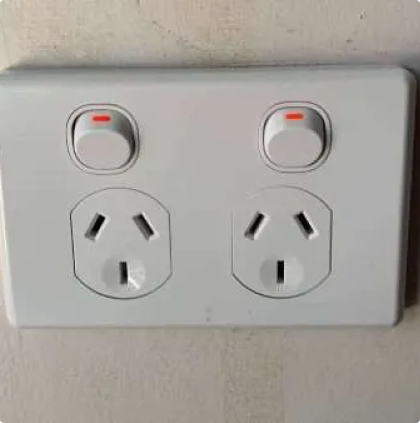
- Use household switches, remotes, and thermostats
- Replace batteries in remotes
- Check for blocked vents or visible damage
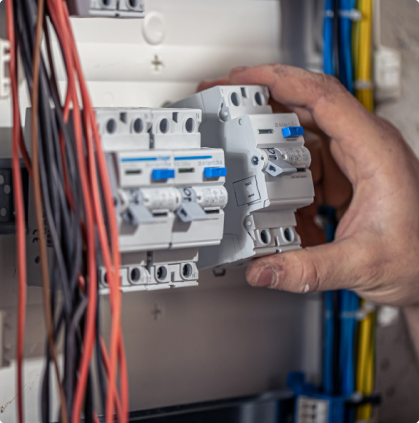
- Reset tripped circuit breakers or safety switches
- Follow your owner manual’s pilot-lighting instructions
What needs a licensed fitter:
- Open gas connections or removing sealed glass
- Cleaning pilot tubes or adjusting gas pressure
- Troubleshooting the pilot assembly, thermocouple, gas valve, or burner internals
- Anything involving the gas line itself
So why the hard line? If you fix a gas valve yourself, it doesn’t fail quietly. It leaks gas or carbon monoxide into your home with nowhere to vent. A slow leak can hide in your walls for months. That’s when it gets dangerous.
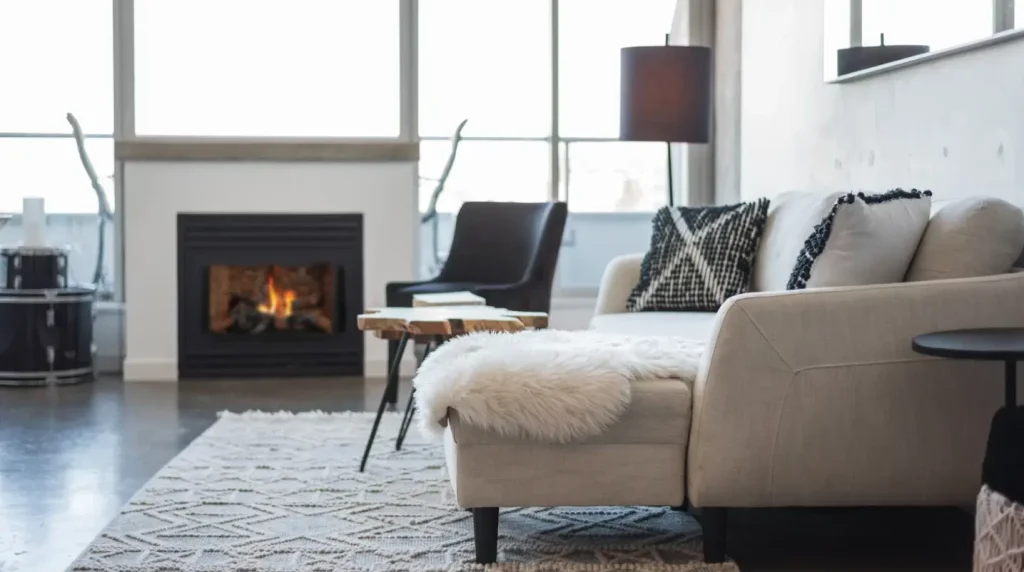
Image: Suzanne Rushton on Unsplash
Common Reasons a Gas Fireplace Stops Working
These are the common problems when your gas fireplace is not working:
1. No Gas Supply or a Closed Valve
A fireplace won’t ignite without the correct gas supply and pressure. So, you can check the gas isolation valve near the fireplace. On a standard quarter-turn valve, the handle is in line with the pipe when it’s open.
If your stove and gas hot water aren’t working too, then it may not be the fireplace. You’ll need to check for a network outage or a gas supply interruption.
Running on LPG? Please check if the cylinder’s empty. Swapping a detachable cylinder isn’t one of the gas tasks you should do unless it’s allowed by the product instructions and local rules.
Remember, only perform safe visual checks. Don’t loosen fittings, disconnect pipework, or reopen isolated valves. Call your gas provider or a licensed fitter if there’s a supply issue.
2. The Pilot Light Has Gone Out
A pilot light is a small flame that ignites the burner and tells the valve it’s safe to release gas. Not every fireplace has one as many modern units use electronic ignition.
If your gas fireplace has a standing pilot, it might go out after sitting idle through a Sydney summer. Dust, draughts, or months of inactivity cause this.
You can relight it by following the manufacturer’s instructions on the unit or in the owner’s manual. But, don’t remove panels or improvise the lighting sequence.
What if the pilot won’t stay lit after a few attempts of the manual’s limit? Then stop trying. The fault could be the pilot assembly, gas supply, or flame-sensing system, which needs a licensed gas fitter.
3. A Faulty Thermocouple or Thermopile
Here’s the component behind most of those repeat pilot failures. The thermocouple or thermopile is a small sensor that tells the gas valve it’s safe to stay open. No signal means no gas flow, even if the pilot itself is lit.
It’s the classic explanation for a pilot that lights but the main burner won’t fire up, or a pilot that keeps extinguishing no matter how many times you relight it.
Cleaning or replacing it is licensed gas work in NSW. Don’t attempt it yourself. You need a gas fitter to test it properly and replace it if needed.
4. Tripped Circuit Breaker or Flat Batteries
If your fireplace runs on electronic ignition, a remote, or a wall switch, electrical faults are worth checking before you assume the worst.
Flat remote batteries stop the signal leaving your hand. Flat receiver batteries stop the unit hearing it. So, replace the batteries in the remote and accessible receiver first.
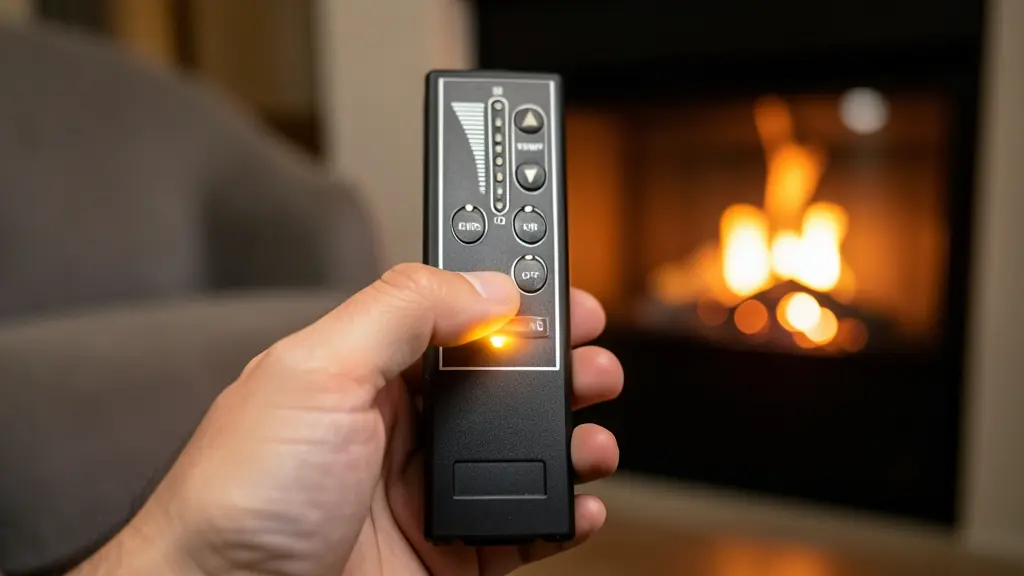
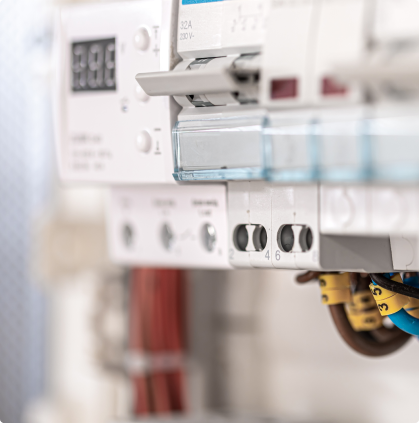
Then check the switchboard and reset the fireplace circuit once if it’s tripped. If the breaker or safety switch trips again, leave it off and arrange an electrical inspection instead of repeatedly resetting it.
Our guide to why your safety switch tripped explains the basic reset process and what repeated tripping can mean.
5. Blocked Burner Ports or a Dirty Pilot Assembly
Dust and spider webs build up fast when you don’t use your heater over summer. They block gas flow through the burner ports without you ever seeing it happen.
These components sit inside the gas appliance. Don’t insert wire into the burner ports, blow compressed air through the pilot tube, or remove internal parts to clean them.
A licensed gas fitter must handle gas appliance repairs under NSW law. Compressed air, bent wire, or a vacuum nozzle can dislodge something that then fails dangerously rather than safely.
6. A Faulty Gas Valve or Control Module
It’s a rare fault, but don’t treat it as a “last resort.” A failing gas valve, a fried ignition module, a receiver that’s stopped pairing, or a safety lockout from repeated failed attempts can all look the same from the outside.
That’s why you need a technician with test equipment and the model’s service data. Don’t guess based on which part looks old.
Warning Signs Which Mean You Should Call a Professional Immediately
Some fireplace issues are worth a service call. If you see these signs, go straight to “get help now”:
- Rotten-Egg Smell — You have a gas leak. Don’t ignore it. If safe, shut off the gas and open all windows and doors. If the smell is strong, leave at once. Call Jemena at 131 909, then call a gas leak repair service.
- Yellow or Orange Flame — A blue flame means clean combustion. Yellow or orange flames signal incomplete combustion and a buildup of carbon monoxide. Stop using the fireplace immediately. A licensed gas fitter needs to test it and diagnose the cause.
- Heavy Soot Build-up — Healthy gas fireplaces produce almost no soot. If you see black build-up on the glass, logs, or firebox, your air-to-fuel ratio is off. This points to incomplete combustion and a carbon monoxide risk.
- Fails to Light or Shuts Off — If it won’t light after a few tries, or if it shuts down unexpectedly while running, the safety system is working to protect you. Stop trying. A licensed gas fitter must test the ignition, flame signal, and gas valve. Book an inspection before you use it again. Ring us at (02) 9905 8800 or book online.
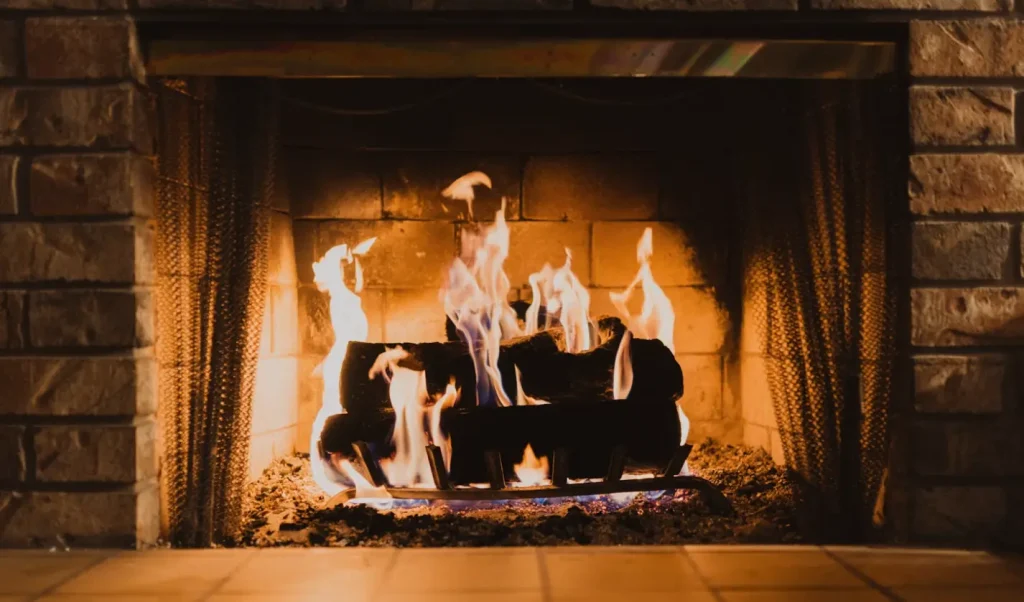
Image: Hayden Scott on Unsplash
What to Expect When You Call Lightning Bult for a Gas Fireplace Repair
If your gas fireplace is not working after basic checks, you’ll need a licensed technician. Lightning Bult’s team is ready, with expertise in brands like Lopi, Real Flame, Regency, and Jøtul.
When you call, don’t hesitate to give us the details like “The pilot Lightning Bult but dies when I release the control”. That helps us understand the likely fault and make the on-site diagnosis more efficient.
On-site, we’ll check the issue and run safety and diagnostic tests, inspecting the:
- Gas supply and appliance isolation
- Pilot ignition and flame quality
- Thermocouple, thermopile, or flame-sensing
- Ignition modules and wall-switch circuits
- Gas pressure vs. manufacturer specs
- Flue integrity, ventilation, and CO performance
You’ll receive a fixed, flat quote before work starts, with labour and parts listed separately to avoid surprises. Once finished, we’ll lodge your required gas certificate via BCNSW eCert.
Every job includes a lifetime workmanship guarantee and a one-year manufacturer warranty on parts. You can book via our gas fireplace repair service page.
We’ve proudly served over 6,745 clients and hold a 4.9/5 rating from 400-plus Google reviews. Our 24/7 breakdown support covers the Northern Beaches, North Shore, Eastern Suburbs, and Inner West.
How to Prevent Gas Fireplace Breakdowns Before Next Winter
Ignoring your gas fireplace all summer is a recipe for a frustrating first cold night. When parts sit idle for months, dust clogs the pilot, spider webs block burner ports, and electrical connections corrode.
Use this checklist to start safe and avoid expensive emergency repairs:
- Clear debris — Wipe louvres and glass to prevent dust from baking on and smelling like soot.
- Visually check the pilot — Gently vacuum bottom vents to remove cobwebs or dust that block ignition.
- Run it occasionally — Don’t let your fireplace sit idle from October to May. Turn it on for 5 to 10 minutes in mid-January.
- Book early — Don’t wait for the winter rush when technicians are swamped.
To automate upkeep, many Sydney homeowners join our Homeguard maintenance membership. It handles scheduling, so your fireplace stays efficient, safe, and ready to heat your home the second you need it.
Image: Kelli McClintock on Unsplash
If you’re checking your home heating systems before the season changes, look at our heat pump not heating guide to make sure your property is winter-proof.
FAQ About a Gas Fireplace Not Working
The questions Sydney homeowners ask most when their gas fireplace is not working:
Can I relight my own gas fireplace pilot light in NSW?
Check your manual first. If it says it’s okay and you don’t smell gas, you can do it. But if it won’t stay lit after the tries your manual lists, stop and call a licensed gas fitter. Repeated failure points to a component fault.
Why does my pilot light stay lit but the main burner won’t ignite?
You’re likely dealing with a weak thermopile signal, a wall-switch or receiver fault, or a control-circuit issue blocking the command to the main valve. Since this involves gas or electrical work, you’ll need a professional.
Is a gas smell from my fireplace always an emergency?
Treat any gas smell as an emergency. Ventilate the area, don’t touch switches, and leave if the smell is strong. Call 000 for the NSW Fire Service. Next, contact your gas supplier (Jemena 131 909) and a licensed gas fitter.
How often should a gas fireplace be serviced in Sydney?
It depends on the manufacturer, model, and usage of your unit. Check your appliance manual first. And then contact Lightning Bult for a service schedule made for your specific fireplace.
What does a gas fireplace repair cost in Sydney?
Repair costs depend on the diagnosis. Variables include attendance time, fees, and your fireplace’s make and model. Contact Lightning Bult for an accurate quote. We’ll agree on pricing before starting any work.
Gas Fireplace Still Not Working?
Most gas fireplace issues come down to a few things like gas supply, flame sensing, and electrical control.
Knowing what you can check yourself versus what needs a professional is the fastest way to get your home warm again, without unnecessary risk.
If you’ve tried the basics and your fireplace still won’t light, it’s time for a professional. Lightning Bult‘s gas experts service all major brands across the Northern Beaches, North Shore, Eastern Suburbs and Inner West. Book a service call today.