




When your utility bills spike, it’s easy to blame rising energy tariffs and move on. But that can be a costly mistake.
Using the wrong pool heating system or one that’s the wrong size can waste thousands of dollars a year without you even realising it.
This article shares commercial pool heating tips to help facility managers lower daily running costs, make equipment last longer, and know when to call a specialist for pool heating installation or maintenance.
Tip 1: Choose the Right Heating System for Your Facility Type
Most facilities get this wrong. They choose the most efficient pool heater on paper, then wonder why their bills stay high.
Keep in mind, a swim school open six days a week doesn’t need the same setup as a boutique hotel pool that stays quiet midweek but is guest-ready by Friday.
Please note that there are four main heating systems for commercial pools you can choose from:
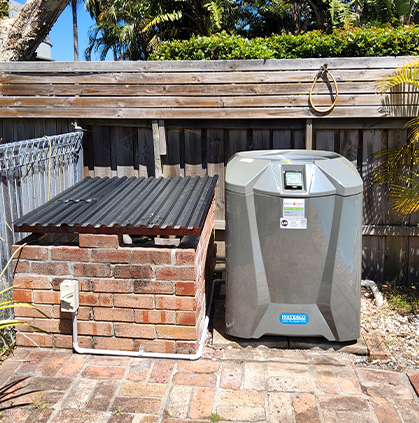
- Heat Pumps
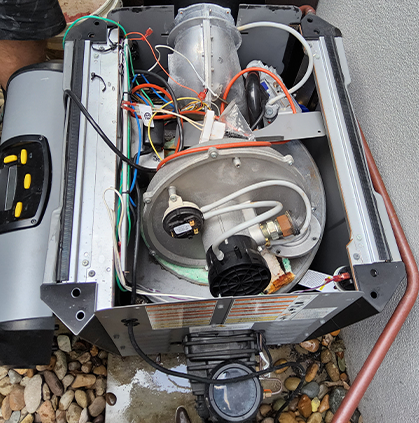
- Gas Heaters
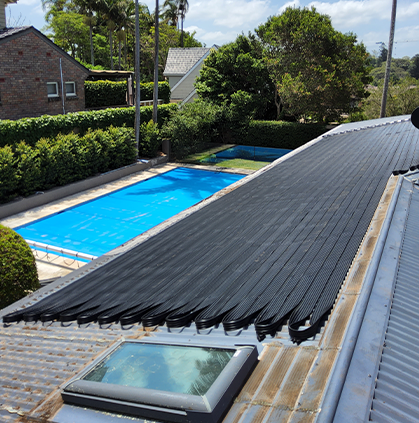
- Solar Heaters
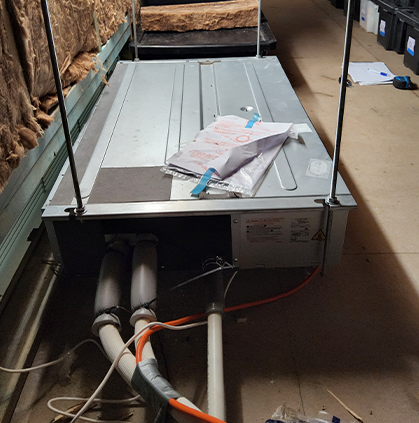
- Heat Exchangers
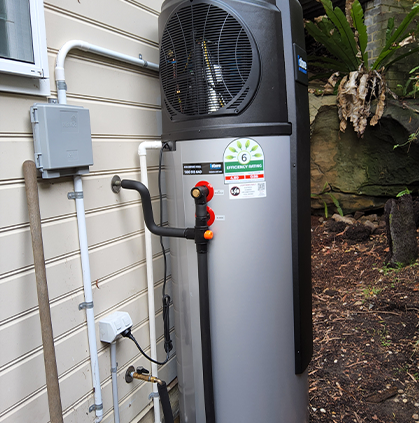
Running your facility all year? A heat pump is a top choice. Swim schools, aquatic centers, hotels, gyms, and health clubs that never close all benefit from them.
Modern commercial units using R32 refrigerant can reach a COP of up to 15.8. That means for every 1 kW of electricity it uses, you get up to 15.8 kW of heat.
You’ll see lower energy bills, fewer peak demand fees, and you won’t need expensive electrical upgrades.
Why is that efficient? Think of it like a fridge working in reverse. Instead of burning fuel, it pulls heat from the air and puts it into your pool water.
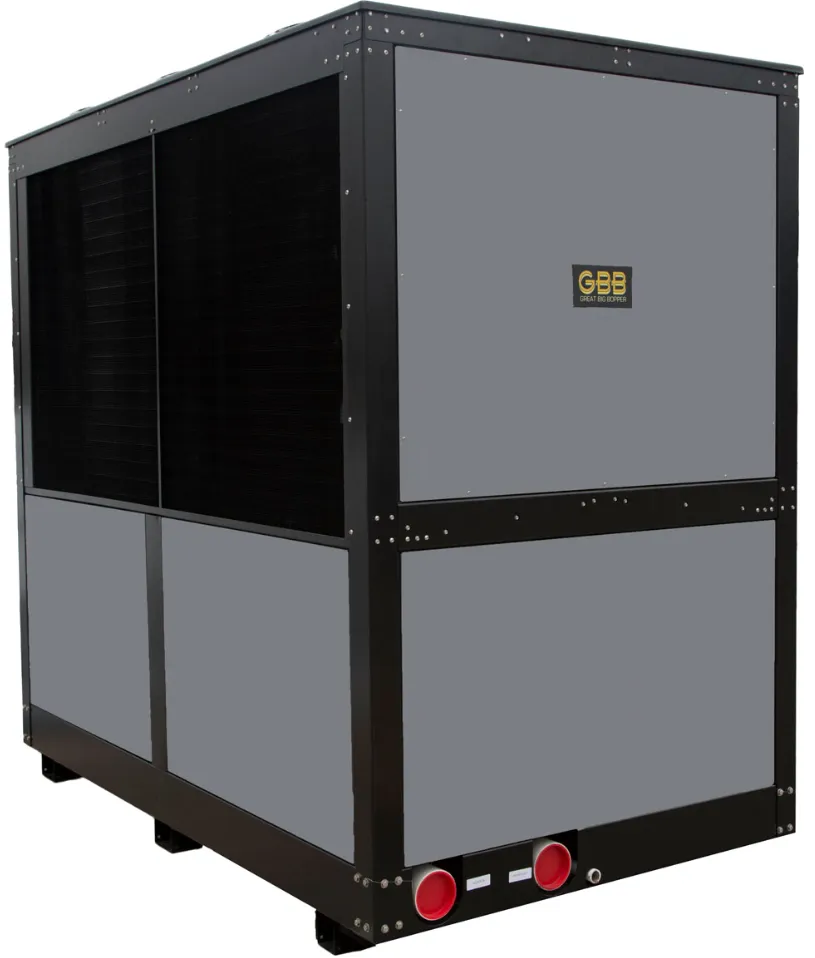
Image: Aquacal
What about gas heaters? They’re your best bet for fast heat on demand. They’re the sprinters of the group.
They heat water quickly. That’s why they’re perfect for boutique hotels, event spaces, commercial spas, and pools that sit unused all week but need to be warm for weekend guests.
The trade-off is the cost to run them.Talk to your gas pool heater service if that’s the system you’re going with. But, you must not use this as the only heat source for a busy commercial pool.
Solar pool heating cost is the one of the lowest. But just like gas, it won’t be the right option for a commercial pool in Sydney as a single system.
Roof panels absorb heat from the sun as water circulates through them. Once they’re installed, your running costs stay low.
But this heating system only works when the sun is out. If you rely only on solar, it’s hard to keep the water warm when people want to swim in July.
Heat exchangers work well if you already have heating infrastructure. This is common in big hotels, nursing homes, or apartment buildings.
If your facility already generates heat, you might not need a separate pool heater. A titanium heat exchanger pool heating can move that existing heat into your pool water.
But, keep in mind that the best setup is often a combination of systems.
A rooftop solar setup with an inverter heat pump is a perfect example. During peak daylight, solar handles the load. At night, the heat pump maintains the temperature without the high energy costs of a single system.
Tip 2: Size Your System to Match Commercial Demand
An undersized pool heating system costs more than most facilities expect. It runs longer and struggles during peak bather periods. Plus, it wears out key component parts sooner than planned.
What about oversizing? That’s not ideal either. You pay for capacity you may never use.
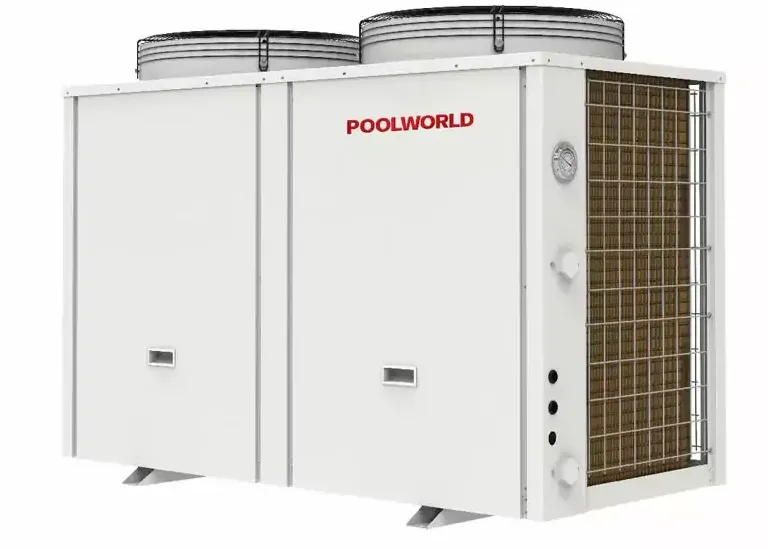
Image: Poolworldheatpump
Accurate sizing is the only real answer, which is why you should always have a licensed commercial pool heating service check your system size before buying any equipment.
Also, you might think sizing a commercial pool is just checking a brochure for water volume. It’s not. You have to look at the surface area, target temperature, operating hours, local wind exposure, and even bather load.
Let’s take a standard 25-metre lap pool holding roughly 375,000 litres. For that size, you would typically need a commercial heat pump with an output between 120 and 190 kW.
Why a 70 kW gap for the same water volume? An indoor gym pool loses heat differently than an outdoor hotel pool on an exposed rooftop with coastal winds.
Keep in mind, output isn’t the same as electrical draw. A 190 kW unit can pump out 190 kW of heat while only pulling 32.8 kW of electricity.
Remember, you’re not billed for the heat going into the pool. You’re billed for the electricity that runs through your meter.
Tip 3: Use a Pool Cover to Dramatically Reduce Heat Loss
To cut running costs, facility managers typically focus on plant rooms and mechanical upgrades. They look at complex equipment, treating simple deck tools like pool covers as afterthoughts.
But did you know evaporation is responsible for about 70% of your pool’s heat loss?
To put that in perspective, an uncovered 500-square-metre commercial pool holding 500,000 litres can drop 2°C to 4°C overnight during a cool month in Sydney.
And to regain those degrees the next morning, your heater must run at full blast for hours. And that uses a tonne of power.
But if you use a fitted commercial thermal cover, it’s like putting a lid on a pot. You’ll trap that heat and cut your monthly heating bills by 30% to 40%.
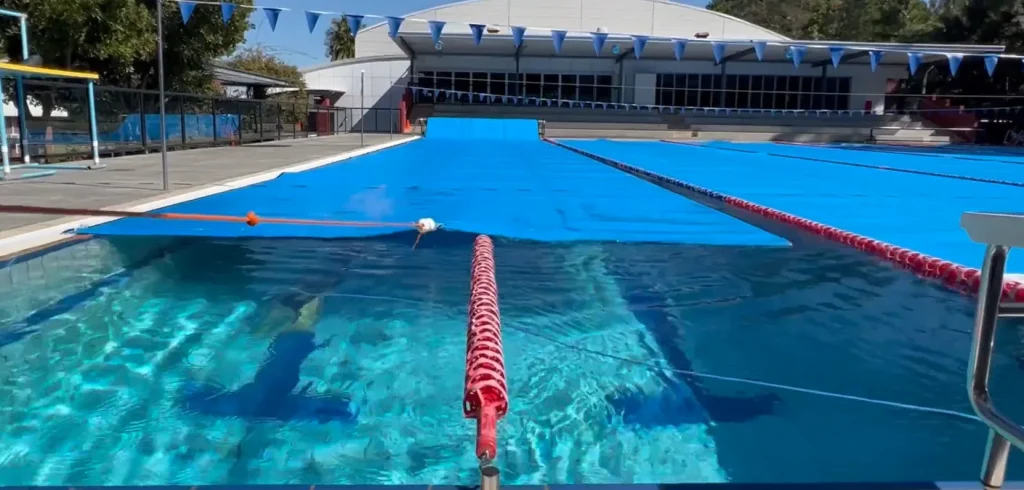
Image: YouTube Maytronics Australia
But sometimes, the real challenge for commercial pools isn’t the thermal blanket’s cost, but getting your team to use it. Asking your staff to drag a heavy, wet cover over a 500,000-litre pool after a long shift is a safety risk.
So, the job usually just gets ignored. To solve this, you can use a motorised roller or automated system.
Tip 4: Set Smart Heating Schedules and Temperature Targets
When was the last time you checked your pool’s temperature schedule? Many Sydney facilities still run on a fixed 24-hour schedule. They keep the thermostat at 28°C all day and night, all year long.
This may seem right, but it wastes money. Your pool doesn’t need peak swimming temperature when the building is empty.
When you lower your water temperature by just 1°C, you can cut your heating energy use by about 5% to 8%. It’s an easy way to save money, especially if you run facilities with long operating hours.
If your gym or hotel pool closes from 10:00 pm to 5:30 am, lower the water temperature by 2°C overnight to prevent the heater from overworking.
But, make sure you pre-heat to the full setpoint 1–2 hours before opening. Modern commercial heat pump controllers can automate this.
Temperature targets must also be sensible. Pool water can’t exceed 38°C. Below that, temperatures are operational decisions based on pool type, comfort, programming, and energy costs.
- Lap and fitness pools: 26–28°C
- Leisure and resort pools: 28–30°C
- Learn-to-swim pools: 30–32°C
- Hydrotherapy and rehabilitation pools: 32–35°C

Image: prostooleh on Unsplash
Tip 5: Maintain Your System to Avoid Costly Downtime
Commercial heaters rarely give warning before breaking. On a cold Monday, the system might not start, leaving your staff to deal with a freezing pool and angry customers.
And the only way to avoid this is to set a strict service rhythm and stick to it.
Busy facilities like public aquatic centres need a professional check every six months. Their bather load is high, and the heating plant works incredibly hard.
For hotel pools, gyms, and retirement homes, get at least one service a year. Make sure to pair it with a check-up in March or April before winter starts.
What does a professional commercial pool heating service include?
- Coil cleaning
- Refrigerant charge checks
- Electrical connection inspection
- Water flow switch testing
- Heat exchanger leak checks
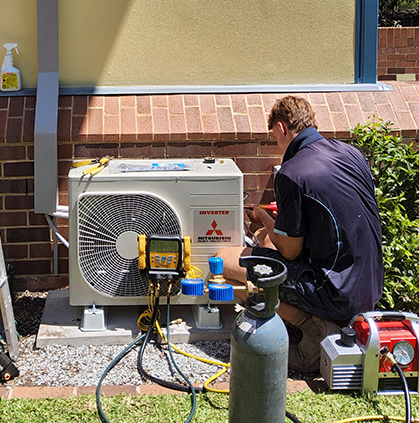
The refrigerant check is where many facilities make mistakes. You need a technician licensed under AS/NZS 5149 standards to handle this diagnostic and repair work.
Don’t let your general building maintenance team do it. It’s not a job for the person who fixes your pumps and taps.
Tip 6: Shift Your Heating Load to Off-Peak Hours
Still looking to cut your commercial pool heating costs? Shift your heating to off-peak hours. That’s how to heat a swimming pool efficiently.
Run equipment when power is cheap and turn it off during price spikes. It sounds obvious, but many Sydney facilities still run their plant rooms 24/7, using power whenever the controller calls for heat.
In fact, you can’t ignore the huge price gap between Sydney’s networks.
Take a look at Ausgrid’s Small Business Time-of-Use plan (EA225). Your off-peak rate is about 5.90 ¢/kWh, but your peak rate jumps to 39.76¢. That means you pay nearly seven times more for the exact same electricity.
And if you run a larger commercial site on the EA305 tariff and use between 160 and 750 MWh a year, you’ll see a big price difference. You pay 8.23 ¢/kWh during peak hours, but just 1.85 ¢/kWh when demand is low.
The plan is simple. Heat your pool at night when electricity is cheap. Once it reaches your target temperature, cover it to keep the heat in. You’ll have a warm pool ready by morning.
Image: Humphrey M on Unsplash
Tip 7: Understand Your Actual Compliance Obligations
Public pools have to follow the Public Health Act 2010 and Regulation 2022. You need to test the water quality every day and keep the records for six months.
Do you run learn-to-swim or hydrotherapy pools? Then, keep an eye on the temperature, as warmer water affects both comfort and the risk of germs.
When you set up or upgrade gas pool heaters, hire a licensed gasfitter. They need to make sure the supply lines can handle the load.
Also, check the heater’s compliance plate. Then, make sure your gasfitter logs a certificate of compliance through BCNSW eCert within five business days.
For electric heat pump pool heating, a licensed electrician must install everything to meet AS/NZS 3000 standards. This is a must for commercial facilities to stay on top of WHS rules.
Frequently Asked Questions
Here are the questions people ask most about heating commercial pools (especially in Sydney):
What’s the most energy-efficient way to heat a commercial pool in Sydney?
For optimal heating, use an inverter heat pump with hot-gas defrost, rooftop solar, and a thermal pool cover.
If you have a boiler, check the heat exchanger. It may replace the need for a heat pump. You can use it to minimize costs with off-peak scheduling.
How much does it cost to heat a commercial pool in Sydney?
Heating a 25-metre pool with a high-efficiency inverter heat pump costs $8,000–$20,000 a year.
You can reduce costs with a pool cover, off-peak operation, and a high-COP unit. Without a cover, costs rise, and gas heating may cost more. For an accurate estimate, book a professional energy audit.
How often should a commercial pool heating system be serviced?
Swim schools and public pools need checks every six months. Hotel and gym pools need yearly inspections, plus extra checks before April. Coastal facilities need service more often.
Can I use a residential heat pump on a commercial pool?
No. Residential units aren’t built for commercial duty cycles, bather loads, or daily run times. They will fail fast and struggle to maintain temperature during peak use. So, stick to commercial gear.
Do I need a licensed contractor for commercial pool heating installation in NSW?
Yes. Licensed gasfitters handle gas work. Electricians install heat pumps. Both must follow Australian Standards and NSW WHS obligations.
Lightning Bult’s team includes licensed gasfitters and electricians who handle commercial pool heating installations across Sydney
Conclusion
Commercial pool heating doesn’t have to be costly. The right system, proper sizing, pool covers, and regular maintenance can reduce running costs.
Remember, each facility is unique. Hotel pools’ needs differ from swim schools. The fastest way to find where your setup is losing money is a site assessment from a specialist who knows commercial pool heating.
Lightning Bult’s licensed team installs and services heat pumps, gas heaters, solar systems, and heat exchangers across Sydney. Get in touch for a no-obligation quote.