


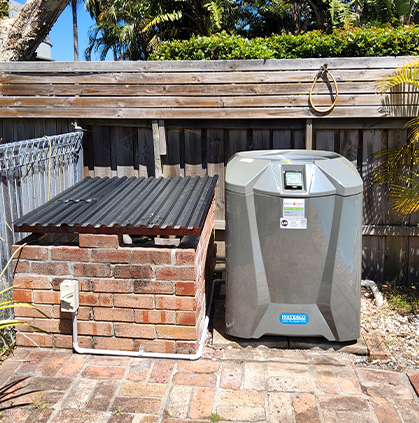

You’ve just unrolled your new solar blanket on the deck. The packaging is already in the bin. Then you freeze. “Wait, both sides look identical. Does it matter if the pool cover bubbles up or down?”
Yes. Getting it wrong can cost you hundreds in lost heat and wear out your cover faster. That’s the last thing you want with your solar pool heating set up.
That’s why this guide will explain the science of heat transfer and how the right orientation boosts pool heating. Keep reading!
Why Bubbles Down Is the Right Answer
The solar blanket works best when air pockets contact the water. Heat transfers by conduction from the warmer air into the cooler water below.
So, how does it work? A flat, clear layer sits on top, letting sunlight through. Beneath it, each bubble traps a small pocket of warm air, sending that heat straight into the water.
Flip the cover and the logic breaks. Sure, the bubbles still warm up, but now they face the sky, bleeding much of that heat into the air.
That way, the flat layer then floats between the warm pockets and the water, acting as a weak barrier. So yes, you still have a cover, but you lose the design advantage you paid for pool heating.
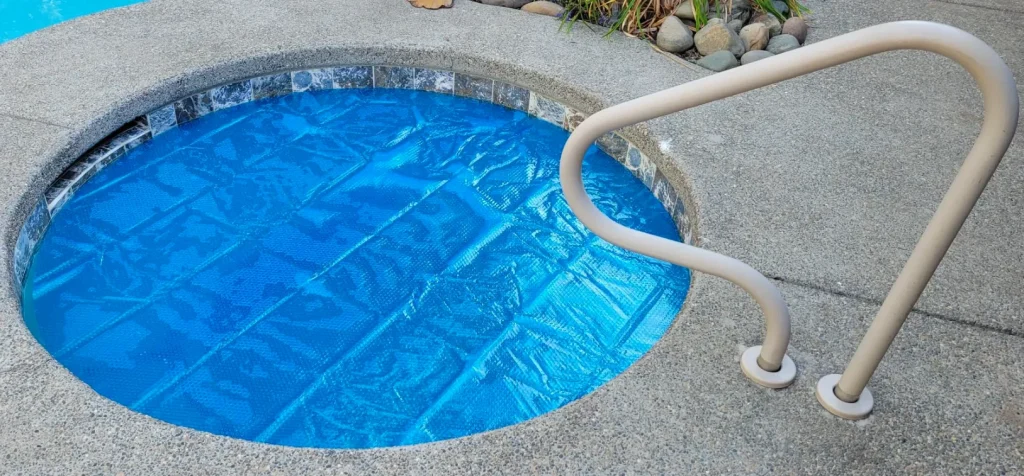
Image: Amazon @Gary
Think of it this way: the bubbles are tiny solar collectors glued to the underside of a skylight. The skylight brings in sunlight, the collectors store the heat and pass it down into the pool.
So, mounting the collectors on the exterior facing open air defeats the purpose.
And don’t ignore this: if your pool cover bubbles up, the sun bakes it and traps heat. As air expands, bubbles burst. What looks like UV damage or an early “cheap cover” failure is often the cover being run upside down.
Don’t forget the insulation side, too. Your solar pool cover can cut down evaporation, trap warmth and help the pool keep the heat it gained during the day.
For a Sydney pool, this matters even more. Strong sun can heat the blanket during the day. But evaporation can strip that heat back out fast and you’re left without the ideal pool temperature.
Does Bubble Orientation Matter for Overnight Use?
You might ask, when the sun goes down, does it still matter if the pool solar cover bubbles up or down? It does. But the cover switches roles.
During the day, it collects solar heat. Overnight, it works as an insulation lid. And since there is no sun to capture, the goal becomes simple: protect the warmth already in the water.
What’s interesting is that, for overnight heat retention alone, the performance difference is smaller than it is during the day. But bubbles-down still wins.
If the bubbles face up at night, cold wind passes through the exposed channels, cooling the air pockets and pulling heat from the water below.
With the bubbles down, the flat side stays on top. That way, cold winds slide right over it. The air pockets underneath act like a thermal shield, stopping evaporation and heat loss.
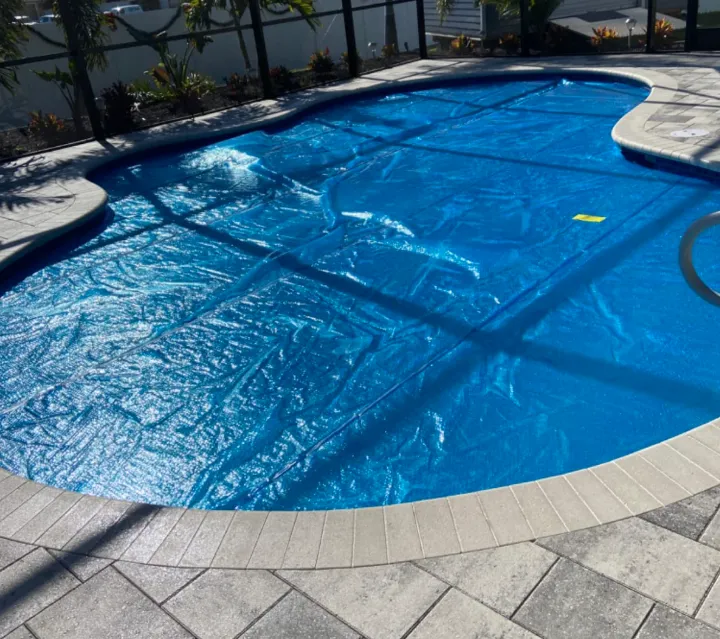
Image: Amazon
For a Sydney pool, this overnight barrier can mean the difference between “fine” and freezing. Winter heat loss can pull water temperature down 2–3°C before dawn.
So, yes, bubbles down is still a habit to keep. It puts the cover in its designed position.
That also means you never have to flip it back before sunrise. So, the pool is ready to catch the first morning heat the moment the sun hits the blanket.
What About Thermal Pool Covers?
Thermal pool covers are different products, built on a completely different concept. They’re made from closed-cell polyethylene foam, often topped with UV-stabilised polyfabric.
A thermal pool cover is heavier and more rigid on the water. And because its surface is solid, there are no bubbles to point up or down.
One thing is for sure: thermal covers don’t collect solar heat. No sunlight passes through the material. So, while the cover is on, the pool gets no free daytime warming from the sun.
Instead, a thermal cover helps stop heat loss. Think of it as a thick lid that keeps the warmth already in the pool, rather than adding heat from above. So, this is great for a heated pool in winter.
And without bubbles to guide orientation, the setup follows a different logic. Thermal cover orientation depends on the product itself.
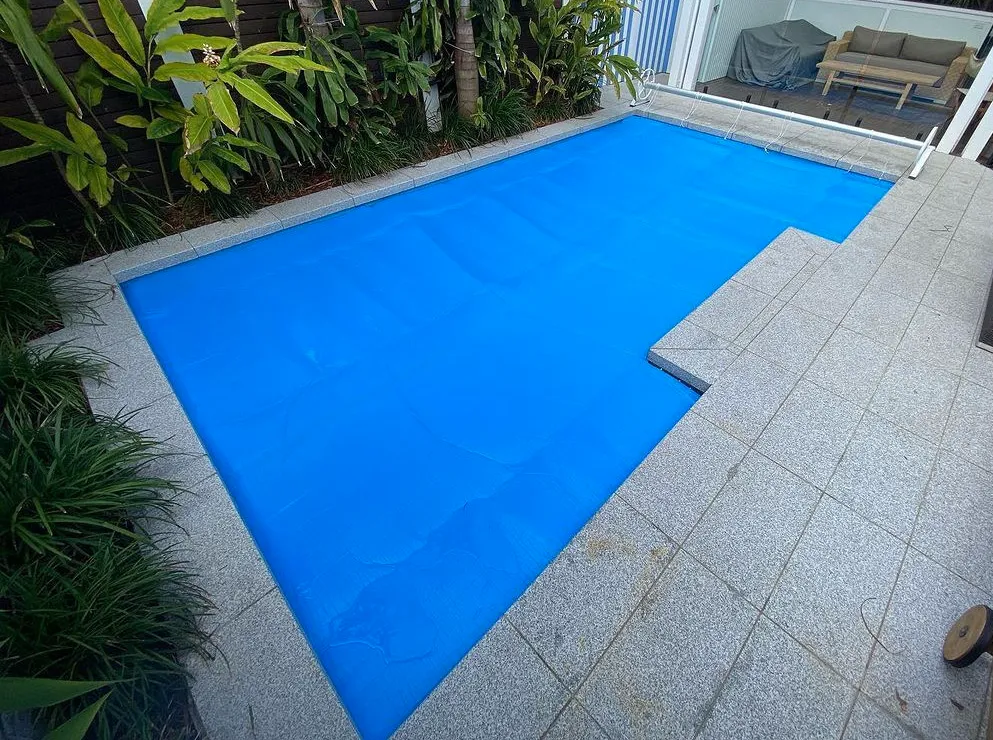
Image: daisypoolcovers
Some brands have a reflective foil layer that faces upward. Others have no reflective layer. So, check the manufacturer’s instructions first.
With all that said, the trade-off is clear. A solar bubble cover lets sunlight through to warm the water in the day, while a thermal foam cover blocks the sun and protects the heat already in the pool.
Solar bubble covers remain the top choice for Sydney residential pools. They’re affordable and lightweight, and they perform extremely well across our long spring-to-autumn season.
What about the cost? Quality bubble covers with a manual roller usually cost $500–$1,500 and last 3–7 years. Thermal covers with a heavy-duty roller are $2,000–$5,000 and typically last 5–10 years.
FAQ About Pool Cover Bubbles and Installation
Here are the questions Sydney pool owners most commonly ask about pool cover orientation and use:
My cover looks the same on both sides. How do I tell which has the bubbles?
Run your hand across both surfaces. The bubble side is raised and bumpy. The flat side is smooth.
Want a second check? Read the manufacturer’s label or instruction tag. Most brands print orientation guidance on the cover. Two-tone covers follow the same rule.
Can I leave my pool cover on during the day?
Yes. And most of the time, you should. During daylight, the cover collects solar energy and heats the water. Leave it on whenever the pool isn’t in use.
The main exception is shock treatment. High chlorine and heat under a cover accelerate material degradation. After shocking, leave the cover off for 24–48 hours, or until chlorine levels drop below 2.5 ppm.
Does the colour of a pool cover affect how it works?
Clear covers allow maximum solar radiation. This reduces absorption by only 5%. Dark covers block up to 40% of energy, while light blue offers a popular balance of heat without significant chemical loss.
Keep in mind, even though clear covers heat faster, they increase UV exposure, which can accelerate chlorine breakdown by 35% hourly without stabiliser.
Does a pool cover work alongside a gas or heat pump heater?
Yes, and that’s how to heat a swimming pool effectively. Using a solar bubble cover on your heated Sydney pool adds up to 8°C of warmth.
By stopping up to 97% of evaporation, it traps heat overnight and cuts your annual heating costs by about 50–67%. And that drops running expenses from roughly $1,200–$2,400 down to $400–$800.
Conclusion
The bubbles-down rule is one of those rare cases where the right answer is also the simple answer. Bubbles face the water. No exceptions for solar covers.
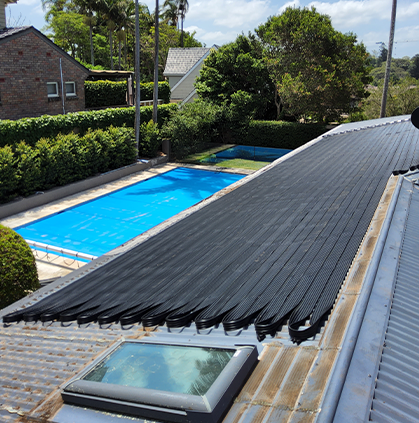
Over a Sydney season, this habit pays off with warmer water, lower bills, and a cover that lasts years longer. Pair your solar blanket with solar, heat pump, or gas heating to swim well beyond the summer months.
Need advice on the right heating system for your pool? Lightning Bult‘s pool heating team can help you choose, install, and maintain the right setup, from heat pumps and gas to solar pool heating in Sydney.