



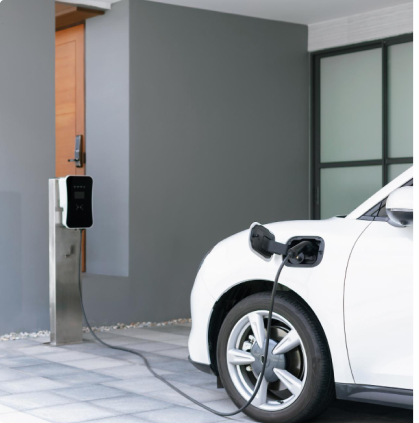

Once you choose your EV charger, the next question is: who can legally install it? In NSW, connecting a charging circuit is licensed work. So, you need a licensed electrician for EV charger installation.
No. A general handyman can’t do this job. It involves high electrical loads and mandatory compliance reporting.
And a proper home EV charger installation needs continuous load calculations and switchboard checks. So, here’s how to check your technician before you book.
Do You Need a Licensed Electrician for EV Charger Installation?
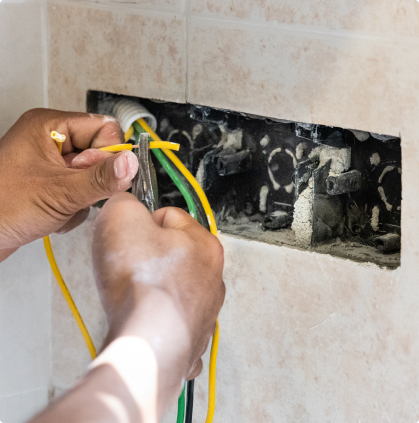
Yes. Installing a fixed EV charger (EVSE) is electrical wiring work in NSW. A licensed electrical contractor must install and test it on a dedicated circuit, in line with AS/NZS 3000:2018.
Before you book, check the contractor’s NSW electrical licence on the NSW Fair Trading public register. That confirms they’re licensed to do the work.
But, a licence won’t tell you whether they have EV charger experience.
NSW doesn’t require a separate EV installer accreditation. So ask if the electrician has installed similar chargers and will check your switchboard capacity before quoting.
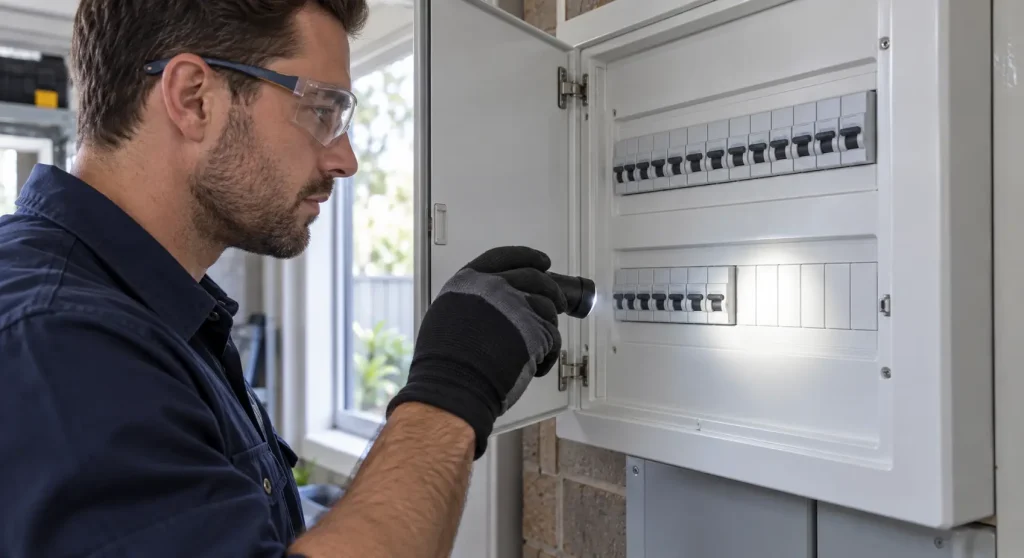
These checks help you choose the right contractor before work starts.
Once the installation is tested, the contractor must issue a Certificate of Compliance for Electrical Work (CCEW). It verifies the circuit complies with safety standards. Keep a copy for your records.
From 1 July 2026, contractors must submit CCEWs through Building Commission NSW’s eCert portal. Paper and PDF forms won’t be accepted. And CCEWs are due within seven days of testing.
Do You Need a Specially Accredited Electrician, or Just a Standard Licence?
You don’t need a special certified installer. While rooftop solar needs formal accreditation through Solar Accreditation Australia, installing an EV charger in NSW just needs a standard electrical contractor licence.
But being legally qualified isn’t the same as being fully equipped for the job.
Household gear runs in short bursts. A home charger can pull a steady 32-amp load for six to eight hours. An electrician used to quick jobs might not factor in the hard stress this puts on old switchboards and wires.
That steady power draw must be handled safely. A skilled EV charger electrician knows how to manage cable derating under AS/NZS 3008.
Also, they will choose the right RCBO type and pole setup to shield your switchboard from blind spots caused by DC fault leakage.
The hardware matters, too. Popular EV chargers from Tesla, Wallbox, Zappi, Ocular, and Evnex each have unique wiring setups, load sensors, and app setup processes.
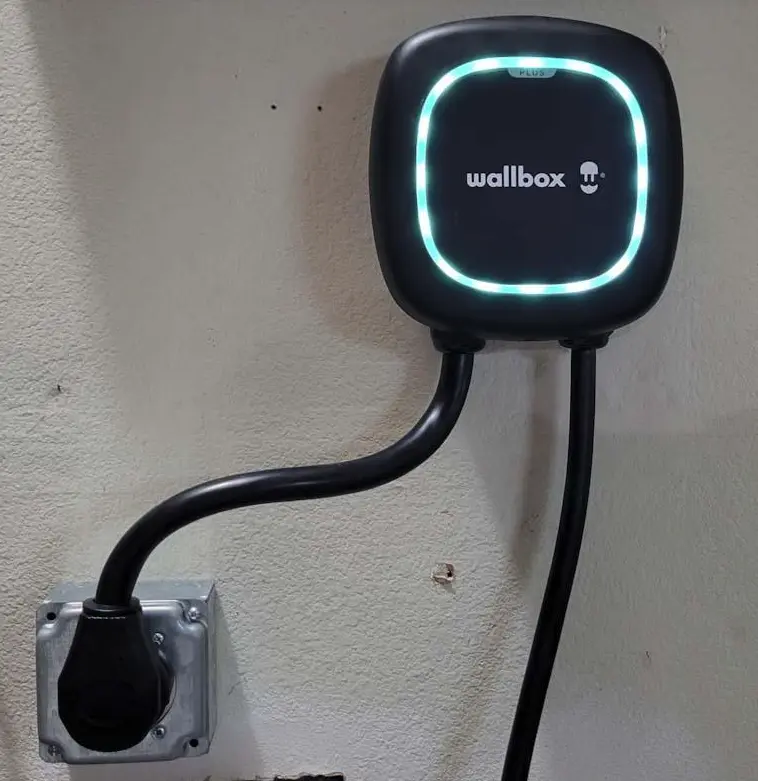
Image: trae_curieux on Reddit
If you’re still choosing the right EV charger, prioritise an installer who knows your preferred brand.
Someone who isn’t familiar with your charger could set its power limits wrong or fail to connect it properly to your Wi-Fi and solar system.
Note that you need an EV-experienced electrician, not a “Level 2” electrician. Level 2 electricians handle street-to-property network connections, while a Level 2 EV charger simply refers to the charging speed.
What Happens During a Proper Electrician Site Assessment
Before any electrician gives you a firm quote, a proper assessment covers the same core checks:
Switchboard Checking
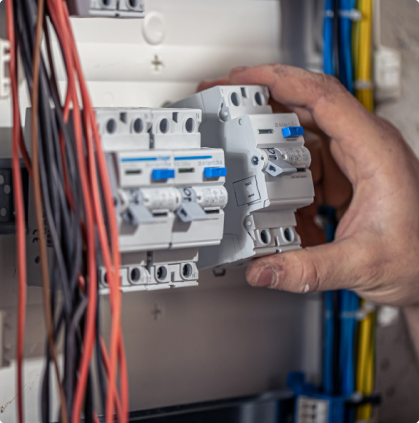
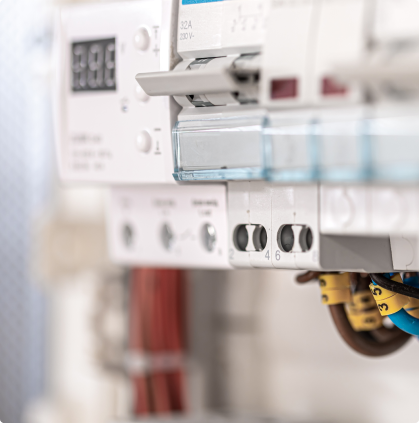
The electrician checks the main switchboard rating, existing electrical demand and available capacity. They also confirm whether there is spare space for a new circuit breaker and dedicated RCD or RCBO.
The age and condition of the switchboard matter, too.
Pre-1990s fuse-based boards, still found across Sydney’s Northern Beaches, North Shore, Eastern Suburbs and Inner West, are more likely to need upgrading before an EV charger can be installed safely.
If an upgrade or safety switch installation or testing is needed, it should be identified before the quote is confirmed.
Single-Phase Or Three-Phase Assessment
The electrician also checks if the home has a single-phase or three-phase power supply. This shows what charger output the house can handle and if the chosen charger fits the vehicle.
Cable Route And Charger Position Planning
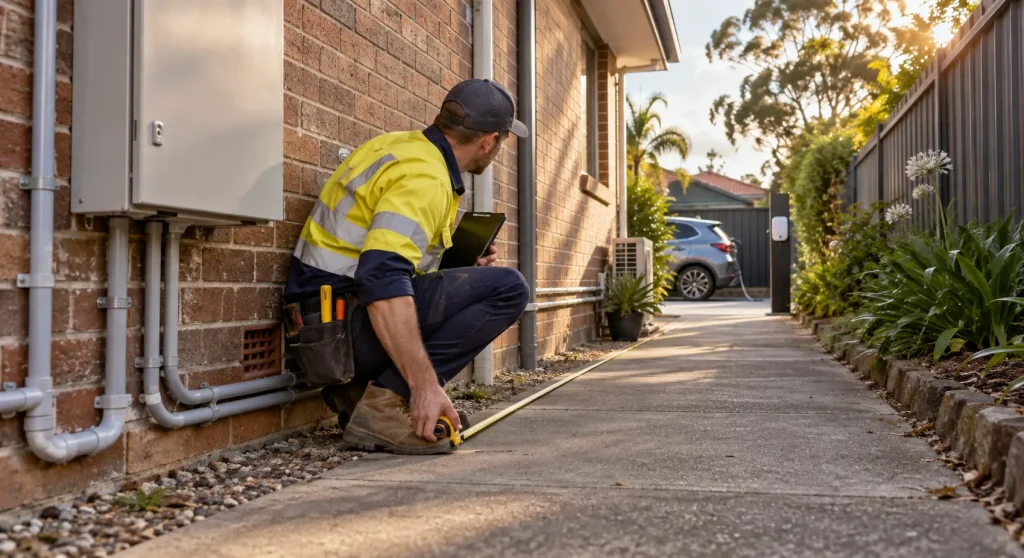
The electrician measures the cable run from the switchboard to the planned charger location. Distance, access and installation methods affect cable sizing, materials and labour.
The assessment should also confirm whether the cable needs protection through a ceiling, under a driveway or along an external wall.
How to Vet an Electrician Before You Book
Before you accept a quote, run through this checklist.
- Check the NSW licence. Use the Fair Trading public register to confirm the contractor’s current electrical contractor licence, category and expiry date.
- Ask who’ll do the work. Make sure the licensed electrician named on the quote will carry out or directly supervise the installation.
- Ask about the CCEW. Confirm that you’ll receive a Certificate of Compliance for Electrical Work after completion. Ask how it’ll be submitted, too.
- Ask about EV experience. General electrical experience isn’t the same as working with sustained EV charging loads, load management and charger commissioning.
- Name the charger. Already have a model in mind? Ask whether the installer knows its configuration, app setup and protection requirements.
- Ask what the assessment includes. Check whether a physical switchboard assessment is included before the quote is finalised or charged separately.
- Consider local experience. Experience with older Sydney homes can help, especially where ageing switchboards, tight access or unusual cable routes affect the installation.
- Confirm insurance and workmanship terms. Ask whether the electrician holds current public liability insurance and whether the quote includes a written workmanship guarantee.
- Ask who handles distributor work. If the supply needs changing, confirm whether the electrician’s the relevant Accredited Service Provider or’s coordinating one. Also check which work’s included in the price.
- Compare the scope, not just the total. A quote that excludes cabling, switchboard rectification, network fees or commissioning isn’t comparable with an all-inclusive quote.
For a local starting point, contact Lightning Bult’s licensed Sydney electricians and confirm the current service scope and exact quote inclusions.
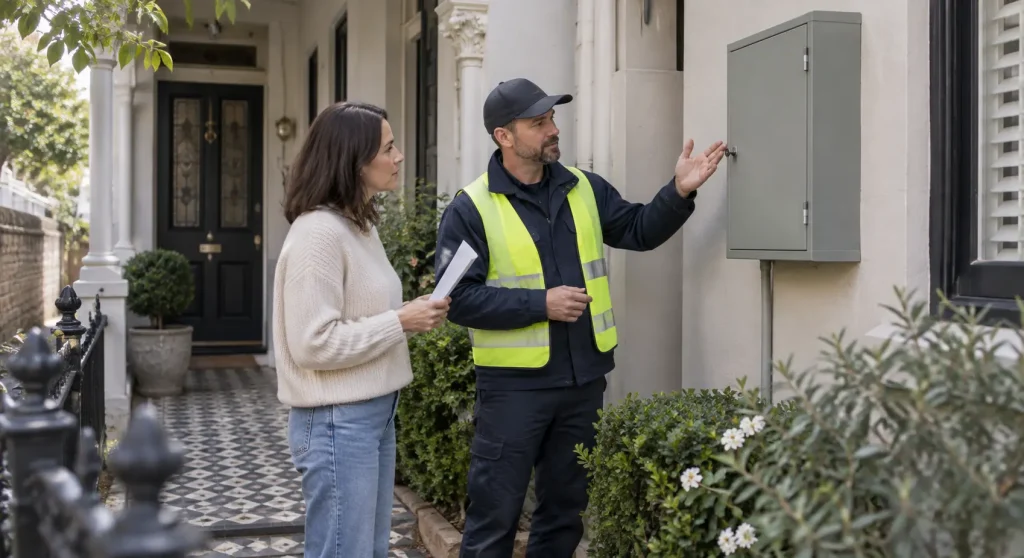
Common Mistakes People Make When Choosing an Electrician for This Job
When comparing EV charger electricians, watch out for these common mistakes:
- Booking on price alone. A low quote may leave out the cable route, switchboard work, testing, commissioning or other required installation steps.
- Assuming any electrician has EV experience. EV chargers create sustained electrical loads, so relevant installation experience matters.
- Treating the switchboard assessment as optional. Older switchboards in established Sydney homes may have limited capacity or need updated protection before installation.
- Ignoring who will perform the work. Confirm that the licensed electrician named on the quote will carry out or directly supervise the installation.
- Overlooking strata or shared-parking approval. Live in a unit, townhouse or strata complex? Confirm who owns the parking space and whether approval is needed before booking the work.
- Comparing totals without checking the scope. Ask each electrician to state clearly what the price includes and which assumptions it depends on.
- Relying on generic online amp thresholds. Distributor notification requirements vary based on the distributor, connection, charger, and installation. In NSW, it applies above 20 A single-phase or 40 A three-phase, and the electrician should know when it’s needed and handle it.
Image: Glum-Bunch on Reddit
FAQ About The Right Electrician for EV Charger Installation
Here is what Sydney homeowners ask most before booking an EV charger installation.
Can I use my regular electrician for an EV charger installation?
Yes, a licensed NSW electrician can do the work if they complete the required testing. Still, it’s worth asking about EV charger experience.
While your regular sparky is reliable, EV charging involves sustained loads. Experience with continuous-load cable derating, the right RCBO, and charger configuration helps avoid mistakes.
What certificate should I receive after installation?
You should get a Certificate of Compliance for Electrical Work (CCEW), showing your work is compliant. Keep a copy with your charger records for warranties, insurance, or selling. Again, NSW CCEWs must be submitted via the BCNSW eCert portal.
Do I need to notify my electricity network provider?
Sometimes, higher-demand installations or property changes need approval or work by an Accredited Service Provider.
Exact requirements depend on your distributor, connection, charger, and load. It’s part of the electrical scope, so don’t leave it for you to arrange. Confirm this before accepting quotes.
How do I check if an electrician’s licence is current?
Check the NSW Fair Trading public licence register before paying a deposit. Search the contractor’s name or number, then verify their class, status and expiry date.
A current licence is the legal starting point. After that, ask about EV experience, insurance, the CCEW process and what the quote includes.
Book an EV Charger Assessment With the Right Scope
Any licensed NSW electrician can install an EV charger. But experience matters. A good sparky checks your switchboard, knows EV circuits, and explains compliance upfront.
Use the checklist above before accepting a quote from any technician.
Not sure if your switchboard is ready? Lightning Bult‘s EV charger installation team do EV charger checks and installs across the Northern Beaches, North Shore, Eastern Suburbs, and Inner West. We also provide services in local suburbs like Artarmon, Narraweena, Mona Vale, and other surrounding areas.
Get in touch for an obligation-free quote!