


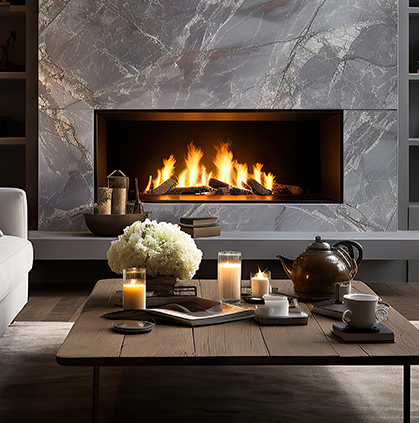

As your gas fireplace gets older, you may notice the flames don’t look quite right, the ignition becomes unreliable, or the unit simply doesn’t heat the room like it used to. And perhaps you start wondering, ‘how long does a gas fireplace last?’
While many units last for decades, regular servicing plays a big part in keeping them safe and efficient.
In this guide, we’ll look at the average lifespan of a gas fireplace, the signs it may be nearing the end of its life, and how you can help it last longer.
The Average Lifespan of a Gas Fireplace
Most gas fireplaces last between 15 and 25 years.
Higher-quality models that receive regular servicing can continue operating safely beyond 25 years, while units that are poorly maintained or heavily used may require replacement much sooner.
In addition, parts such as ignition systems, thermocouples, fans and gas valves naturally wear over time and may need replacing before the entire unit reaches the end of its lifespan.
With routine maintenance, many of these components can be repaired or replaced, helping extend the life of the fireplace.
What Affects the Lifespan of a Gas Fireplace?
One of the biggest factors is how frequently it’s used. A fireplace that runs every evening throughout winter will generally experience more wear than one that’s only switched on occasionally.
The quality of the original installation also makes a difference. Correct gas pressure, proper ventilation and professional installation all help the appliance operate efficiently from day one.
Regular servicing is just as important, where a licensed gas fitter will clean the burners, inspect safety components, check for gas leaks and identify worn parts before they become bigger problems.
Signs Your Gas Fireplace May Need Replacing
Many fireplace problems can be repaired, but there comes a point where replacement becomes the more practical option.
Some of the most common signs include:
- Difficulty lighting the fireplace or frequent ignition failures
- Yellow, uneven or flickering flames instead of steady blue flames
- Reduced heat output compared to previous years
- Persistent gas smells or unusual noises
- Frequent breakdowns and repair bills
- Replacement parts becoming difficult to source
Older fireplaces are also generally less energy-efficient than newer models. Upgrading can improve heating performance while reducing gas consumption.
How to Help Your Gas Fireplace Last Longer
Simple habits throughout the year can help reduce wear and keep your fireplace operating safely for longer.
Good maintenance includes:
- Booking professional servicing every one to two years
- Cleaning dust from around the fireplace before winter
- Keeping vents and flues clear
- Watching for changes in flame colour or performance
- Having unusual smells or noises checked promptly
Avoid delaying repairs when something doesn’t seem right. Small issues are often much easier and less expensive to fix before they develop into larger faults.
Frequently Asked Questions
How long does a gas fireplace usually last?
Most gas fireplaces have a lifespan of around 15 to 25 years, although high-quality units that are regularly serviced may last even longer.
How often should a gas fireplace be serviced?
Most manufacturers recommend servicing every one to two years. Homes that use the fireplace heavily during winter may benefit from annual servicing.
What causes a gas fireplace to stop working?
Common causes include worn ignition components, faulty thermocouples, blocked burners, gas supply issues or general wear as the fireplace ages.
Is it worth repairing an old gas fireplace?
Minor repairs are often worthwhile, especially for newer units. For older fireplaces with multiple faults, replacement may provide better long-term value.
Can an old gas fireplace become unsafe?
Yes. Ageing components, gas leaks, ventilation issues and worn safety devices can all create potential hazards. Regular inspections help identify these problems before they become serious.
Keep Your Gas Fireplace Running Safely with Lightning Bult
So, how long does a gas fireplace last?
In most homes, you can expect around 15 to 25 years with proper installation and regular servicing. Even as the fireplace ages, routine maintenance can keep it operating safely and efficiently while helping you avoid unexpected breakdowns.
Ready to keep your home warm and safe?
Contact Lightning Bult today to book your gas fireplace service, repair, or installation across Sydney. We also have our HomeGuard Protection Plan where you can enjoy exclusive VIP benefits across your plumbing, electrical, and gas heating services.