





When did you last change your AC filter? It’s been working overtime all summer, catching all that dust. You know it’s been a while, and you’re thinking about finding some HVAC cleaning tips to try to tackle the job yourself.
Good idea. But can you really do all the cleaning on your own? Or are there some jobs you’ll need to call an air conditioning service for? We’re going to talk about that, so keep reading!
Key Takeaways
- Clean split system filters every 2–4 weeks in summer. Dirty filters increase electricity waste.
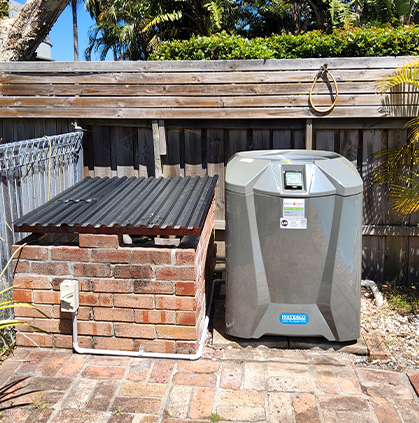
- Monthly, remove debris from and gently hose down the outdoor condenser. Coastal homes should note faster salt corrosion.
- DIY cleaning includes filters, return grilles, and the outdoor unit exterior. Avoid refrigerant lines and electrical internals.
- Schedule annual professional AC tune-ups, or biannual for coastal homes and high-usage ducted systems.
- Seek professional help if you see water leaks, hissing noises, poor cooling with clean filters, or persistent musty odours.
5 HVAC Cleaning Tips You Can Do Yourself
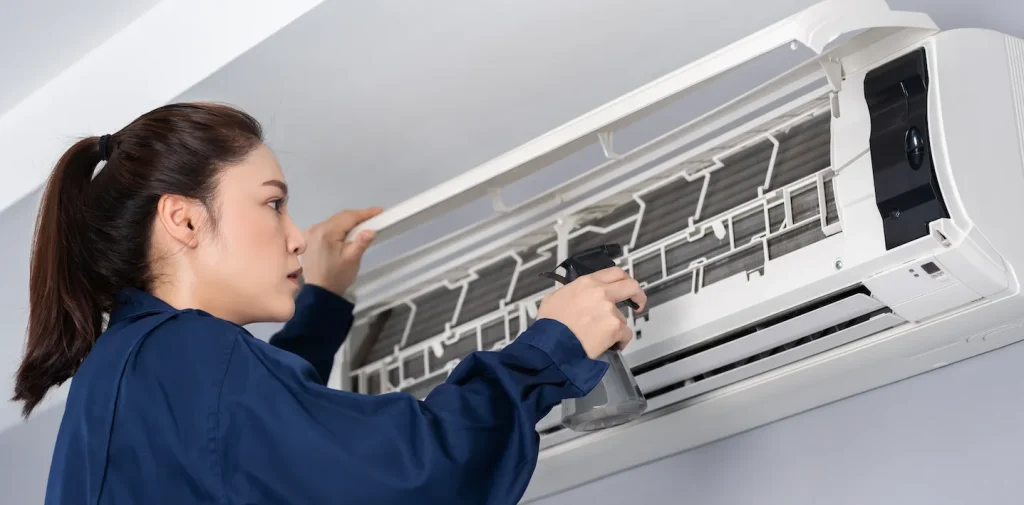
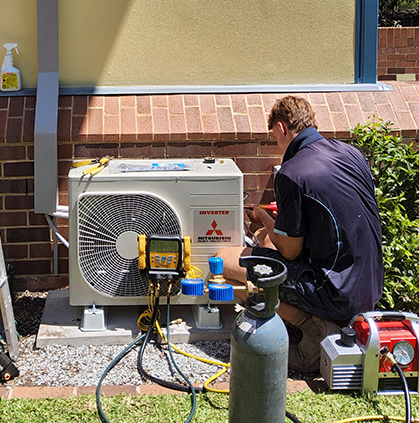
Image by Geargodz on Freepik
Split system air conditioning is common in Australia. These air-conditioner cleaning tips focus on tasks that most improve your cooling performance:
1. Clean or Replace Filters
- Frequency: Every 2–4 weeks
When you think about HVAC cleaning tips, the filter is the first thing that comes to mind. It’s a 5-minute job, under 10, that can save you a 3,000 compressor replacement.
It’s the biggest failure point you can prevent, and it’s one of the AC parts you can handle without special skills.
Remember, from December to February when your AC runs every day, that filter works overtime. A clogged filter makes your system work harder.
So, how should you clean your air conditioner filter?
- Open the front panel—lift from the bottom with a gentle pull.
- Slide out the filter, usually a flat mesh screen across the unit’s width.
- Vacuum up the loose dust with a soft brush attachment.
- Wash it in warm, soapy water. Rinse well and air dry completely before putting it back in.
You need to do this monthly to catch allergens before they spread. For family members with asthma, that difference matters.
2. Wipe Indoor Unit Louvres and Cabinet Surfaces
- Frequency: Monthly
Your plastic cabinet and adjustable louvers on the indoor unit collect dust fast. Plastic surfaces get static, so dust gets pulled from the air.
This dust layer is mostly cosmetic and won’t block airflow enough to cause dead spots, but it still matters for hygiene.
If you have allergies or asthma, this dust is a problem when the AC turns on. The fan blows the dust into the air you breathe before the filter can catch it.
To keep your unit looking and feeling clean:
- Wipe the whole exterior housing with a dry microfiber cloth.
- Gently wipe the horizontal and vertical louvres
- Dry promptly with a clean cloth to prevent water spots or mildew.
3. Gentle Hosing of the Outdoor Condenser
- Frequency: Quarterly (Monthly for coastal homes)
Clearing leaves helps, but a gentle rinse washes away fine dust and the coastal salt that brushing misses, so the coil can shed heat properly and stay cool.
This is one of the DIY HVAC cleaning tips that you need to follow electrical safety rules seriously.
Though the units are weather-sealed, avoid high-pressure water on the main wiring box or fan motor. And always cut power first to prevent electrical shorts or system damage.
You can safely keep your unit up between professional services by following these steps:
- Clear mulch, soil, or weeds from touching the metal casing or taller than the base tray.
- Use a standard garden hose to gently rinse the condenser fins.
- Direct the water horizontally or slightly downward to flush dirt out through the grilles.
- Keep at least 300 mm of clear space around the unit for optimal airflow.
4. Clear Debris from the Outdoor Unit
- Frequency: Monthly
If you have a split system, you need to pay attention to your outdoor unit, especially if you’re near the coast. The unit makes heat, and when leaves, dirt, or garden mulch pile up on it, it can’t shed heat well.
Because of this, the system may draw more power and wear parts like the compressor faster. It’s not only about saving energy. It’s a safety issue too. It can push motors and wiring harder, increasing fire-hazard risk.
If your system runs longer cycles and never hits your target temperature, outdoor blockage is usually the cause. To safely clear this heat exchanger:
- Check for debris pressing on the metal fins.
- Clear material from the outside fins with a soft brush or a shop vacuum with a soft nozzle.
- Make sure mulch or soil isn’t touching the base—leave at least 300 mm for airflow.
5. Check Your Drainage Pipe for Blockages
- Frequency: Once before summer and once after
Drainage pipes don’t need checking? That’s not true. Algae, dust, and debris can block them, causing water damage and system shutdowns.
Your indoor unit condenses moisture during cooling, which drains via a small pipe. Blockages cause water backup and leaks.
This DIY task is safe if you avoid internal electrical components and clean only the external access point. This prevents shutdowns during heatwaves, as a blocked drain can trip a safety switch.
Here’s what you need to do for this HVAC system cleaning:
- Find the drain hose outside, close to the indoor unit.
- Put on gloves because it might be dirty or have mouldy.
- Use a turkey baster or syringe to carefully remove any dirt or water you can see.
- If you need to, pour a little bit of white vinegar mixed with water to clean the AC drain line.
3 Ducted HVAC Cleaning Tips
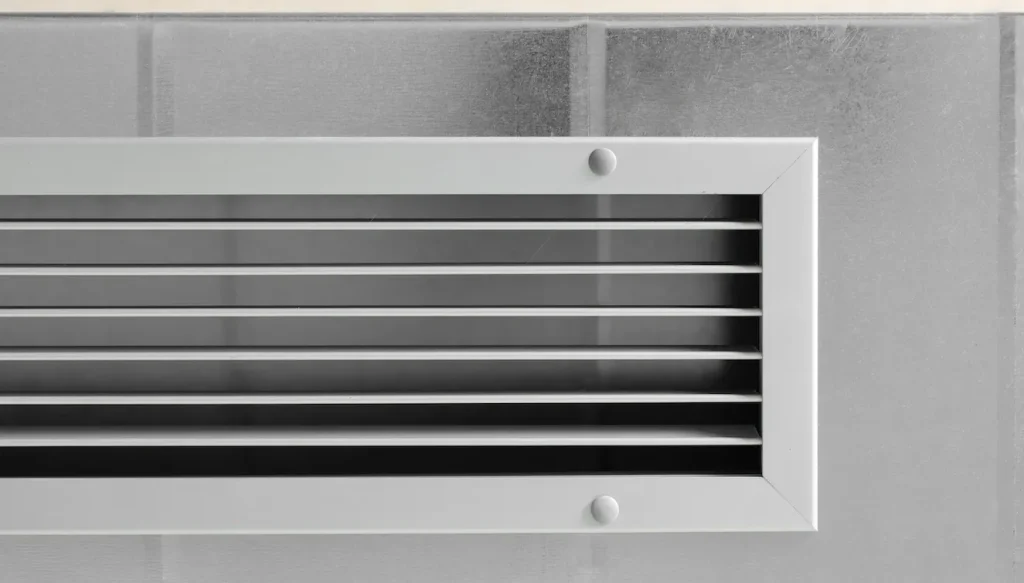
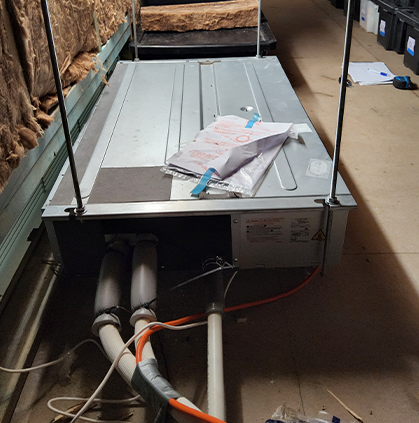
Image by freepik
Ducted air conditioning cools the whole home, but most components sit on the roof or under the floor. Focus on the parts you can reach:
1. Clean Return Air Grilles
- Frequency: Monthly
Unlike a split system, a ducted HVAC uses large return air grilles to pull air back to the central air handler. When these vents clog with dust, pet hair, or grime, static pressure rises and the system works harder, moving less air.
You can do this ducted air conditioning cleaning yourself. It’s one of the safest and most effective DIY cleaning for a ducted system, improving airflow across the entire duct network.
You’ll usually see dust, spider webs, dead bugs, and lint on the grille bars and inside the return air box. This dust gets pulled through your whole house every time the system runs.
To clean the grilles effectively:
- Remove the return air grille cover from the ceiling or wall
- Vacuum the grille cover with a long-hose vacuum and a soft brush.
- Vacuum the opening behind the grille to remove large debris.
- Wipe the grille cover with a dry or slightly damp cloth and let it dry before reattaching.
2. Remove and Wash Supply Vent Covers
- Frequency: Quarterly
The covers on your supply vents let air into the rooms, and they pick up a thin dust layer that ends up on surfaces around your home.
Since you have to pull them off and wash them, it takes a bit more effort than a quick monthly wipe, so you can do it quarterly.
For these HVAC cleaning tips, you’re only working on the outside plastic or metal covers. The duct opening underneath stays untouched.
To make sure you clean them right and keep airflow strong, you can do these steps:
- Make sure the ducted system is OFF at the thermostat and main panel before removing any covers.
- Remove the vent cover and note how it latches or screws in for easy reinstallation.
- Wash the cover in warm, soapy water to remove dust and grease.
- Rinse well to prevent soap residue that attracts dust.
- Let the cover air dry completely before reattaching it to the duct opening.
3. Replace or Wash Ducted Filters
- Frequency: Every 1-3 months during heavy use
Some ducted systems place return air filters inside the return air box behind the grille you clean. But not all have user-accessible filters.
Check your manual or look inside the return air box when you clean the grilles. If you find a pleated paper filter or a washable mesh screen between the return box and the main duct, you can clean it yourself.
Ducted filters do the same job as split-system filters: they trap dust from the evaporator coil. This isn’t a high electrical-risk task if you turn the system off first. Just confirm whether your filter is disposable or washable.
To clean your central filter:
- Find the filter access panel (air handler or behind a large grille).
- Turn off the system at the thermostat and confirm it’s stopped.
- Slide out the old filter and note the airflow arrow on the frame.
- If disposable, trash it and insert a correctly sized new filter with the arrow toward the air handler.
- If washable, rinse until the water runs clear, dry completely, then reinstall
Should You Call a Professional to Clean Your HVAC System?
For basic HVAC cleaning, you can do it yourself, but watch for warning signs and understand tasks that only a professional can do that:
These are the warning signs for non-DIY tasks:
- Water dripping from the inside unit with a clear drain may indicate a refrigerant leak or a damaged drain pan.
- Grinding, squealing, or bubbling noises indicate mechanical failures or refrigerant problems.
- Weak cooling after cleaning filters points to refrigerant loss, a faulty compressor, or duct leaks.
- Ice on either unit signals serious airflow or refrigerant issues.
- A sudden higher power bill with no extra use indicates inefficiency. Have a professional diagnose it.
- A persistent musty smell after cleaning the filter suggests mould in the AC unit
And these are the cleaning jobs which DIY HVAC cleaning tips can solve:
- Evaporator and condenser coils cleaning — Needs EPA-approved chemicals to lift grime, mould, and salt off the fins. You can’t use strong biocides, and regular cleaners don’t work to clean AC coils and can damage them.
- Ductwork interior sanitisation — Hidden ductwork is out of reach for most homeowners. Deep cleaning needs professional-grade vacuums and approved antimicrobials.
- Blower motor and fan blade deep cleaning — You must take the motor apart and rebalance it after cleaning. Do it wrong and you risk electrical failure or dangerous vibration. Leave it to AC services like Lightning Bult.
- Deep condensate drain cleaning and flush — You can check the exit point, but a professional is needed to clear deep blockages and flush with heavy-duty algaecide tablets.
FAQ About HVAC Cleaning
How often should I clean my HVAC system?
Ideally, you need to clean your filter every 2–4 weeks in summer and clean the outdoor unit quarterly for debris. Don’t forget to schedule professional service annually for ductwork cleaning or fan motor checks.
Can I clean ducted air conditioning myself?
Yes, for accessible parts. You can remove and wash the return filter, wipe ceiling vents, and clear debris around the outdoor compressor.
Avoid cleaning ductwork internals due to fragility, as vacuuming or brushing can tear the liner, causing leaks and poor cooling.
What’s the best way to prevent mould in an AC unit?
Try running your AC on “Fan Mode” for 15-20 minutes before turning it off to dry the coil. Never put back wet filters to your system. Run the AC for 15 minutes to circulate air every week.
How do I clean my outdoor unit without damaging it?
Before you clean anything, always shut off the power at the isolator and switchboard. And, don’t use high-pressure water, especially near the wiring or control box. Also, don’t poke or scrub the copper lines or fins.
Conclusion
These HVAC cleaning tips help you tackle filters and outdoor unit debris safely. But ducted air conditioning cleaning needs licensed technicians to avoid system damage and warranty issues.
Not sure where to start or overdue for maintenance? Contact Lightning Bult for a consultation, then book a comprehensive tune-up to keep your air conditioner running efficiently and prevent costly breakdowns.