



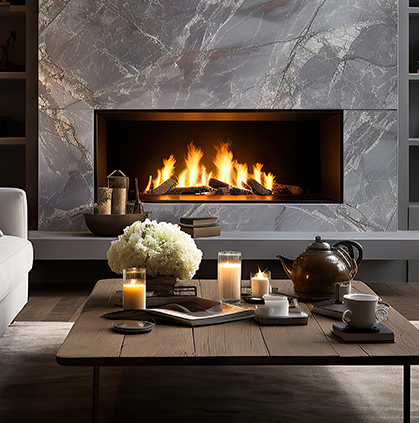


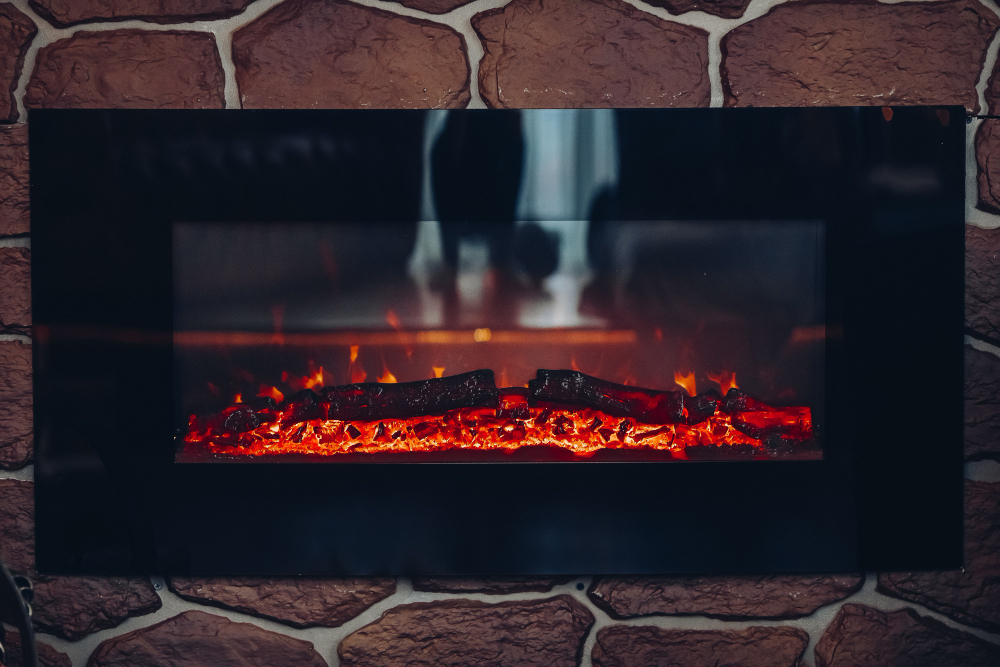
Installing a fireplace no longer means building a full brick chimney or a traditional masonry surround. Thanks to modern fireplace technology, a zero-clearance gas fireplace can be installed in many homes without the extensive structural work older fireplaces require.
They’re popular in new builds, renovations, apartments, and contemporary homes due to their efficiency, style, and flexible placement.
In this guide, we’ll cover how zero-clearance gas fireplace works, its pros and cons, and what you should consider before choosing one for your home.
What Is a Zero-Clearance Gas Fireplace?
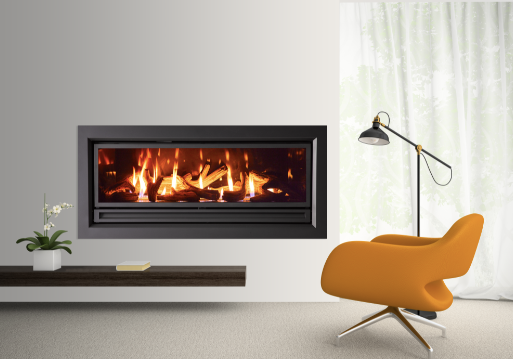
A zero-clearance gas fireplace is a factory-built fireplace designed to be installed safely with very little space between the firebox and surrounding combustible materials such as timber framing.
Despite the name, it doesn’t literally mean there is zero space required. Instead, it means the fireplace has been engineered with insulation and protective construction that allows it to be installed much closer to walls than traditional fireplaces.
This makes zero-clearance models ideal for new homes, home renovations, apartments and townhouses, living rooms without an existing chimney, and open-plan spaces
Many homeowners choose them because they provide the appearance of a built-in fireplace without the cost and complexity of constructing a masonry chimney.
How Does a Zero-Clearance Gas Fireplace Work?
Unlike traditional wood fireplaces, gas fireplaces burn natural gas or LPG to produce consistent heat and realistic flames.
Most modern zero-clearance units are direct-vent fireplaces. They draw fresh air from outside the home while safely expelling combustion gases through a sealed flue system.
This design offers several advantages improved energy efficiency, cleaner indoor air quality, better heating performance, and less heat loss compared to open fireplaces
Many models also include electronic ignition, thermostats and remote controls, making them easy to operate throughout winter.
Benefits of a Zero-Clearance Gas Fireplace
One of the main reasons homeowners choose zero-clearance gas fireplaces is their exceptional versatility, combining the warmth and ambience of a traditional hearth with modern efficiency and safety.
Furthermore, these units feature specially engineered, insulated fireboxes with tested clearances that minimize heat transfer to surrounding building materials.
This makes them exceptionally safe to install near timber, drywall, or existing home structures when handled by a qualified gas fitter who ensures compliance with Australian Standards and local building regulations.
Key benefits of choosing a zero-clearance gas fireplace include:
- Flexible & Minimal Structural Modification. They can be easily integrated into both new builds and existing homes without requiring extensive masonry work or heavy structural alterations.
- Versatile Design Options. Available in single-sided, double-sided, and corner configurations to seamlessly complement modern interior designs and custom layouts.
- High Efficiency & Convenient Control. Offers controlled heating output with quick, hassle-free operation via a wall switch or remote.
- Certified Installation Safety & Compliance. Built-in heat insulation protects surrounding building materials, while professional installation ensures correct flue placement, gas tightness, proper ventilation, and valid warranty protection.
Things to Consider Before Installation

Careful planning helps ensure the unit fits your space, operates efficiently, and remains safe for years to come.
Room Size and Heating Capacity
An undersized unit will struggle to keep the room warm during cold spells, while an oversized fireplace will produce excessive heat.
Matching the fireplace’s size to your room’s square footage ensures balanced, energy-efficient comfort.
Fuel Type Availability
Your choice will largely depend on the existing gas infrastructure at your property.
If your home is already connected to a natural gas network, choosing a compatible model is straightforward. Otherwise, an LPG setup with external gas bottles will be required.
Flue Location and Venting Requirements
While zero-clearance fireplaces eliminate the need for a traditional brick chimney, they still require an approved direct-vent or powered flue system to safely exhaust combustion gases outdoors.
The intended location of the fireplace must allow for proper flue routing through an external wall or roof, adhering strictly to clearance and ventilation codes.
Design Style and Aesthetics
These fireplaces serve as major visual focal points. Selecting the right style allows the unit to blend seamlessly into your interior layout.
It can be placed as a central media wall feature or a subtle room divider.
Ongoing Maintenance and Servicing
Gas fireplaces require significantly less day-to-day upkeep than wood-burning alternatives, with no ash to clean or logs to store.
Hence, scheduling regular inspections ensures that burners stay clean, ignition systems operate reliably, glass seals remain airtight, flues stay unobstructed, and gas connections remain completely safe.
Frequently Asked Questions
What does zero clearance mean for a gas fireplace?
It means the fireplace has been specially designed and tested so it can be installed much closer to combustible building materials than a traditional fireplace, provided the manufacturer’s specified clearances are followed.
Do zero-clearance gas fireplaces need a chimney?
No. Most models use a direct-vent flue system instead of a conventional masonry chimney, making installation much more flexible.
Are zero-clearance gas fireplaces efficient?
Yes. Many modern models achieve high efficiency because they use sealed combustion systems that minimise heat loss while providing consistent warmth.
Can a zero-clearance gas fireplace heat an entire house?
Most are designed to heat individual rooms or open-plan living areas. Larger homes may require additional heating or multiple heating zones.
How long does a zero-clearance gas fireplace last?
With professional installation and regular servicing, a quality gas fireplace can often last 15 to 25 years or longer. Routine maintenance helps maximise both performance and lifespan
Can You Install One During a Renovation?
Absolutely. In fact, zero-clearance fireplaces are often selected specifically because they’re renovation-friendly. Since they don’t require a full masonry chimney, they can often be incorporated into existing timber-framed walls with significantly less construction work than traditional fireplaces.
Conclusion
A zero-clearance gas fireplace is an excellent option for homeowners who want efficient heating without the structural limitations of a traditional fireplace.
With a wide range of styles available, it’s easy to find a model that complements your space while delivering reliable warmth throughout winter.
The right model depends on your home’s layout, heating requirements and preferred design, which is why professional advice before installation is always worthwhile.
Talk to our experts at Lightning Bult as we can help you choose, install and maintain quality gas fireplaces that are built to last. Contact us now!