


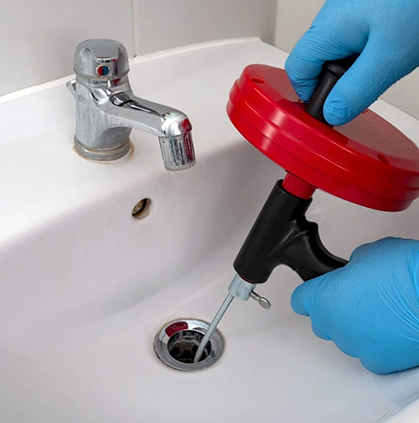
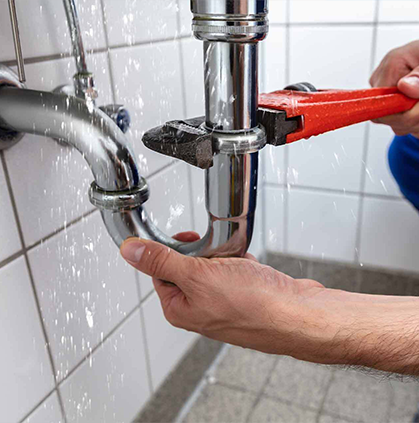
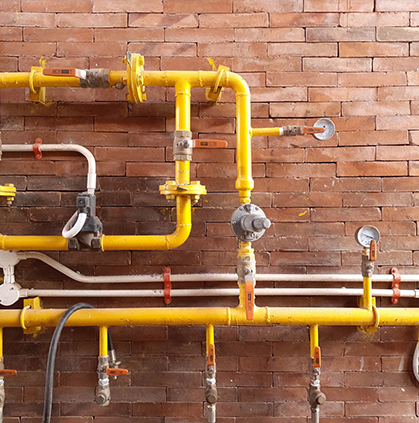
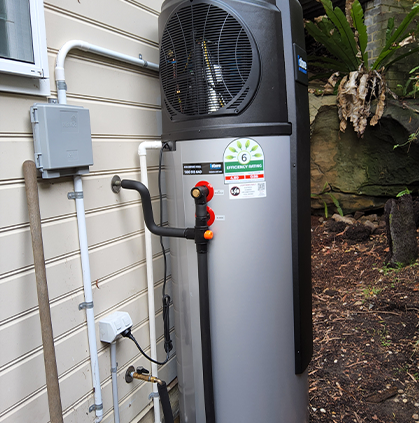


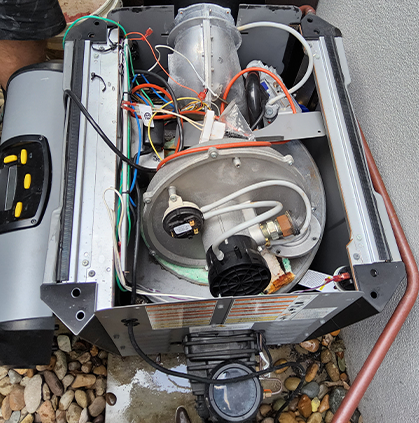
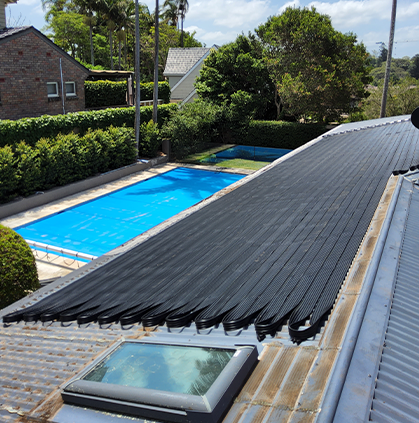
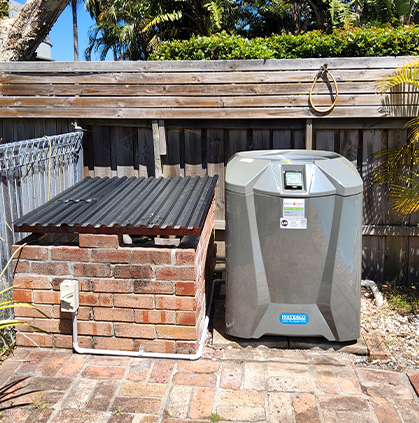

Two homes with similar pools can get different quotes for a pool heat pump installation. While one home needs minimal work, another might require a new base, custom pipework, or electrical wiring.
This guide explains what a complete pool heat pump installation involves. We’ll break down the step-by-step process, trade licensing, NSW placement rules, and key factors driving your cost and timeframe.
What Pool Heat Pump Installation Actually Involves
A pool heat pump installation is a dual-trade project that connects the heater to your pool’s plumbing and your electrical installation.
The installation requires proper airflow, clear space, and easy access for repairs. And it must comply with pool-barrier safety and non-climbable zone rules.
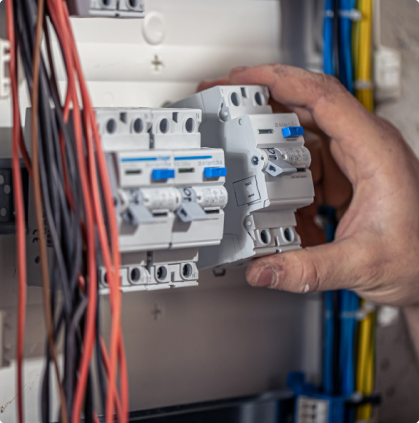
Also, the electrical work requires a dedicated 30mA RCD-protected cable from your switchboard to a lockable safety switch beside the heater.
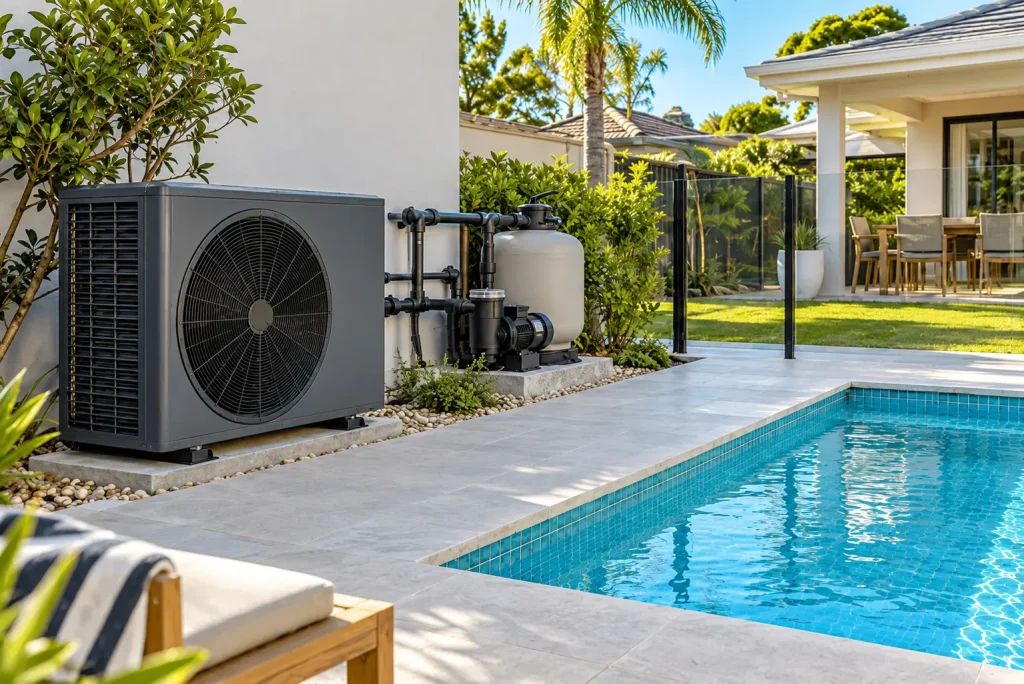
Keep in mind that two identical pools can’t always get the same installation quote.
A modern equipment pad and nearby switchboard make the job simple. But old plumbing or a switchboard on the other side of the property changes the whole project.
Because balancing water, high-voltage wiring, and NSW compliance requires precision, licensed tradespeople must do the regulated work.
Who’s Licensed to Install a Pool Heat Pump in NSW?
A pool heat pump installation involves three areas of work:
Electrical Connection
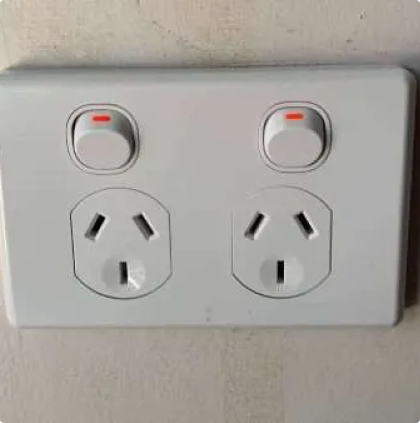
Your pool heat pump usually needs a dedicated electrical circuit. In a residential installation, it might also need RCD protection under AS/NZS 3000.
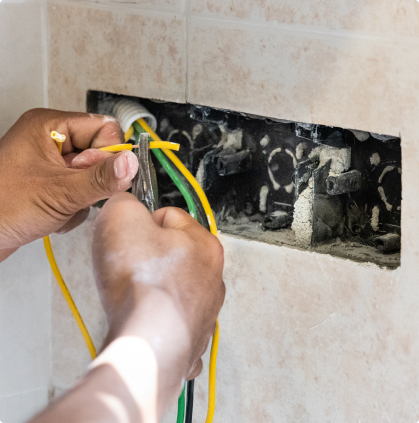
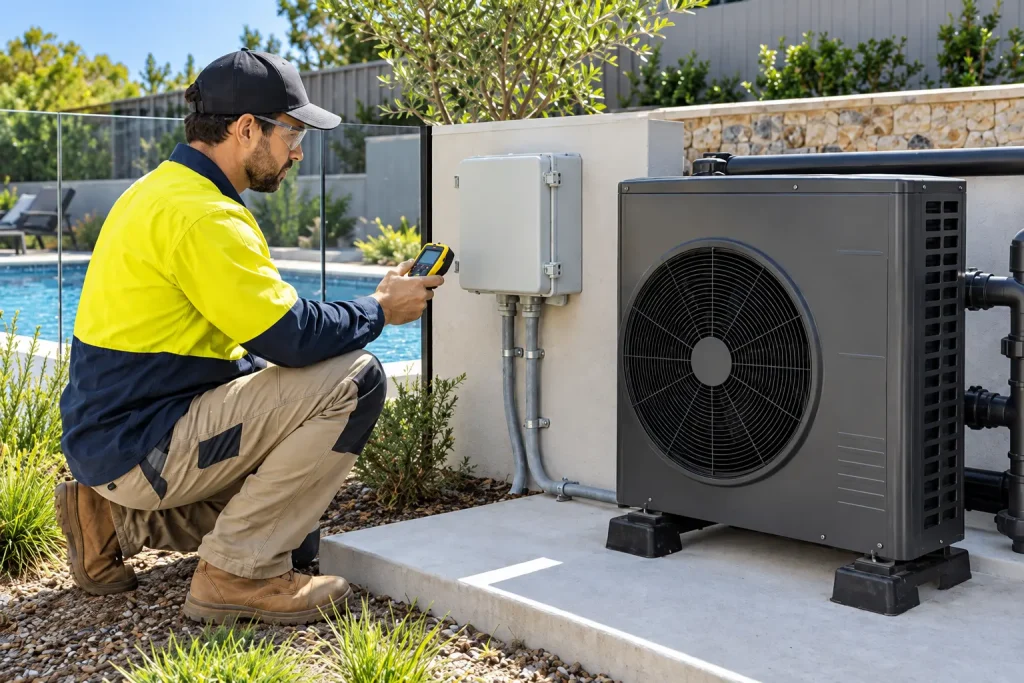
Only a licensed electrician can do this electrical work. They will check the heat pump’s nameplate, manual, power supply, and switchboard to choose the right circuit, cable size, safety devices, and local isolating switch.
And once it’s finished, the electrician will test the setup and issue a Certificate of Compliance for Electrical Work, or CCEW.
Plumbing Integration
The heat pump needs to be connected to your pool’s existing filtration and circulation system. Water is diverted through the unit, then returned to the pool.
A licensed plumber should complete this part of the installation.
This work can involve new pipework, valves and, in some setups, a bypass. The plumber needs to make sure proper water flows to the heat pump and include isolation valves for servicing.
Refrigerant Handling on Split Systems
Most pool heat pumps are packaged units with factory-sealed refrigerant circuits. So there’s no pipework to connect on-site.
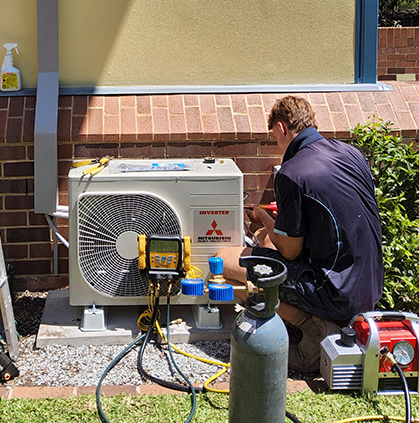
But some models are split systems. They run refrigerant lines between an outdoor and indoor unit. Technicians who install, test, or set up these units on-site must hold a current Commonwealth Refrigerant Handling Licence.
That licence doesn’t cover electrical or pool work. An electrician must handle the wiring, and a professional must connect the heat pump to the pool system.
Because split systems change the project, check these details before you accept a quote:
- Whether the unit is packaged or split
- If on-site refrigerant work’s needed
- Who does the work and their Refrigerant Handling Licence type
- If the quote covers refrigerant, electrical, and setup work
Why DIY Isn’t Really an Option
A pool heat pump installation isn’t a plug-and-play task. Both the electrical circuit wiring and the plumbing integration may involve licensed work in NSW.
Proper plumbing is critical. The unit needs the filtration pump for proper water flow. Leaks or poor flow cause heating and flow failures.
Most importantly, a DIY installation can cancel the manufacturer’s warranty, because companies require qualified technicians.
You can still help prepare. Just clear the space, take pictures of your pool equipment and switchboard, and plan where the unit will sit.
What Happens During Pool Heat Pump Installation?
A professional pool heat pump installation follows a strict sequence for safety and efficiency as follows:
Step 1: Site Assessment and Sizing
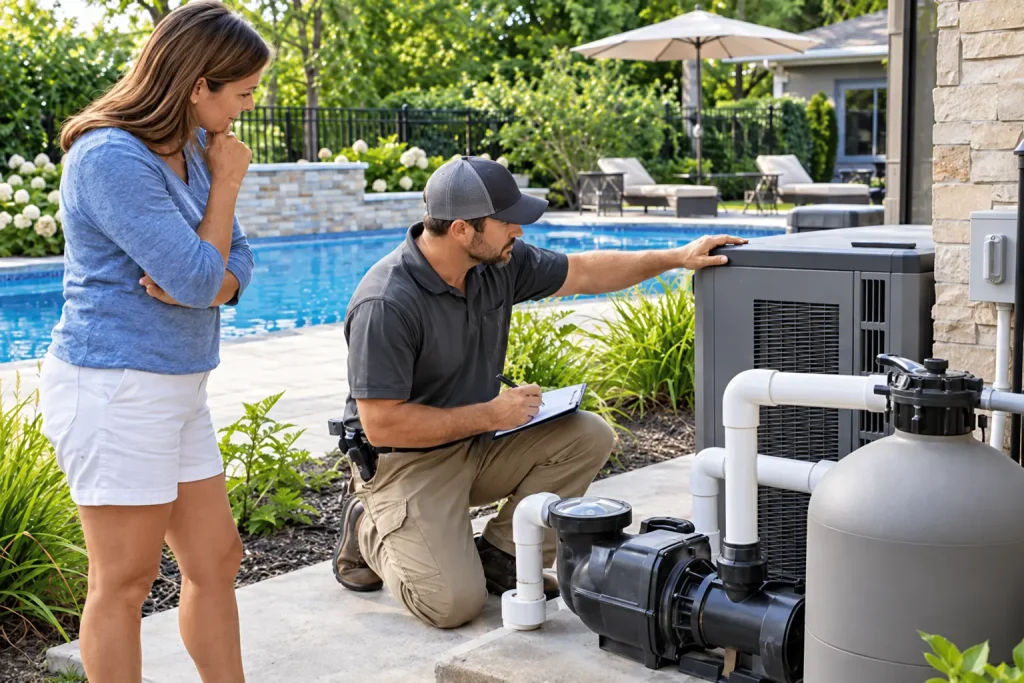
The installer measures your pool’s volume and checks the equipment pad. They look at your main circulation pump, filter, and chlorinator to make sure they can handle the extra water flow.
This step confirms you have the right equipment size for your target temperature. If you haven’t bought a unit yet, you’ll need to size your pool heat pump correctly before moving to the next stage.
Step 2: Choosing the Unit’s Location
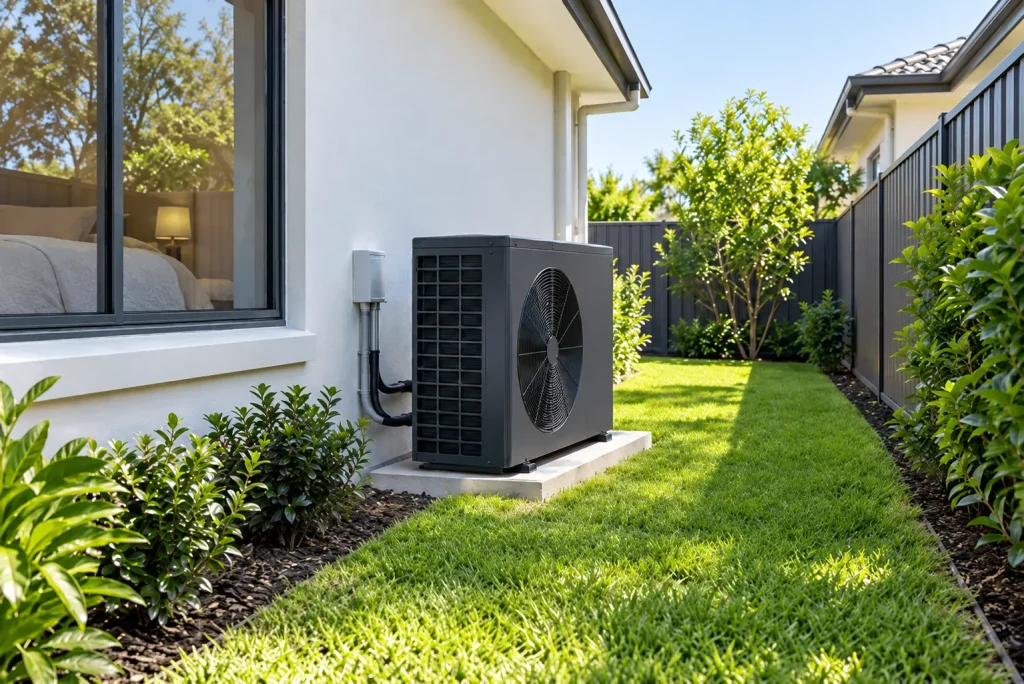
Your spot must meet your model’s airflow, clearance, and service rules, while giving you easy access to pool pipes and power. A location near the equipment pad only works if it meets all these requirements.
Check the noise levels before securing the unit, especially near bedrooms or property lines. While NSW provisions may apply, rules depend on the specific equipment and local planning and noise controls.
Step 3: Plumbing Connection
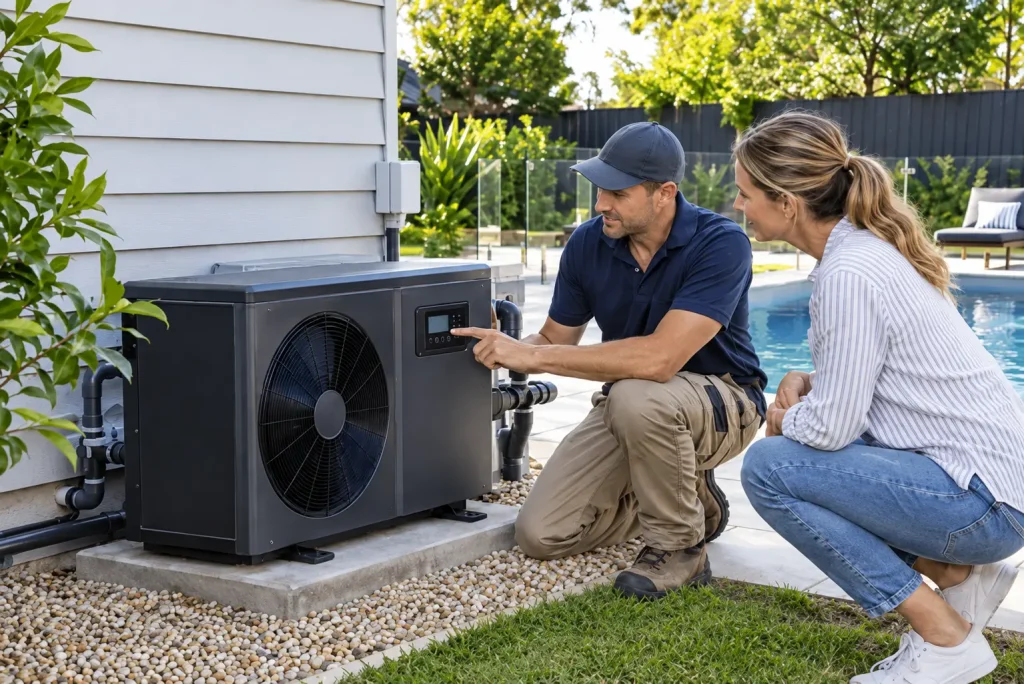
The installer connects the heat pump to your pool’s circulation system using pipes and valves. This lets water flow through the unit at the rate the manufacturer requires.
The setup usually includes a bypass. That lets you isolate the heat pump for service while the rest of your pool equipment keeps running.
Your exact pipe layout depends on the heat pump and your current equipment. Once everything’s connected, the installer checks for leaks and confirms water flow during startup.
Step 4: Electrical Connection
A licensed electrician connects the power to the heat pump. They’ll install the required safety devices to meet electrical rules.
Next, they’ll install a shut-off switch in the right spot. This lets technicians safely cut power right at the unit during maintenance without going back to the house.
After wiring, the electrician tests the installation. You’ll also get a mandatory NSW Certificate of Compliance for Electrical Work (CCEW) confirming it meets safety rules.
Step 5: Commissioning, Handover, and Timeframe
A basic heat pump installation on an existing pad with nearby power takes half a day. If the job needs long wires, trenches, or electrical panel upgrades, it takes a full day or a short return visit.
After connecting all the parts, the installer turns on the system to check the water flow. They test the switch inside the heater to make sure the heater only turns on when the pump is actually pushing water through it.
The technician adjusts the bypass to set the required water flow. They then set your target temperature and check the initial operation.
Before leaving, your installer demonstrates the digital screen and winter bypass valves, and helps register your warranty. You’ll also receive your handover pack, user manual, and any other documents provided.
What Affects Pool Heat Pump Installation Cost?
Here are the factors that affect the pool heat pump install cost:
Pool Size and Heat Pump Capacity
Pool size and heat pump capacity go hand in hand. If you have a bigger pool or want it extra warm, you’ll need a higher kilowatt (kW) output. Sure, bigger units cost more upfront and use more power.
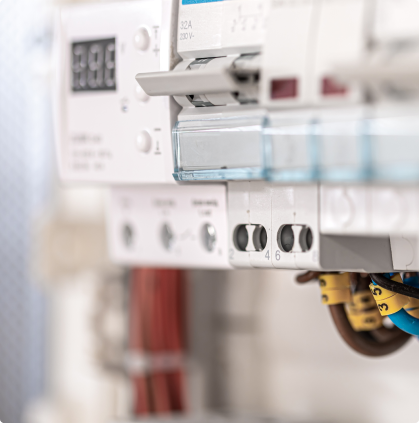
All that power means your house needs thick copper cables and a heavy switchboard.
Don’t choose a weak unit to save money. A small unit runs non-stop. It never hits the right temp. Your power bill blows out. The machine breaks down early. That’s the cost of choosing the wrong heat pump.
Plumbing and Electrical Complexity
Distance makes plumbing and electrical work cost way more bucks. If your main switchboard is right next to the filter pad, setup is fast.
If that switchboard is on the other side of the house, sparkies have to run long pipes all that way. That means digging up your garden, crawling under floors, or upgrading an old board for safety switches.
For plumbing, tight or outdated setups mean replacing all the pipes just to fit the three-valve bypass part.
Site Access and Placement
Moving a 100 kg mechanical heating unit into place takes some clear pathways and elbow room. Stairs, tight side passages, or balconies mean extra time and usually more crew members.
NSW rules also set specific rules for airflow, noise limits, and pool safety. If your site isn’t level or doesn’t meet these clearance rules, you’ll need to pour a concrete slab, which will add extra time and cost to your quote.
How Long Does a Pool Heat Pump Installation Take?
A simple installation usually takes 3 to 6 hours on a prepared site. That’s if your equipment spot’s ready, the existing pool pipework has enough clearance, and your switchboard can handle the electrical load.
More complex pool heat pump installations can take a full day or need a return visit. Plan for extra time if you need:
- Switchboard upgrades or new power circuits
- Long cables, tight roof spots, or digging trenches
- A fresh concrete slab or ground work
- Fixing cramped or broken pool pipes
Having tradies who work together helps a lot. They check things first, plan the steps, and test the unit at the end. You get a better timeline and avoid chasing different workers.
Why a Dual-Licensed Installer Makes This Easier
A dual-licensed team handles your pool heating and electrical work under one contract. That means you get one contact person for the site check, setup, testing, and final handover.
They can check the heat-pump location, connect it to your pool’s water system, test the water flow, and finish the electrical work. This prevents delays from conflicting equipment, power, or plumbing assumptions.
While simple jobs might finish in one visit, other setups need electrical upgrades, pipe changes, or extra visits.
So when you want a seamless process, think about a professional pool heat pump installation that manages both sides of the rules in a single visit.
FAQ about Pool Heat Pump Installation
Here are the most common questions Sydney homeowners ask before installing a pool heating system:
Can I install a pool heat pump myself?
You can handle preparation work, but NSW electrical wiring requires a licensed professional. Plumbing, circulation, and refrigerant tasks also demand proper authorization. Ask your contractor to clarify roles before they start.
How long does installation take?
There’s no one-size-fits-all timeline. Things like access, power, pipes, where the unit goes, and testing all change the schedule. Always ask for a custom estimate that spells out the assumptions and how many visits to expect.
Do I need council approval to install a pool heat pump?
Most of the time, you don’t need formal council approval to update an existing pool. But, the work must still follow the NSW rules for property boundaries and noise limits. So, check with your installer or local council.
Can a heat pump be added to an existing pool’s equipment?
Yes. Heat pumps usually connect right to your current filtration and circulation system. But an installer should check those details first. Older setups often need minor PVC pipework tweaks to fit the bypass valves.
What size heat pump do I need?
You need to size your pool heat pump correctly by looking at your specific conditions. It depends on pool volume, desired temperature, blanket usage, and wind exposure. Whether choosing a standard or inverter pool heat pump, getting the capacity right is important.
Ready For Pool Heat Pump Installation
Proper pool heating installation requires expertise in electrical safety, water flow, and noise compliance. It’s not a DIY job. A dual-trade installer gets your system running efficiently right from the start.
Ready to get your pool heating sorted properly the first time? Lightning Bult’s licensed team handles plumbing and electrical work in one visit.
Contact us for a no-obligation quote on your pool heating upgrade across the Northern Beaches, North Shore, Eastern Suburbs, and Inner West.